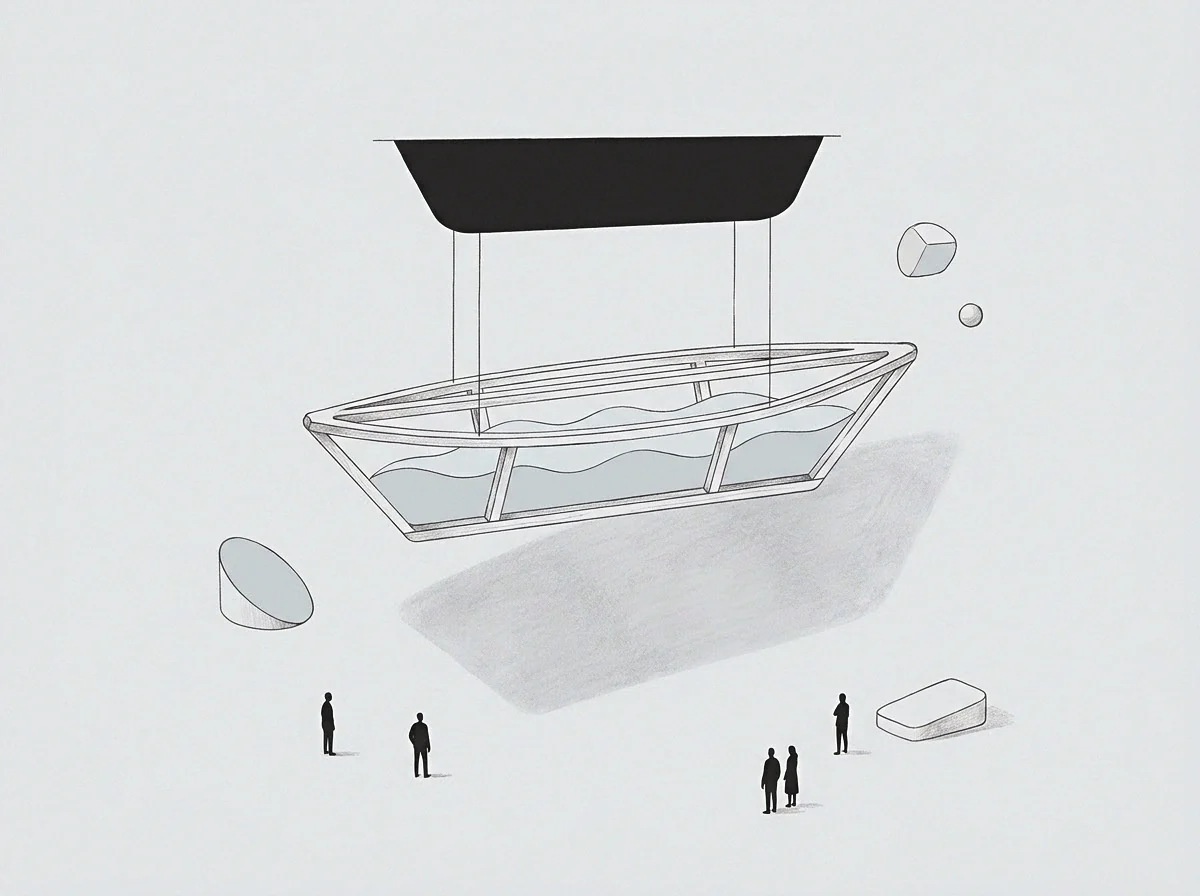
Meaning
Operating without co-founders defines a structural condition where one individual holds total equity ownership and executive control simultaneously. A single founder absorbs every operational function, strategic decision and financial liability without internal mediation or shared risk. This solitary seat removes board friction but concentrates cognitive load entirely within one person.
The arrangement applies strictly to ventures where decision authority remains undivided from day zero until an eventual liquidity event or structural reorganization.
Solo Burden
Absolute responsibility forces the practitioner to context-switch between product engineering, capital allocation and customer support within compressed hourly windows. This constant switching drains mental capacity faster than distributed workloads because no peer shares the burden of high-stakes ambiguity. Attention fragments across competing priorities, leaving strategic planning vulnerable to daily firefighting.
Every missed signal in the market falls directly onto the sole operator without a co-pilot to absorb the blow.
Control Concentration
Unfettered authority eliminates governance gridlock, allowing immediate pivots without stakeholder negotiation or voting delays. Investors often view this undivided power favorably during early fundraising rounds because execution speed depends on unhindered decisions. Yet that same speed creates vulnerability when fatigue clouds judgment or blind spots go unchecked by opposing viewpoints.
Power without counterweights accelerates both success and collapse.
Equity Retention
Retaining one hundred percent of the cap table preserves future dilution for subsequent funding rounds and acquisition negotiations. Without early equity splits among co-founders, downstream ownership fractions stay larger for the primary operator until institutional rounds dilute the stake. This accumulation of value rewards initial risk tolerance but isolates the founder during capitalization crunches.