
Resolving Structural Governance Failures When Founder Technical Competence Masks Systemic Engineering Resource Deficits
A founder using personal technical competence to fix software defects masks systemic resource gaps, distorting governance oversight until explicit resource terms are established.

Room
An engineering sprint closes with eight complex infrastructure defects cleared after midnight without an open ticket or an assigned engineer. Metrics presented to the board reflect normal commit velocity, system stability, and expected feature throughput, giving every appearance of an orderly organization. Yet platform performance holds only because an originating engineer quietly steps in to run database migrations, resolve failed deployments, and answer infrastructure alerts off the books.
Official reporting channels capture the resolved status while leaving the operational load hidden from oversight bodies.
The baseline gives way beneath the reported numbers.
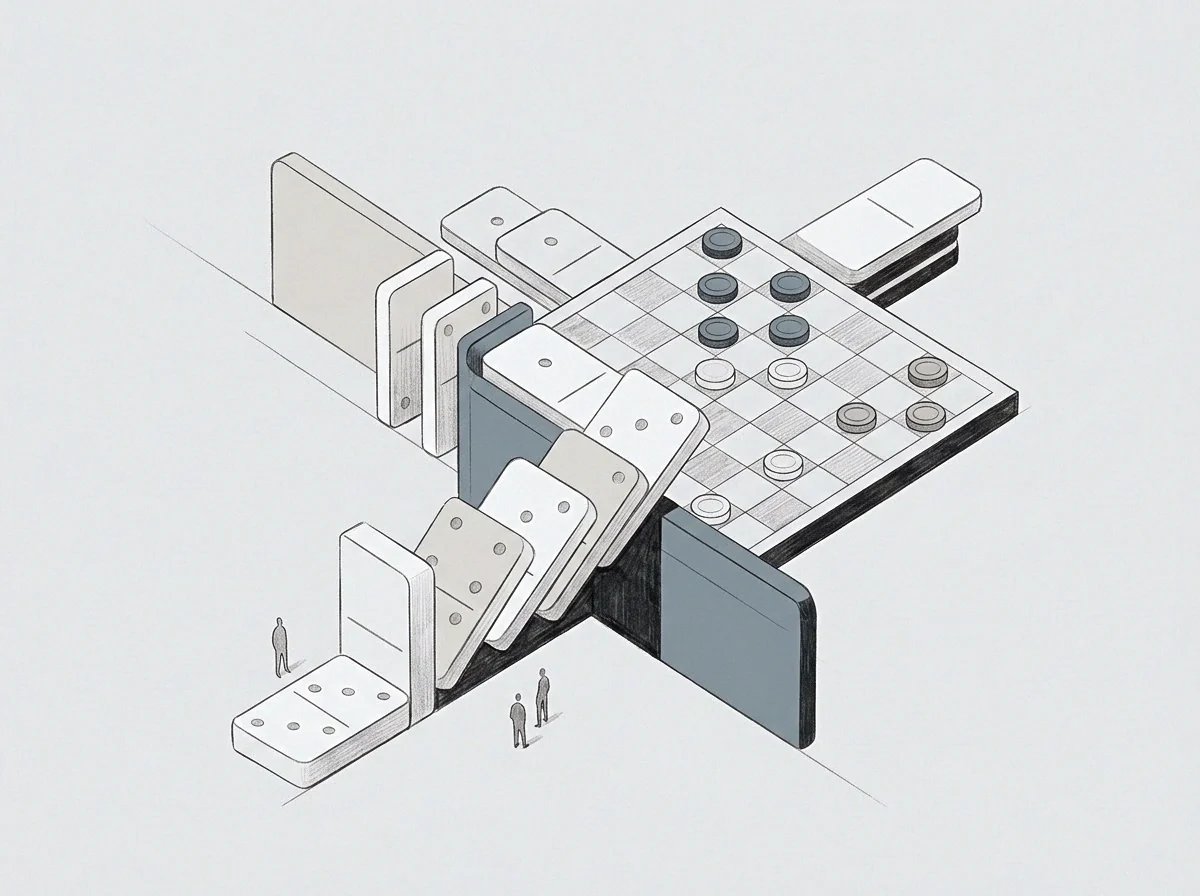
Governance relies on visible indicators to allocate capital and plan headcount. When technical output flows through undocumented individual effort, internal dashboards report an efficiency the team does not actually possess. The technical executive absorbs that deficit in personal hours, masking the spread between current resourcing and true system demands until routine firefighting crowds out strategic governance.
Concealed Engineering Capacity and Governance Signals
Board committees review operating reports to evaluate baseline platform metrics. Because ticket throughput looks healthy, capital planning proceeds on the assumption that platform expansion requires minimal payroll additions. In reality, the technical lead bridges the shortfall by acting as chief architect, release engineer, and infrastructure operator all at once, without recording any of those distinct operational roles.
Unrecorded work keeps the staffing deficit out of view.

The Operational Gap Between Output and System Health
Software delivery schedules obscure platform fragility when manual workarounds prop up build pipelines behind the scenes. Mid-level developers submit code against unstable test environments, relying on executive intervention to fix staging failures. This dynamic delays the identification of missing technical competencies within the core engineering staff, leaving a structural resource deficit disguised by high individual competence.
A system maintaining normal operational delivery through unrecorded technical labor conceals its true headcount requirements from governance oversight.
Technical executives who routinely patch over structural gaps obscure what platform maintenance actually costs. Corporate boards read stable service level agreements as proof of team adequacy, while the technical partner spends executive hours on routine maintenance tasks.
On paper, current engineering headcount appears sufficient to meet platform expansion targets without additional hires.

Mask
Technical obscuration occurs when individual executive competence overrides formal execution processes. High technical proficiency enables an executive to bypass ticket triage, automated build pipelines, and documentation standards to resolve immediate platform issues. Rapid intervention keeps performance metrics high while preventing the organization from detecting systemic skill shortages, leaving the underlying infrastructure fragile and dependent on unrecorded intervention.
Off-ticket operational tasks accumulate quietly outside sprint planning.
When an executive handles database optimizations and pipeline refactoring in isolation, middle management remains unaware of system dependencies. Team velocity metrics capture completed user stories without reflecting the unbilled operational labor required to support them, creating the false impression that platform operations are sustainable on lower payroll.

Tactical Interventions Distorting Structural Metrics
Executive software updates resolve short-term service disruptions while creating operational blind spots. Every manual patch applied directly to production environments bypasses the feedback loop necessary for proper resource allocation. Engineering managers miscalculate sprint capacity, assuming that squads maintain production environments independently, while the true cost of platform stability remains unaccounted for in corporate budgets.
The apparent operational stability holds only on paper.
What indicators reveal unrecorded technical output?
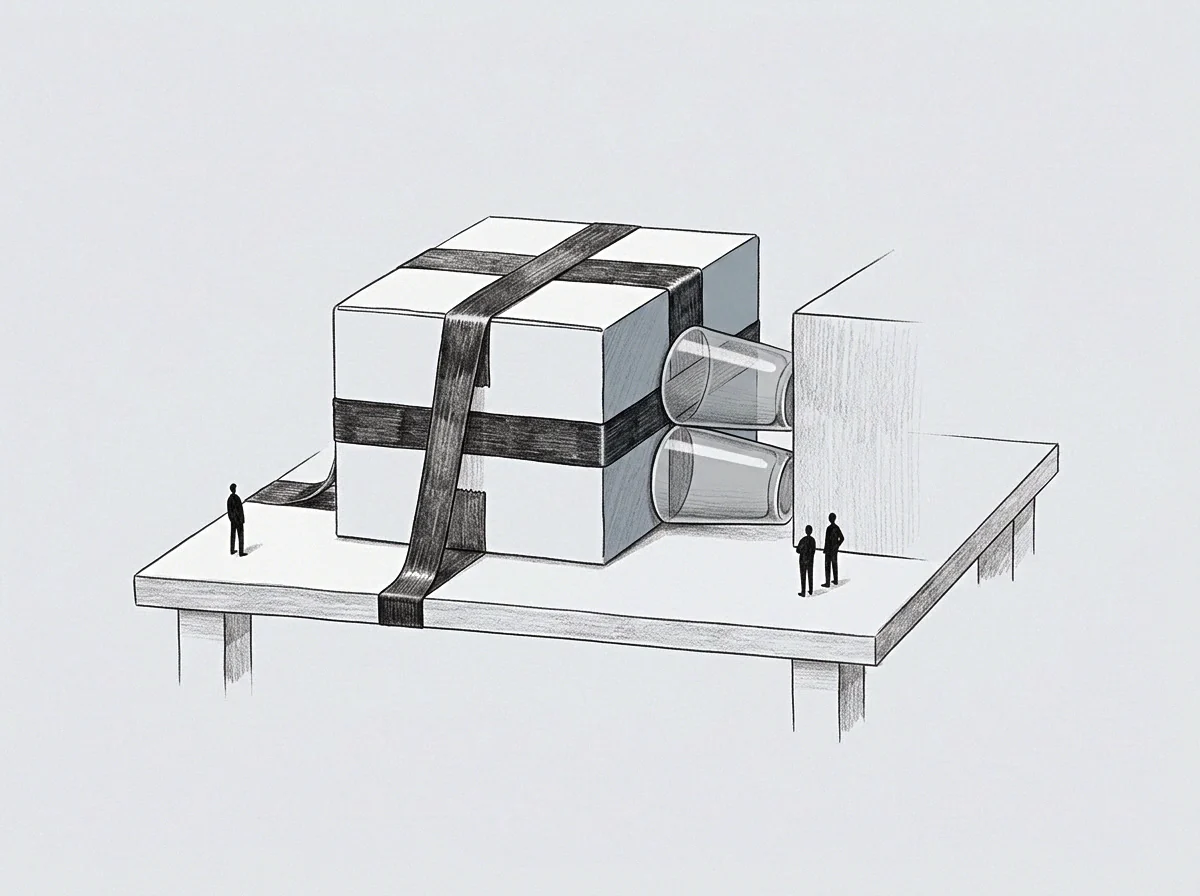
Discrepancies between official sprint capacity and production stability highlight implicit executive labor. When release notes contain system improvements that correspond to no open project management tasks, undocumented effort is supporting the software deployment pipeline. On-call response logs frequently reveal executive involvement in primary incident resolution, indicating that escalation protocols lack qualified secondary engineering support.
High platform availability paired with low reported engineering headcount signals structural resource deficits absorbed by executive overtime.
Functional ownership requires distinct operational roles rather than ad hoc executive rescue.
Masked engineering environments produce systemic vulnerabilities across technical, operational, and structural levels. The following list identifies specific weaknesses created when executive competence covers resource gaps:
- Invisible Infrastructure Maintenance occurs when underlying system deployments depend on undocumented scripts executed manually outside release windows.
- Distorted Burnup Metrics emerge as ticket velocity reflects personal executive output rather than true team capacity.
- Tacit Escalation Pathways bypass secondary technical leads, preventing middle engineering tiers from developing operational ownership.
- Deficit Compounding accelerates when budget allocations assign capital to non-technical functions under assumptions of technical sufficiency.
When an unrecorded technical intervention clears a production bottleneck, delivery velocity rises while structural engineering debt increases.
The accumulation of unrecorded technical labor limits organizational growth by tying system stability to personal executive availability. Operational scaling stalls when platform maintenance relies on tacit executive knowledge rather than resourced engineering teams.
Leaving engineering resource deficits covered by executive interventions results in immediate system instability, product release failure, and severe staff attrition when executive patching stops.
Audit
Diagnostic evaluation of software operations demands separating individual executive labor from team throughput. Governance boards establish visibility into actual engineering output by auditing operational workflows and task assignments. Quantifying unrecorded tasks translates hidden intervention into explicit engineering hours, allowing governance bodies to recognize resource gaps and allocate budget appropriately.
Actual team capacity sets the ceiling on sustainable engineering output.
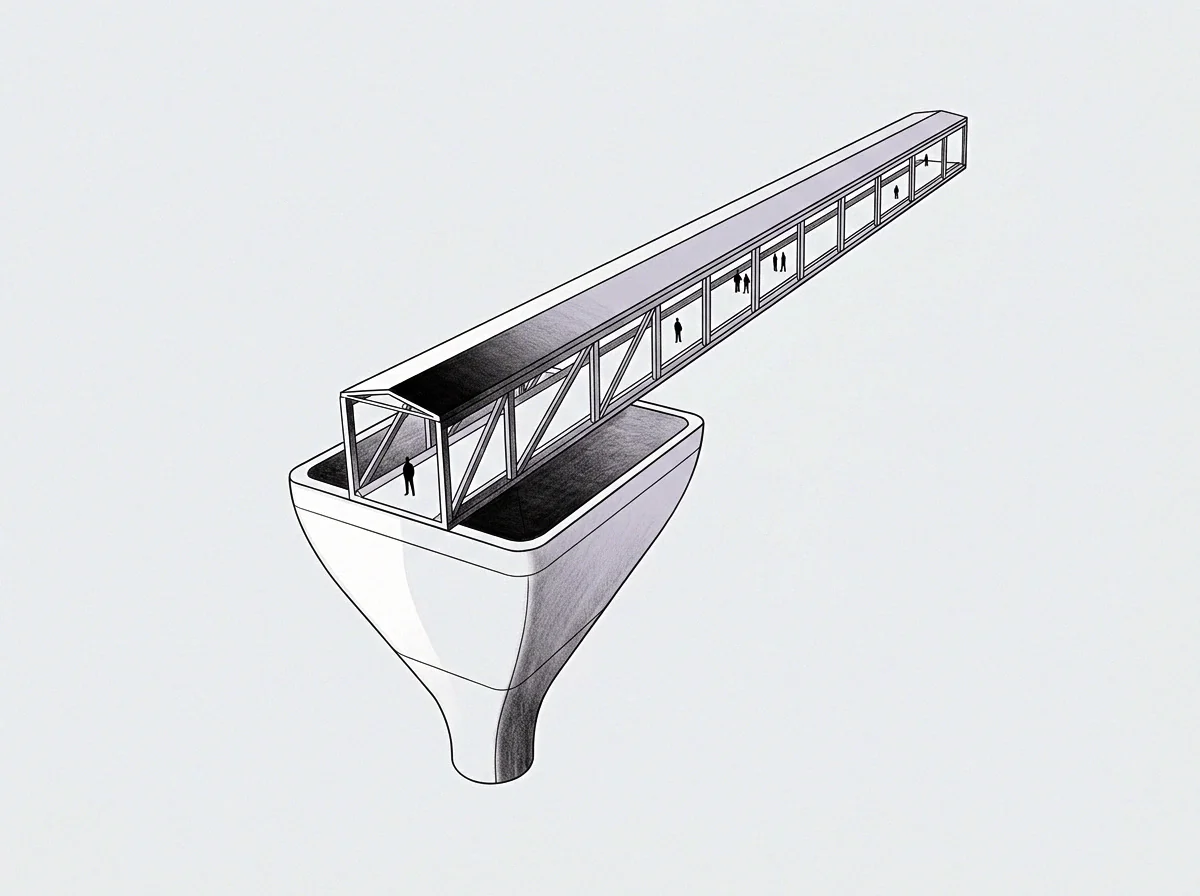
Measuring tacit technical labor involves tracking every system intervention, code review, and infrastructure deployment performed by executive personnel. When an executive spends twenty hours per week writing core application code, those hours represent half a full-time engineering position missing from the organizational chart. Governance oversight converts these hidden hours into explicit resource demands.
Measuring Tacit Technical Labor
Time tracking practices capture undocumented operational hours spent on platform maintenance. Technical executives record all direct production interventions, repository commits, and escalation handling over a designated operational period. This data provides corporate boards with direct evidence of structural staffing shortfalls.
Unresolved tickets accumulate once untracked executive triage stops.

Structural Resource Accounting and Metrics
Comparing masked execution states against structured operating models demonstrates the financial necessity of explicit budget allocations. The table below details operational differences between environments relying on executive patching and those operating with resourced engineering capacity:
| Evaluation Criteria | Masked Technical Execution | Resourced Structural Engineering |
|---|---|---|
| Velocity Tracking | Includes unbilled executive commits and manual overrides | Reflects resourced engineering team capacity exclusively |
| On-Call Burden | Absorbed by technical executive as primary escalation point | Distributed across tier-two and tier-three engineering shifts |
| Architectural Documentation | Stored as tacit knowledge within executive memory | Maintained in central code repositories and system runbooks |
| Financial Cost Modeling | Understates engineering payroll while overstating margins | Accurately projects true engineering costs for platform scale |
Transparent records of unallocated technical labor reveal the systemic headcount deficit previously absorbed by individual effort.
Quantitative analysis of technical labor distribution exposes the true operational cost of software platform maintenance. Governance committees that utilize these comparisons realign capital deployment strategies to support sustainable engineering infrastructure.
A formal capacity agreement specifying that executive technical interventions will cease within sixty days forces the governance board to authorize immediate hires for missing senior engineering roles.

Step
Transitioning governance away from executive technical reliance relies on structured operational decoupling. Organizational governance establishes formal operational boundaries that limit executive access to production deployment pipelines. Transferring technical duties step-by-step from executive hands to engineering teams surfaces underlying capacity limits immediately, compelling corporate boards to fund necessary engineering roles.
Deployments stall the moment unrecorded executive workarounds are withdrawn.
Decoupling executive labor from platform stability involves revoking emergency administrative access and delegating system management to squad leaders. When technical executives step back from daily maintenance, delivery schedules adjust to reflect real engineering bandwidth. Governance bodies gain accurate baseline performance metrics required for long-term strategic planning.
Decoupling Governance Evaluation From Personal Labor
Performance criteria for technical leadership prioritize organizational capacity over individual code contributions. Board members evaluate technical executives on their ability to build high-performing engineering teams rather than personal pull request volume. This institutional reorientation aligns executive incentives with long-term platform resilience.
Documented operational metrics provide the only reliable basis for governance decisions.

Establishing Stated Terms for Engineering Resourcing
Formalizing resource requests involves presenting transparent operational data to oversight committees. The sequence detailed below outlines the precise protocol for converting tacit technical work into explicit organizational budget allocations:
- Tacit Work Logging establishes an exhaustive record of unscripted deployment fixes, emergency patches, and manual architectural overrides over a thirty-day operational window.
- Capacity Floor Definition fixes the minimum engineering headcount required to maintain operational stability without executive technical intervention.
- Governance Budget Realignment converts identified manual labor hours into explicit line-item payroll allocations presented directly to oversight committees.
- Access Restriction Protocol enforces standard engineering permissions, requiring emergency interventions to pass through formal change-management channels.
An engineering capacity plan that relies on unbilled executive overtime represents a structural liability rather than operational efficiency.
Enforcing standard change-management protocols ensures that platform demands are met through resourced engineering squads rather than individual executive efforts. This transition establishes sustainable operational practices across the technical division.
An engineering organization achieves governance health when platform availability remains constant despite the total absence of executive technical commits.

Remainder
Post-transition technical execution exposes the permanent operational space between previous artificial output and true resourced bandwidth. Once executive patching stops, sprint throughput initially declines as resourced squads adapt to the full operational workload. This drop in delivery velocity represents the normalization of engineering metrics to true team capacity, giving the board an accurate baseline for future product roadmaps.
Delivery timelines stretch outward to reflect genuine squad capacity.
Managing stakeholder expectations during velocity normalization demands complete transparency regarding past resource deficits. Technical executives clearly explain that historic velocity relied on unbilled executive overtime that compromised governance clarity. Establishing this reality protects the engineering division from unrealistic delivery demands.
Managing Post-Transition Throughput Adjustments
Sprint velocity recalibration reflects true team capacity once undocumented executive contributions cease. Engineering managers build delivery schedules based on empirical team throughput, excluding executive technical support. Product roadmaps adjust to realistic delivery timelines, preventing quality compromises and technical debt accumulation.
The corporate budget accounts for the real cost of operational stability.
Permanent Operational Boundaries and Governance Discipline
Sustaining organizational health involves continuous enforcement of executive operational limits. Technical executives maintain clear boundaries between governance responsibilities and squad-level execution. Governance boards maintain ongoing oversight of engineering resourcing to prevent the recurrence of unrecorded technical labor.
Institutional structure outlasts individual intervention.
Unlogged technical labor extracts an ongoing operational cost in capacity and clarity.
When governance structures successfully align engineering investment with true operational requirements, technical platforms achieve long-term stability. The organization establishes clear operational visibility, protecting both platform integrity and executive attention.
Whether corporate governance boards will maintain disciplined resourcing commitments when market pressures demand accelerated product delivery without budget expansion remains an open question for scaling technology firms.