Meaning
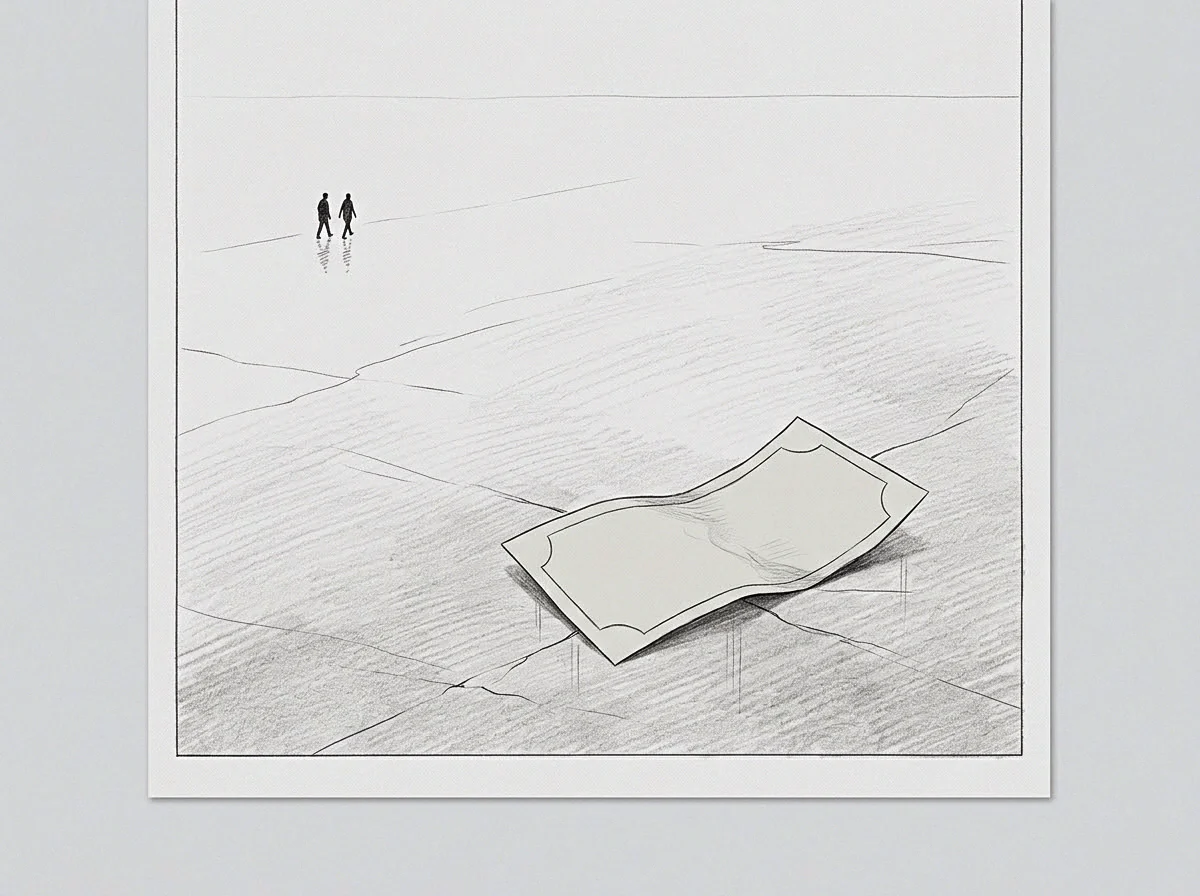
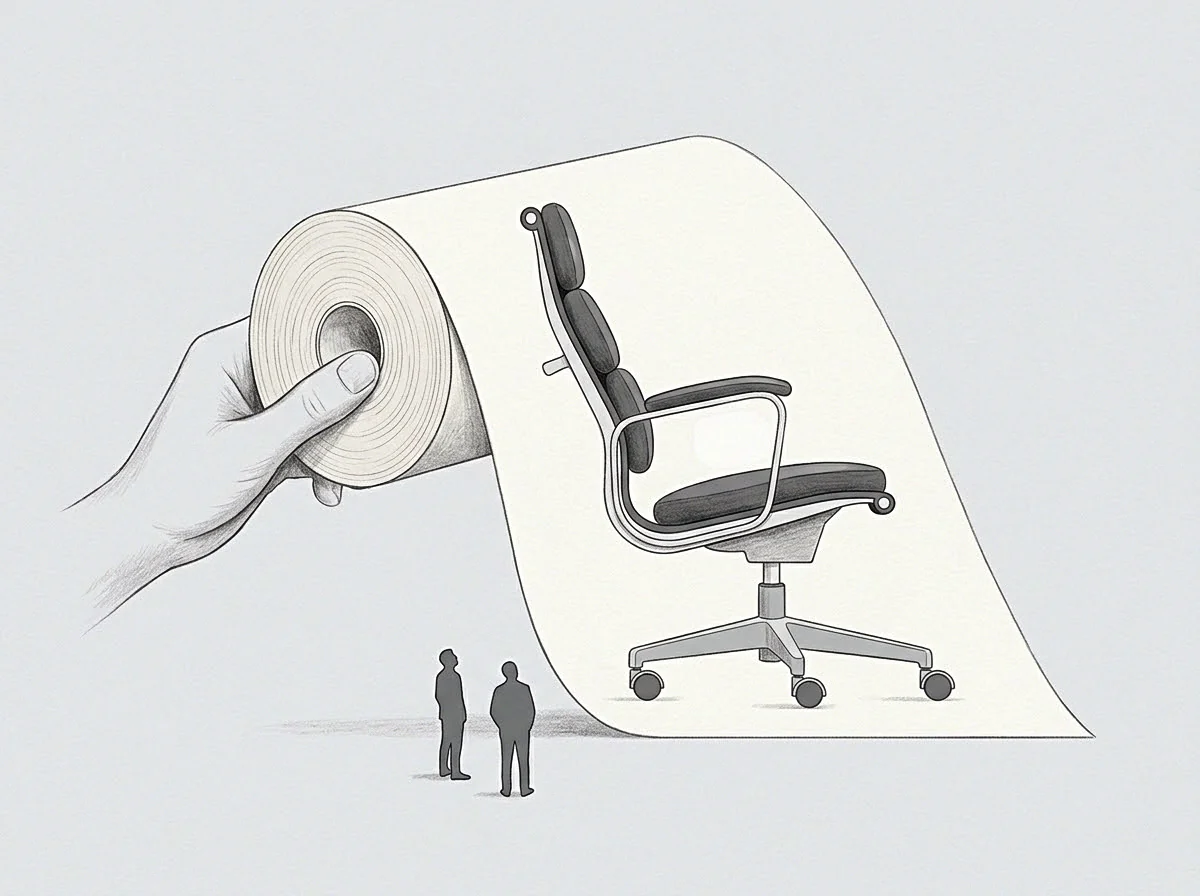
Direct communication routing concentrates all external inquiries through one designated operational seat. A single point contact establishes a strict protocol where customers, suppliers, and internal teams must address every question to a single individual rather than functional departments. This administrative bottleneck prevents conflicting directives from reaching production teams while creating an immediate vulnerability when that specific person steps away.
Operations stall entirely if the incumbent falls ill or departs because no secondary routing exists to catch incoming traffic.
Routing Architecture
Channel consolidation requires an explicit communication tree that maps every incoming vector to the primary coordinator. Information arrives from diverse stakeholders through email, telephone, and ticketing software, where the recipient logs each issue before distribution. Filtering protocols dictate which items require immediate founder intervention and which ones can be resolved using standard operating procedures.
The individual occupying this seat spends hours every day translating technical problems into commercial updates and commercial demands into technical specifications. Communication overhead consumes the afternoon schedule, leaving only evening hours for deep strategic work or product design.
Structural Vulnerability
Operational fragility increases nonlinearly as company headcount grows around the designated intermediary. Stakeholders outside the organization learn to bypass formal channels and contact the coordinator directly for minor queries, inflating the daily ticket volume beyond human processing capacity. Burnout manifests as delayed response times, missed commitments, and deteriorating stakeholder trust across every active contract.
Decision paralysis takes hold when the central coordinator attempts to maintain complete situational awareness without delegating authority to functional leads. Revenue generation halts during severe bottlenecks because prospective clients cannot reach the organization through congested communication channels.
Succession Mechanics
Decentralizing communication requires a deliberate transfer of authority from the primary coordinator to specialized department heads. Transition protocols involve publishing direct contact directories for engineering, sales, and logistics, effectively dismantling the original funnel. Stakeholders resist this redistribution of access because familiarity with one coordinator feels safer than dealing with new department contacts.
Founders often resist this shift because losing direct oversight of daily inquiries feels like losing control over organizational quality. Establishing distributed communication channels eliminates the single point contact and restores operational resilience to the growing enterprise.