Meaning
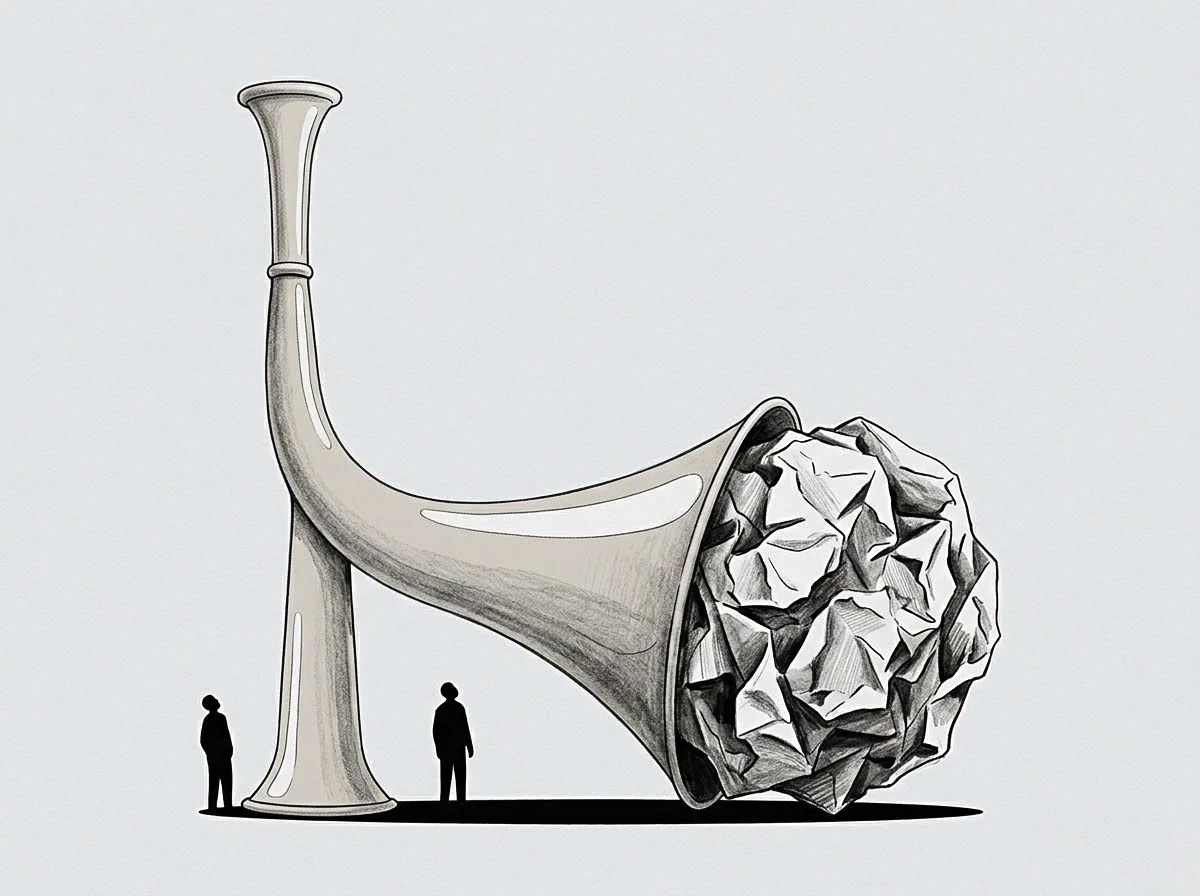
Operational friction arises when the administrative burden of maintaining internal workflows consumes resources intended for product development. System execution drag acts as a drain on founder capacity by forcing attention toward process maintenance instead of market objectives. This condition appears when a firm grows beyond the scale of its original informal practices without adopting necessary automation.
Operational Penalty
Managers who occupy seats after founding notice that technical debt and communication protocols require significant hours to sustain. Excessive reporting cycles absorb the time otherwise available for strategic oversight or resource allocation. Each hour lost to these internal demands reduces the speed at which a company adapts to market conditions.
The cost manifests as a degradation of decision quality because the focus shifts from the external environment to the internal mechanism of the firm.
Structural Impediment
Coordination overhead increases with the addition of staff members, often creating a situation where the architecture of the organization hinders the work it exists to facilitate. Fragmented software tools or redundant review stages contribute to this slowdown by requiring manual alignment between separate teams. Information moves through these channels with lower fidelity, forcing founders to repeat instructions or perform corrective tasks.
Effective scaling requires a periodic audit of these protocols to remove the layers that generate friction without producing value.
Performance Constraint
Sustained administrative overhead limits the ability of an organization to pivot when conditions change. High levels of this friction trap a company in a cycle of maintenance that consumes all spare capacity. Leaders find their influence restricted to resolving bottlenecks within the business architecture rather than driving the product strategy.
The inability to reduce this drag eventually anchors the business to a fixed rate of progress that fails to track with market potential.