
Allocating Calendar Blocks For Tactical Execution And Strategic Oversight
Tactical block protection stabilizes immediate operational delivery while dedicated strategic oversight windows isolate long term capital and governance decisions.
Grid
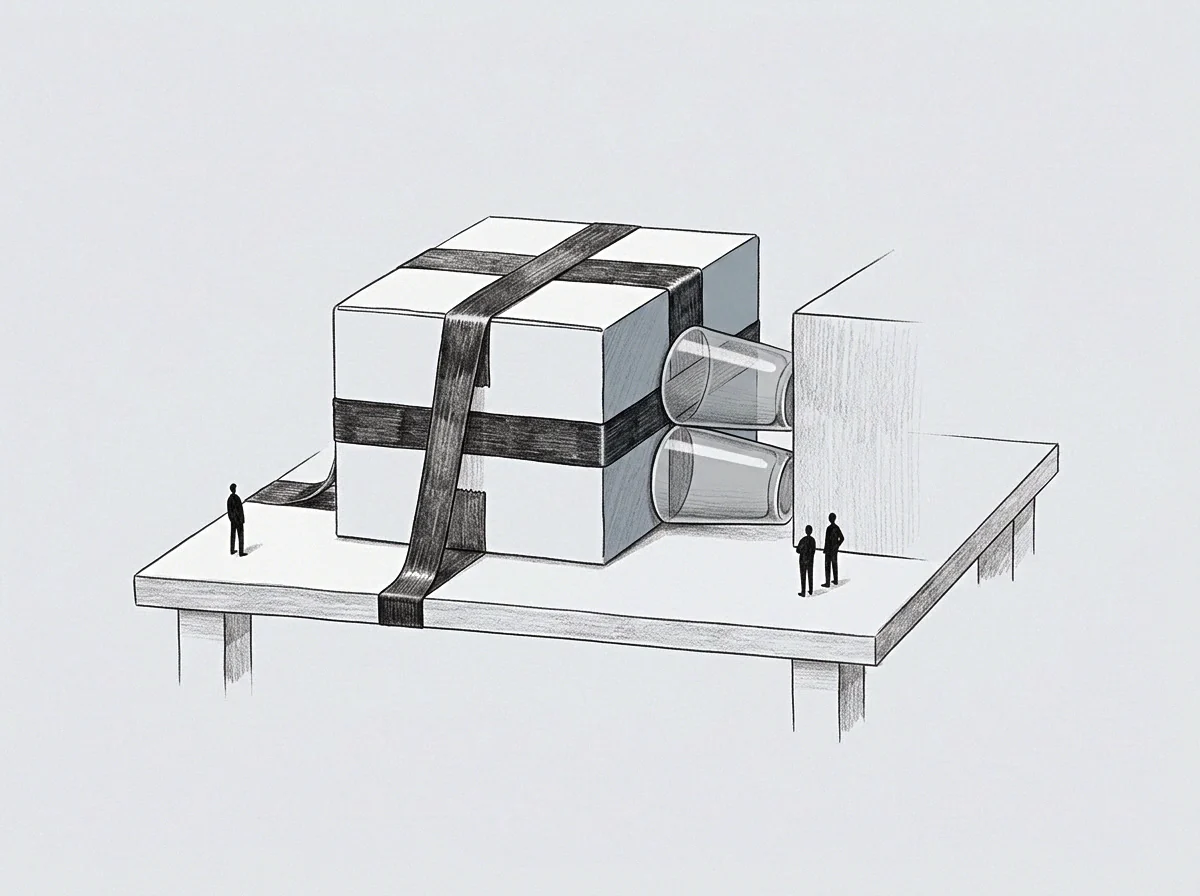
Operational hours divide into distinct cognitive modes that cannot occupy the same calendar space without degrading work quality. Tactical execution requires constant availability, frequent context switching, and fast feedback loops to keep current production moving. Strategic oversight requires quiet, low-frequency blocks dedicated to evaluation, capital allocation, governance, and systemic risk assessment.
When an owner-operator mixes these functions on an open schedule, reactive work displaces strategic planning every time.

Distinction Between Tactical Loops and Oversight Hours
Production cycles carry immediate external pressure. Customer issues, deployment failures, and team bottlenecks demand quick intervention. Strategic analysis carries no such urgency.
A delayed capital review or organizational redesign rarely triggers a midnight alert, so unassigned calendar hours naturally fill with immediate operational noise.
Schedule allocation reveals underlying choices, as unmanaged calendar space routinely fills with reactive work and immediate operational tasks.
A worn seat develops when a founder handles the responsibilities of a senior technician, an operations manager, and an equity holder without clear boundaries between roles. The technician seat measures throughput in closed tickets and deployed code. The manager seat tracks team coordination and process stability.
The founder seat focuses on structural alignment, runway preservation, and long-term positioning. Carrying all three roles without strict time boundaries produces constant role conflict.
An unallocated morning defaults to the loudest operational request within six minutes of arrival.
Mixing execution and governance within identical time blocks triggers predictable structural failures across small operating environments:
- Reactive Displacement occurs when urgent operational tasks crowd out governance blocks because external stakeholders enforce immediate tactical deadlines.
- Cognitive Fragmentation develops when rapid switching between technical troubleshooting and resource allocation degrades the analytical depth applied to both.
- Tacit Concentration deepens when the operator continues executing routine work directly rather than documenting standard procedures for team transfer.
- Governance Drift surfaces when executive evaluations are repeatedly deferred until an operational crisis forces emergency intervention.
When tactical commitments consume the full calendar, strategic oversight shrinks to an after-hours exercise done during cognitive exhaustion. The result is an operating model locked into current limitations, unable to shift capital or alter course.

Seam
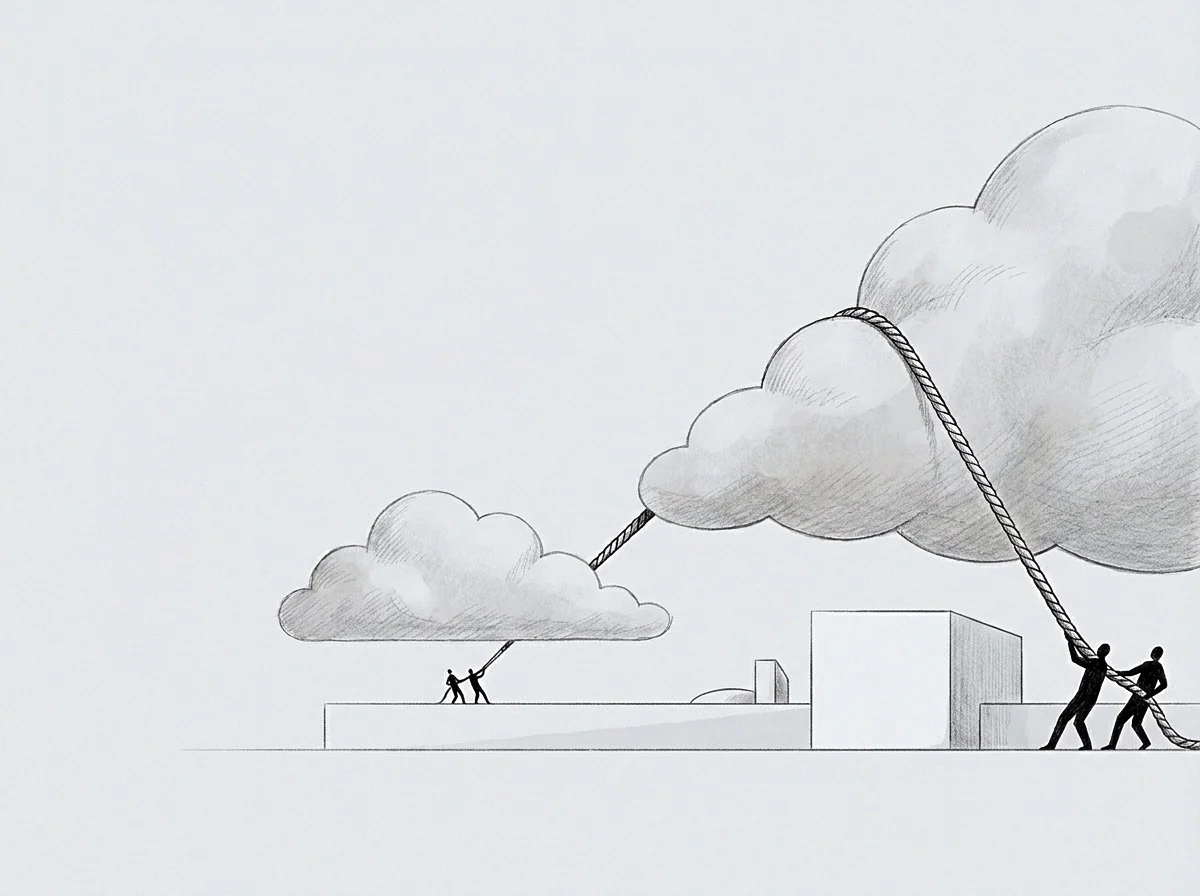
Separating operational execution from long-term governance requires clear structural boundaries rather than vague managerial intent. Strategic blocks need fixed hours, defined inputs, and expected outputs. Treating oversight as a flexible drop-in task guarantees it will disappear during operational surges.
Structural Properties of Executive Operating Blocks
The operational demands of execution differ completely from strategic governance across every key parameter. Establishing these distinctions in advance keeps tactical habits from bleeding into oversight hours.
| Parameter | Tactical Execution Block | Strategic Oversight Block |
|---|---|---|
| Primary Objective | Maintain current operational throughput and process output | Evaluate capital efficiency, system design, and role structure |
| Time Horizon | Hours to days | Months to quarters |
| Interruptibility | High tolerance for real-time notifications and external demands | Zero tolerance for operational interruptions or real-time comms |
| Cognitive Mode | Convergent, execution-focused, procedural decision making | Divergent, analytical, structural evaluation and modeling |
| Evaluation Metric | Ticket closure rate, task completion volume, production uptime | Resource reallocation accuracy, risk mitigation, structural clarity |
A functional calendar reserves specific morning or full-day blocks exclusively for strategic evaluation. During these windows, communication channels stay muted, operational dashboards remain closed, and direct access by execution personnel is paused. Without hard constraints, the immediate feedback loop of tactical work breaches the block boundary.
When context switching between production and governance exceeds three instances in a single day, strategic cognitive output drops to operational routine.
Holding a strategic block requires explicit entry criteria. An executive session begins with a written agenda containing three structural questions regarding capital, systems, or team allocation. If no specific analytical focus is set before the session, the block is canceled and converted to explicit rest rather than allowed to drift into passive task monitoring.
A standing rule requires that any strategic block preempted by an operational emergency must be rescheduled within forty-eight hours or logged as executive debt.

Tally
Tracking actual time expenditure against role obligations reveals the real balance between tactical labor and executive oversight. Most founders estimate an equity-level allocation of thirty percent, but calendar audits show actual strategic engagement falling below five percent of working hours. Uncounted operational tasks and unstructured management explain most of the gap.
Which Temporal Triggers Demand Block Restructuring?
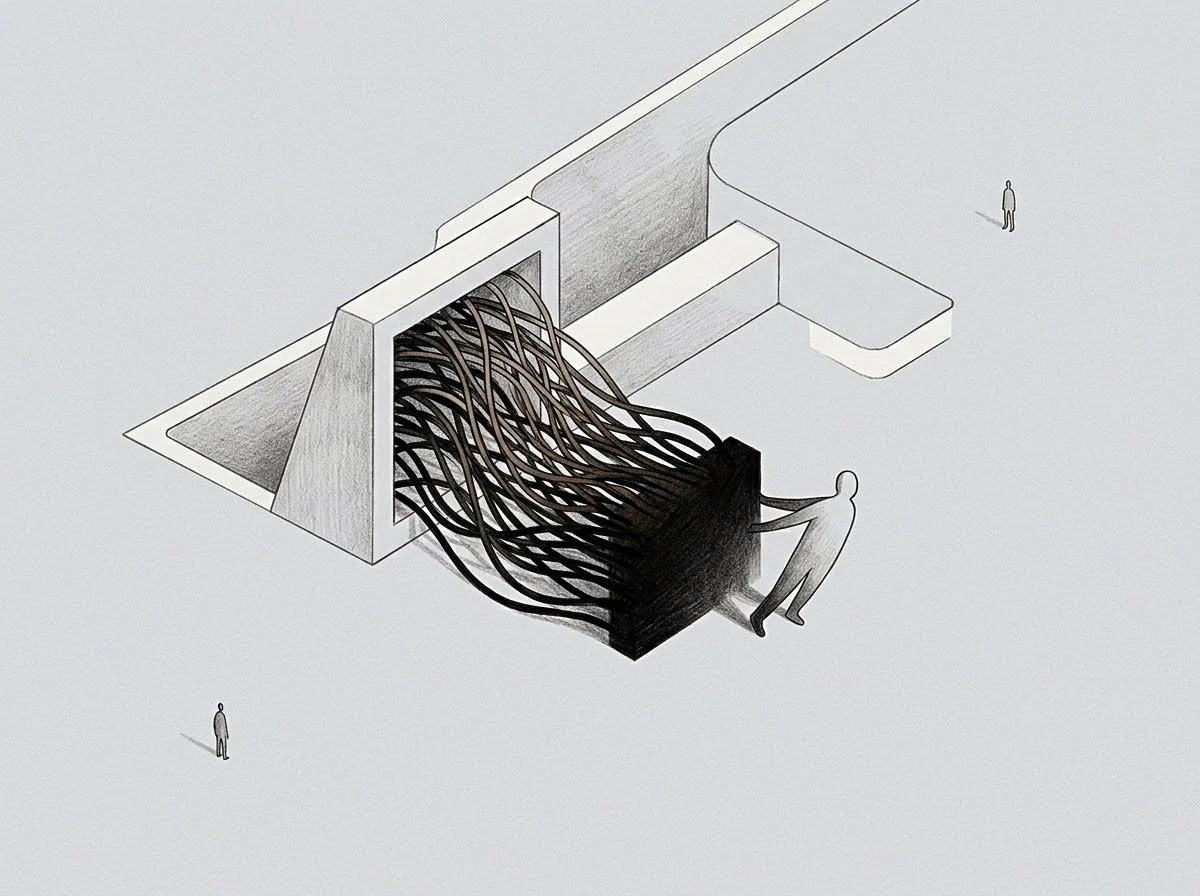
Internal calendar allocations require immediate revision when operational growth increases organizational complexity. Expanding headcount creates communication overhead that enlarges the manager seat at the direct expense of both technician and founder roles.
Three operational events demand immediate, formal calendar re-allocation:
Team Threshold Expansion occurs when headcount rises past seven direct reports. Unstructured direct management then consumes remaining strategic blocks, forcing the operator to formalize delegation or reduce technical execution hours to maintain balance.
Capital Re-allocation Events take place during funding rounds, debt restructuring, or major capital asset acquisitions. These phases require dedicated multi-hour oversight blocks daily, necessitating a temporary step-back from technical delivery commitments.
System Bottleneck Saturation manifests when product delivery delays stem directly from founder involvement in technical sign-offs. Resolving the bottleneck demands converting technical execution blocks into documentation and handover sessions to clear the queue permanently.
Strategic blocks locked behind operational deadlines yield no reflective analysis before total technical capacity is restored.
Role conflict scales with headcount when calendar blocks remain static. A founder who continues managing primary support escalations while attempting to design corporate governance risks failing in both areas. Rising complexity requires an explicit reduction in tactical time allocations.
A reliable standard dictates reducing tactical production hours by ten percent for every doubling of organizational headcount until reaching a steady governance schedule.
Span
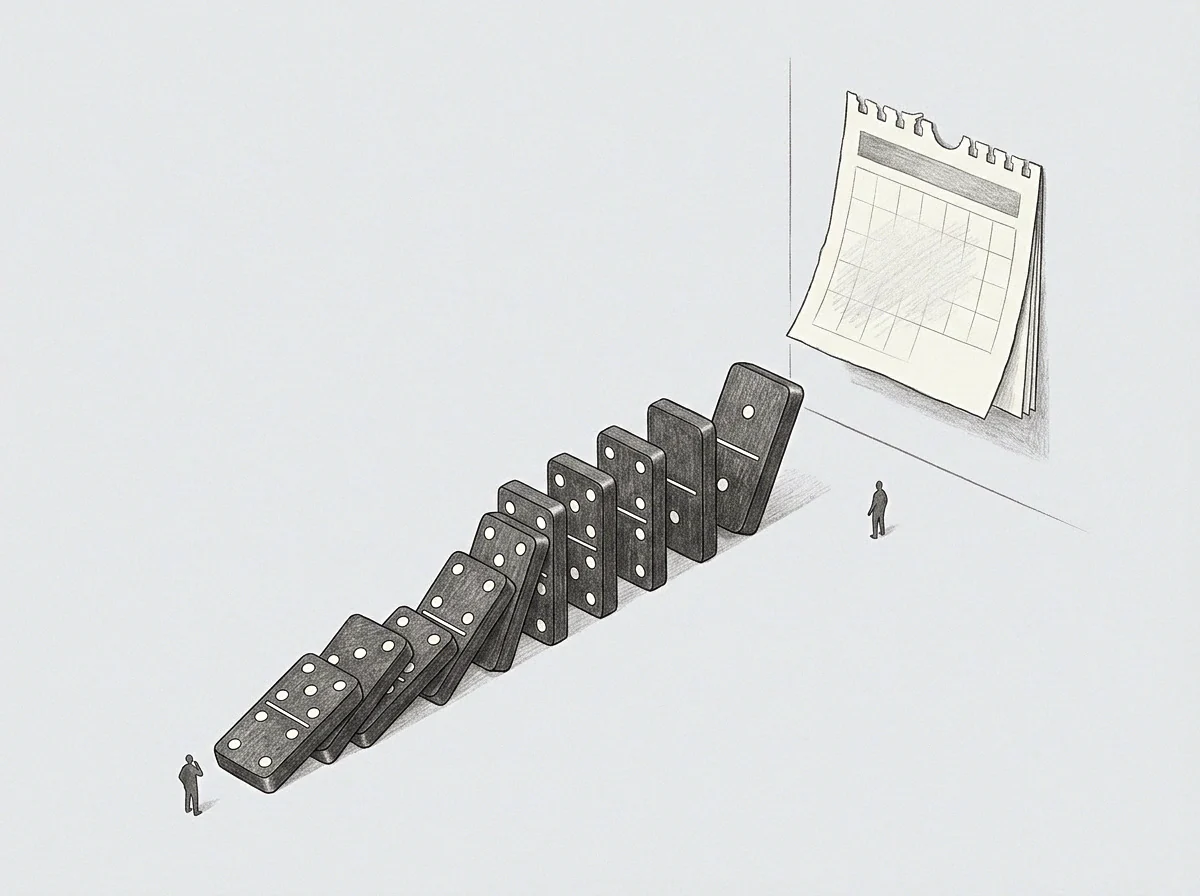
Transitioning from a heavy tactical schedule to a balanced governance calendar requires an explicit, step-by-step procedure. Stopping operational work abruptly creates structural instability, while informal shifts lead to perpetual delay.
Transition Protocol for Owner Operators
Converting worn operational hours into functional executive seats follows a clear sequence over a ninety-day window.
- Log all daily activities in thirty-minute increments for two consecutive weeks to establish a baseline of actual execution versus oversight hours.
- Identify all recurring technical tasks that require specialized knowledge but follow standardized operational rules.
- Draft explicit standard operating procedures for the identified technical tasks, defining unambiguous inputs, expected outputs, and error conditions.
- Delegate primary responsibility for task execution to secondary operators while retaining secondary review authority during a two-week transition window.
- Establish non-negotiable two-hour morning blocks twice weekly dedicated exclusively to structural evaluation, strategic planning, and capital review.
- Measure weekly progress by evaluating whether strategic blocks were defended against operational interference.
During this transition, team members accustomed to instant founder access will attempt to breach newly established oversight blocks. Resolving these interruptions requires redirecting queries to documented procedures rather than providing immediate verbal answers. Every direct answer provided during an oversight block reinstates the original pattern of tactical dependency.
The operational team will inevitably report that immediate client support response times have degraded during the initial weeks of strategic block enforcement.

Plank
Sustaining long-term calendar discipline requires explicit enforcement mechanisms and clear accountability. Consider a software enterprise founder attempting to manage fifteen hours of governance work alongside thirty hours of direct engineering delivery per week. Assuming a total working capacity of forty-five hours, any operational crisis in software releases immediately consumes the governance hours, leaving executive responsibilities unfulfilled for weeks at a time.

Longitudinal Enforcement of Block Integrity
To prevent operational absorption of governance hours, the founder establishes explicit terms for block protection. Strategic windows are anchored on Tuesday and Thursday mornings from eight until eleven. Operational communication channels remain completely muted during these periods.
Emergency escalations require phone contact from a designated lead operator, limited strictly to system-wide outages or legal threats.
Reserving dedicated blocks without shifting operational decision authority creates calendar equity without execution relief.
Over a six-month evaluation period, this structured insulation protects strategic oversight capacity. The founder uses these dedicated blocks to re-evaluate vendor contracts, redesign product delivery pipelines, and execute two senior management hires. Consequently, routine technical dependencies on the founder decrease by forty percent, permanently freeing operational capacity and stabilizing executive oversight hours.
Longitudinal calendar management relies on continuous audit rather than initial intention. When an owner operator routinely defends strategic blocks against tactical intrusion, the organization adapts by developing internal operational problem-solving capabilities. When strategic blocks are repeatedly surrendered to immediate fires, the firm remains perpetually dependent on the operator’s personal technical intervention.