Meaning
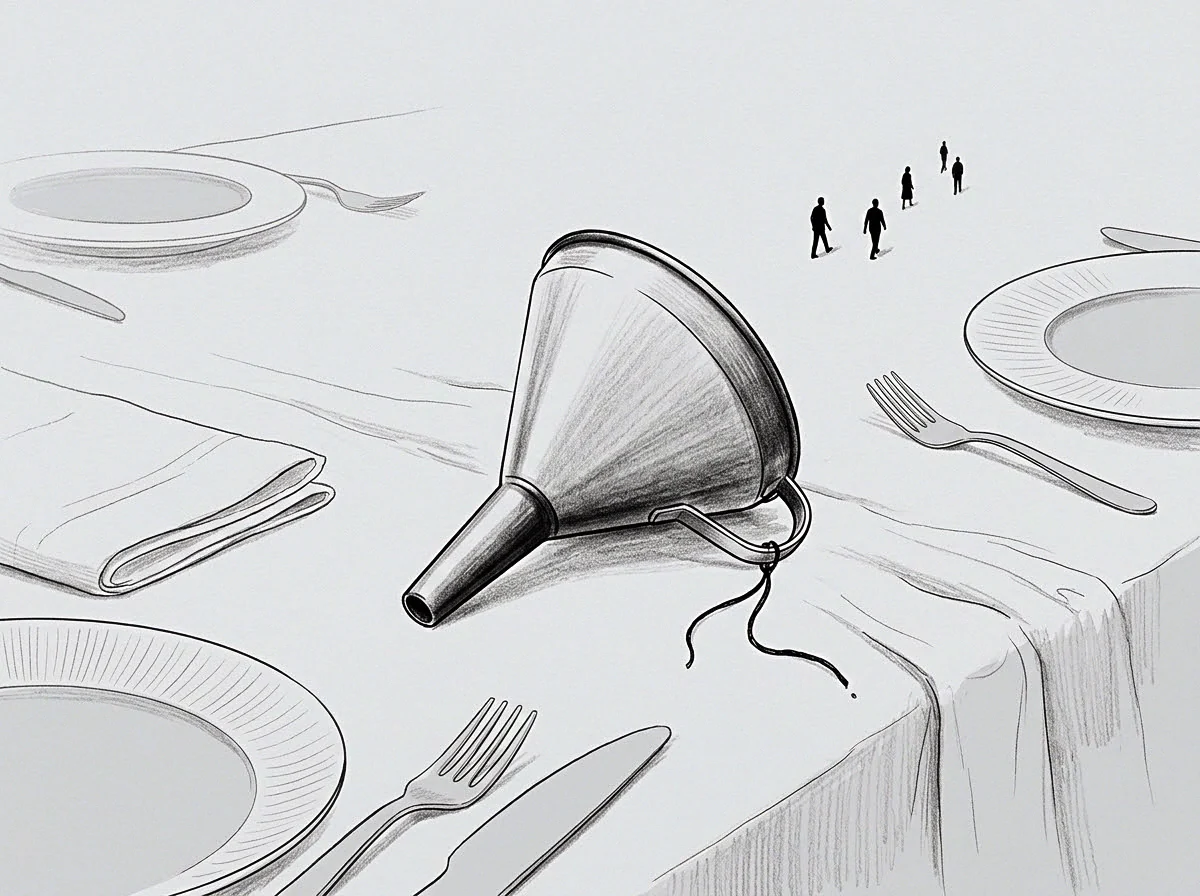
Institutional depreciation describes the silent loss of operational instincts inside the post-founding chair when an executive steps back from daily production. Tacit asset decay measures this exact subtraction of unwritten competence from the board level down to the remaining staff. Years spent solving immediate structural problems build an invisible reservoir of working reflexes that bypass formal documentation.
Stepping away from direct oversight drains that reservoir because no incoming successor can inherit the somatic memory of early crisis resolution.
Operational Erosion
Operational knowledge deteriorates rapidly once the original creator vacates the executive room. Daily decisions rely on heuristics built during early survival phases rather than written manuals. Removing the creator leaves the remaining management team with hollowed routines that lack contextual roots.
Production velocity slows as teams debate choices the previous occupant made instinctively.
Attention Drainage
Residual authority consumes finite mental hours trying to reconcile modern governance with historical precedent. Founders retain phantom ownership over problems they no longer control, which drains the attention capacity required for new ventures. Board meetings become exercises in nostalgia rather than strategic direction.
Value Extraction
Capital markets discount the worth of enterprises that cannot survive the departure of their architect. Investors reprice equity downward when administrative continuity depends entirely on oral history instead of systemic architecture. Enterprise value shrinks in direct proportion to the volume of uncaptured routines lost during leadership transitions.