Meaning
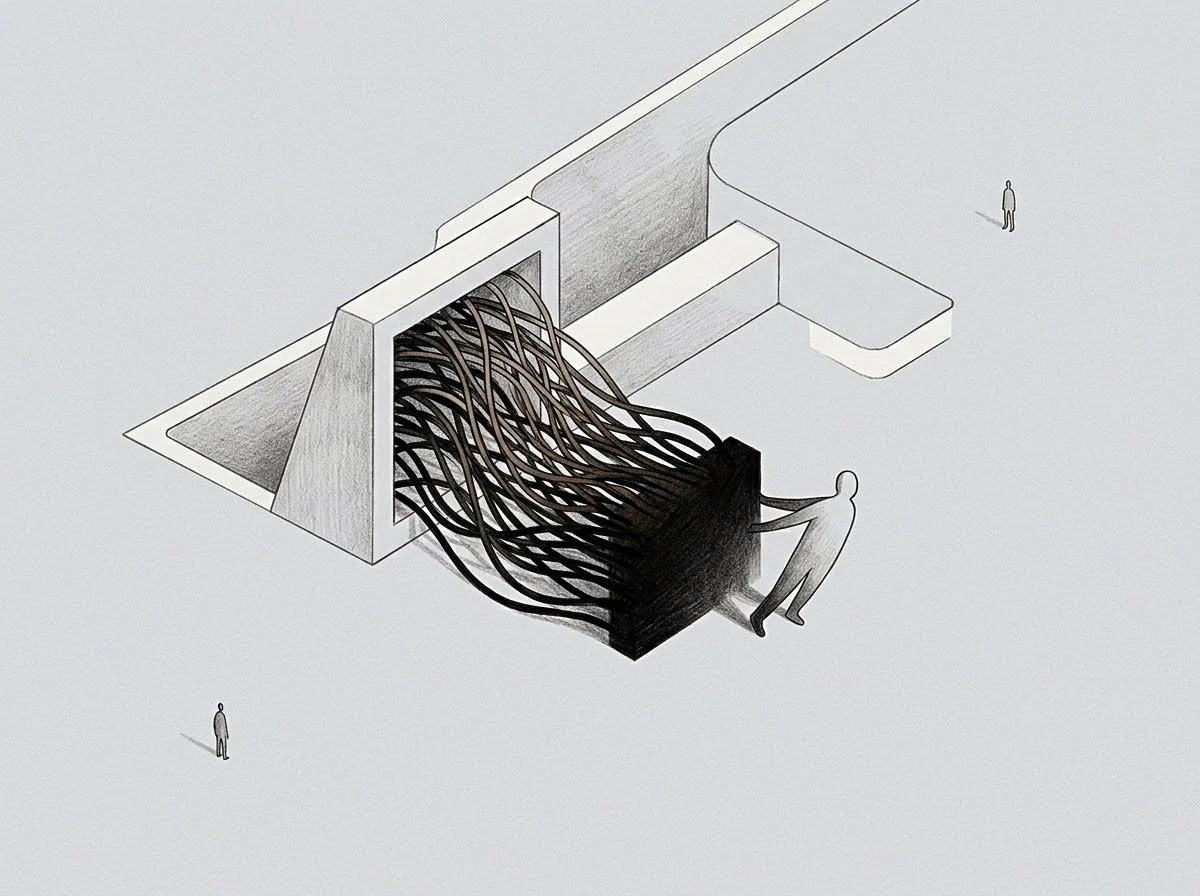
Unspoken resistance arises when the informal limits of authority between a former leader and a new executive are breached during a transition. The phenomenon of tacit boundary friction occurs when roles are not clearly defined in writing and people rely on old habits. It is common in companies where a founder remains on the board while a new chief executive officer takes over.
Role Interference
Interference happens when the founder continues to give orders to staff or vendors who now report to the new executive. This creates confusion among the employees and undermines the authority of the new leader. The cost is a loss of operational efficiency and a decrease in the morale of the management team.
Unstated Authority
Stress on the new executive increases when they feel they are being watched or second guessed by their predecessor. Under the weight of tacit boundary friction, the management team may struggle to implement new strategies. The energy required to navigate these unstated rules is substantial and distracts from the work of growing the business.
This friction can eventually lead to the resignation of the new executive if the founder does not step back.
Conflict Resolution
Resolution of these issues requires a formal conversation and a commitment to new rules of engagement. By making the tacit boundaries explicit, the organization can move past the conflict and focus on its goals. A founder who successfully navigates this stage allows the company to enter a new period of professional management.