
Quantifying Strategic Capacity Loss From Informal Operational Role Boundary Collapse In Complex Enterprises
Informal role boundary erosion forces senior executives into operational task absorption, draining strategic hours through unbudgeted context switching.
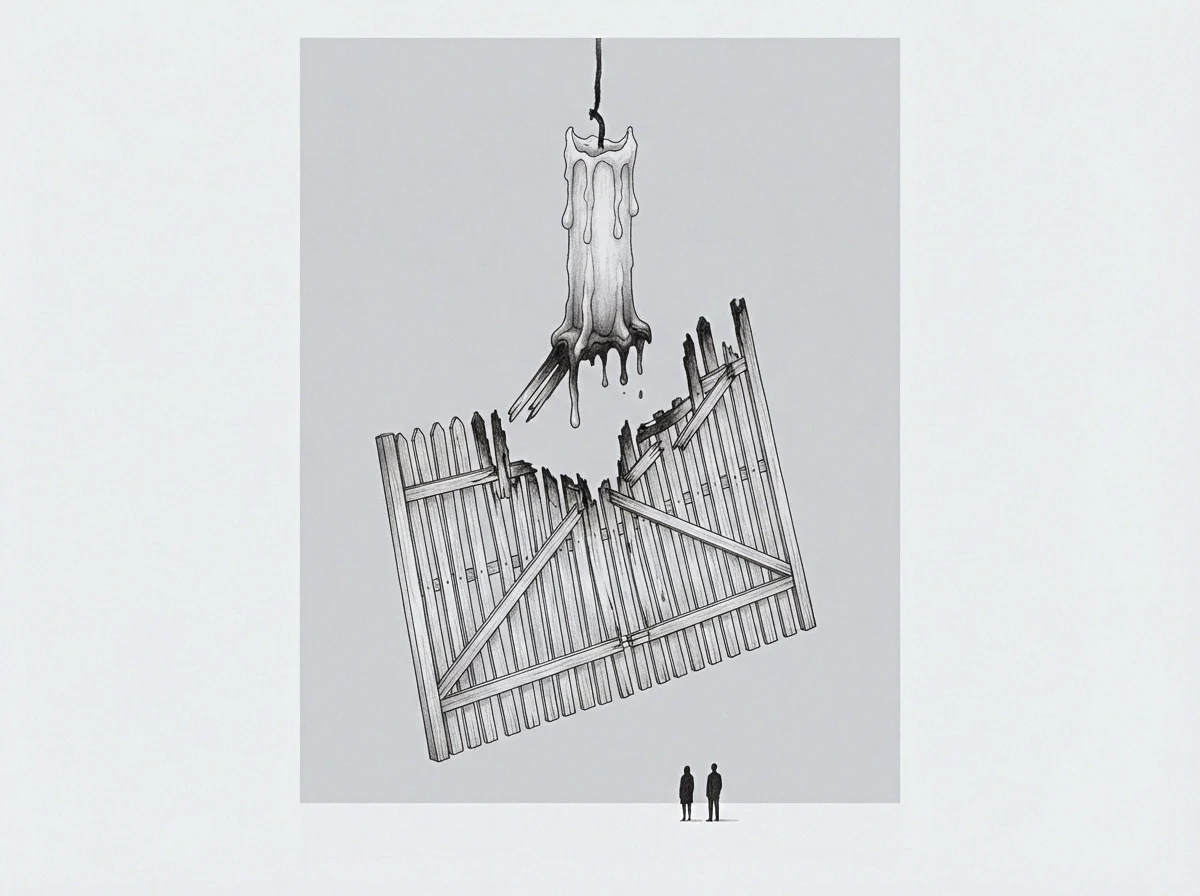
Trap
The operational crisis hits at nine on a Tuesday evening. An enterprise customer platform experiences an unresolved API timeout failure, and senior software engineers escalate directly to the chief executive. The chief executive spent the previous six hours building commercial partnerships, yet immediately shifts focus to triaging database logs, editing deployment scripts, and coordinating patch releases until two in the morning.
By dawn, the technical fault resolves, but the scheduled quarterly capital allocation review stays unwritten. This sequence repeats weekly across growing enterprises. Operational friction bypasses front-line managers and lands in executive laps because no clear boundary stops tactical work from moving upward.
Enterprise capacity degrades silently when role lines blur. Without firm boundaries around operational positions, tactical fires pull senior leaders into constant short-term troubleshooting. Strategic planning, risk evaluation, and capital allocation require long stretches of uninterrupted attention.
Operational interventions break those blocks into brief, frantic intervals. Over months, informal task absorption turns strategic seats into high-priced backup operational seats.
The schedule registers every escalation while strategic work disappears into tactical resolution.
Complex organisations depend on informal flexibility during early growth. Early teams share responsibilities without formal documentation, relying on proximity and tacit agreement. As an enterprise scales, this habit creates structural fragility.
Positions retain loose definitions while operational volume multiplies tenfold. Front-line staff notice executive availability and route ambiguous problems upward rather than resolving them internally. The executive seat becomes an overflow valve for enterprise execution failures.
Cognitive residual load amplifies the physical loss of hours. Interrupting complex strategic analysis to handle an operational disruption leaves lingering mental friction. Returning to deep analytical work after an abrupt context switch takes measurable time.
An executive who spends two hours resolving a vendor dispute loses those two hours directly, plus the time spent attempting to regain strategic concentration. The enterprise absorbs the cost through delayed market entries, missed acquisition reviews, and unexecuted strategic pivots.
Informal operational role boundary collapse transforms senior leadership from structural designers into reactive triage operators. When tactical work consistently displaces strategic work, enterprise velocity drops across every division.

Breach
Structural erosion of role boundaries follows consistent operational patterns. Role drift occurs when an enterprise adds organizational complexity without updating position terms. Leaders continue executing tasks from previous seats out of habit, implicit pressure, or perceived speed.
Over time, front-line teams stop developing problem-solving capacity because senior leadership regularly steps in to fix routine errors. The executive seat becomes overburdened while middle management seats atrophy.

Drivers of Informal Boundary Collapse
Role boundary breakdown stems from identifiable organizational habits rather than individual work ethic gaps.
- Tacit Duty Accumulation occurs when unassigned operational tasks default to senior executives due to historical familiarity or broad authority.
- Escalation Pathway Ambiguity develops when middle management lacks clear authority thresholds for resolving operational failures independently.
- Asymmetric Speed Preference emerges when senior leaders resolve front-line operational blockers directly rather than coaching managers through standard resolutions.
- Implicit Performance Norms praise immediate operational heroism while strategic delays remain invisible until quarterly board reviews.
Strategic capacity vanishes when tactical operational escalation becomes the default path of least resistance.
Operational task absorption functions through a capacity substitution loop. Every hour a senior executive spends triaging client support queues, reviewing routine code changes, or negotiating low-tier vendor contracts is an hour taken from long-term platform positioning or balance sheet optimization. Tactical work offers immediate feedback and predictable resolution, making it appealing during periods of high strategic uncertainty.
Executive attention flows toward familiar operational tasks while complex strategic decisions stall.
The internal team adapts rapidly to executive intervention. When a vice president routinely jumps into ticket resolution, lower-tier managers stop taking responsibility for system uptime. Decision rights become ambiguous, operational accountability diffuses, and the organization develops systemic reliance on executive intervention.
What began as an informal gesture of assistance hardens into a structural requirement.
The enterprise incurs a compound penalty through this dynamic. Operational labor costs escalate because executive compensation funds front-line triage work, while strategic growth stalls due to leadership starvation.
When operational boundary erosion goes uncorrected, middle management steps back from final accountability and waits for senior leadership to intervene.

Gauge
Measuring strategic capacity loss demands tracking cognitive allocation alongside direct hour consumption. Standard time-tracking tools capture output duration yet fail to quantify context-switching penalties or lost strategic velocity. Calculating loss requires comparing intended strategic focus against actual operational task absorption.
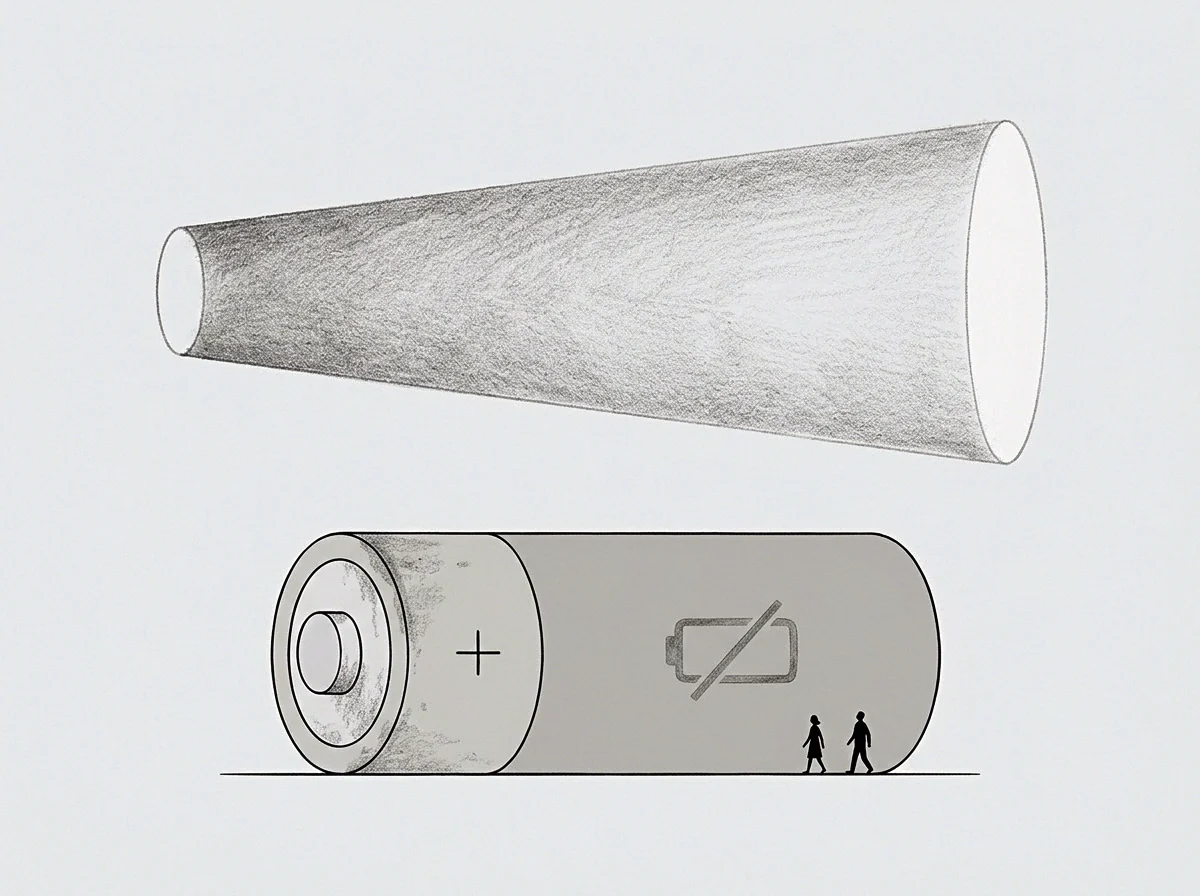
How Does Role Overlap Measure Executive Capacity Loss?
Quantifying role boundary collapse involves mapping operational interferences against strategic deliverables. When strategic deliverables slip while total worked hours rise, boundary collapse is occurring. A structured analysis categorizes leadership hours across three distinct tiers: strategic design, operational oversight, and tactical execution.
| Boundary State | Primary Operational Trigger | Weekly Context Switches | Measurable Strategic Capacity Loss |
|---|---|---|---|
| Unbounded Informal | Direct escalation from front-line staff | Over 45 switches | 65 to 80 percent strategic yield reduction |
| Partially Defined | Unclear managerial approval thresholds | 20 to 45 switches | 35 to 65 percent strategic yield reduction |
| Formally Bounded | Defined governance and SLA boundaries | Fewer than 20 switches | Under 15 percent strategic yield reduction |
| Data reflects enterprise leader capacity measurements across high-growth enterprise operational shifts. | |||
Context switching overhead represents a primary financial drain. An executive shifting focus between high-level M&A evaluation and routine customer service ticket management undergoes severe cognitive reorientation costs. The enterprise pays top-tier compensation for fractured focus, reducing the quality and speed of strategic execution.
A position defined without strict operational boundaries automatically defaults to full tactical absorption.
Opportunity cost metrics expose the long-term impact of boundary erosion. If a chief operating officer spends fifteen hours weekly managing supply chain log updates due to missing mid-level logistics software, the direct cost is fifteen hours of executive time. The true enterprise cost is the delayed opening of two new distribution centers.
Strategic capacity loss must be calculated based on unrealized enterprise expansion rather than simple hourly wage rates.
Formalizing role boundary integrity requires tracking task intake vectors. If more than twenty percent of executive work items arrive through informal messaging channels rather than formal governance reviews, operational role boundary collapse is active.
The specific contract clause establishing explicit decision-rights thresholds converts loose management expectations into an enforceable operational limit.

Belt
Restoring strategic capacity requires structural containment mechanisms that shield executive positions from tactical operational capture. Relying on personal willpower or vague commitments to delegate fails under operational stress. Enterprise architecture must enforce clear role boundaries through formal escalation protocols, explicit governance layers, and hard operational access limits.
Sequence for Re-establishing Executive Boundary Integrity
Rebuilding role clarity follows a sequential systematic process across management layers.
- Audit current executive task intake to identify tactical work items absorbed through informal channels.
- Establish explicit managerial escalation thresholds defining exact financial and operational limits for front-line decisions.
- Transfer tactical execution tool access entirely to operational personnel to eliminate executive direct intervention habits.
- Implement formal weekly governance reviews as the sole intake window for operational resource requests.
- Measure strategic output quarterly, adjusting internal boundaries whenever operational context switches rise above targets.
Service-level interfaces between organizational tiers preserve operational focus. Executive involvement must occur exclusively at designed governance checkpoints rather than through continuous ad-hoc monitoring. When front-line teams face operational disruptions, internal escalation SLAs dictate that local managers exhaust defined resolution protocols before notifying senior leadership.
This structural distance gives front-line managers space to build competence while preserving executive focus for strategic initiatives.
Systemic boundaries require accepting short-term operational errors. When senior leaders stop stepping in to patch routine management failures, front-line mistakes may temporarily increase. This friction is a necessary phase in building organizational capability.
Intervening to prevent minor operational stumbles guarantees long-term strategic paralysis.
Informal role boundaries expanded by continuous intervention can only be contracted through structural refusal to perform lower-tier tasks.
Claim
Reclaiming strategic capacity forces an enterprise to confront trade-offs. Senior leadership must abandon the immediate psychological satisfaction of fixing tactical problems in favor of the slower, less predictable work of strategic architecture. Middle management must accept complete ownership of operational metrics without using senior executive availability as a safety net.
This transition alters the implicit working arrangement across the enterprise.
Clear role terms define what a seat contains and what it explicitly excludes. When an executive seat is held correctly, hours are dedicated to long-term enterprise value creation: platform scalability, market expansion, governance, and talent strategy. Tactical interruptions are systematically blocked by organizational interfaces.
The enterprise pays for strategic direction and receives strategic output.
Operational role boundary collapse remains an active threat as enterprises expand, enter new markets, or restructure divisions. Without continuous boundary enforcement, informal operational pull inevitably drags senior leaders back into tactical triage. The permanent preservation of strategic capacity rests on an enterprise’s willingness to build structural walls around senior seats and enforce them daily.
Structural governance mechanisms determine whether an enterprise protects its leadership capacity when the next operational crisis demands senior intervention.