Meaning
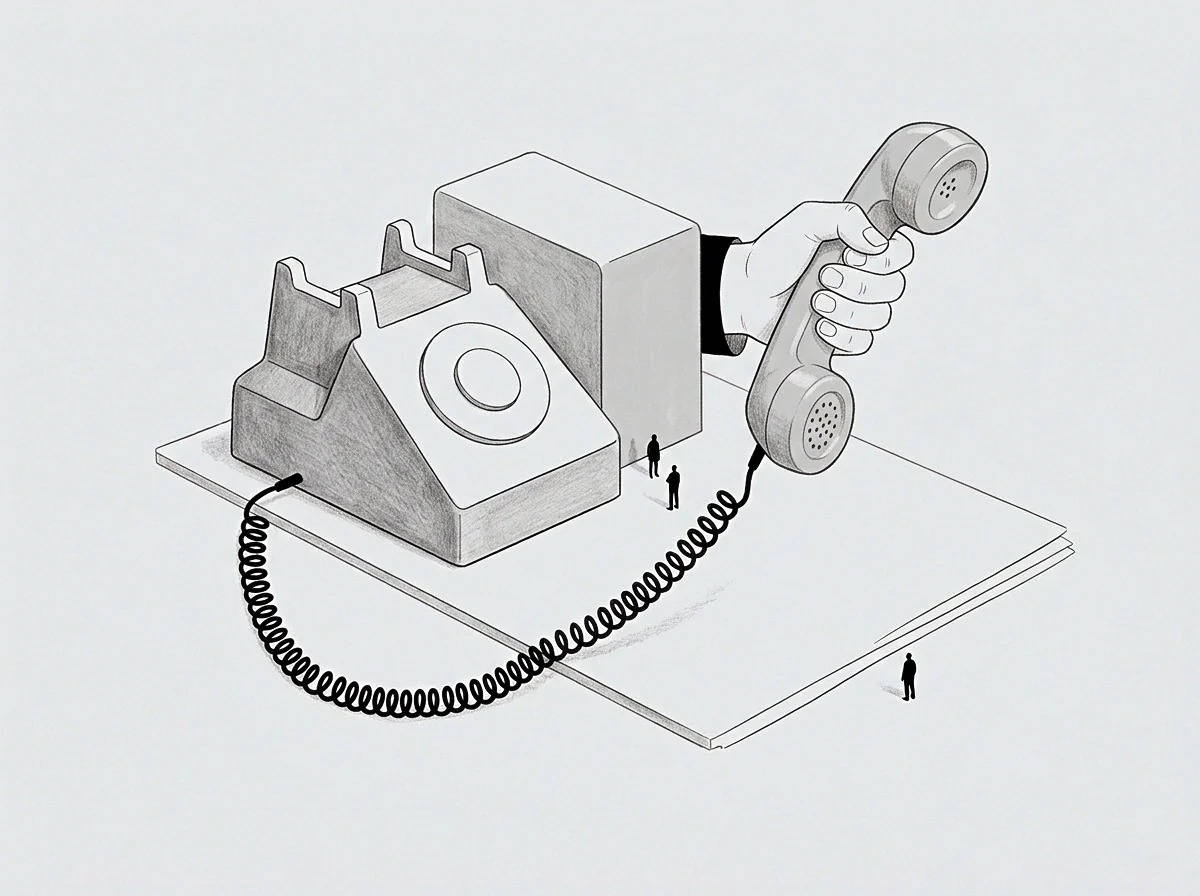
Undocumented architectures, unwritten deployment procedures and unrecorded system dependencies form the operational foundation of many early-stage enterprises. The tacit technical infrastructure encompasses the uncatalogued operational workflows, private root credentials, proprietary scripting tricks and mental maps held solely inside an individual founder head. It governs product deployment reliability, server maintenance stability and incident recovery times throughout initial corporate growth stages.
This condition ends when engineering teams establish formal technical documentation, automated deployment pipelines and redundant operational runbooks that divorce system stability from personal memory.
Systemic Obscurity
Architectural expansion during early software development frequently bypasses formal engineering documentation in pursuit of rapid commercial deployment. This uncatalogued operational environment includes manual database configurations, ad-hoc API integrations and unmonitored security protocols known exclusively to the technical architect. Technical debt compounds silently when undocumented operational fixes patch systemic failures over multi-year periods.
The resulting production environment relies entirely on the continuous availability of the original developer rather than reproducible codebases.
Founder Confinement
Trapped inside undocumented systems, technical founders find it impossible to leave operational seats without risking catastrophic enterprise outages. Holding tacit technical infrastructure demands continuous availability, requiring former technical directors to handle off-hours system interruptions long after their executive positions conclude. The personal cost registers as chronic cognitive load, fractured personal schedules and inability to separate emotionally from daily system operations.
A clean managerial exit remains blocked while production infrastructure requires personal intuition to prevent outages.
Institutional Extraction
Transitioning corporate leadership requires extracting system procedures out of founder memory into standardized technical assets. Engineering teams must conduct comprehensive architectural discovery audits, system mapping sessions and credential revocations to demystify legacy configurations. Automated continuous integration pipelines replace undocumented manual server pushes, while documented database migration scripts eliminate human error risks.
Surviving leadership gains enterprise continuity only when the underlying technical machinery operates independently of original builder participation. Technical architecture must achieve transparent institutional ownership before operational seats can fully separate.