
Codification Limits in Tacit Knowledge Extraction During Operational Handover
Tacit operational heuristics resist text documentation, requiring paired live apprenticeship and phased scaffold removal to transfer diagnostic capability.
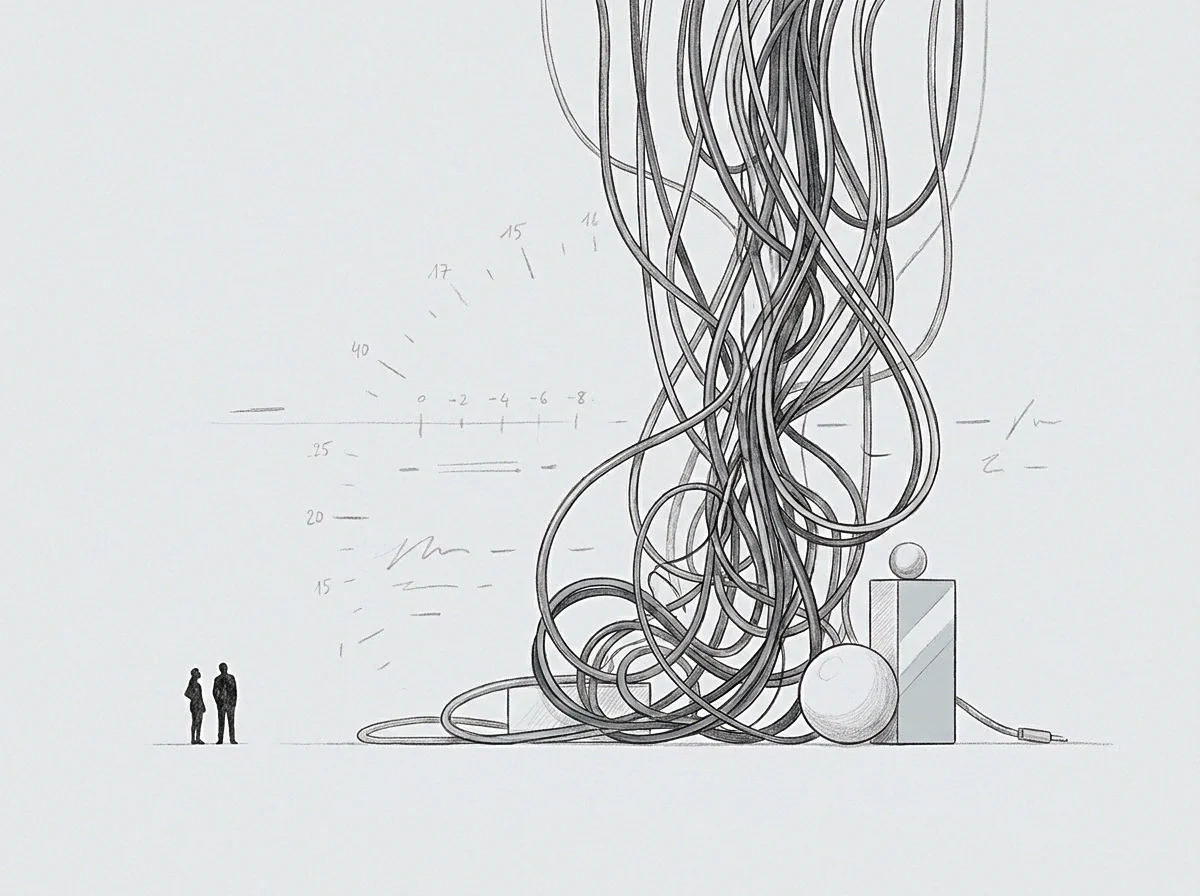
Shelf
The shared storage directory holds four hundred pages of documented workflow text. Outgoing operators log every API endpoint, vendor billing schedule, client reconciliation loop, and deployment command, and the incoming operator works through the catalog over fourteen consecutive days. When a production cluster disconnects at three in the morning, the documented instructions fail to restore traffic.
Procedural runbooks preserve explicit sequences, but drop the sensory, temporal, and diagnostic cues that tell an engineer when to abandon them.
Tacit operational knowledge develops as compressed heuristics formed through repeated exposure to live systems. Polanyi noted the underlying dynamic: an operator knows more than speech or text can convey. When an experienced engineer listens to an engine or watches latency graphs jitter, the diagnostic determination arrives well before verbal formulation.
Forcing that reflex into sequential steps leaves behind an inert catalog, because the departing engineer ends up documenting idealized paths that assume clean inputs, predictable network latency, and standard vendor behavior.

The Unwritten Remainder in Written Records
An operator with five years in a seat ignores three alerts on a monitoring board because seasonal traffic patterns produce false spikes every Tuesday afternoon. The written runbook dictates immediate triage for any alert exceeding the critical threshold. A successor following that manual initiates a diagnostic sweep that inadvertently halts active database transactions.
The predecessor never recorded the seasonal anomaly because the pattern felt self-evident, and established habit routinely conceals an engineer’s internal decision rules from the engineer themselves.
Diagnostic intuition forms across hundreds of unrecorded micro-corrections. A technician senses a failing component through subtle vibration patterns before telemetry systems register a fault. Software maintainers scan error logs, discard ninety percent of the stack trace, and focus directly on an unindexed database query.
That visual triage path never reaches the handover binder. Extraction interviews falter because an interviewer asks what an operator does, and the operator recites standard policy, even though production routines deviate from written guidelines the moment systems hit real friction.

Evaporation of Heuristic Working Rules
Codification creates an illusion of thoroughness. A board reviews a completed knowledge base and assumes the seat is transferable, gaining managerial reassurance while leaving the incoming operator unprotected. When unexpected errors hit, the successor reads flat instructions that offer no answers to conditional problems.
The disparity between documented procedures and operational execution surfaces immediately in uptime figures, customer support backlogs, and gradual system drift.
When leadership mistakes codified records for working competence, the organization buys an artificial sense of continuity while shedding the diagnostic intuition required to prevent acute failure.
Filter
Direct interrogation rarely extracts operational instinct. Putting an operator in a room with a technical writer tends to generate sanitized, defensive descriptions. The practitioner reconstructs rational explanations for actions originally taken through associative pattern matching, producing tidy accounts of processes that do not exist.
In these interviews, operators describe how systems ought to work rather than how problems actually get resolved during a collapse.
When an operational environment generates high environmental variance, explicit procedural rules degrade into brittle instructions that accelerate diagnostic errors.
Cognitive task analysis demonstrates the gap between stated reasoning and functional execution. In naturalistic decision-making research, experts routinely omit eighty percent of the critical decision factors when asked to explain their work away from their tools. A fire captain might attribute an evacuation call to instinct until structured debriefing surfaces physical cues like abnormal heat dissipation and floor sponginess.
An operations lead acts on equivalent sensory indicators: while the monitoring console displays normal parameters, a slight timing lag across asynchronous queues warns a veteran engineer of an impending database deadlock.
Cognitive Disconnect in Operational Extraction
Documentation initiatives assume operational intelligence sits organized like tables waiting for a query, whereas working memory holds capability inside perception-action loops. Understanding why standard documentation fails requires isolating the specific mechanisms that resist transcription:
- Perceptual Chunking bundles disparate system signals into single assessments, making it difficult for an operator to isolate individual variables for a manual.
- Indexical Action binds execution to immediate environmental conditions, so procedural choices lose practical meaning once separated from the live interface.
- Compensatory Adjustments operate below conscious awareness, where experienced engineers routinely adjust settings to offset architectural decay without filing tickets.
- Social Routing Heuristics govern which engineers get contacted during an emergency, bypassing formal escalation paths through informal reputations for technical skill.
Structured observation tries to capture these unwritten adjustments by shadowing the operator during live work, but the approach runs into immediate Hawthorne effects. Because being watched changes how someone works, the operator follows formal protocol, holding back the informal shortcuts that keep production running. The resulting record captures procedural compliance instead of practical capability.
Breakdown of Interrogation Under Pressure
Post-incident reviews similarly miss how an operation actually functions. Once an outage clears, post-mortems assemble a clean linear narrative laying out root cause, detection, and remediation. That retrospective summary strips away the dead ends, working hunches, and discarded hypotheses the lead technician worked through before finding a fix.
A successor reading the polished summary learns how an incident resolved, but nothing about navigating ambiguity under operational pressure.
Whether structured observation and active interviewing can ever reconstruct an engineer’s latent diagnostic taxonomy without years of direct exposure to the environment remains an open question in production engineering.
Index
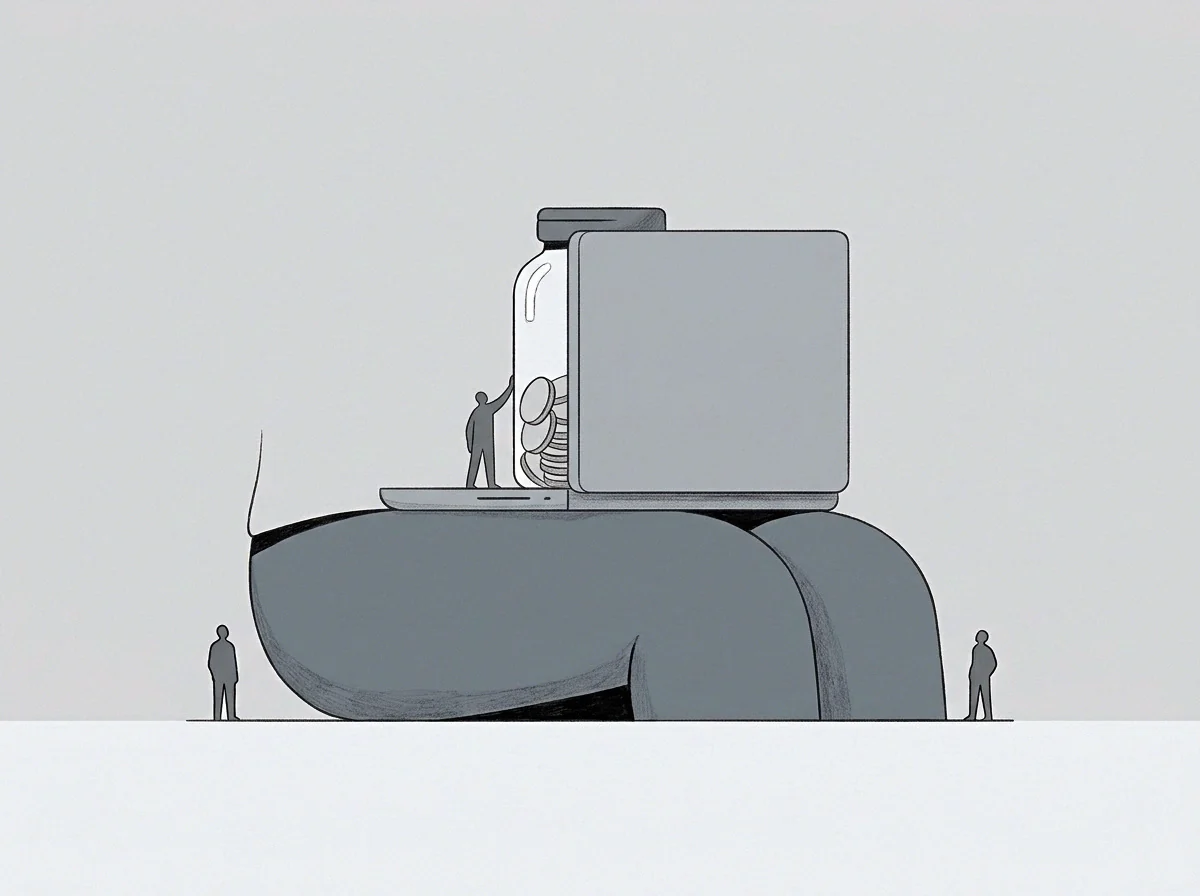
Operational domains vary significantly in how well they translate to paper. Transactional routines convert into checklists with high fidelity, whereas volatile environments lose most of their working context when flattened into manuals. Management teams frequently treat all departmental knowledge as equally portable, assigning the same four-week handover window to server infrastructure, commercial negotiations, and payroll runs.
The subsequent breakdowns mark the practical limits of codification.
A handover agreement that omits scheduled pairing cycles shifts the entire expense of uncodified capability extraction onto immediate system downtime.
Assessing whether knowledge can be codified requires weighing environmental volatility against the volume of implicit pattern recognition involved. The table below outlines how common operational domains perform across standard handover measures.
| Operational Field | Codification Extraction Ceiling | Dominant Residue Form | System Failure Mode Following Departure |
|---|---|---|---|
| Routine Financial Ledger Maintenance | Eighty-five percent explicit retention | Statutory accounting calendar exceptions | Delayed reconciliations during fiscal year close |
| Distributed Infrastructure Triage | Twenty percent explicit retention | Subtle telemetry anomaly recognition | Catastrophic cascading outages from unhandled alert noise |
| High-Stakes Supplier Negotiations | Thirty percent explicit retention | Unwritten relationship leverage histories | Contract margin erosion and supply chain deprioritization |
| Continuous Deployment Pipelines | Sixty percent explicit retention | Branch merging conflict heuristics | Deployment freezes caused by fragile test dependencies |
Domain Variance in Knowledge Retention
Financial ledger maintenance transfers cleanly onto the page. Regulatory mandates enforce rigid formats, predictable schedules, and standardized transactional paths, so an incoming accountant can review chart of accounts, vendor terms, and banking connections to reach operational independence within days. What remains unwritten amounts to occasional historical anomalies.
Maintaining distributed infrastructure, by contrast, shows where transcription breaks down.
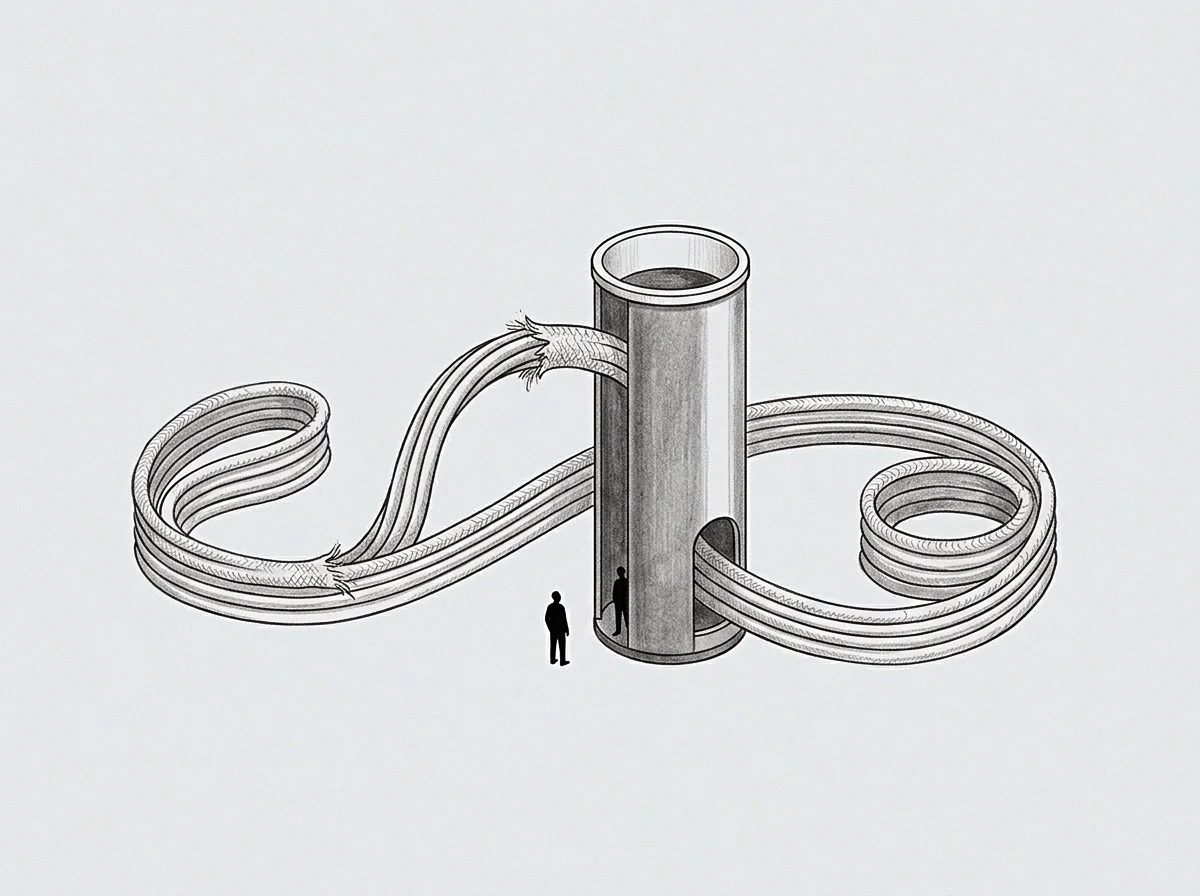
Incident triage relies on sensory familiarity with running systems. An outgoing reliability engineer traces dependency graphs using intuition formed across dozens of past outages. Documenting every potential dependency permutation would require volumes of text that expire with the next deployment, because runbooks fall behind code changes and quickly lose relevance once the author departs.

Systematic Extraction Against Practical Reality
Supplier negotiation occupies an intermediate position. Contracts, volume discount schedules, and formal addenda are preserved in legal files, but the ability to renegotiate terms during a disruption resists written capture. A departing procurement officer knows which vendor executive answers an urgent phone call, which account manager routinely inflates initial quotes by fifteen percent, and which contract provisions can be waived without commercial fallout.
That working leverage remains entirely with the individual.
A handover manual records every sequential interface action while omitting the reasons the departing operator chose that exact order.

Span
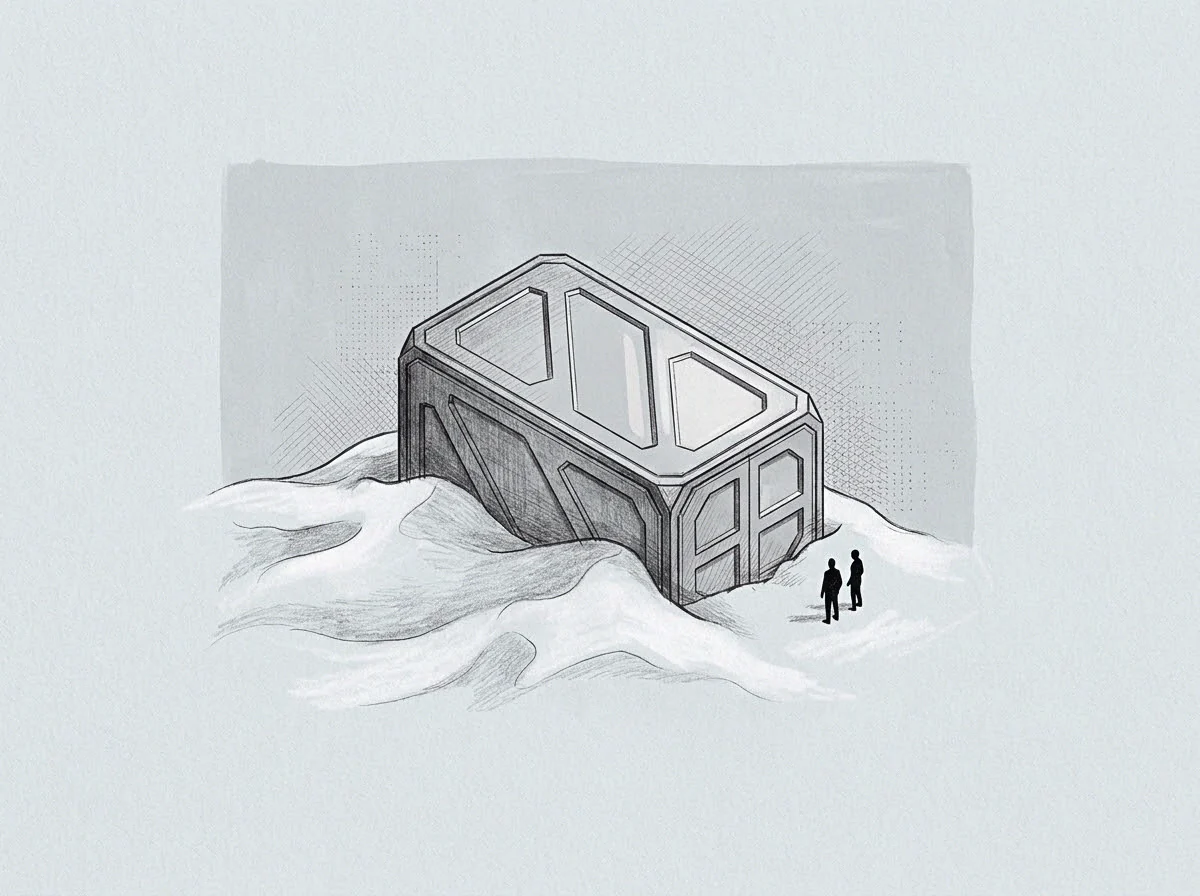
Transferring tacit operational capability requires moving beyond written text to structured apprenticeship. Donald Schön observed that reflective practitioners develop competence through coaching inside active, unpredictable operational contexts rather than formal instruction. Handing over critical systems requires paired runtime, where the departing and arriving operators handle production workloads together under unscripted pressure, substituting active scaffolding for a static binder.
Scaffolding holds value only while the outgoing operator withdraws operational interventions faster than the successor requests them.
Under a scaffolding framework, the outgoing operator acts as direct operational support that gradually pulls back. Early in the transition, the senior engineer manages eighty percent of live execution while explaining their diagnostic reasoning out loud. The successor picks up operational priorities, observing which alerts require immediate action and which can be safely deferred.
Over successive cycles, that division of labor inverts: the successor handles the terminal while the outgoing engineer observes without touching controls, stepping in only to avert permanent damage to production.
Scaffolded Dual Runs and Apprenticeship
Shadowing fails when treated as passive observation. An incoming operator sitting behind a senior engineer watching routine tasks gains zero diagnostic judgment. Effective transfer requires an intentional progression:
- Passive Shadowing With Verbalization keeps the predecessor at the keyboard, speaking through each micro-decision, environmental signal, and unwritten heuristic as it happens.
- Joint Operational Triage divides terminal responsibilities during live incidents, having the successor suggest root causes while the predecessor probes their diagnostic assumptions.
- Active Execution Under Supervision places keyboard control fully with the successor, requiring the predecessor to keep hands off the terminal regardless of execution speed.
- Isolated Execution With Async Debrief takes the predecessor out of the room entirely, limiting contact to structured reviews of choices made during active shifts.
Organizations often resist this progression because it requires funding two people in a single seat across several months. Finance teams frequently interpret the overlap as idle capacity and push for a two-week handover anchored by written manuals. That calculation overlooks the downtime expenses that follow an unguided departure: the financial loss of an extended outage readily exceeds the payroll required for a two-month paired apprenticeship.
Phased Release of Operational Control
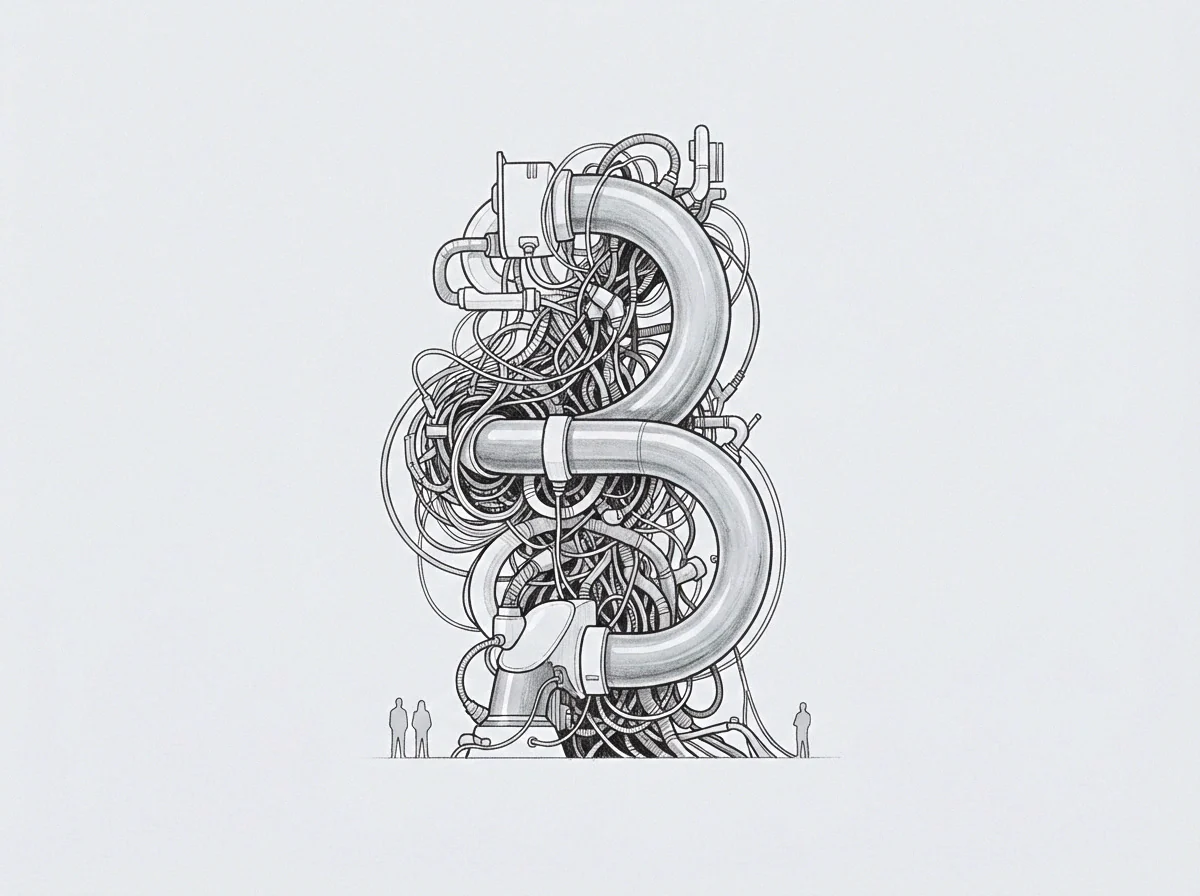
Scaffolding has to be dismantled systematically. When a predecessor lingers too long, the successor never assumes full operational responsibility for unilateral diagnostic decisions, because the safety net delays genuine operational autonomy. Confidence develops only when the successor carries unassisted accountability through live incidents.
Once reverse shadowing confirms baseline diagnostic stability, the predecessor must step away entirely.
Operational independence solidifies when the departing practitioner responds to escalations strictly through diagnostic questions, leaving mechanical remediation entirely to the successor.
Clause
Handover failures often trace back to misaligned exit structures. Technical leads and founders frequently leave with clean employment breaks or full financial liquidity, which leaves no economic incentive linking their interests to ongoing system health. Producing detailed documentation demands significant cognitive attention from an individual whose focus has already moved to their next engagement.
Absent contractual structures that mandate ongoing availability, handover material remains superficial.
The documentation ends where the unscripted judgment begins.
Handover agreements need to replace the expectation of comprehensive documentation with contractual access bridges. Because tacit capability does not convert into text, the firm must secure ongoing fractional access to the departing engineer. Retainers, deferred equity milestones, and formal transition service agreements achieve this, provided the terms reflect technical demands rather than generic administrative templates.

Contractual Retention of Uncodified Skill
Standard transition clauses typically call for thirty days of reasonable assistance over email, an arrangement that routinely results in one-sentence replies during complex outages. An effective transition contract specifies monthly hourly allocations, emergency response response times, and weekly architectural reviews. The departing engineer is compensated not for writing unread manuals, but for acting as an escalation advisor while the successor develops their own diagnostic patterns.
Deferred compensation linked to system uptime aligns economic incentives. When a departing partner or lead holds equity tranches or cash disbursements vesting six months after handover, the approach to knowledge transfer shifts markedly. Pairing sessions get scheduled, off-hours calls get answered, and undocumented shortcuts or architectural liabilities get surfaced.
The departing engineer understands that realizing their exit terms depends on the successor managing production incidents without severe failures.
Finishing Terms for Complete Succession
Concluding an operational handover requires acknowledging what cannot be codified. Leadership must drop the assumption that any technical role can be fully captured in an operations binder, because some fraction of functional capability departs with the operator on their final day. Planning for an exit means keeping operational architectures intentionally straightforward, sustaining paired runtime well ahead of any departure, and using contractual agreements to bridge the divide between written instructions and practical operational judgment.
A deferred compensation tranche released six months post-transition, contingent on system availability targets, aligns the departing operator toward safeguarding operational continuity rather than generating unread documentation.