Meaning
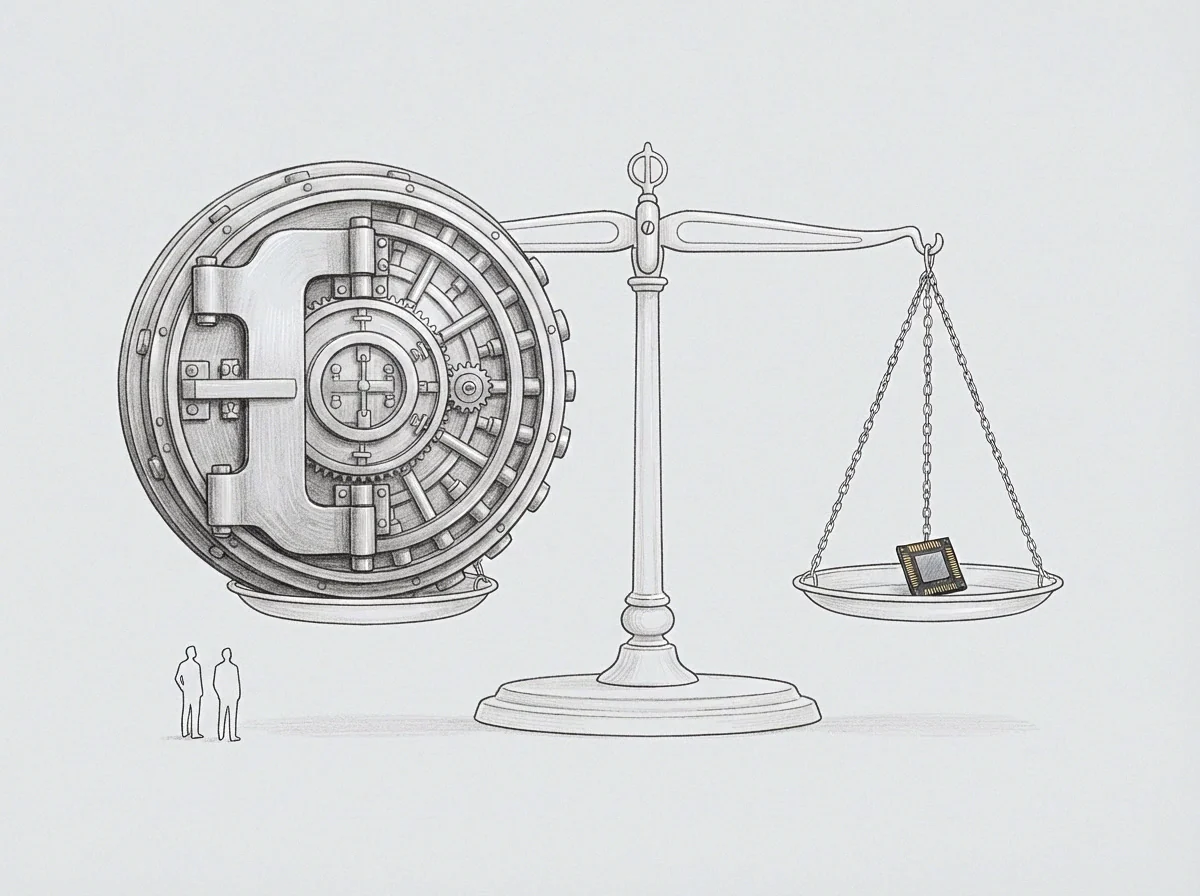
Dispute resolution mechanism in a shareholder agreement where one party offers to buy the other out at a specific price, forcing the second party to either accept the offer or buy the first party at that same price. The Texas shoot-out clause is designed to break a deadlock between two equal partners who can no longer work together. It ensures that the person who values the company more becomes the sole owner while the other receives a fair cash payment.
This mechanism is typically triggered only after all other forms of mediation have failed.
Conflict Resolution
Elimination of an impasse between two powerful seats in the organization is the intended result of this legal protocol. When the Texas shoot-out clause is activated, it bypasses the need for a lengthy and expensive legal battle over the control of the firm. The simplicity of the choice prevents the destruction of value that often occurs when a company is paralyzed by internal fighting.
It provides a clean break that allows the business to continue under a single leader.
Valuation Risk
Setting the price in a shoot-out requires a high degree of precision and a deep understanding of the current market. A founder who initiates the Texas shoot-out clause must be prepared to either lose their company or pay a substantial sum of money. If they set the price too low, the other partner will simply buy them out and gain the company at a discount.
If they set it too high, they may end up overpaying for the remaining equity.
Financial Burden
Pressure for immediate liquidity makes this clause a tool that favors the partner with better access to capital. The outcome is a simplified ownership structure and the end of the partnership.