Meaning
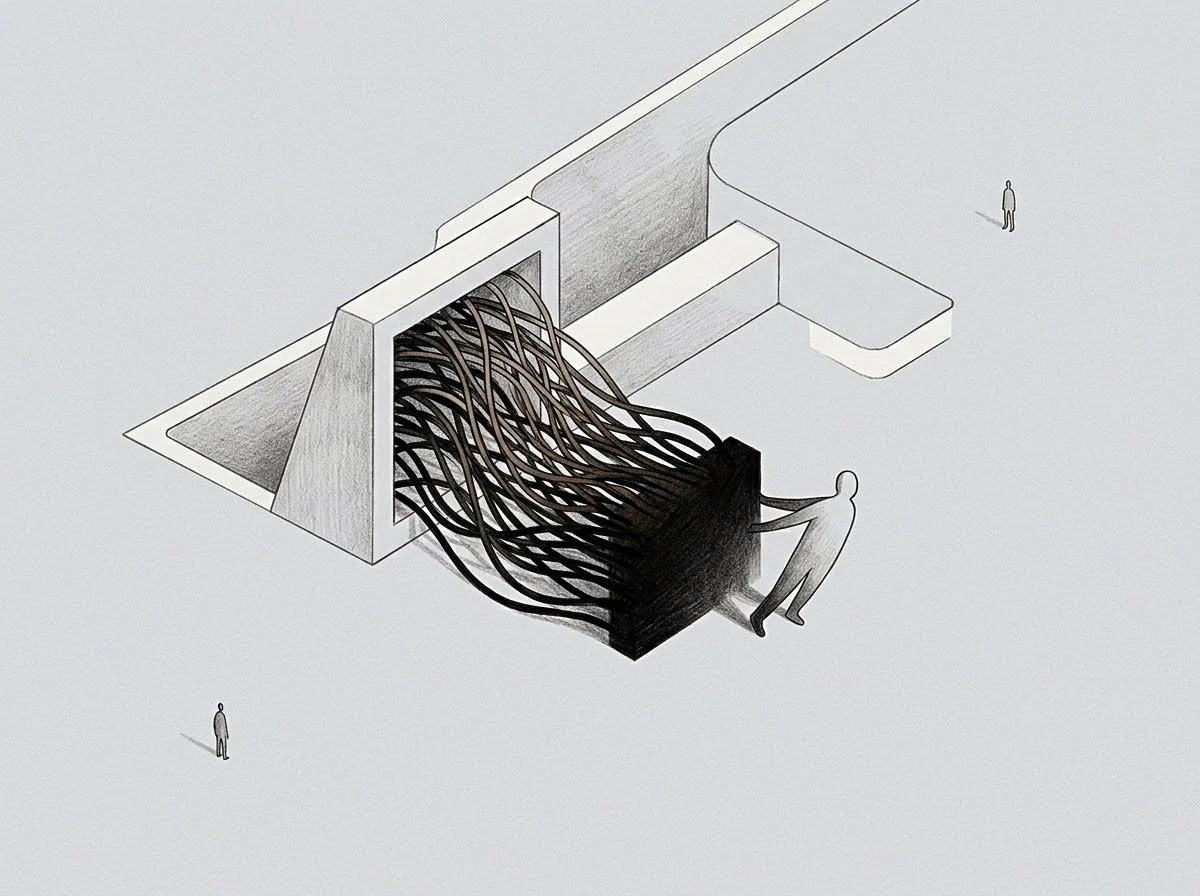
Business process or operating procedure that exists through habit and memory rather than through written documentation. An uncodified workflow relies on the presence of the founder or a long-tenured employee to function correctly. It represents a heavy risk during a transition because the knowledge leaves the building with the person.
This state of operation is common in small firms where speed is prioritized over formal systems.
Institutional Memory
Knowledge of how to handle specific clients or technical glitches stays trapped in the founder’s mind. When an uncodified workflow is present, the successor cannot learn the role by reading a manual. The founder pays in hours during the handover to verbalize and record these hidden steps.
This task is often exhausting because many of the actions are performed unconsciously.
Transfer Difficulty
Moving a business from a person-dependent model to a system-dependent model is the primary challenge of a sale. The existence of an uncodified workflow reduces the value of the company because the buyer is purchasing a person rather than a process. To solve this, the founder must spend capacity building a library of standard operating procedures.
This work happens late in the company’s life and often feels like a burden. Converting tribal knowledge into a manual is a prerequisite for a clean exit. Successors need written instructions to maintain the quality of service the founder established.
Scaling Limit
Organizations cannot grow beyond a certain point if the core activities remain undocumented. An uncodified workflow prevents the delegation of tasks to new staff, keeping the founder trapped in the technician seat. Breaking this cycle requires a deliberate investment in formalizing every step of the business.
Steady growth is only possible once the founder’s unique actions are turned into repeatable steps.