

Terminating Operational Agency After Divesting Private Company Equity
Divesting private equity transfers ownership but leaves operational agency active until corporate appointments, banking mandates, and third-party notices close.
Divesting private equity transfers ownership but leaves operational agency active until corporate appointments, banking mandates, and third-party notices close.

Procedural codification fails in volatile markets because static rules introduce execution latency and destroy the tacit pattern recognition required to absorb risk.

Codifying operational workflows before equity transfers converts individual tacit labor into transferable institutional assets and prevents valuation drag.

Founder transitions yield measurable operational capacity losses when tacit decision heuristics fail to codify during executive handover sequences.

Operational account handovers during deferred equity transitions require binding stock releases to verified client documentation milestones rather than calendar vesting.
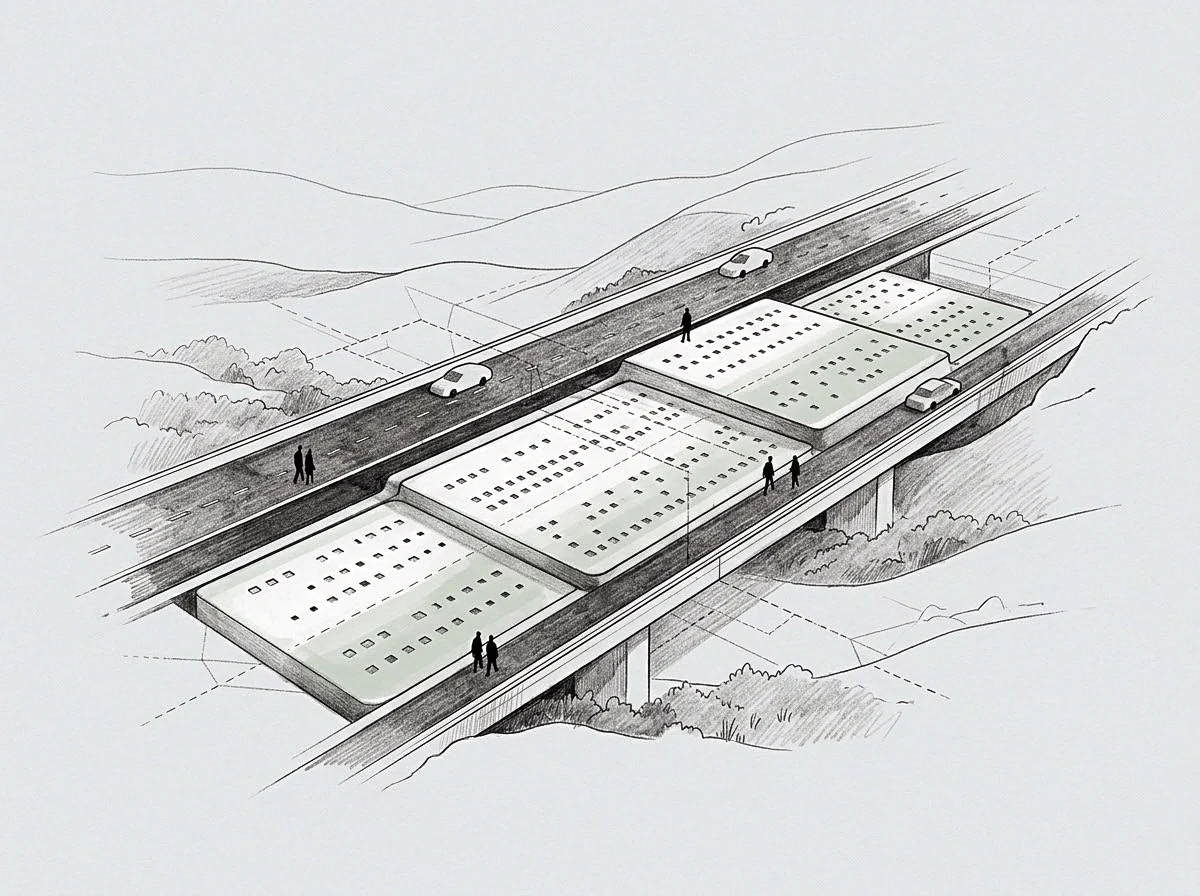
Informal power structures yield to functional role codification when operational decision routing moves from personal consultation to explicit structural sign-off.

Organizational performance decays post-founder exit when uncodified cognitive routines and implicit sensemaking models exhaust their operational momentum.

Structural separation isolates technical execution from managerial oversight to eliminate cognitive context switching and clarify organizational decision rights.
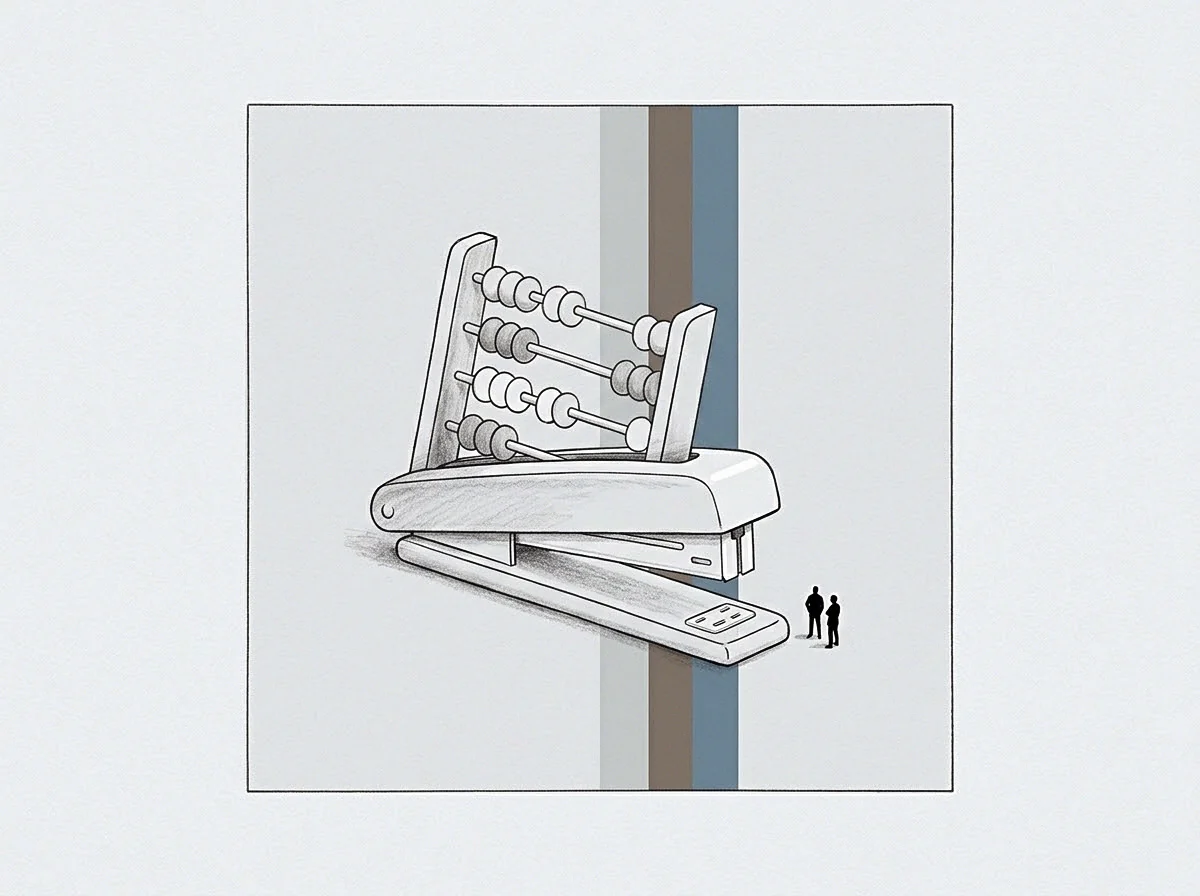
Market stress triggers structural authority reversion to founders through informal relational networks, destabilizing appointed successors during crises.
The terms are written where they belong. Each field holds three desks, and every entry a desk writes raises the terms it uses, each term given a meaning, a mechanism and the places it appears. The record on these pages stays first person and hand made; the fields grow the nomenclature.