Meaning
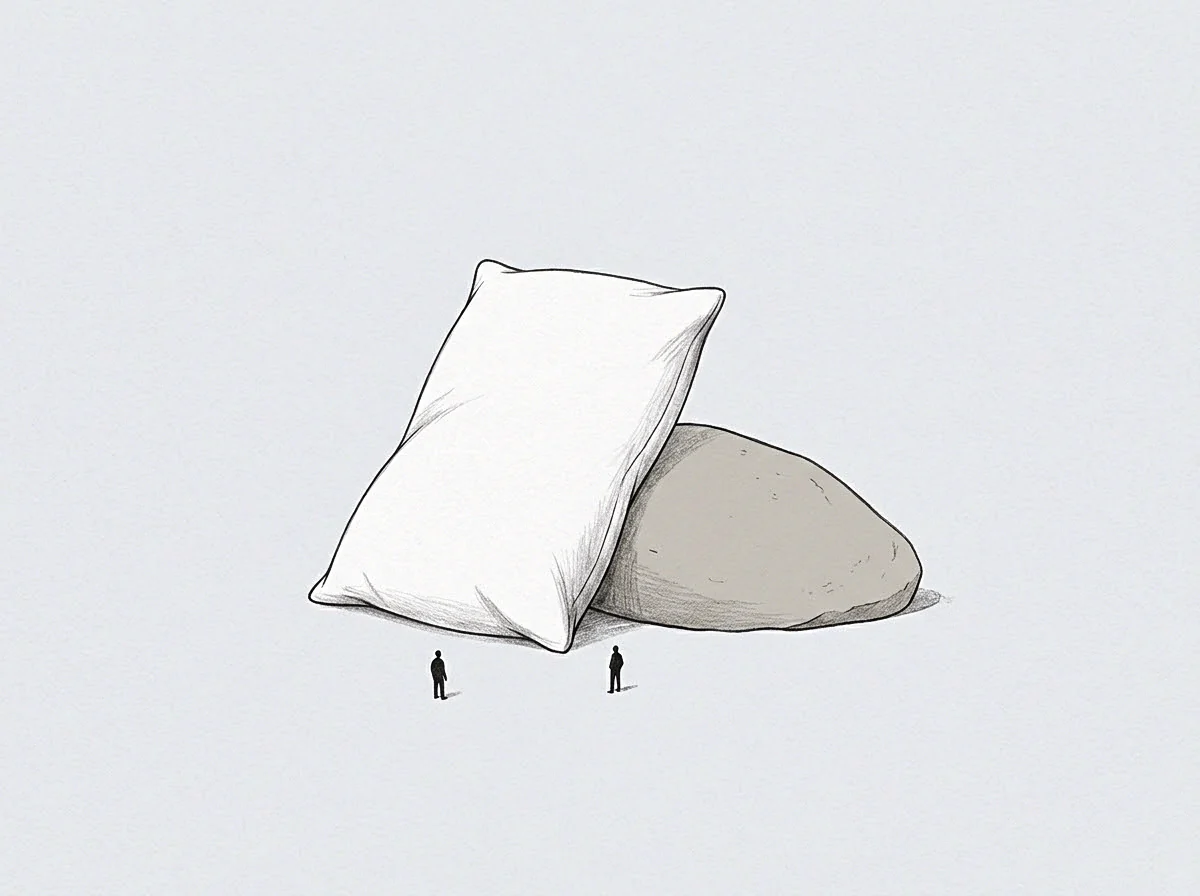
A structural slowdown occurs when a single stakeholder possesses the legal right to block corporate decisions without needing the consent of other board members. This unilateral veto friction delays both strategic transactions and routine actions by creating bottlenecks in the decision-making process. It hinders the speed at which a firm can respond to changing market conditions.
This barrier increases the cost of executing standard business maneuvers.
Operational Impact
Startups require quick execution to survive in competitive environments. Unilateral veto friction forces managers to consult the veto holder before executing any minor deal. This slows day-to-day work.
Board Gridlock
Frictions intensify during negotiations when a single director can halt progress indefinitely. The presence of unilateral veto friction often leads to gridlock, where the board cannot approve necessary actions because one investor refuses to cooperate. This situation can paralyze corporate governance and prevent the company from raising capital.
It forces directors to spend time resolving minor disputes rather than focusing on growth.
Founder Burden
For a founder, managing an investor who has the power to block every key decision demands an enormous amount of mental energy and attention. Dealing with unilateral veto friction can feel like a constant battle, as founders must negotiate with a single person to get anything done. This burden reduces the founder’s ability to focus on the business, leading to burnout.
It can eventually force the founder to leave the company.