Meaning
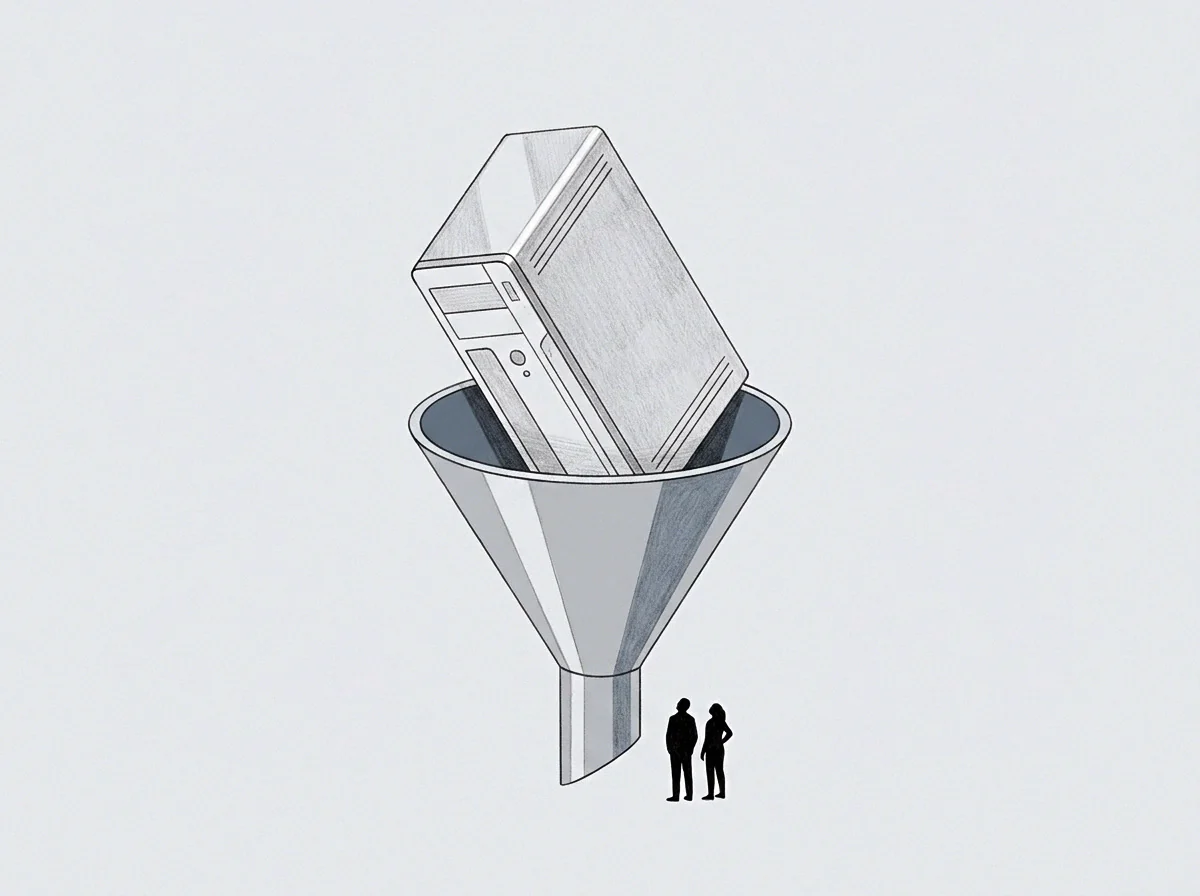
Corporate winding up requires the valuation and sale of all company properties to satisfy outstanding claims. Those items that cannot be quickly sold or converted to cash are categorized as unliquidated assets. These often include intellectual property, pending lawsuits, and specialized manufacturing equipment.
Asset Valuation
Valuing non cash items like patents and trademark rights requires specialized appraisal and can take many months. The presence of unliquidated assets on the balance sheet makes it impossible to finalize the liquidation process. These assets must be held in trust or sold at a deep discount if the wind down is to proceed quickly.
Distribution Delay
Distributions to shareholders are delayed when a company holds assets that have not been converted to cash. While unliquidated assets remain on the books, common shareholders cannot receive their final residual payments. This delay strains the financial planning of founders who are waiting for these payouts to fund their next projects.
Founder Responsibility
Managing these items during a wind down requires founders to spend hours coordinating with appraisers and potential buyers. Since unliquidated assets can lose value if neglected, the founding team must maintain them even after operations have ceased. This ongoing maintenance requires significant personal capacity and attention, preventing founders from achieving a clean break from the failed business, while exposing them to continued administrative costs that further reduce their ultimate return.