Meaning
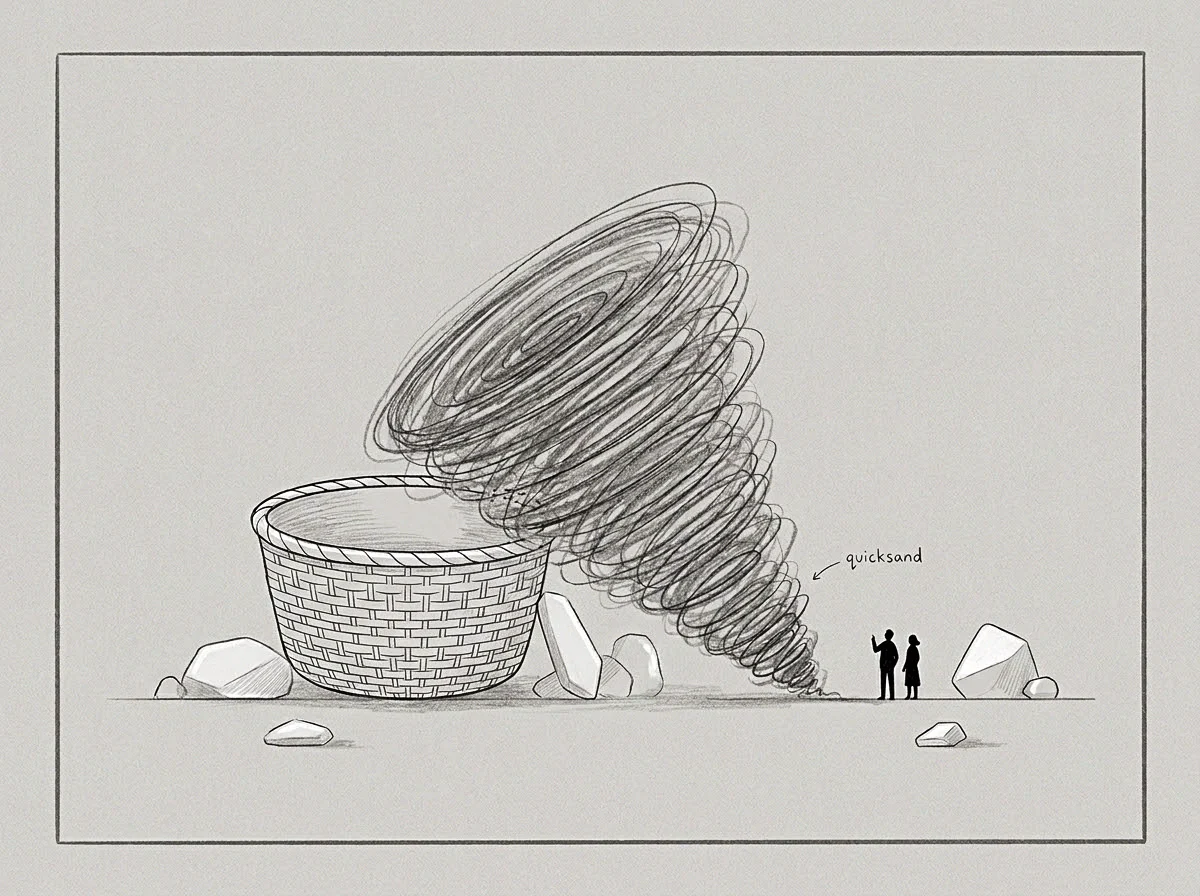
Decrease in the price a buyer is willing to pay for a company due to identified risks or operational weaknesses reflects the cost of fixing those issues. A valuation penalty is often the result of poor documentation, high customer churn, or a lack of middle management. It is the financial expression of the buyer’s lack of confidence in the future stability of the firm.
Pricing Delta
Analysts calculate this by applying a higher discount rate to the company’s projected cash flows. In a valuation penalty, the gap between the asking price and the offer price shows exactly what the market thinks of the founder’s legacy. This penalty can be as small as a five percent haircut or as large as a fifty percent reduction in the exit payout.
Monetary Cost
Individual loses real wealth that they expected to receive at the end of their tenure. The energy spent building the company is undermined by a valuation penalty that could have been avoided with better systems or clearer contracts. It is a hard lesson that the value of the business is not just what it earns, but how easily it can be sold.
Recovery Point
Improvements in the business can remove these penalties if the founder is willing to stay and fix the issues before selling. If the leader can show that the risks were temporary or have been mitigated, the valuation penalty disappears. The limit of the penalty is the point where the buyer decides the risk is too great to buy the business at any price.