

Structural Separation Of Operating Authority From Corporate Share Ownership
Structural separation detaches daily operational executive command from corporate equity ownership through explicit board charters and delegation terms.
Structural separation detaches daily operational executive command from corporate equity ownership through explicit board charters and delegation terms.

Private corporate restructuring relies on drag-along triggers, class recapitalizations, and voting agreement amendments to remove non-operating minority vetoes.
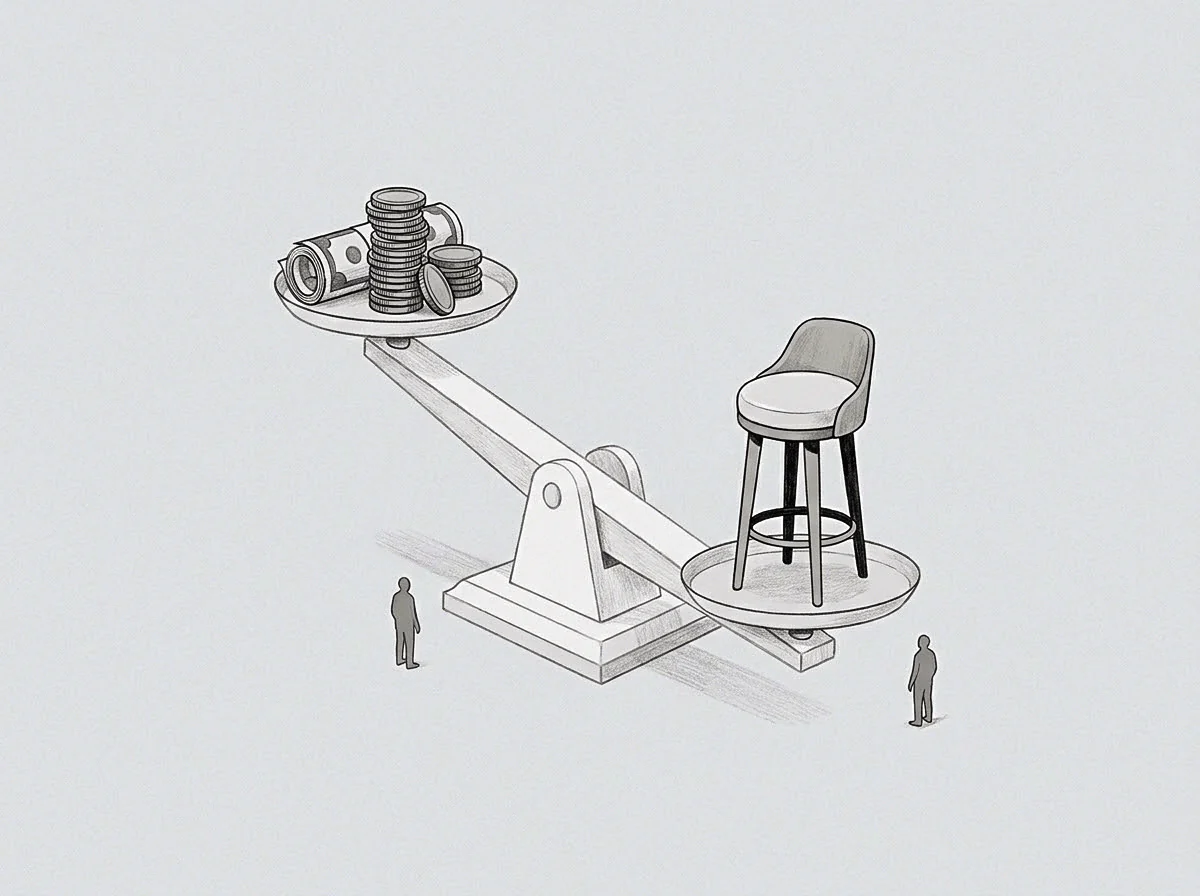
Negative covenants granting minority capital veto rights over executive hiring freeze key management seats and transfer massive operational strain to founders.
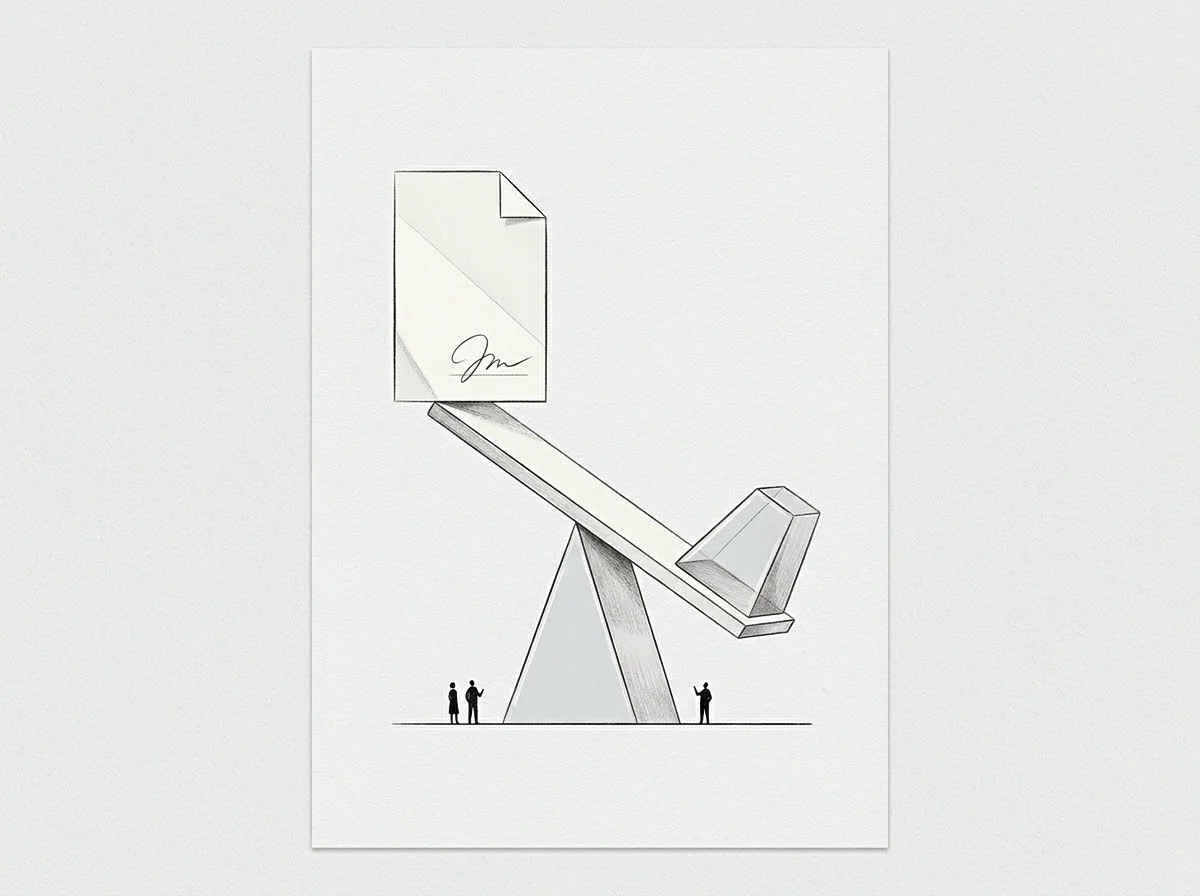
Contractual mechanical buyout formulas enforce agreed share prices against departed equity holders when accounting controls remain consistent and transparent.
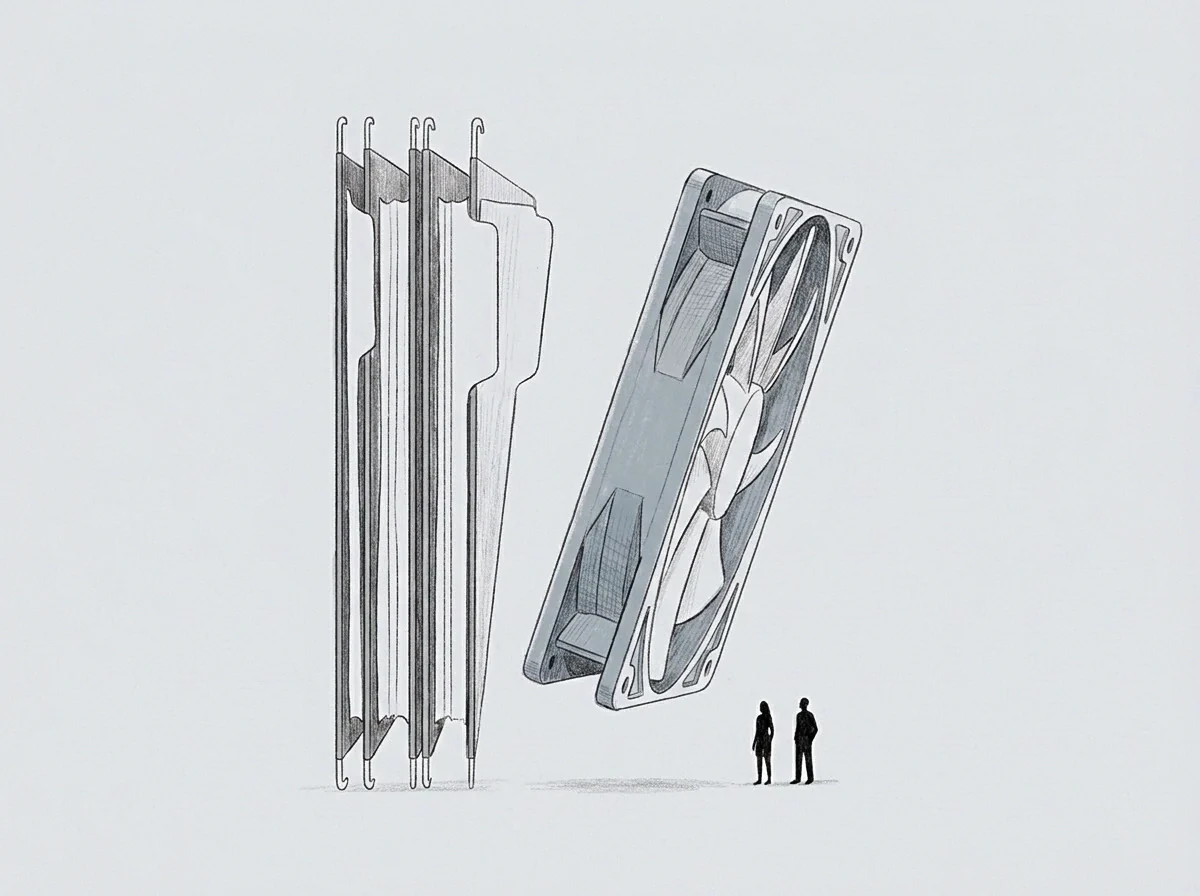
Dual class equity grants statutory voting dominance while specific contractual covenants protect the owner's daily operational authority from investor challenge.
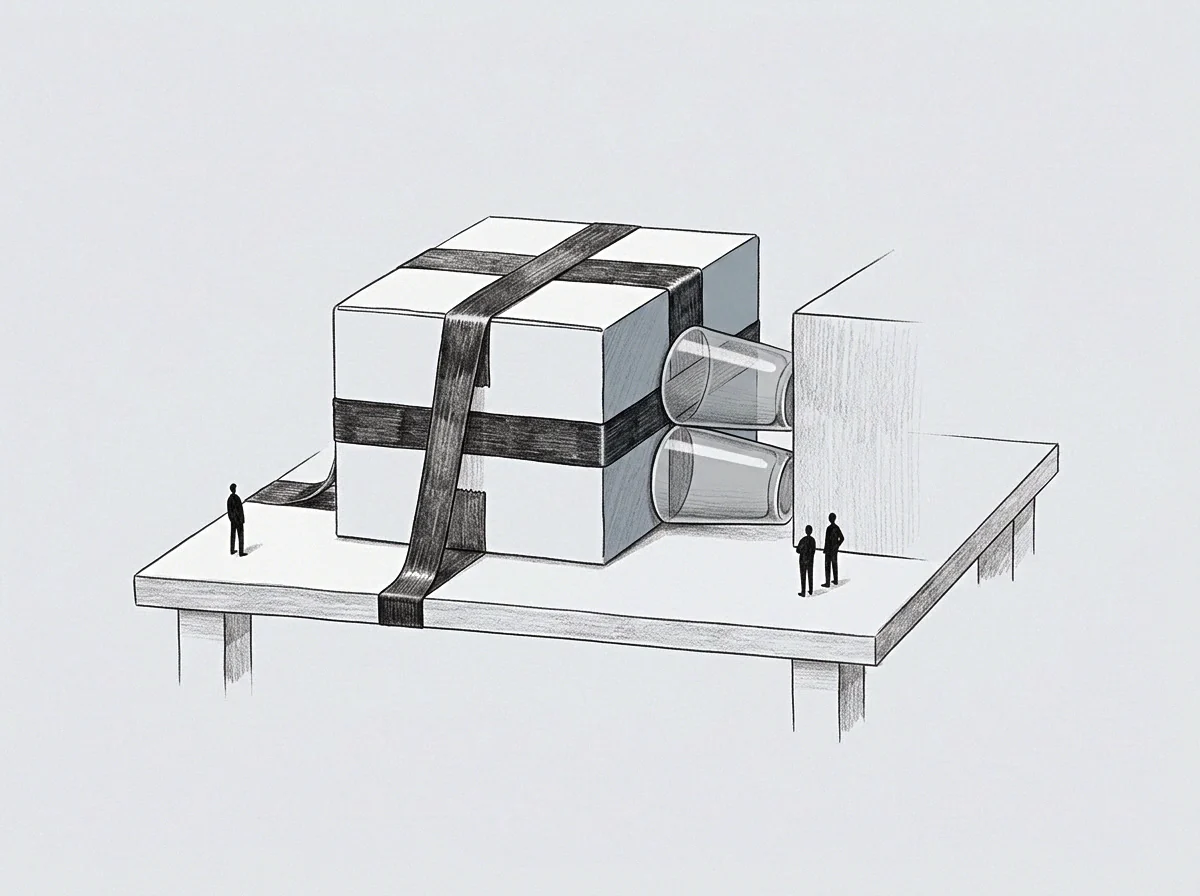
Executive salaries compensate daily operational labor at market value, while equity splits divide long-term enterprise ownership and risk among shareholders.

Uncompensated operational labor converts into senior corporate debt to offset static equity claims held by non-operating partners during corporate separation.
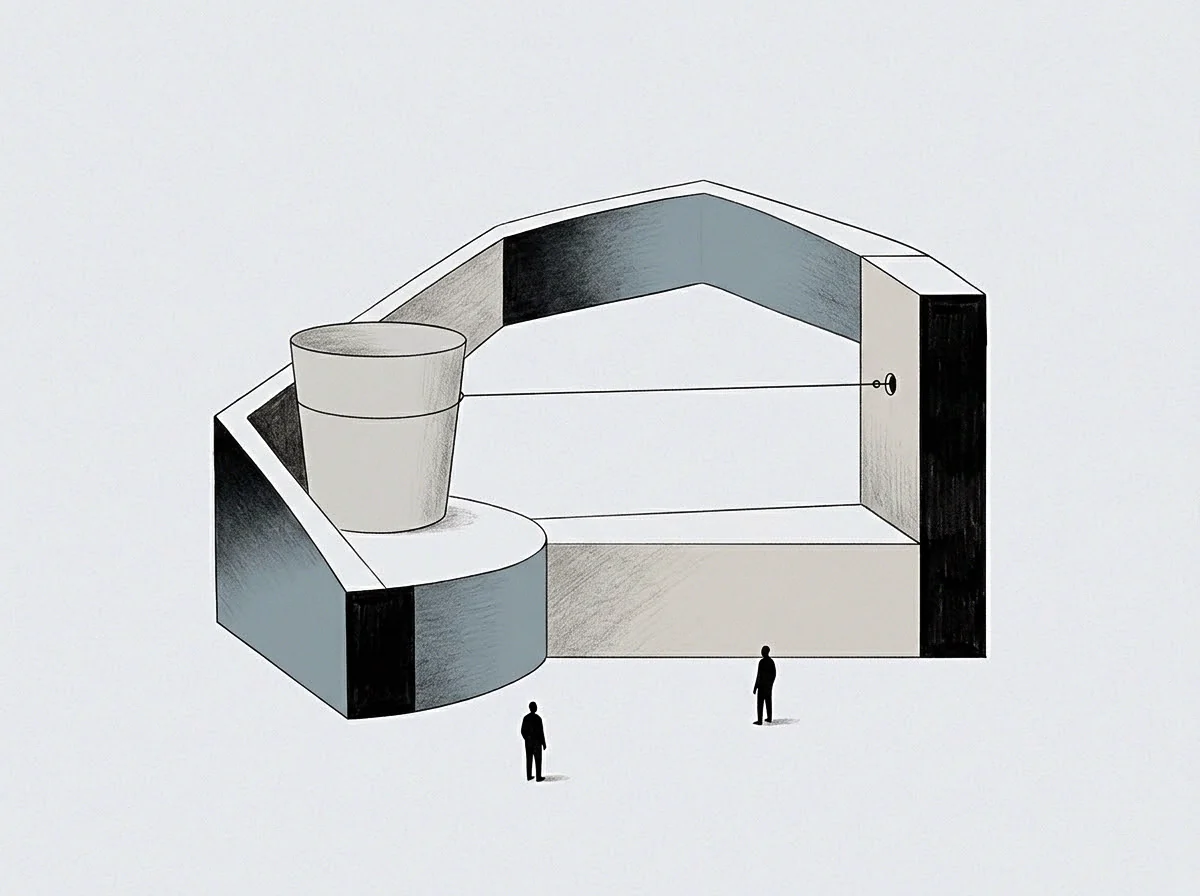
Dynamic buyback covenants and reverse vesting schedules allow surviving founders to repurchase common equity at par value upon unilateral executive departures.
The terms are written where they belong. Each field holds three desks, and every entry a desk writes raises the terms it uses, each term given a meaning, a mechanism and the places it appears. The record on these pages stays first person and hand made; the fields grow the nomenclature.