
Designing Multi Stage Access Controls for Successor Client Handovers
Progressive multi stage access controls transfer client administrative rights through sequential observational, supervisory, and sovereign cryptographic tiers.
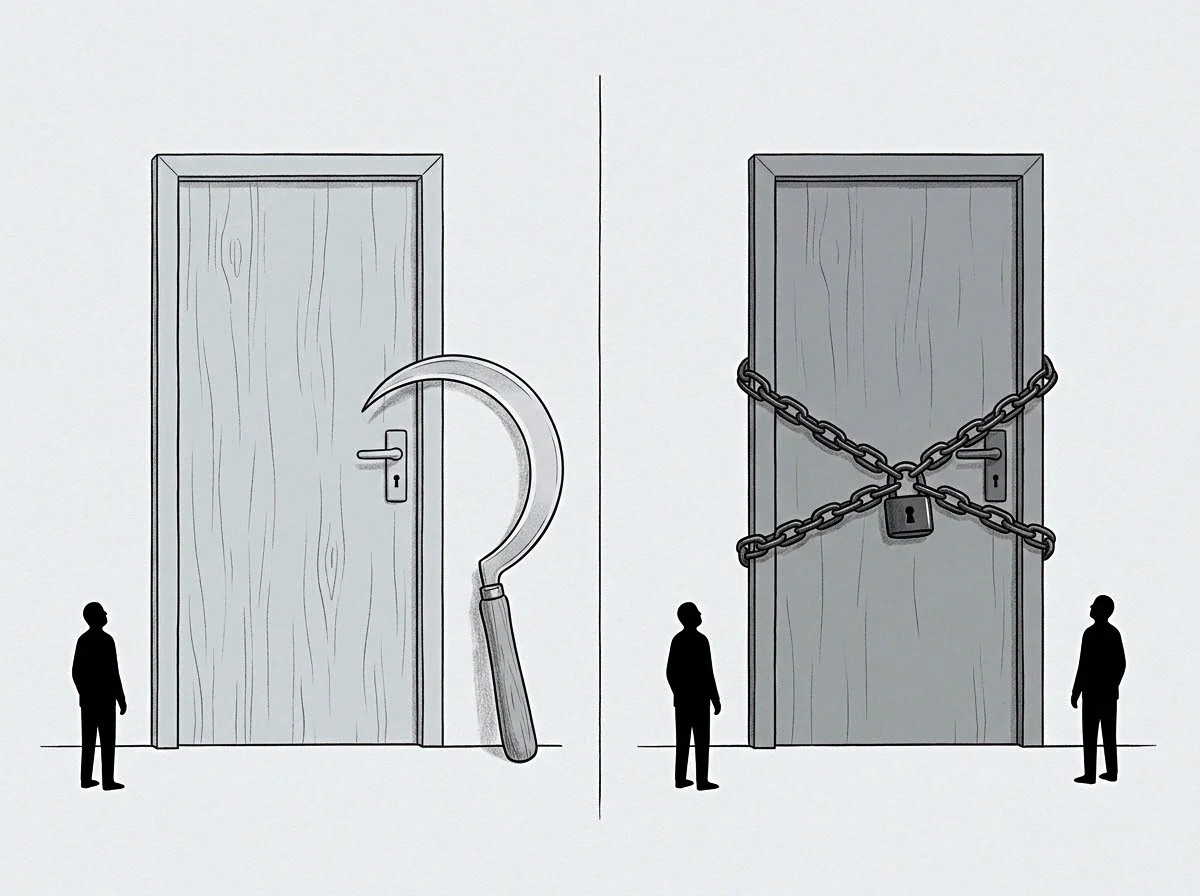
Lock
Production environments frequently preserve administrative session tokens long after commercial agreements assign operational responsibility to an incoming team. The outgoing founder retains root credentials, emergency backdoors, and client account impersonation privileges out of operational habit. The successor assumes the public title of system custodian without possessing the cryptographic keys to alter client production settings.
This administrative mismatch creates an invisible vulnerability where liability settles upon the new operator while control remains anchored to the departing architect. The arrangement appears stable during peaceful operations, yet fractures the moment a client tenant demands remediation at midnight.
The technical perimeter of client environments resists sudden transfers of authority. Enterprise customer agreements mandate strict audit trails, continuous service level guarantees, and explicit data governance covenants that penalize unmonitored administrative reshuffling. When an incoming team requests total environmental control on day one, institutional clients raise security objections regarding compliance continuity and regulatory exposure.
A sudden credential dump grants access without providing context, exposing live accounts to operational errors by engineers unfamiliar with client-specific configurations. The initial access envelope isolates client infrastructure behind defensive boundaries while deliberate authorization paths take shape.
Privilege boundaries stay fixed until operational verification confirms technical competence across every isolated tenant.
Shared tokens hide individual operations. The practice of handing over an entire administrative vault creates an immediate evidentiary collapse. If a legacy script alters client databases during the transition window, forensic telemetry cannot distinguish between the departing operator and the incoming technician.
Staging client access requires progressive privilege release, decoupling observational surveillance from destructive operational authority. The predecessor secures initial environments by revoking static administrative passwords, issuing distinct per-seat tokens, and restricting the successor to non-destructive inspection roles.
- Ambient Tenant Surveillance permits read-only telemetry across active infrastructure, allowing incoming engineers to observe baseline system health without the capacity to alter live data stores.
- Attenuated Execution Tokens restrict system modifications to scheduled maintenance windows, requiring dual cryptographic endorsement before configuration shifts reach client production clusters.
- Compartmentalized Emergency Break-Glass isolates root remediation privileges within an audited, hardware-backed vault that triggers real-time alerts to the client compliance team upon decryption.
Skipping credential isolation preserves legacy technical debt while exposing the successor to legal exposure for infrastructure modifications executed through forgotten background daemons.

Gradient
Structured authorization transitions proceed across defined privilege tiers rather than instantaneous administrative shifts. The initial inspection tier grants the incoming team visibility into infrastructure metrics, application error tracking, and database read replicas. Engineering staff trace request pipelines, evaluate architectural dependencies, and evaluate client data flows without possessing write access to primary datastores.
This observational phase allows technical personnel to acquire system familiarity while insulating client accounts from navigational mistakes. The predecessor retains exclusive command over schema migrations, security group definitions, and direct client communications.
Authorization expands only after direct system telemetry confirms uninterrupted client operations through previous service cycles.
Elevation to co-administration introduces write permissions across segregated staging clusters and customer-facing test environments. The successor executes non-critical tasks, including secondary database index generation, minor service patching, and background queue adjustments under supervisory logging. The legacy operator maintains active session monitoring, holding the capability to revoke credentials instantly if anomalous system behaviors surface.
This middle tier tests whether operational documentation matches the live environment or merely describes an obsolete architectural state. Access expansion outpaces technical competence when organizations bypass this validation period.
| Succession Tier | Permitted Execution Boundary | Telemetry Latency | Revocation Authority |
|---|---|---|---|
| Observational Read | Read-only datastore replicas, metric dashboards, application log streams | Synchronous real-time export | Predecessor holds sole revocation priority |
| Shadow Co-Administration | Staging environments, auxiliary microservices, scoped production updates | Ten-minute aggregated audit capture | Dual authorization required for token cancellation |
| Unrestricted Custody | Primary root tenant controls, client billing engines, production databases | Standard security operations archival | Successor holds sovereign administrative rights |
The progression terminates in sovereign custody, where root tenant keys, external identity provider management, and domain registration transfer permanently to the incoming operator. The legacy team surrenders administrative rights, retaining non-privileged communication lines exclusively for commercial clarification. The security perimeter fractures early when handovers skip sequential promotion.
Client accounts record the divergence through unexpected outages and policy violations.
The authority to modify production settings follows demonstrated recovery capabilities rather than calendar schedules.
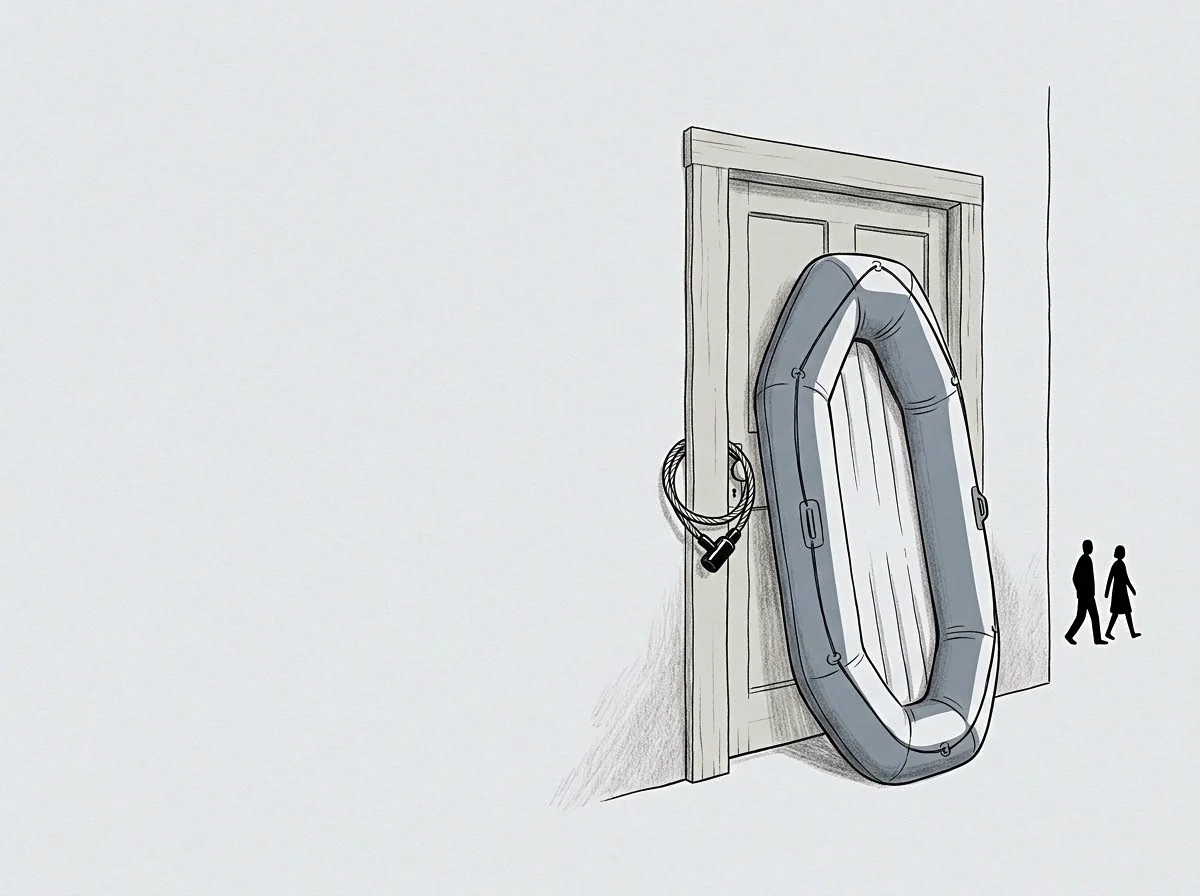
Gate
Hard cryptographic barriers enforce operational separation between administrative seats. Organizations that rely upon informal verbal understandings find permissions drifting back toward legacy operators whenever system anomalies appear. Hardware tokens, multi-party computation keys, and time-bound session allowances establish concrete operational walls.
The successor team accesses client resources through distinct single-sign-on groups with mandatory contextual multi-factor authentication, enforcing access rules through deterministic software rather than personal restraint. Every permission change carries latency.

Conditional Authentication Parameters
System perimeter defenses evaluate connection characteristics prior to credential acceptance. Network origins, client device security compliance, and biometric proofs determine whether an incoming administrator receives operational access. If an incoming engineer attempts a production configuration change from an unverified terminal, the administrative gate rejects the connection and isolates the session.
Account isolation halts perimeter contagion. The predecessor team configures these rules to prevent unauthorized elevation, guaranteeing that successors cannot claim administrative control until corporate assets satisfy rigorous client compliance standards.
A handover contract without programmatic credential enforcement degenerates into administrative chaos during production failures.
Dual administration invites mutual deferral. When two parties hold equal write access to primary client systems, accountability evaporates. Production modifications must trace to a single authenticated identity with unambiguous scope.
Time-bound session allowances resolve this friction by terminating operational permissions after specific maintenance windows expire. If an incoming technician receives write access to migrate a client database, that credential self-destructs upon completion of the scheduled maintenance block, returning the technician to observational status until the subsequent deployment.
The transitional service agreement states explicitly that access promotion terminates permanently if the incoming team bypasses identity verification layers through local configuration workarounds.

Drift
Technical privileges steadily detach from documented roles as handovers extend across fiscal quarters. The departing founder answers emergency messages, generates manual database patches, and executes client interface changes through undocumented personal API tokens. The incoming operator, hesitant to disrupt live revenue operations, tolerates this informal bypass.
Dual authority produces divergent configuration states where code repositories reflect incoming standards while production databases contain legacy manual corrections. Audit trails register unassigned modifications.
Can Client Authorization Shift Without Direct Intervention?
Automated policy engines detect authorization divergence by cross-referencing account activity against contractual role descriptions. When an account assigned to an outgoing founder executes production writes three weeks after formal role demotion, access drift has occurred. The perimeter policy engine detects anomalous write operations, isolates the legacy credential, and prompts organizational managers for explicit approval.
System telemetry measures actual utilization, revealing whether technical control has actually transferred or merely transitioned on paper.
The predecessor retains ambient credential reach through forgotten third-party integrations, webhook endpoints, and staging server permissions. A client who contracted with the company five years earlier sends feature requests directly to the outgoing founder via private messaging channels. The founder completes the request out of reflex, deploying code through stale service accounts.
Silence preserves the credential imbalance. The successor operator remains ignorant of the modification until the client files a technical ticket regarding an unexpected interface regression.
The incoming operator eventually discovers that access was transferred across primary dashboards while the underlying data pipeline remains tethered to personal machines in another jurisdiction.

Seal
Formal operational conclusion demands the absolute elimination of legacy credentials across the client technical estate. Organizations frequently delay this detachment out of psychological anxiety, treating the outgoing founder as an informal insurance policy against disastrous failures. This lingering connection preserves systemic fragility.
The successor team never develops complete operational resilience while the previous architect hovers within system log streams. Severing legacy tokens compels the incoming technical staff to confront production anomalies directly, closing documentation gaps through direct system ownership.
Revocation procedures encompass secondary assets alongside primary root logins. Cryptographic keys, external identity tokens, continuous deployment pipeline credentials, and domain registry access undergo mandatory rotation. The organization issues new signing certificates for all microservices, effectively invalidating legacy keys residing in external repositories or personal machines.
The signature verifies the transition. Credential revocation breaks uninterrupted billing if automated payment accounts remain tethered to the founder’s personal identity profile. Operational staff audit external billing integrations prior to account closure, migrating enterprise subscriptions to corporate successor profiles.
The outgoing founder signs an administrative separation affidavit confirming the destruction of offline credential backups, cryptographic keyrings, and local database exports. The successor assumes complete operational custody. The technical estate stabilizes under unified governance, ending the period of transitional vulnerability.
A persistent ambiguity remains regarding whether institutional clients will ever grant incoming operators the same discretionary latitude they once conceded to the system architect.