Meaning
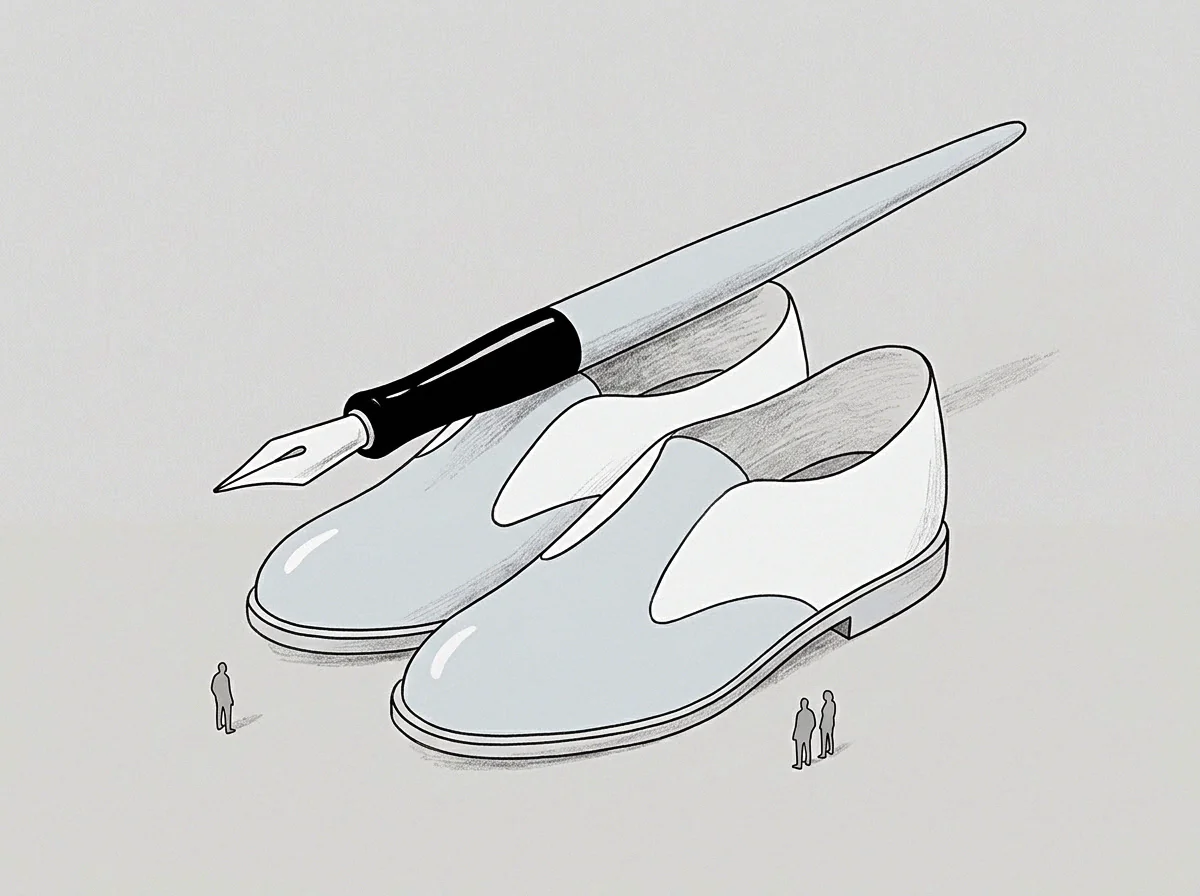
Informal control represents the exercise of power by an individual who holds no official corporate title or board seat. This shadow administration functions as an invisible layer of governance that directs firm operations through proximity to the executive team. The practice depends on historical influence or majority voting control that resides outside the formal organogram.
It ceases when the entity formalizes internal reporting lines or severs ties with the previous owner.
Executive Distortion
Managers under this arrangement experience confusion regarding the chain of command and the source of strategic instructions. An operational bottleneck develops because the staff seeks approval from the hidden actor instead of the appointed director. This delay consumes hours of productive capacity while the team resolves conflicting directives from the official office and the unofficial source.
Ownership Retention
Holders of equity who refuse to yield operational authority maintain this structure to mitigate perceived risk in the business model. The arrangement creates a significant drain on the energy of the current successor who lacks the mandate to execute change. Investors perceive this configuration as a governance failure that limits the ability of the company to pivot in response to market signals.
Liability Exposure
Courts examine the activities of the ghost principal to determine if they trigger director status under local law. Regulations impose fiduciary responsibilities on any party who exerts persistent influence over the board of directors. Legal penalties accrue to the hidden actor when the business enters insolvency because the law holds them accountable for the failure of the enterprise.