
Designing Stepped Executive Charters For Enterprise Handover
Stepped executive charters divide monolithic authority into sequential tranches of signature rights, capital limits, and personnel control across handovers.
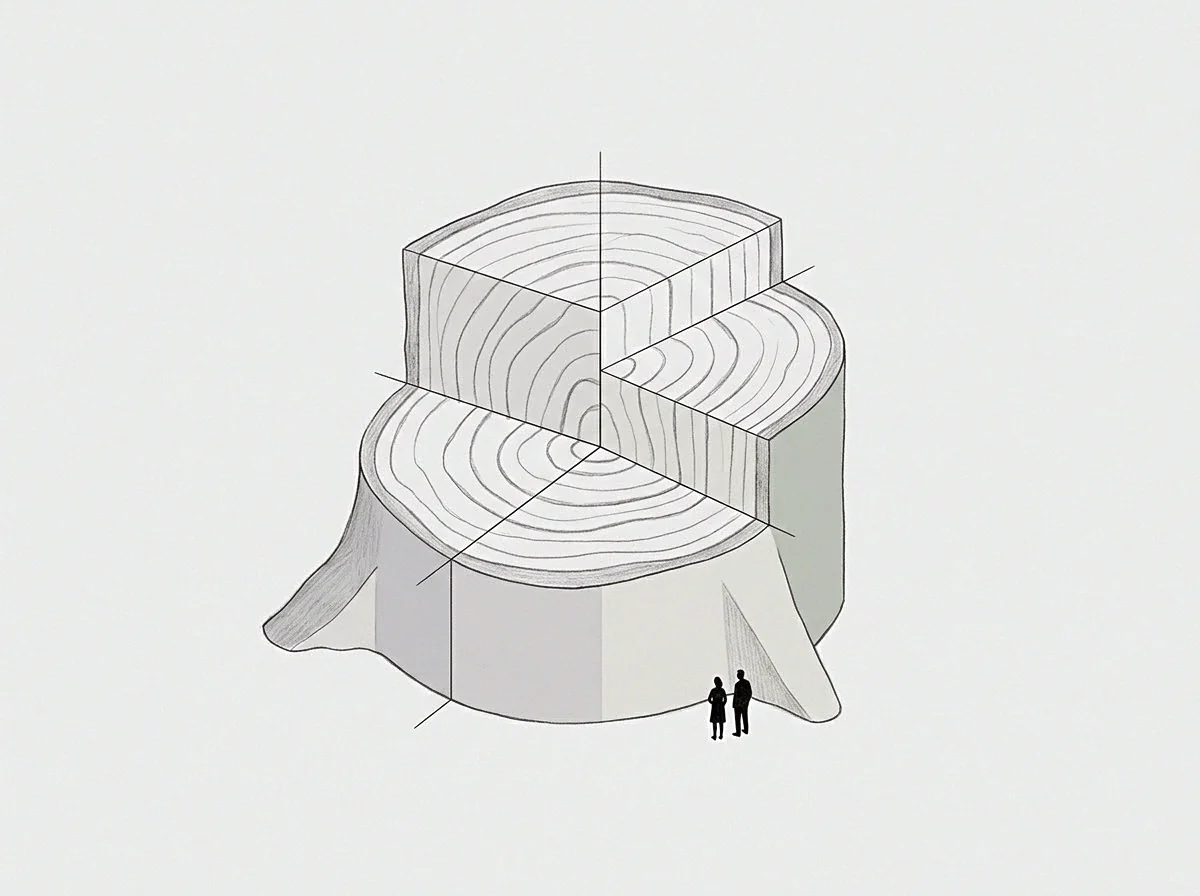
Seat
Two corporate officers review the enterprise authorization ledger at midnight. The primary executive holds title to every operational bank account, vendor agreement, and regulatory filing. The incoming officer possesses an employment contract without signature permissions on corporate credit lines.
Titles conceal internal division. The formal title suggests complete operational authority, while physical access to corporate systems remains locked inside the credentials of the departing leader. When an enterprise transition occurs without staged authority documents, operational velocity drops immediately.
Department leaders receive conflicting directives from two desks. Vendors halt fulfillment while legal counsel reviews conflicting signatures on renewal notices. The business pays for operational ambiguity in lost execution speed and executive fatigue.
A stepped executive charter breaks an undivided executive role into explicit tranches of operational sovereignty. Traditional corporate appointments transfer total managerial authority in a single transaction. This single transaction creates severe operational strain.
The incoming officer assumes full fiduciary exposure before learning the private operating rhythms, vendor commitments, and enterprise debts of the organization. Staged charters separate legal appointment from unrestricted operational sovereignty. The charter defines specific operational thresholds that transfer sequentially across defined governance windows.
The signature creates legal exposure. In early transition phases, the enterprise splits governance rights across parallel tracks. The incoming leader receives full managerial oversight of internal operations, product cycles, and direct staff supervision.
The departing leader retains explicit reservation over banking authorizations exceeding established figures, corporate debt restructuring, and board equity issuances. Power moves along stated thresholds.
Authority stays where the checkbook is signed.
Dividing executive powers requires precise documentation of commercial activities. When an enterprise operates under a single executive, authority functions through personal habit rather than documented jurisdiction. The leader issues verbal approvals for unbudgeted capital outlays, grants informal exceptions to compensation bands, and approves client concessions over telephone calls.
A stepped charter translates these undocumented privileges into measurable enterprise rights. The documentation identifies every corporate instrument requiring legal signature, board assent, or administrative clearance.
When enterprise charters grant blanket sovereignty prematurely, departmental factions split, capital expenditure stalls, and commercial litigation consumes executive time.

Remit
Executive jurisdiction divides across four distinct commercial categories during enterprise handover. These categories encompass treasury disbursements, personnel governance, commercial commitments, and board communication. Each domain operates on an independent release schedule dictated by operational competency rather than the passage of calendar months.
A successor may demonstrate immediate operational command of staff development while requiring supervised integration into enterprise debt covenants.

Does Staged Delegation Prevent Strategic Atrophy?
Enterprise momentum falters when decision rights remain frozen between incoming and departing officers. Staging operational sovereignty protects business execution by establishing definitive authority boundaries for every operational scenario. When market conditions demand sudden capital allocation, operating personnel consult the charter rather than seeking double approval.
The document defines clear financial bands for autonomous decision rights.
- Treasury Tranche defines graduated expenditure thresholds where transactions under fifty thousand dollars execute on single signature while larger sums require dual verification.
- Personnel Jurisdiction assigns autonomous hiring and termination authority over line management while keeping executive committee restructuring subject to board review.
- Commercial Contracting limits independent contract execution to standard terms under twelve months duration during the initial handover phase.
- Corporate Governance retains supervisory board communication within the joint authority of both leaders until final operational transfer concludes.
Capital outlays carry distinct limits. The incoming executive operates with full operational freedom inside baseline corporate budgets approved by directors. Discretionary expenditure outside approved models requires joint signature during early handover phases.
This constraint protects the balance sheet while the successor assimilates enterprise cost structures and operational margins.
A spending limit tied to operating cash flow prevents unauthorized balance sheet erosion.
The division of personnel jurisdiction prevents executive friction during operational transitions. The incoming leader requires authority to direct staff, establish performance benchmarks, and recruit operational talent. Staged charters grant full internal managerial jurisdiction on the initial day of appointment.
Authority over long-term equity allocations, executive departures, and corporate restructuring remains collaborative until formal transition milestones conclude. This structure preserves organizational stability while empowering the successor to lead daily operations.
The reserve power clause returns all unlisted operational determinations to the supervisory directors until formal succession occurs.

Table
Enterprise governance structures vary across transition stages. The stepped charter codifies specific jurisdictional boundaries to prevent operational paralysis during multi-stage executive handovers. Each phase establishes clear legal constraints, expenditure limits, and dispute mechanisms to govern interactions between incoming and outgoing corporate officers.
| Governance Dimension | Tier One Observer | Tier Two Operational Co-Signer | Tier Three Sovereign Executive |
|---|---|---|---|
| Capital Outlay Limit | Zero expenditure authority without primary signature | Autonomous approval up to one hundred thousand dollars | Unrestricted executive authority within annual budget |
| Staff Hiring Oversight | Advisory input on departmental recruitments | Direct hiring authority for non-executive staff | Total authority over executive leadership and hiring |
| Commercial Agreements | Review rights without execution privilege | Dual signature required on multi-year customer agreements | Unilateral execution on all standard business contracts |
| Board Directorship | Invited observer without official voting privileges | Non-voting corporate officer with presentation duties | Full voting corporate director and chief executive |
| System Privileges | Read-only access across commercial banking and records | Secondary verification access on enterprise payments | Primary administrator control across all accounts |
The structured progression outlined above ensures enterprise assets remain secure during operational succession. During the initial tier, the incoming officer observes corporate administration without assuming personal liability for commercial obligations. The secondary tier balances day-to-day administrative authority with dual verification protocols for enterprise risks.
The final tier completes succession by consolidating operational authority inside the new executive office.
Silence invites operational paralysis. In poorly structured successions, an outgoing officer withdraws from daily operations while retaining legal signature authority. Operational managers find themselves unable to sign software renewals, issue employment agreements, or resolve client billing disputes.
The stepped charter resolves this failure mode by linking operational responsibility directly to legal execution privileges.
Formal delegation documents protect operations only when signatories verify practical execution against written covenants.

Transfer
Operational knowledge rarely travels through written manuals alone. Technical documentation captures explicit corporate policies, product architecture, and commercial schedules. It completely omits the undocumented behavioral instincts that allow an enterprise leader to navigate regulatory audits, banking disputes, and key customer escalations.
The cognitive literature on tacit knowledge indicates that complex intuitive skills transfer primarily through deliberate observation and collaborative problem solving.
The grip stage defines the operational period where the successor exercises formal authority while developing intuitive enterprise command. During this interval, the incoming leader manages daily organizational challenges under direct observation from the outgoing officer. The scaffold must remain stable while the successor tests operational boundaries.
In maritime pilotage, an experienced navigator stands beside the shipmaster when steering through unfamiliar coastal narrows. The harbor pilot does not seize the steering wheel during standard maneuvers. The pilot speaks only when water depth drops or commercial shipping threatens the vessel.
Executive succession demands identical procedural discipline.
Every tranche alters operational speed. Outgoing executives frequently undermine transition velocity by interceding during routine operational failures. When a new executive makes an administrative error that carries no systemic consequence, senior leadership must allow the error to complete its educational cycle.
Immediate intervention destroys the successor’s professional credibility among enterprise staff.
Direct observation of board negotiations conveys procedural instincts that written minutes omit.
Scaffolding removal requires structured chronological milestones verified through operational performance. A calendar date provides an inadequate basis for releasing corporate controls. The charter links authority transitions to demonstrated operational milestones, including completion of annual financial audits, renewal of primary banking lines, and successful execution of major customer agreements.
When these tangible operational goals conclude, the outgoing officer’s co-signature requirement dissolves automatically by contractual terms.
Informal influence resists legal drafting. The greatest challenge during operational transfer stems from existing staff members who bypass the incoming executive to seek informal approvals from the former leader. The outgoing officer terminates this behavior by redirecting all inquiries to the designated successor without commentary.
Directing organizational communication through formal channels establishes the new executive’s sovereignty across the enterprise.
The operational mandate exists on paper while actual decisions wait for personal clearance.

Drift
Residual operational entanglements emerge when an outgoing executive vacates the operational suite while maintaining an informal presence inside the enterprise. Even after corporate charters terminate operational authority, departing leaders often retain informal channels with legacy directors and major institutional shareholders. This uncodified influence introduces governance drift into enterprise administration.
The new executive establishes strategic priorities, yet legacy department heads quietly cross-check those decisions against the opinions of the former officer.
Precedent settles unspoken rights. Over years of operational administration, an executive accumulates informal authority that appears nowhere in legal charters or corporate resolutions. This informal influence encompasses subtle personal relationships with commercial lenders, unspoken accommodations granted to enterprise customers, and private understandings with corporate directors.
Codified transition charters cannot extinguish these personal connections through legal drafting alone.
Department heads continue routing capital requests through informal channels months after paper reorganization.
The outgoing executive vacates the room. Clean separation requires the absolute cessation of day-to-day corporate communication. Once the final stepped charter executes, the former officer surrenders enterprise communication accounts, building credentials, and administrative privileges.
Continued physical presence in executive offices dilutes the successor’s authority and fosters operational confusion across staff departments. Administrative boundaries protect executive sovereignty.
Tenure ends when authority terminates. When governance disputes arise during the handover window, the supervisory board functions as the sole arbitrator. The stepped charter specifies that disagreements regarding operational scope do not revert decision rights to the former leader.
The board resolves conflicting interpretations of executive remits based strictly on written covenants rather than historical precedent. Clear documentary standards protect the enterprise from prolonged administrative conflict.
Whether any formal document can prevent an outgoing executive from directing enterprise policy through informal board relationships remains unresolved across corporate practice.