

Measuring Decision Latency During Executive Handover Sequences In Private Firms
Decision latency during executive handovers tracks the temporal expansion between operational triggers and authorized determinations across ownership transitions.
Decision latency during executive handovers tracks the temporal expansion between operational triggers and authorized determinations across ownership transitions.
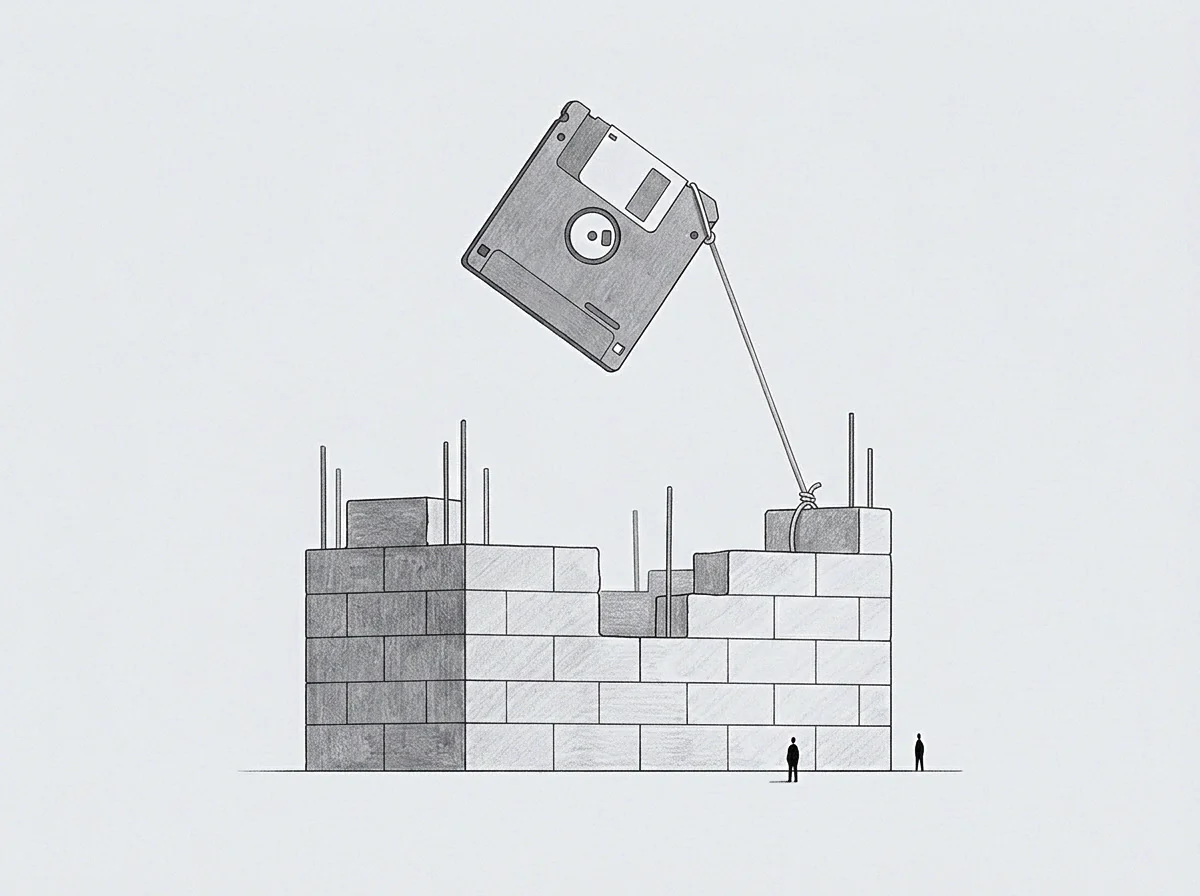
Uncodified knowledge and relational capital survive crisis executive transitions through structured shadow pairing and rapid key counterparty trust stabilization.
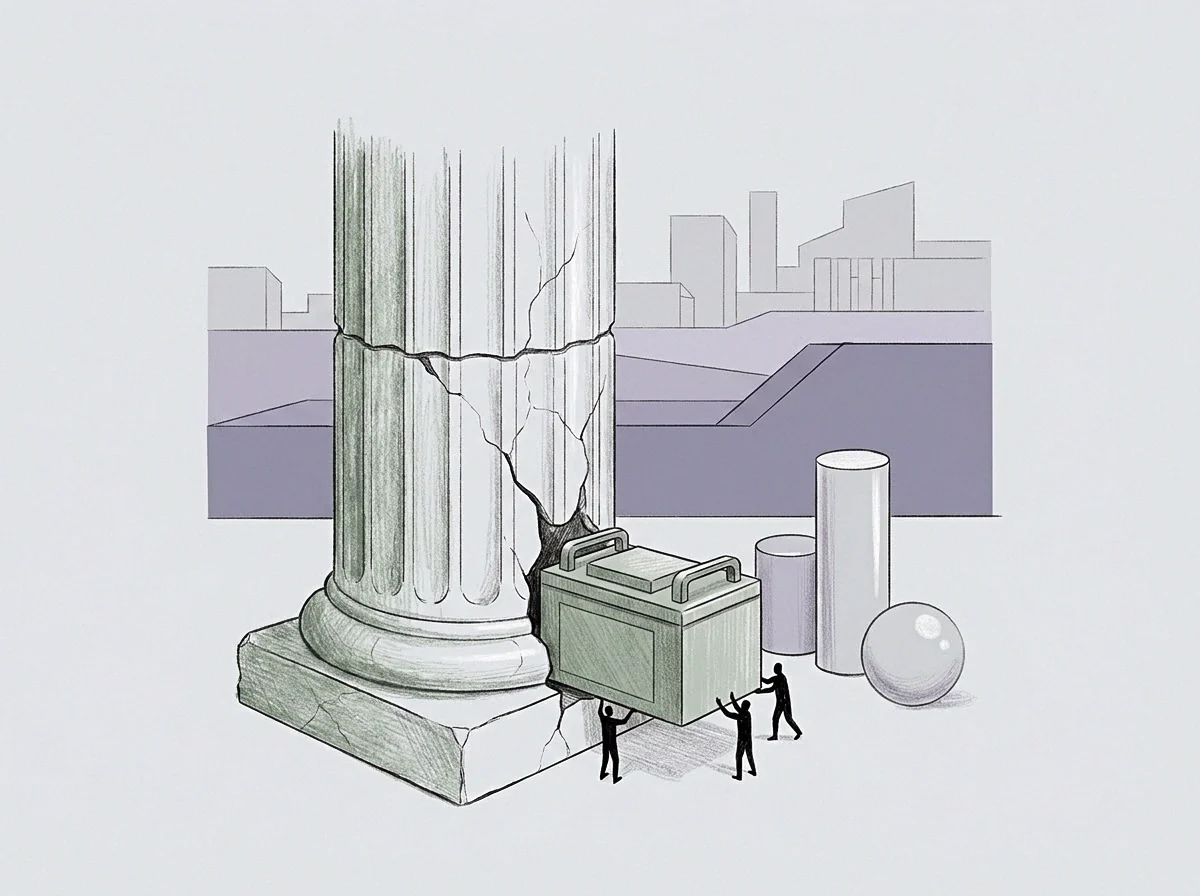
Account governance structures maintain transitional continuity by decoupling authorization rights from personal identity through progressive gating sequences.
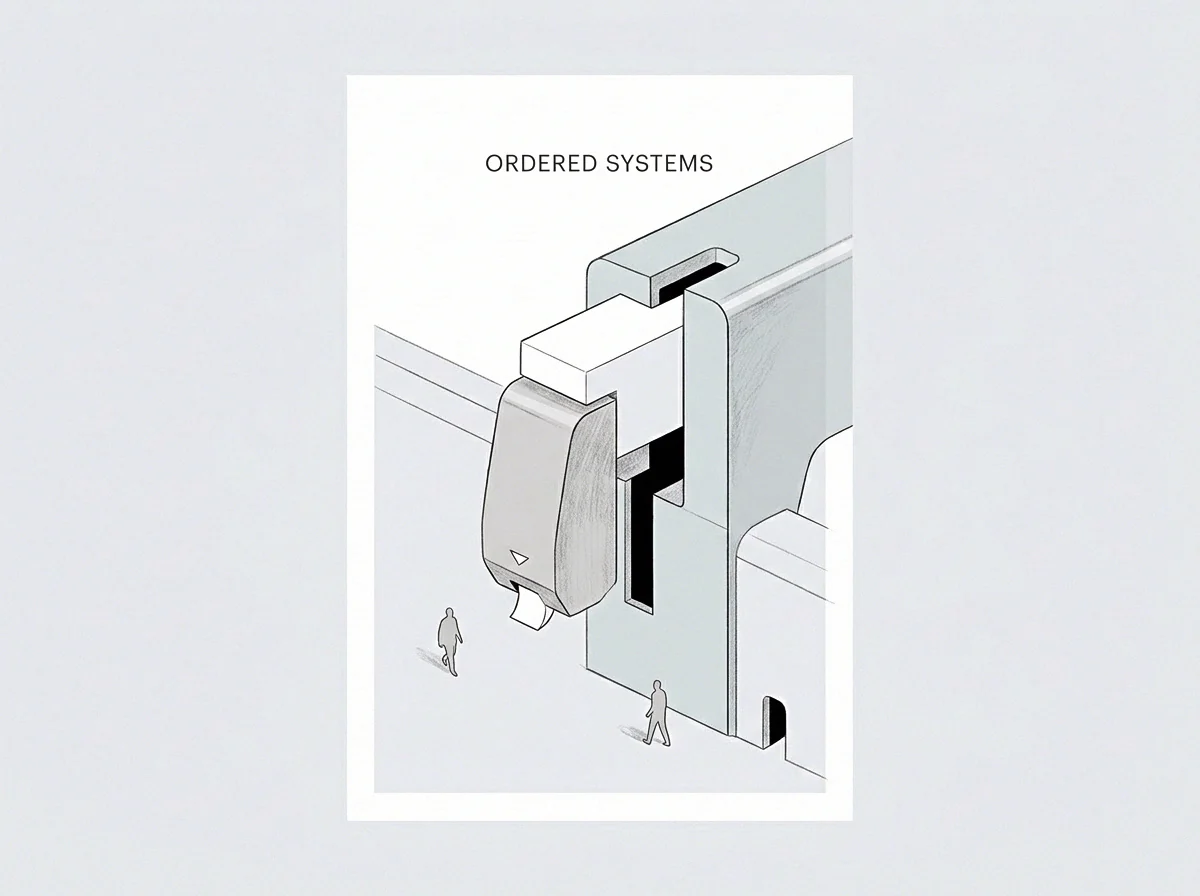
Operational continuity protocols isolate executive seats from personal operating habits by converting unwritten authority into stage-gated corporate procedures.

Decoupling operational knowledge transfer from public executive transition calendars prevents compressed handovers and validates successor performance before exit dates are set.

Operational authority transfers through scheduled migrations of administrative spending limits, binding signatory powers, and codified commercial protocols.
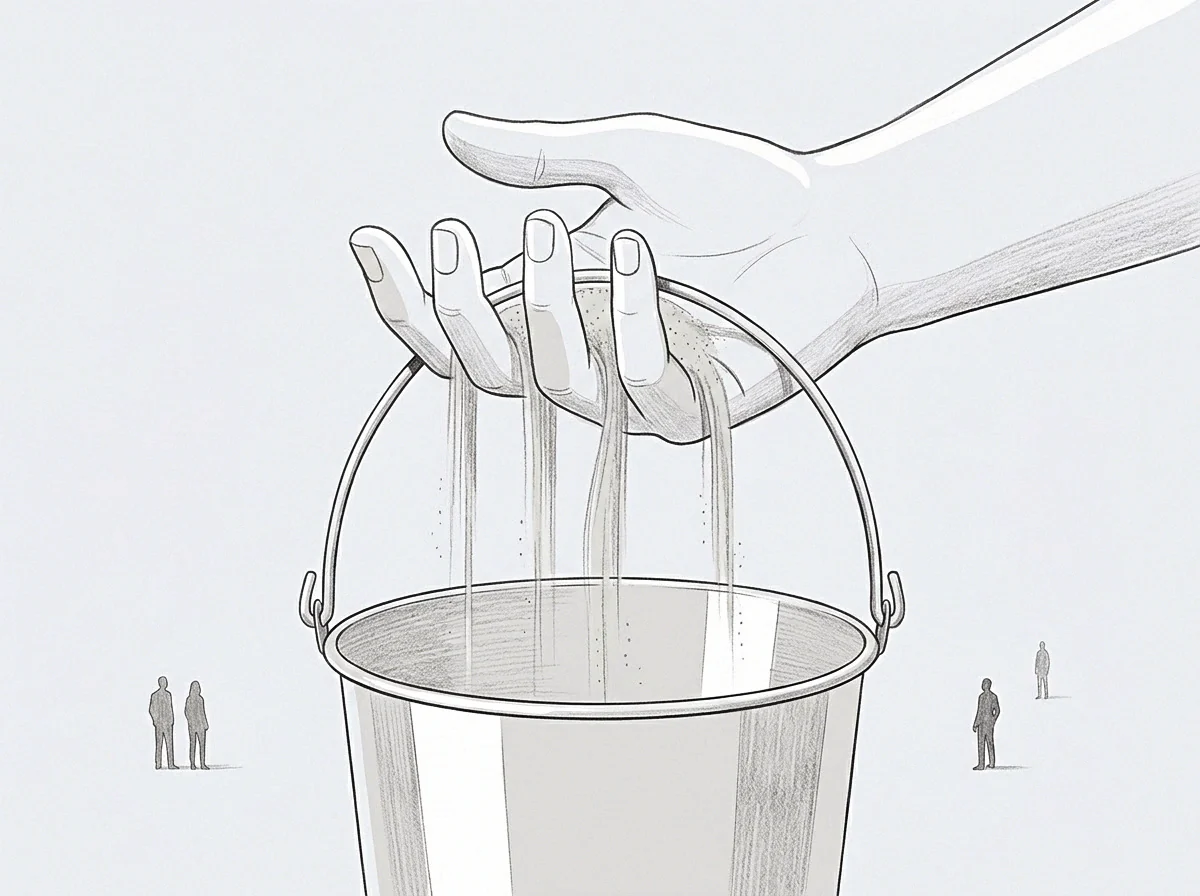
Amending early shareholder agreements during succession aligns voting control with active executive management while converting legacy equity into non-voting stock.
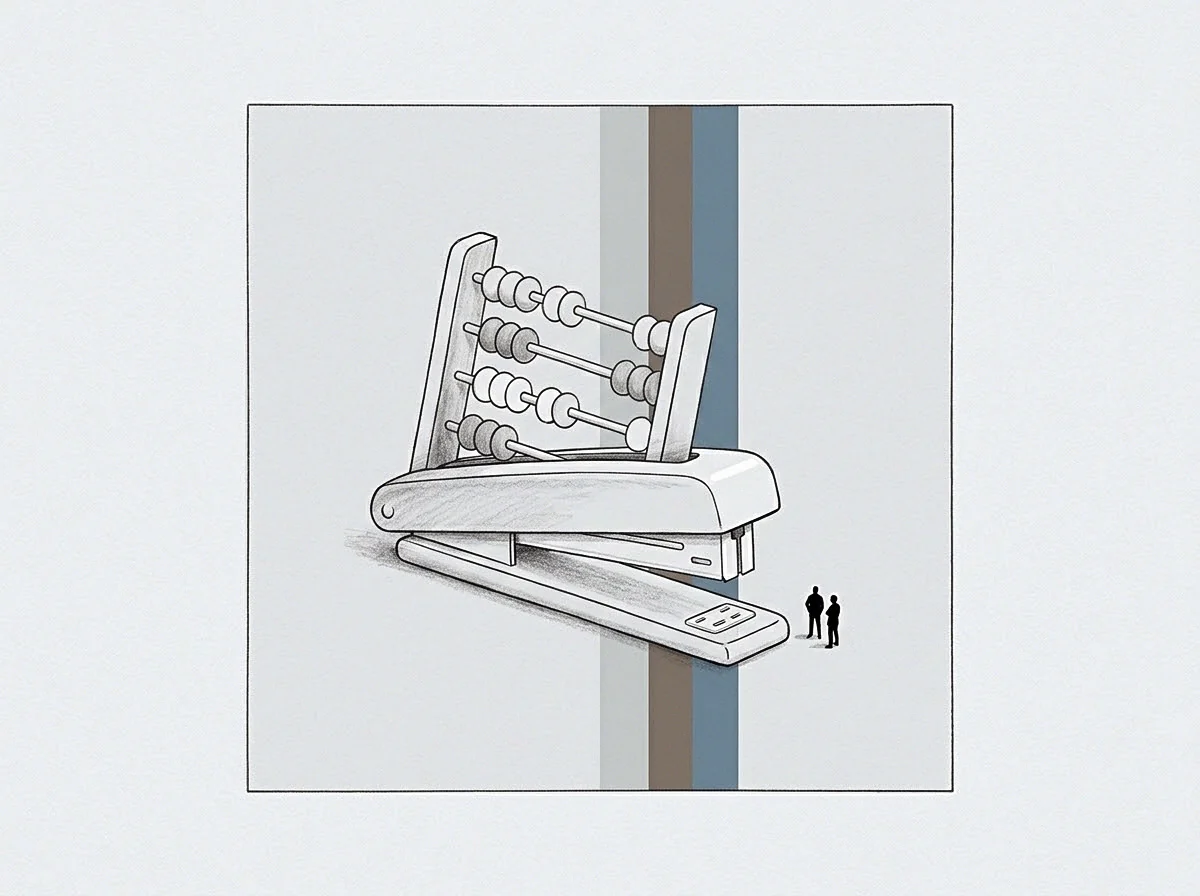
Market stress triggers structural authority reversion to founders through informal relational networks, destabilizing appointed successors during crises.
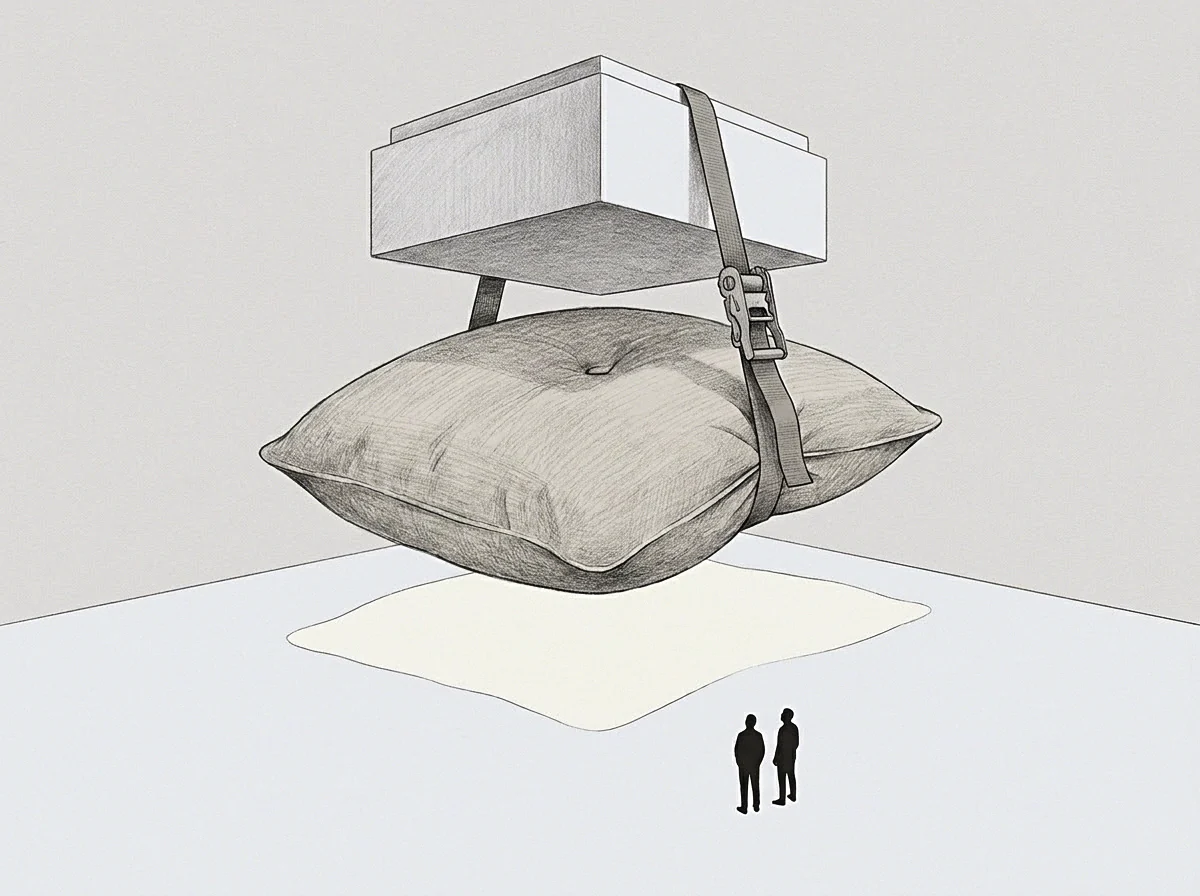
Senior executive operational handover transfers statutory, commercial, and tacit administrative authority through a staged sequence of structured protocols.
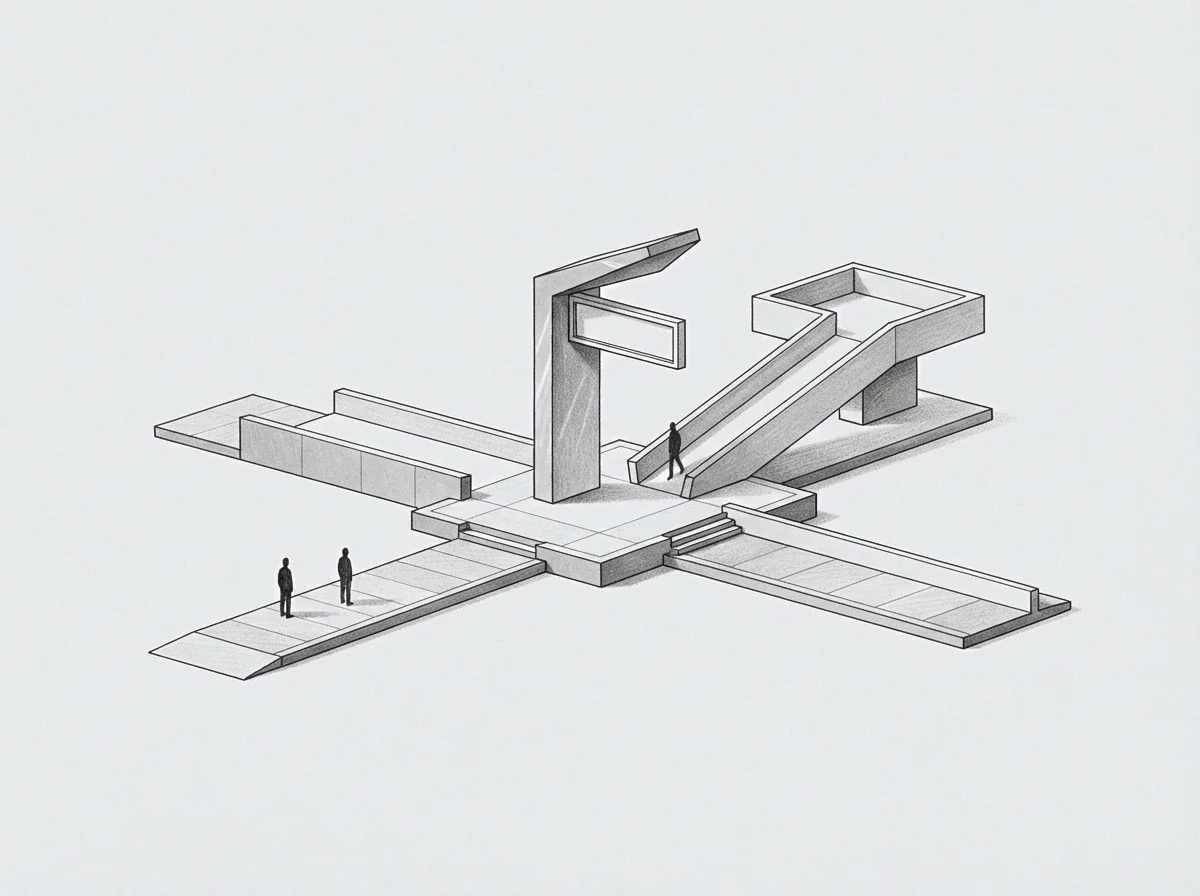
Mapping functional roles separates bundled executive duties into distinct operational seats, eliminating candidate profile traps and securing continuity.
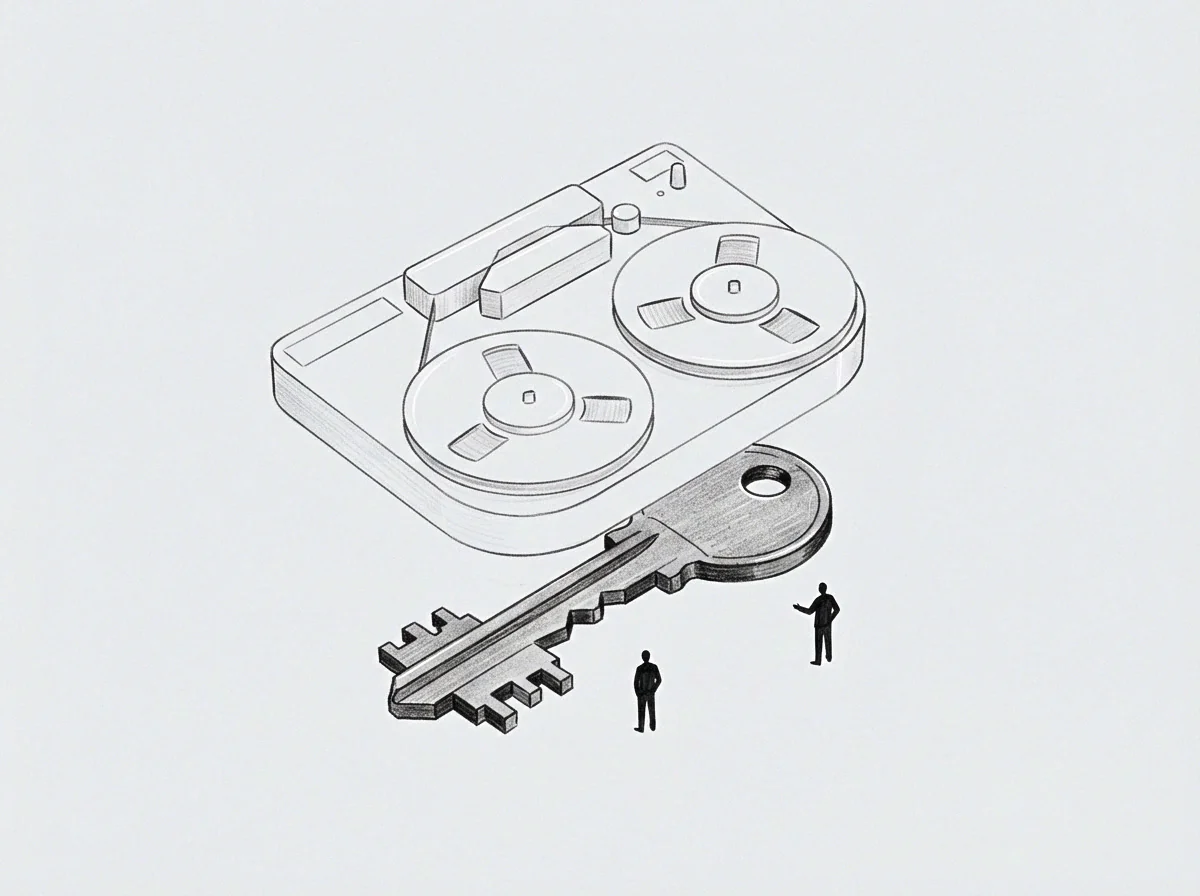
Transferring founder-dependent client relationships requires phased authority migration, explicit tacit knowledge codification, and strict boundary enforcement.
The terms are written where they belong. Each field holds three desks, and every entry a desk writes raises the terms it uses, each term given a meaning, a mechanism and the places it appears. The record on these pages stays first person and hand made; the fields grow the nomenclature.