
Extracting Operational Decision Schemas During Executive Role Transition Sequence
Operational decision schema extraction captures implicit heuristics through dual observation of live variances during structured leadership transitions.

Room
The incoming executive sits before forty unread operational escalations on a Tuesday evening, three weeks into the calendar handover. Each ticket contains sufficient surface detail to demand intervention, yet none discloses the threshold that separated routine handling from senior intervention over the preceding five years. The predecessor built the enterprise by sorting these escalations through rapid reflex, formed across thousands of forgotten operating cycles.
When that predecessor vacates the seat, the explicit workflow remains intact while the underlying filter vanishes entirely.
Executive transitions falter when organizations confuse documentary inventories with cognitive models. Standard handover binders list vendor contacts, recurring meetings, quarterly deliverables, and administrative credentials. These artifacts catalog the visible perimeter of operational responsibility.
They omit the evaluative weighting applied when two commercial priorities collide during supplier failure, liquidity crunches, or sudden labor attrition. The tacit judgment remains bound to the outgoing executive, inaccessible to the successor who inherited the title without the interpretive code.
A handover file registers completed past actions without capturing the conditional branches that produced them.
Cognitive task analysis reveals that expert operators process systemic anomalies by matching incoming situational cues to internalized operational schemas. These schemas operate beneath conscious reflection during routine operations. When asked directly how a strategic trade-off gets resolved, the outgoing leader defaults to generalized maxims that obscure the actual sorting process.
Uncovering those implicit decision rules requires interrogating live anomalies in real time rather than conducting retrospective interviews across an empty conference table.
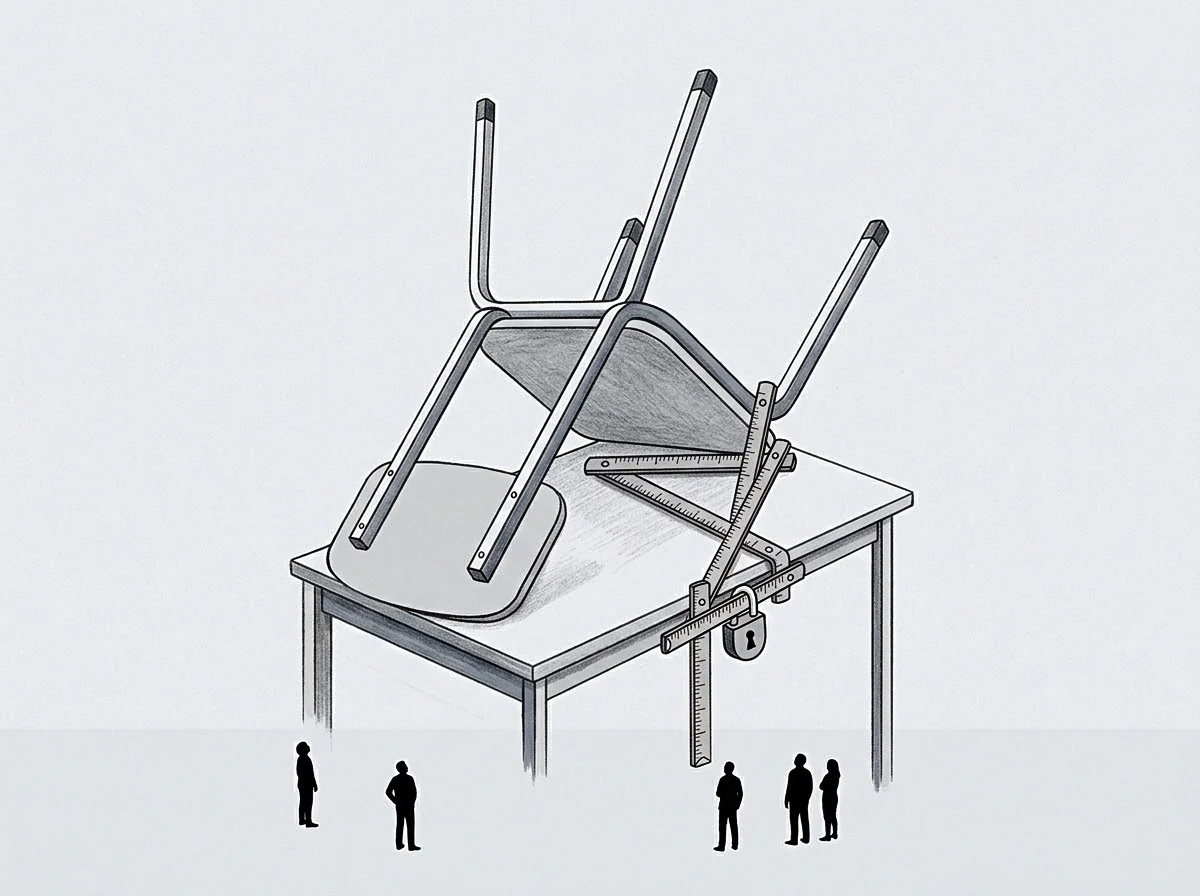
Escalation Thresholds And Implicit Triage
Operational triage within owner-built operations relies on unwritten severity equations. An outgoing operator recognizes the precise inflection where a minor customer complaint signals systemic enterprise vulnerability. This recognition does not stem from formal policy documentation.
It emerges from historical exposure to previous near-miss incidents that left deep behavioral traces.
The successor observes the mechanical output of these decisions without access to the antecedent cues. In typical arrangements, the newcomer either escalates every marginal dispute to maintain safety, paralyzing executive peers, or suppresses critical anomalies to project command, generating latent commercial exposure. Bridging this operational rift requires an intentional method for extracting latent decision models before the predecessor surrenders executive authority.
Leaving these sorting criteria unextracted forces the incoming officer to infer operating boundaries through compounding administrative errors that deplete institutional goodwill across the opening fiscal quarter.

Probe
Direct interrogation rarely extracts operational schemas because established operators compress complex evaluative steps into instantaneous intuitive choices. Applied cognitive psychologists designate this compression as tacit knowledge automation. When an interviewer asks an executive to describe their resource allocation logic, the response typically yields aspirational narratives that drift far from real operational behavior.
Effective extraction isolates critical historical incidents where competing operational priorities forced painful commercial trade-offs.
The structured probe reconstructs specific historical turning points across three distinct operational layers. The extractor maps the perceptual cues visible to the operator immediately prior to the intervention. Next, the inquiry identifies the rejected alternatives that appeared viable on paper but presented unacceptable tail risks to the enterprise.
Finally, the probe isolates the precise operational rule that governed the terminal selection. This sequence surfaces the conditional logic that standard operational documentation conceals.
Operational schemas reveal their true boundaries only when competing corporate obligations force an explicit operational compromise.
Shadow auditing represents an essential complementary extraction vehicle. During the final months of overlapping tenure, the successor shadows the incumbent through active operational decisions, acting as an analytical scribe rather than a passive observer. The incoming executive records the operational stimuli, writes down their own predicted course of action, and compares it directly with the incumbent’s actual intervention.
Divergences between the prediction and the choice expose the exact boundaries of the successor’s latent blind spots.
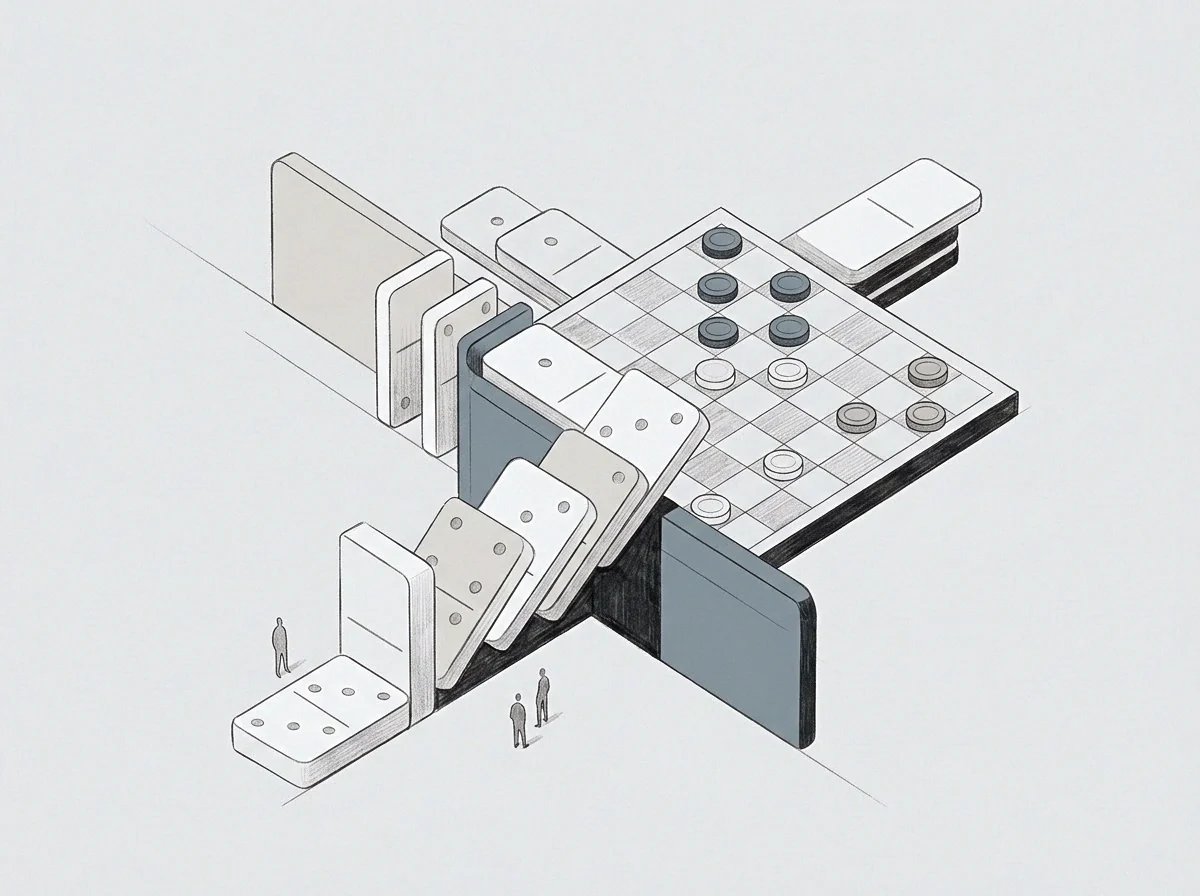
Retrospective Incident Mapping
The critical incident method demands precise parameters to prevent executive retrospectives from degenerating into ungrounded professional storytelling. Incidents selected for analysis must meet strict structural criteria, focusing on operational breakdowns where institutional guidelines offered zero definitive resolution.
- Anomalous Supplier Failure involves sudden raw material defaults requiring immediate balance sheet reallocation without formal governance approvals.
- Key Talent Defection addresses rapid structural realignments executed within forty-eight hours to protect operational continuity across mission-critical infrastructure.
- Client Quality Breaches captures commercial containment interventions that sacrifice short-term gross margins to defend long-term regulatory compliance.
- Regulatory Compliance Ambiguity isolates moments where legal statutes permitted multiple interpretations, forcing the operator to accept bounded liability.
The analytical yield of this protocol depends on rigorous documentation. The incoming operator converts each analyzed incident into a conditional logic node, detailing trigger conditions, critical indicators, trade-off hierarchies, and defensive actions. The predecessor then reviews these synthesized models, checking whether the documented schema matches their actual operational instincts.
Under what conditions does an extracted operational heuristic remain valid when market dynamics alter the fundamental economic incentives of the enterprise?
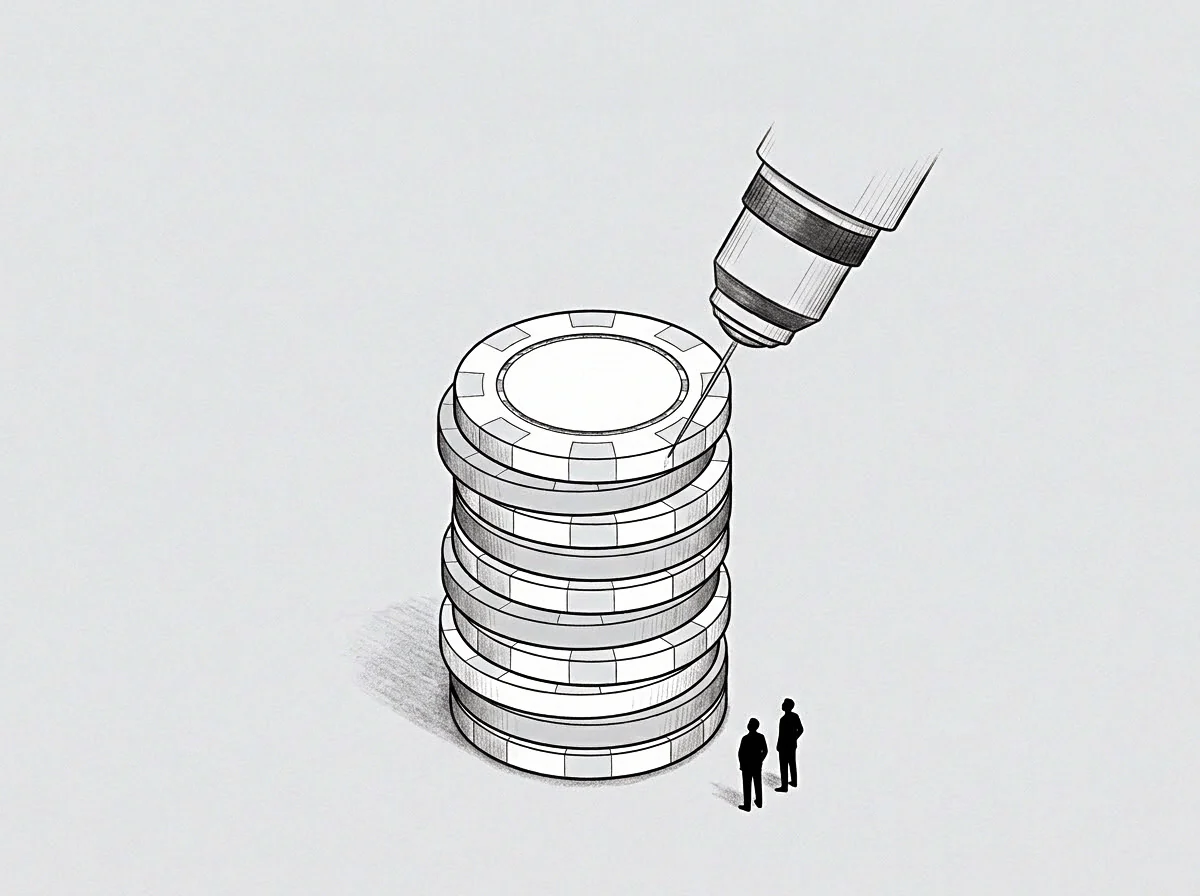
Code
Extracted heuristics require translation into structured decision architecture to outlive the predecessor’s departure. Raw cognitive notes gathered during transition interviews remain unwieldy unless transformed into operational codification frameworks. The organization must formalize these insights into conditional statements that define unambiguous operational boundaries, acceptable risk parameters, and autonomous delegation ceilings.
Converting tacit instincts into codified schemas demands balancing procedural precision with situational latitude. Rigid checklists stifle executive initiative during unexpected market shifts, while vague principles fail to constrain operational drift. The schema operates as an operational heuristic engine, defining the inputs an executive evaluates, the weight assigned to each variable, and the operational thresholds that dictate specific operational moves.
A heuristic codifies the non-negotiable floor beneath which operational discretion cannot drop.
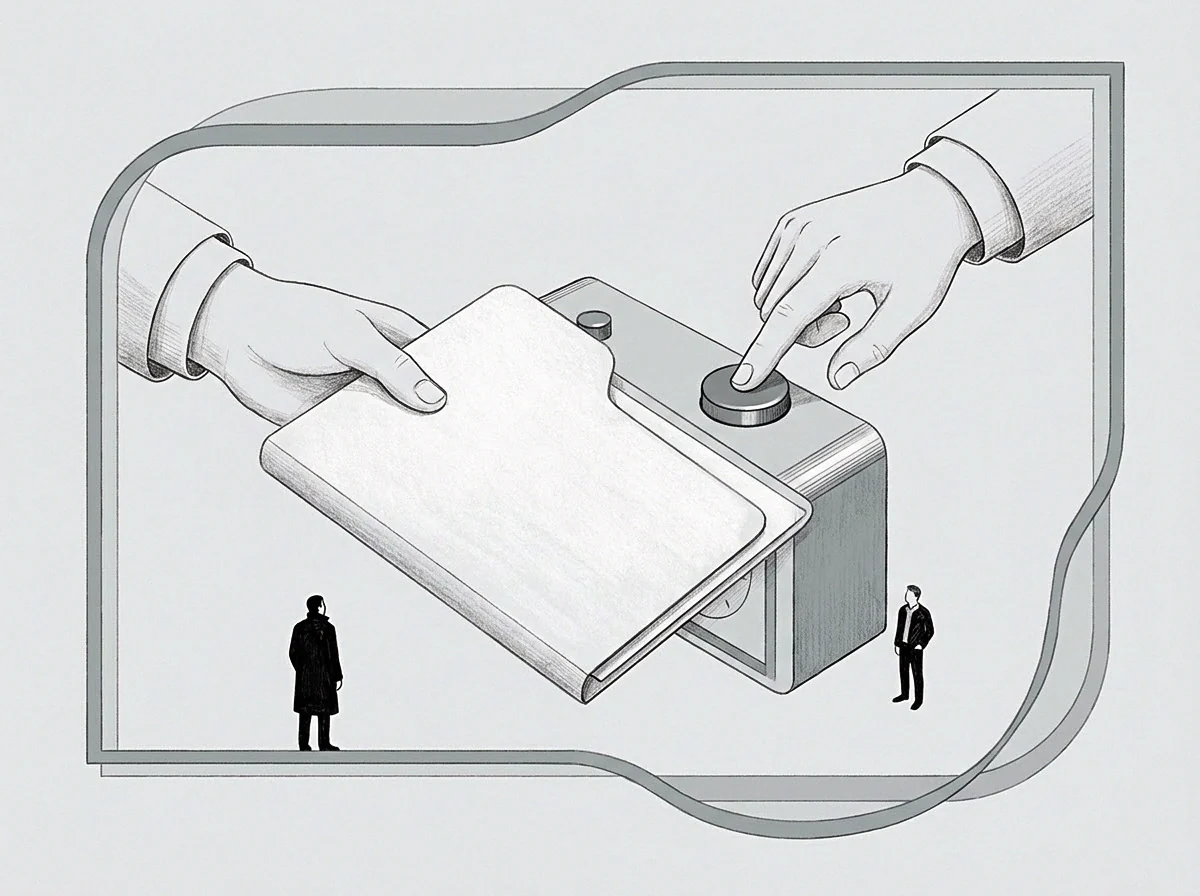
Taxonomy Of Executive Operating Schemas
Different operational disciplines require tailored codification mechanisms. A capital deployment schema relies on quantitative triggers and payback velocity, whereas an operational talent schema hinges on behavioral cues, cultural risk tolerance, and team interdependencies. Capturing these divergent operational models demands distinct analytical schemas.
| Schema Model | Primary Cognitive Focus | Extraction Protocol | Verification Metric | Vulnerability Horizon |
|---|---|---|---|---|
| Threshold Matrix | Autonomous spending ceilings and capital allocation constraints | Historical transaction ledger analysis and variance reconciliation | Budgetary adherence without emergency mid-cycle escalations | Inflationary pressure distorting absolute capital boundaries |
| Conditional Logic Tree | Supply chain resilience and operational triage sequencing | Critical incident mapping of major supply disruptions | Mean time to incident recovery during unassisted cycles | Novel operational failure modes lacking documented branches |
| Proxy Evaluative Filter | Key stakeholder alignment and regulatory exposure tolerance | Paired observation during commercial contract renegotiations | Stakeholder satisfaction scores across key client accounts | Generational turnover within counterparty leadership ranks |
| Heuristic Decision Card | Product trade-offs between rapid delivery and quality hygiene | Shadow auditing during active production incident scrums | Defect escape rates post-release under successor management | Technological architectural shifts rendering old rules obsolete |

Whose Heuristics Govern When Unforeseen Exceptions Surface?
The codification process frequently uncovers deep operational contradictions within executive suites. The outgoing founder believes they prioritize long-term client retention above gross margin performance, yet historical ledger data demonstrates repeated instances of terminating margin-dilutive accounts during liquidity crunches. Codification surfaces these operational realities, stripping away founder mythology to expose actual commercial priorities.
The code must articulate what stays with the departing individual and what transitions into institutional architecture. The formal schema captures procedural sequences, regulatory tripwires, and economic constraints. The intuitive timing, the cadence of persuasion, and the quiet relational read remain behind.
The seat receives the formal blueprint, while personal instinct departs through the lobby.
The documentation looks complete on the desk, but it misses every nuance of how the counterparty responds under commercial stress.
Trial
Testing extracted decision models requires controlled operational friction before the predecessor relinquishes institutional oversight. Theoretical knowledge of a decision schema does not guarantee competent execution under commercial pressure. The executive transition sequence must incorporate a structured trial period where the successor exercises operational command under active observation.
This phased validation sequence applies cognitive scaffolding to executive succession. In the initial phase, the incumbent makes operational decisions while verbalizing their reasoning in real time. In the second phase, the successor makes operational calls on live matters while the incumbent observes silently, stepping in solely to avert catastrophic operational damage.
In the terminal phase, the successor operates with full autonomy, conducting retrospective debriefs with the predecessor on a weekly cadence.
Scaffold removal must proceed with calibrated intent. Removing advisory scaffolding prematurely induces executive panic and operational paralysis, while maintaining it too long paralyzes the incoming officer in a permanent state of subordination. The organization assesses operational readiness through observed schema congruence rather than elapsed calendar weeks.
Consider an enterprise generating forty million in annual recurring revenue experiencing a transition in its chief operating seat. Assume the outgoing operator managed sixty vendor agreements with informal performance agreements held entirely in personal memory. The incoming executive assumes operational control over these contracts during a ninety-day transition window, tracking decisions across a shared validation ledger.
- Observation Phase requires the incoming executive to record operational rationales across twenty consecutive commercial decisions made by the incumbent over thirty business days.
- Joint Deliberation shifts the responsibility to the successor, who generates written decision proposals for fifteen pending contract renewals before securing incumbent endorsement.
- Autonomous Execution grants unreviewed commercial signature authority to the successor for agreements below two hundred fifty thousand dollars, subject to weekly retrospective reconciliation.
- Terminal Handover removes all operational oversight mechanisms following thirty consecutive days of zero schema variance on contract dispute resolutions.
Field research within industrial operations shows that executives who undergo structured cognitive apprenticeship reach autonomous productivity forty percent faster than peers placed into unguided sink-or-swim handovers. This acceleration stems from eliminating the cognitive dissonance that emerges when formal company policy directly contradicts informal operating realities.
Authority resides wherever the organization looks for resolution when operational ambiguities threaten enterprise stability.

Post
The terminal phase of executive transition begins the moment the predecessor physically vacates the operating office. Residual operational tethers must sever cleanly to enable the successor to fully inhabit the operational seat. Retaining an outgoing founder or long-tenured executive on an ambiguous advisory retainer frequently undermines the extracted decision schemas by encouraging junior staff to bypass the successor through shadow communication channels.
When operational schemas have been thoroughly extracted, codified, and validated, the successor possesses the cognitive infrastructure to govern autonomously. They do not duplicate the predecessor’s exact personality or behavioral mannerisms. They deploy functional models of institutional logic, allowing them to produce coherent operational outcomes while adapting to evolving market conditions.
The extracted schema serves as a baseline for future organizational evolution rather than a perpetual operating straitjacket.
The successor inevitably discovers latent operational blind spots that escaped extraction during the transition sequence. These gaps represent the irreducible residue of long tenure: relational subtleties, historical corporate memory, and intuitive industry pattern recognition that resist extraction protocols. Acknowledging this structural residue preserves operational vigilance, preventing overconfidence in written operating manuals.
The formal transition contract must define the precise date of operational independence, terminating informal consultation access to prevent cognitive dependency across the executive committee.