
Neutralizing Shadow Relational Authority Matrixes In Owner Operated Transitions
Shadow relational authority neutralizes by systematically dismantling informal founder communication channels and establishing explicit decision governance.

Conduit
Long-tenured staff often direct questions to a departed founder through private channels long after a formal handover concludes. This pattern emerges in privately held businesses when operational authority moves to a successor while personal loyalty remains tied to the predecessor. Employees seek implicit validation for routine decisions, texting legacy phone numbers and treating the new manager as a temporary placeholder until the previous owner confirms the choice.
Informal authority networks operate through three primary mechanisms in owner-operated firms. First, historical precedence creates default habits where employees weigh new directives against remembered founder preferences. Second, relational equity accumulated over years lets legacy staff trade on personal history, effectively bypassing new operational policies.
Third, the outgoing owner often offers quiet reassurance to trusted lieutenants, maintaining a parallel hierarchy alongside formal management.
A relational authority matrix survives when informal communication between legacy staff and departing owners continues during succession periods.
These informal channels create persistent friction in daily operations. Decision authority fractures, work slows down, and incoming leaders take accountability for outcomes without the internal leverage needed to enforce compliance. The resulting delay in project cycles spreads confusion as department managers begin hedging their commitments.

Wall
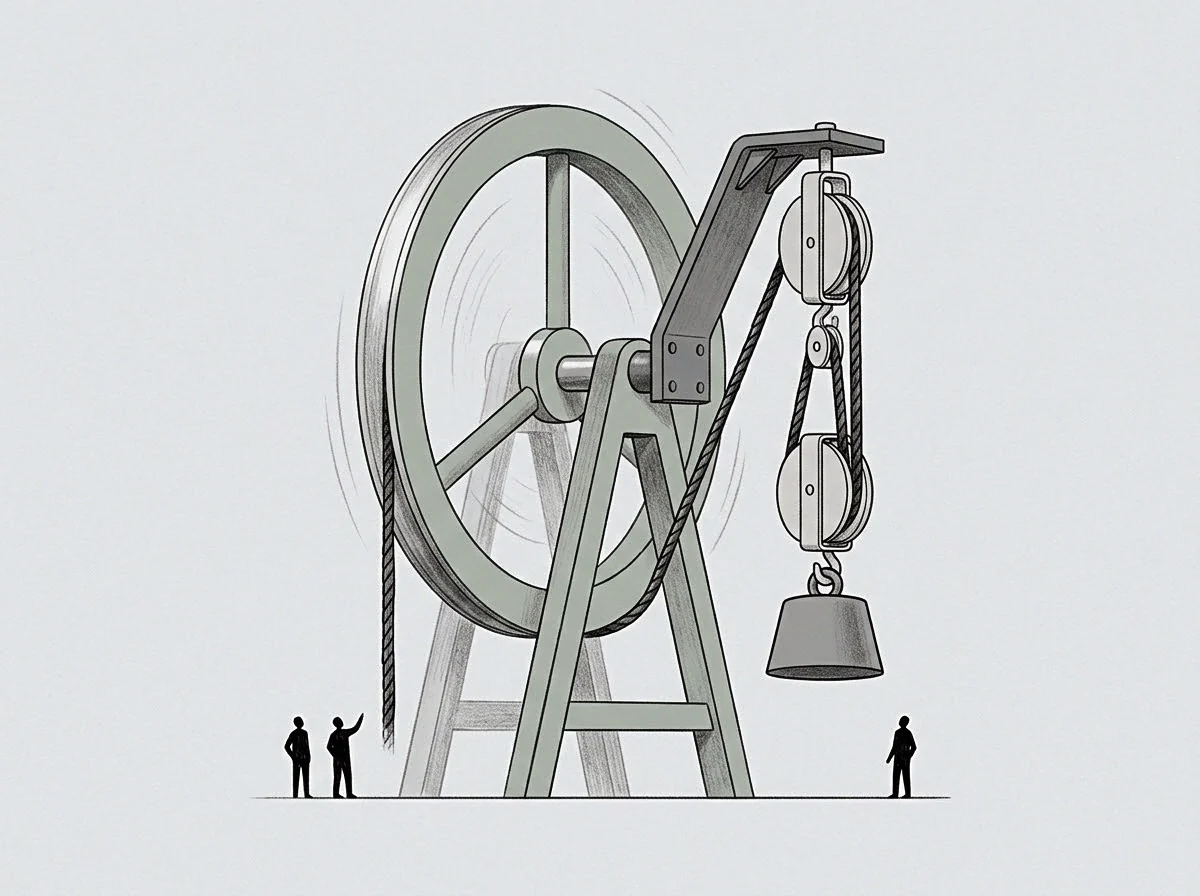
Severing Direct Operational Reassurance
Physical and digital separation helps shield daily operations from legacy owner intervention. Transitioning requires closing shared administrative accounts, revoking internal messaging permissions, and shutting off direct access to operational telemetry on a fixed date.
When employees bypass the successor to ask the founder for guidance, the founder must redirect the inquiry without offering commentary. That redirection relies on a consistent response that points the inquiry back to the appointed operator, ensuring disengagement remains complete across operational matters.
Silence sets the boundary, though staff will test it repeatedly during the first ninety days after succession. If the founder answers even one operational question, the bypass pattern resets completely; steady refusal is what breaks the habit.
Operational boundaries hold only when outgoing owners refuse informal consultations regarding active company matters.
Subordinates adjust once backchannels close for good, ending late-night requests for private reassurance as soon as response stops.

Buffer

Restructuring External Stakeholder Interlocks
Key clients and core suppliers form a second vector of shadow authority. Major accounts often demand direct access to the founder to maintain business, treating successors with skepticism. Shifting these relationships to the enterprise requires an intentional buffer layer that separates commercial ties from individual personalities.
Commercial relationships move over through structured joint meetings followed by firm operational handoffs. These transitions work when accounts transition from personal understandings into standardized service agreements managed by cross-functional account teams.
| Authority Channel | Owner-Operated Baseline | Transitional Buffer State | Institutionalized Mandate |
|---|---|---|---|
| Client Governance | Direct founder consultation | Dual-custody client reviews | Dedicated account management teams |
| Vendor Pricing | Informal handshake concessions | Documented commercial terms | Standardized procurement contracts |
| Staff Escalations | Founder private office meetings | structured managerial mediation | Formal operational review hierarchy |
| Capital Commitments | Discretionary owner approval | Joint investment thresholds | Governance board authorization limits |
Staff loyalty follows access to information. When communication stays within official channels, informal influence fades, and organizational dependencies reorient around official leadership once former owners no longer allocate resources.
Protocol

Formalizing Escalation Ladders
Removing shadow authority requires clear governance terms that specify decision rights explicitly. Ambiguity allows informal authority loops to persist, whereas defined delegation schedules eliminate the discretionary gray areas where legacy influence takes hold.
The enterprise establishes clear operational control through specific sequential interventions:
- Delegation Schedules specify financial expenditure and operational decision limits for each managerial tier, tying authority directly to job descriptions.
- Account Reassignment Mandates transfer primary client relationships to successors while barring outgoing owners from commercial renegotiations without written board approval.
- Communication Firewalls revoke administrative access, internal chat accounts, and corporate email for departing leadership on the effective transition date.
- Discretionary Cap Agreements limit transitional founder involvement to quarterly strategic reviews, preventing ad-hoc operational involvement.
The formal transition agreement grants operational exclusivity to the incoming leader, rendering informal commitments made outside established protocols void under corporate governance rules.

Anchor
Operational succession holds when relational legitimacy transfers completely. As the successor exercises independent decision-making, internal teams shift allegiance toward the active role, though the process requires months of disciplined restraint from everyone involved.
Legacy staff adapt to the new hierarchy once former backchannels yield no results. As predictable routines replace personal favors, the organization stabilizes around formal systems and the successor establishes institutional authority independent of the founder.
Relational authority shifts to the active operator once legacy channels prove non-functional over time.
The broader operational challenge is how leadership teams preserve institutional knowledge while dismantling the informal power structures that built it.