
Quantifying Structural Capacity Decay Caused By Post Transition Relational Shadow Decision Routing Mechanisms
Informal backchannels to former leaders bypass appointed successors, creating duplicate decision reviews, latency amplification, and structural authority decay.
Signal
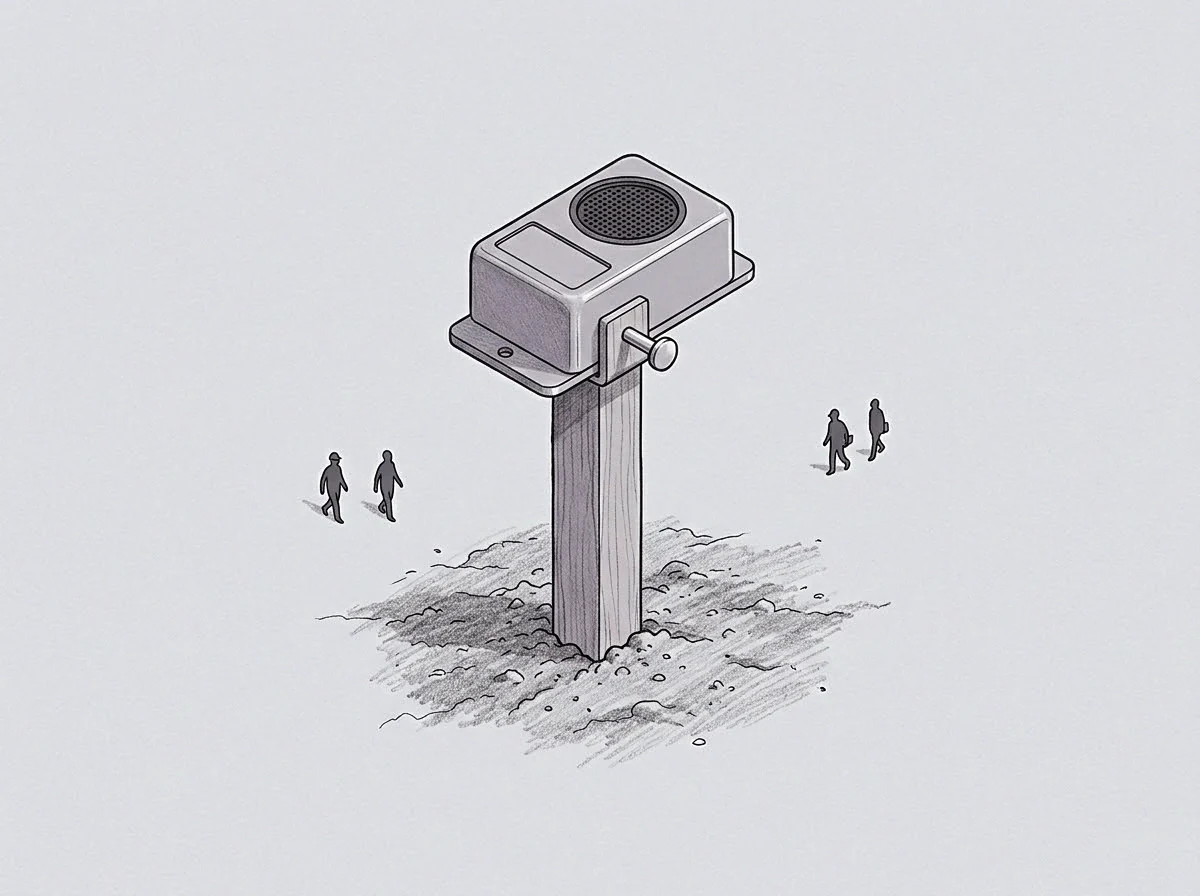
Ten weeks after an executive handover, operational inquiries still filter into the former leader’s private messaging channels. Staff members who built tenure under the prior administration bypass the successor, looking for quick clearance through an established personal tie. This informal rerouting operates beneath formal governance charts.
Work proceeds through familiarity rather than assigned accountability, leaving the official organizational diagram intact while actual decisions run through personal history.
A post-transition shadow routing arrangement emerges whenever authority transfers on paper while deference remains tied to an individual. The pattern goes beyond ordinary consultation. Relational routing issues binding permissions, shifts project priorities, and reallocates capital without logging the intervention in the formal operational record.
The official system captures only downstream fallout from choices made elsewhere.
A relational shadow route opens whenever staff bypass the successor to secure faster historical dispensation from an unseated leader.
Three operational markers reveal this subterranean pathway:
- Asynchronous private clearance where staff members validate expenditure or product alterations via private text message before presenting proposals to the appointed executive.
- Retrospective justification loops in which project leaders alter project documentation to match private verbal agreements reached with the predecessor.
- Selective escalation pauses wherein teams intentionally delay executive submissions until the former director visits the physical office.
Information moves along lines of social proximity rather than hierarchy. The appointed executive presides over open calendars while friction accumulates across unmonitored backchannels. Queries handled outside formal channels conceal production delays until project deadlines fail outright.
Permitting unrecorded backchannels during executive changes leaves organizations with divided loyalties, unbudgeted labor expenditures, and stalled administrative momentum.
Leakage
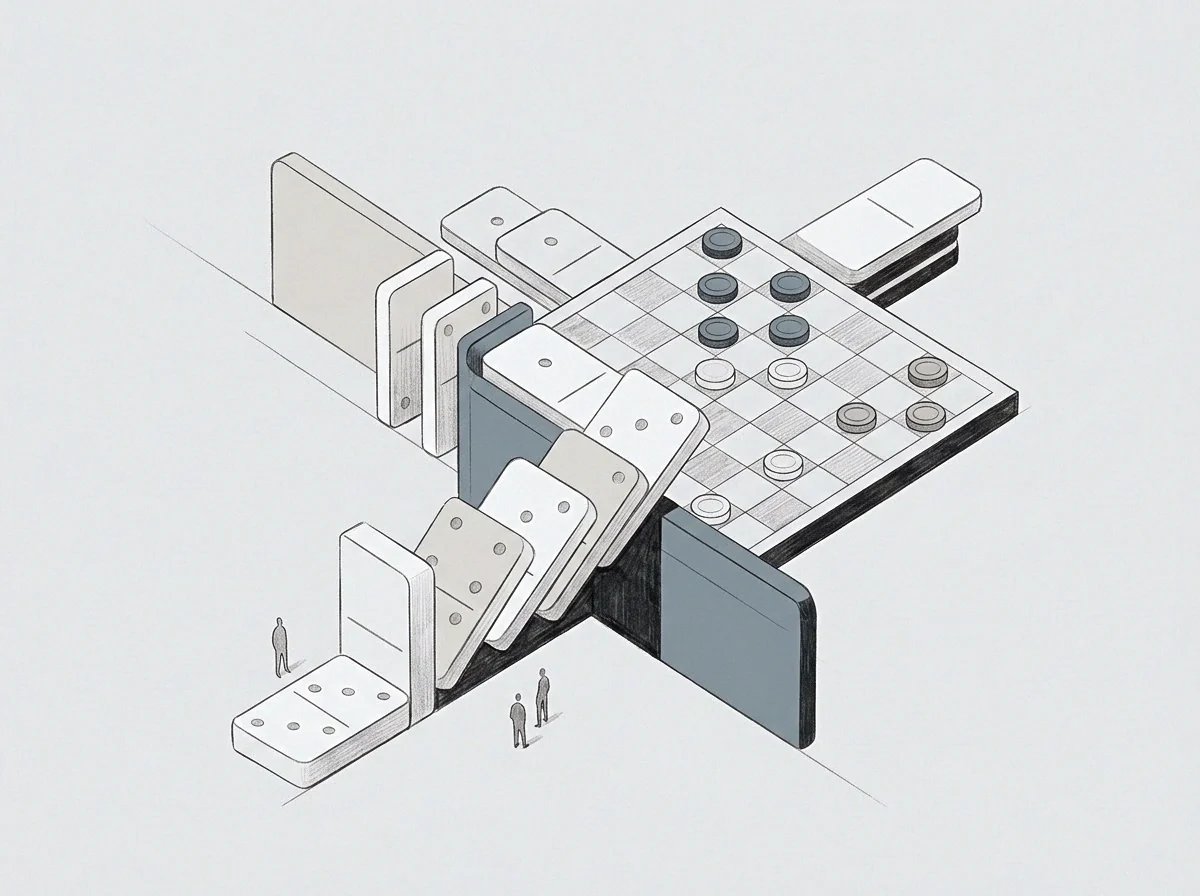
Quantifying capacity loss from relational rerouting starts with operational time logs. Latency compounds whenever decisions traverse two management tiers at once. An operator queries the former leader, triggering shadow deliberation, and then waits for an off-the-record answer.
Meanwhile, the successor reviews the same issue without the missing context. A single operational event winds up being evaluated twice.
Which Structural Signals Expose Shadow Decision Paths?
Dual-routing creates measurable friction across departmental workflows. The primary metric is latency amplification, measured as the elapsed time between initial problem identification and final operational execution. Formal channels clear routine approvals in three hours.
Shadow checks push that timeline out to forty-eight hours because staff wait on two competing sources of validation, delaying action until both parties align informally.
Administrative payroll drains through redundant review hours. Senior operators allocate up to twenty percent of weekly working hours to managing alignment discrepancies between past and present executive sponsors. Capacity decays as informal communication volume rises, lowering team throughput and splitting operational priorities.
A secondary metric tracks decision reversal rates. Directives issued by the new executive are countermanded when team members cite private conversations held with the predecessor. The reversal rate tracks the percentage of executive directives amended within fourteen days of publication.
A reversal rate exceeding eight percent indicates entrenched structural decay.
Operational capacity diminishes whenever dual review cycles double the baseline calendar hours required for routine administrative authorization.
Staff fatigue compounds the mechanical loss of hours. Middle managers absorb structural ambiguity, unsure which directive carries statutory standing. Key talent departs when governance structures fail to protect formal mandates, eroding internal stability.
Unresolved friction consumes productive energy without generating corresponding commercial output.
Table
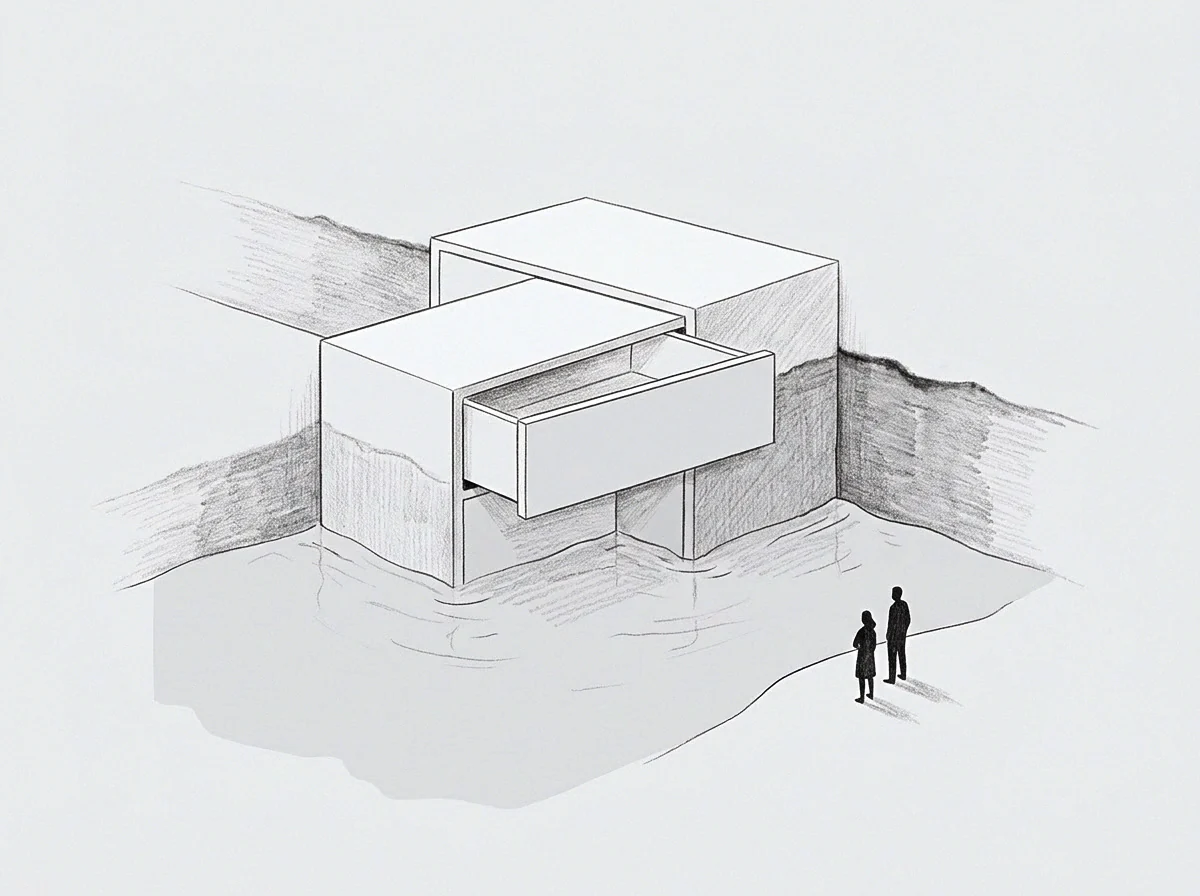
Evaluating the divergence between formal processes and shadow interactions requires direct comparison across specific operational categories. The structural divergence becomes apparent when analyzing how authority functions inside daily company tasks.
| Decision Class | Formal Governance Routing | Relational Shadow Routing | Observed Capacity Decay Factor |
|---|---|---|---|
| Capital expenditure below standard review thresholds | Department head reviews budget availability, logs authorization in finance system, releases funds within one business day | Operator requests informal endorsement from predecessor via personal call, successor approves blind invoice three days later | Triple labor allocation, unrecorded commitment obligations, four-day transaction delay |
| Product scope revision and release staging | Product manager submits documentation through tracking system, architecture committee assesses schedule impact | Engineering lead secures verbal concession over coffee with historical technical lead, roadmap drifts without documentation | Eighty engineering hours wasted on abandoned sprint tasks, sprint velocity decreases twenty-two percent |
| Compensation adjustments for tenured staff | People operations assesses market bands, compensation committee approves structured band progression | Employee leverages personal relationship with predecessor to obtain advisory endorsement, overriding standard equity schedule | Internal equity distortion, peer retention risks, ten administrative dispute hours |
| Vendor selection and supply agreements | Procurement scores bids across vendor profiles, legal counsel executes standard commercial terms | Predecessor promises ongoing commercial relationship to legacy vendor, leadership pays legacy retainer under social pressure | Fourteen percent procurement cost premium, dual vendor overhead, redundant software seats |
The comparative data demonstrates that shadow interactions degrade organizational speed across technical and administrative functions alike. The operational tax compounds when recurring transactions hit unmonitored backchannels. Clear governance mandates remain essential to protect functional capacity.
A formal non-interference clause bound to executive transition compensation terminates informal clearance pathways by attaching financial penalties to backchannel governance interventions.
Drift
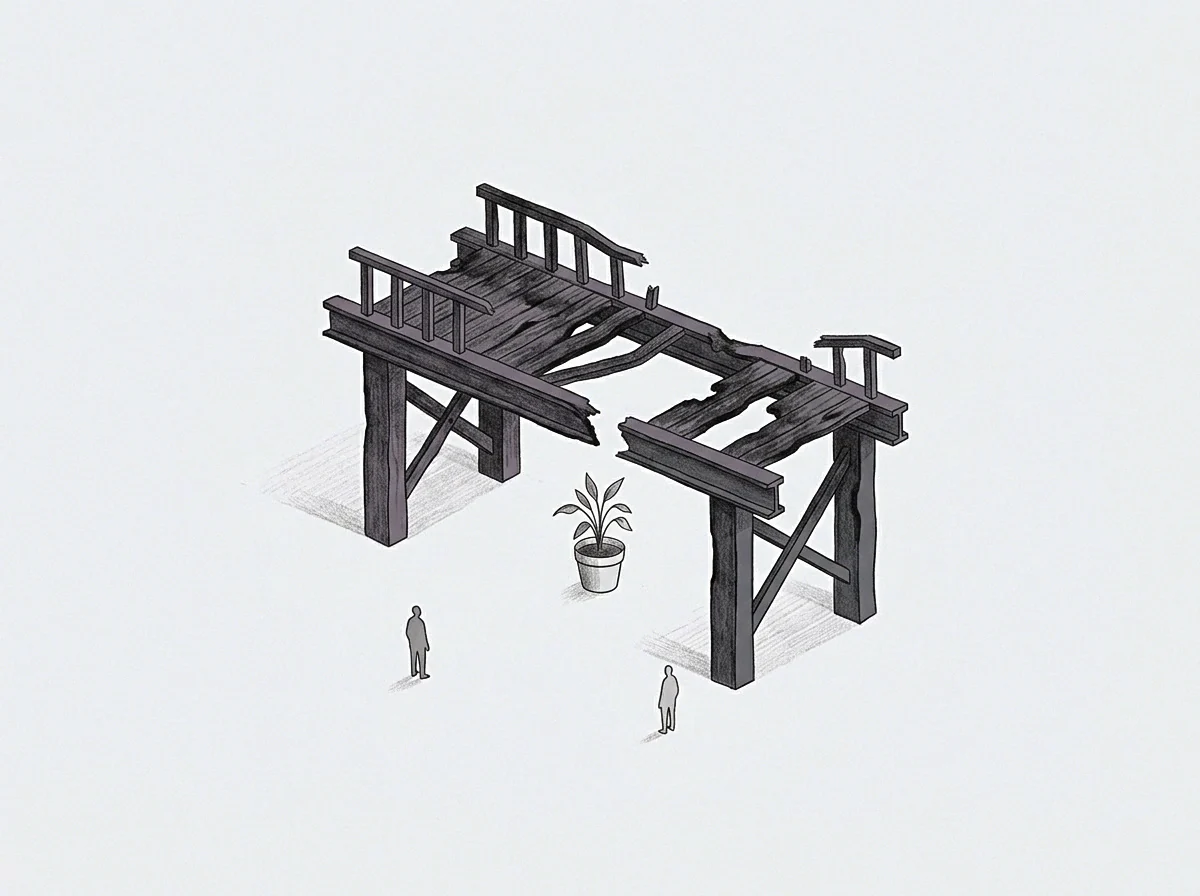
Systemic organizational erosion develops when shadow channels persist beyond six months. The successor’s standing atrophies as operational authority thins out. Subordinates treat official leadership meetings as performative rituals, reserving genuine policy debates for offline discussions with the predecessor.
The office retains legal accountability while operational direction stays anchored to a legacy figure.
Successor leaders often respond by pulling back their operational reach. Faced with quiet friction, the appointed officer stops initiating strategic changes, focusing on routine compliance while larger structural issues go unaddressed. Decision quality drops because legacy leaders possess outdated context yet wield effective veto power over daily tactics.
Institutional capacity collapses when the titular officer retains statutory liability while operational control stays tethered to historical relationships.
The predecessor’s advisory posture acts as an unmanaged drag on operations. What presents as casual stewardship functions as direct organizational interference, even if the predecessor rarely notices the disruption. A passing remark dropped into an engineering conversation carries the weight of an executive order to a tenured developer.
The formal leader only discovers the intervention weeks later when project milestones slip, diffusing accountability between both parties.
The formal organizational chart remains respected on paper, yet strategic decisions continue to pause for private approval from the previous owner.
Settlement
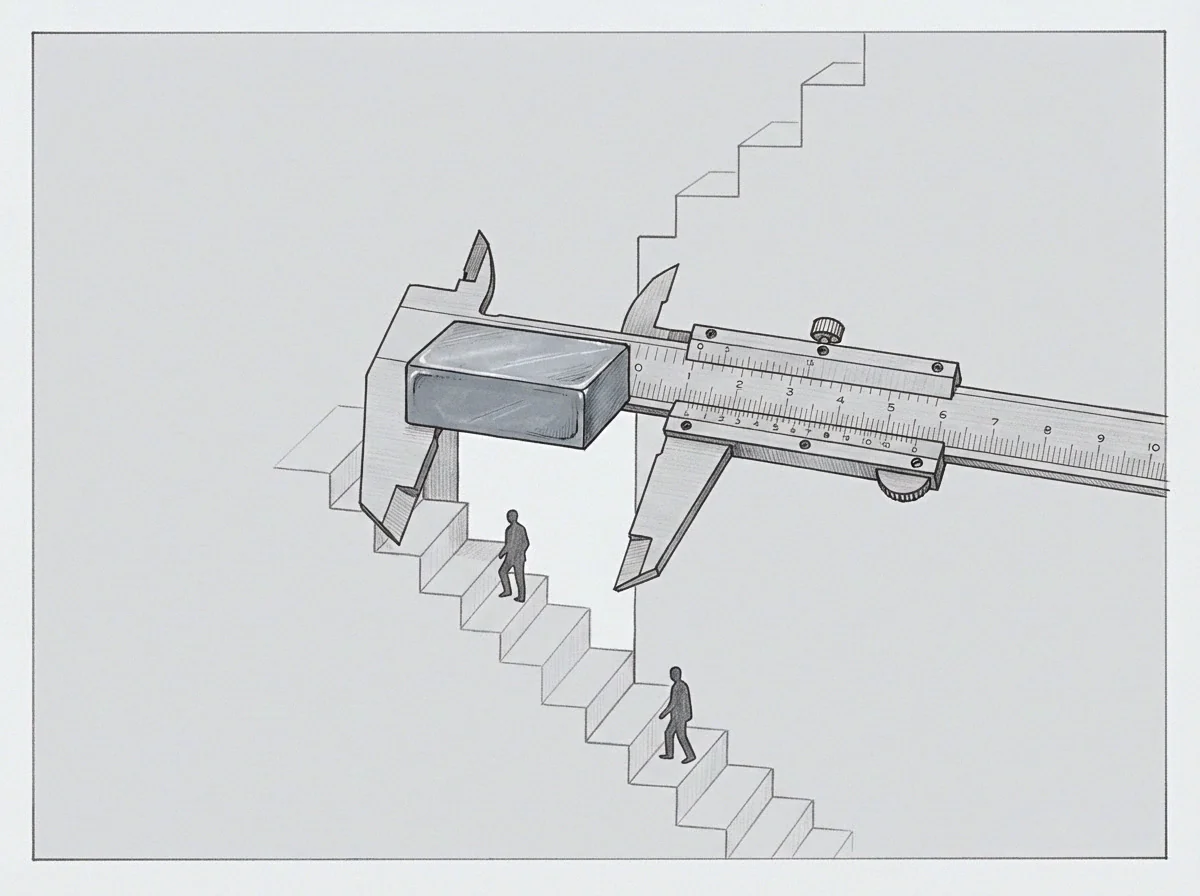
Terminating relational shadow routing requires definitive operational boundaries. Governance systems need explicit procedural rules that separate historical equity ownership from operational management. Cutting off informal command conduits demands formal operational separation, with advisory scopes that explicitly exclude personnel evaluation, capital allocation, and product architecture disputes.
Organizations stop relational leakage through three structured interventions:
- Channel consolidation protocols mandate that all operational queries pass exclusively through designated enterprise software accounts, archiving informal external communications.
- Authority boundary declarations outline precise topics reserved for the appointed leadership team while prohibiting predecessor involvement in operational matters.
- Decision intake audits review administrative workflows monthly to identify transactions executed without formal executive endorsement.
Enforcing these boundaries requires procedural discipline across the board. Predecessors must give up active operational involvement. New executives require clear backing to address insubordinate routing directly, and boards of directors bear the responsibility of removing former managers from active communication threads.
How an enterprise permanently isolates strategic founder insight without poisoning daily administrative execution remains an open structural dilemma in modern corporate governance.