
Resolving Long Term Capital Distortion Created By Passive Executive Share Blocks In Unfunded Ventures
Resolving passive share blocks requires structured corporate recapitalization or voluntary share redemptions before external investment rounds establish priced valuations.
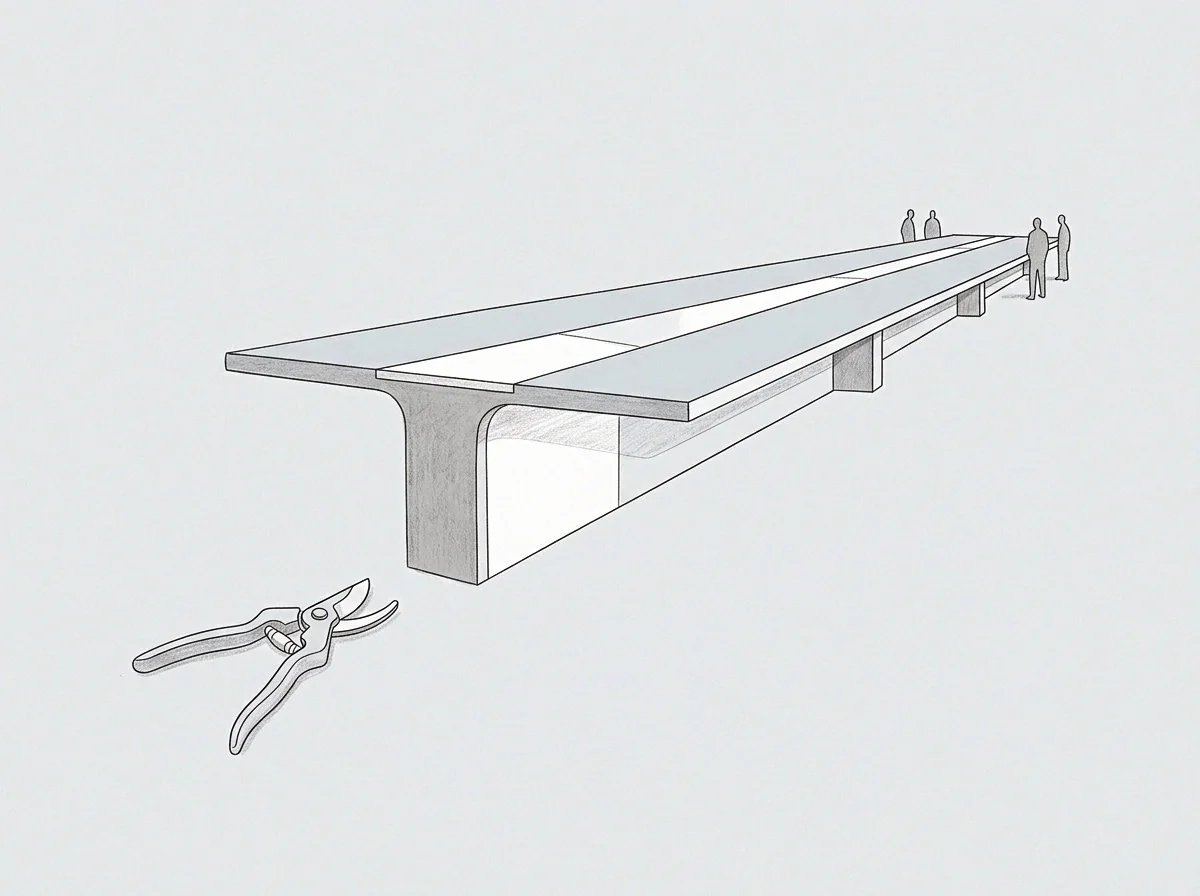
Shelf
An operating partner sits at a desk at midnight, reviewing a capitalization record where a departing co-founder retains thirty percent of common shares in a venture that has taken zero external investment. The original arrangement granted upfront equity based on future expectations rather than earned milestone thresholds. Three years later, the departing executive has ceased active daily contributions, yet holds an immutable equity position.
Capital overhang destroys operating leverage. The active build continues without the capacity to compensate new technical hires or attract institutional investment.

Dead Equity Accumulation in Unfunded Companies
Early stage ventures frequently issue standard common stock at formation before securing revenue or formal funding commitments. When an executive departs without dynamic vesting mechanisms in place, their share allocation transitions from active compensation to static ownership. The entity retains a massive equity block that yields no operational throughput, intellectual property development, or managerial input.
Capital allocation collapses when passive shareholders hold blocking positions without ongoing service obligations.
The remaining operator bears full burden. Continued sweat equity directly enriches the passive share block, creating a structural disincentive to scale. Every hour of uncompensated engineering work raises the valuation of equity held by an absent counterparty.
In unfunded operations where equity serves as the primary currency for talent acquisition, passive share blocks deplete the available reserve for operational execution. Inactive holdings stall capital recruitment.
When an unfunded business seeks its first priced financing round, prospective investors review the capitalization structure for equity concentration among active contributors. A capitalization table that reflects substantial ownership tied to inactive parties signals institutional risk. Institutional funds routinely refuse to inject liquidity into entities where non-operating founders retain significant equity stakes, because new investment dollars would immediately fund asset value for individuals who contribute no ongoing labor.
Without explicit repurchase mechanisms, the venture remains trapped on an economic shelf, unable to recruit leadership or secure growth capital.

Distortion
Capital overhang impairs the ability of early ventures to issue equity to incoming technical leadership. When half of the equity pool sits idle in passive hands, the remaining equity pool must absorb all future dilution. This imbalance distorts internal equity pricing and creates friction between active operators.
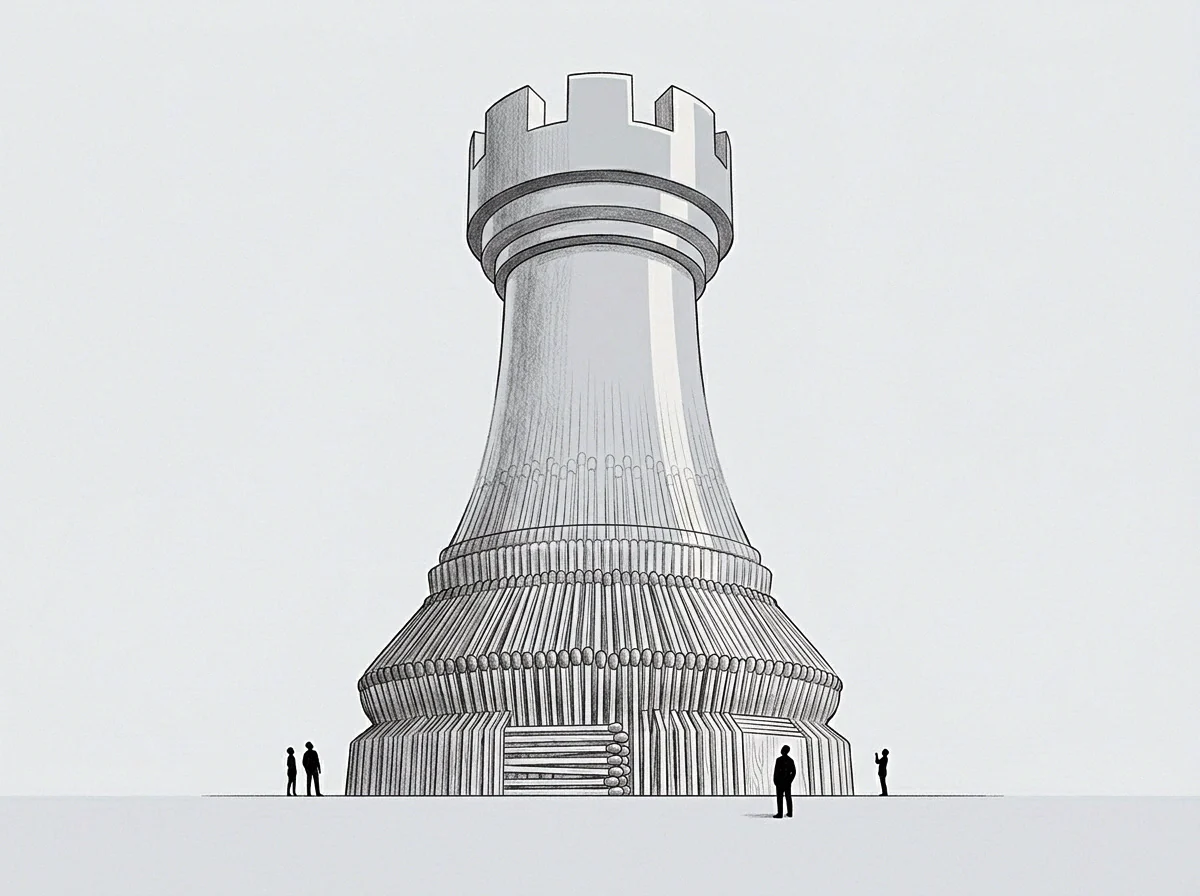
Impairment Mechanics in Future Financing
Dilution mechanics operate disproportionately on active founders when passive blocks are fixed. If an inactive executive holds forty percent of common stock, any option pool expansion required by incoming seed investors must come out of the remaining active shares unless corporate recapitalization occurs. The equity table freezes solid.
- Deadweight Overhang Unearned equity blocks reduce the equity available for active operational roles, restricting hiring capacity during expansion phases.
- Incentive Asymmetry Active operators perform all capital generation tasks while passive equity holders capture upside without operational exposure or financial risk.
- Governance Gridlock Voting rights attached to passive common share blocks grant non-contributing individuals veto authority over critical corporate restructuring choices.
Passive holdings create tax complexities for future share reallocations. Attempting to buy back shares at a nominal price after the entity has developed asset value or generated revenue triggers income tax liabilities for the recipient or capital gains events for the seller. Valuations collapse under dead equity.
A share grant lacking dynamic cliff provisions transfers permanent corporate wealth to temporary effort.
Corporate laws in most jurisdictions prevent arbitrary share cancellation without shareholder approval or specific statutory grounds. Unfunded companies lack the treasury cash to purchase equity blocks at fair market valuation. Consequently, the entity operates under perpetual distortion until explicit structural remedies take effect.
Under standard corporate charter provisions, a share purchase agreement lacking dynamic reverse vesting clauses forfeits the company’s right to buy back unvested stock at par value upon an executive’s termination of service.

Recapture
Restructuring an inactive equity block demands formal legal mechanisms that align share ownership with active economic contribution. Without cash reserves, unfunded companies use corporate recapitalization, stock split ratios, and equity redemption agreements to reclaim unearned capitalization.

Structural Pathways for Share Reclamation
Reclaiming equity from passive holders requires choosing legal pathways suited to the company’s capital structure and governance terms. The matrix below outlines three common methods deployed in unfunded corporate entities.
| Restructuring Pathway | Tax Impact | Shareholder Consent Requirement | Valuation Dependency |
|---|---|---|---|
| Reverse Stock Split with Cash-Out | Low to Moderate | Majority Shareholder Vote | Requires Defensible Low Valuation |
| Selective Share Redemption | Capital Gain Event for Seller | Unanimous or Targeted Board Approval | Negotiated Nominal Settlement |
| Corporate Debt Conversion | Potential Deferred Tax Obligation | Bilateral Agreement Required | Independent Debt Valuation |
Reverse stock splits alter the total authorized and issued share count while converting fractional shares to cash. By setting a split ratio that reduces small or target ownership positions to fractional shares, the board buys out the fractional residual for cash. Cash buybacks fail without liquidity.
However, in an unfunded entity, the cash payout must reflect a defensible, nominal valuation to withstand legal challenge.
Unfunded recapitalizations require structural equity adjustments before external capital pricing takes hold.
Selective share redemption involves negotiating a direct buyback with the passive holder. This process frequently uses promissory notes payable upon future financing milestones or exit events. The company issues a long-term note in exchange for immediate share cancellation, removing the passive block from the capitalization table today.
Corporate restructuring changes ownership thresholds. Investors reject diluted voting blocks.
The equity was granted for expected contributions that were never delivered, so retaining ownership while others build the company is completely unearned.

Scaffold
Transitional arrangements allow active operators to phase out non-performing shares while preserving corporate stability. Implementing these measures requires a clear step-by-step process executed in proper sequence.
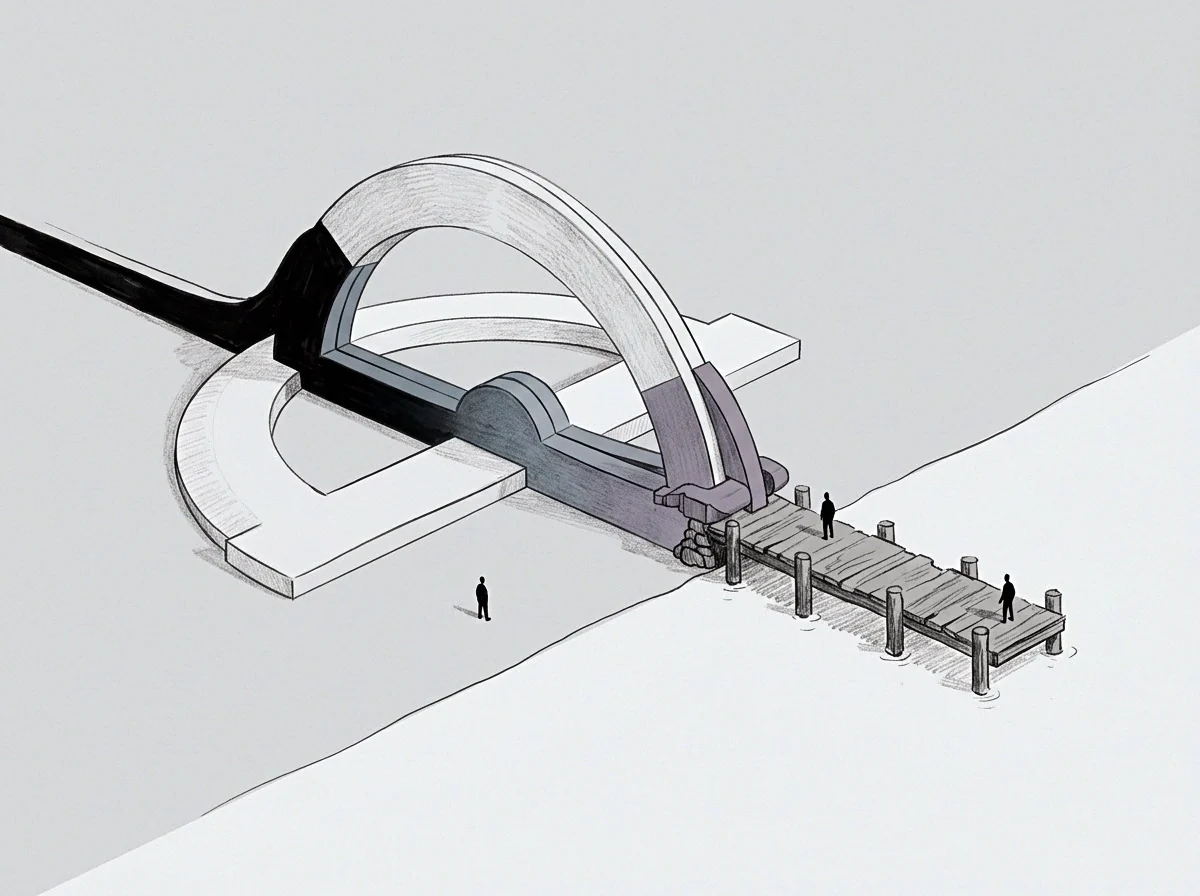
Implementation Sequence for Share Remediation
Remediating passive share blocks requires methodical legal and financial steps to avoid governance deadlocks or breach of fiduciary duty claims.
- Audit the corporate registry and existing shareholder agreements to verify voting thresholds and current equity ownership.
- Perform an independent, low-watermark valuation of the unfunded business to establish par value for share transactions.
- Draft a formal recapitalization resolution for board review, introducing dynamic vesting for all remaining common equity blocks.
- Negotiate a voluntary share surrender or promissory note redemption with the departing executive prior to opening external investment conversations.
Unvested grants demand immediate remediation. Passive executive share holdings resolve smoothly when structural incentives align with long-term operational survival.
Equity reallocations settled before institutional capital entry prevent catastrophic valuation write-downs during seed diligence.

Release
Finalizing the removal of passive share blocks restores internal equity incentives for active operators. Removing capital overhang enables the company to establish pristine equity pools for incoming executives and technical key hires.
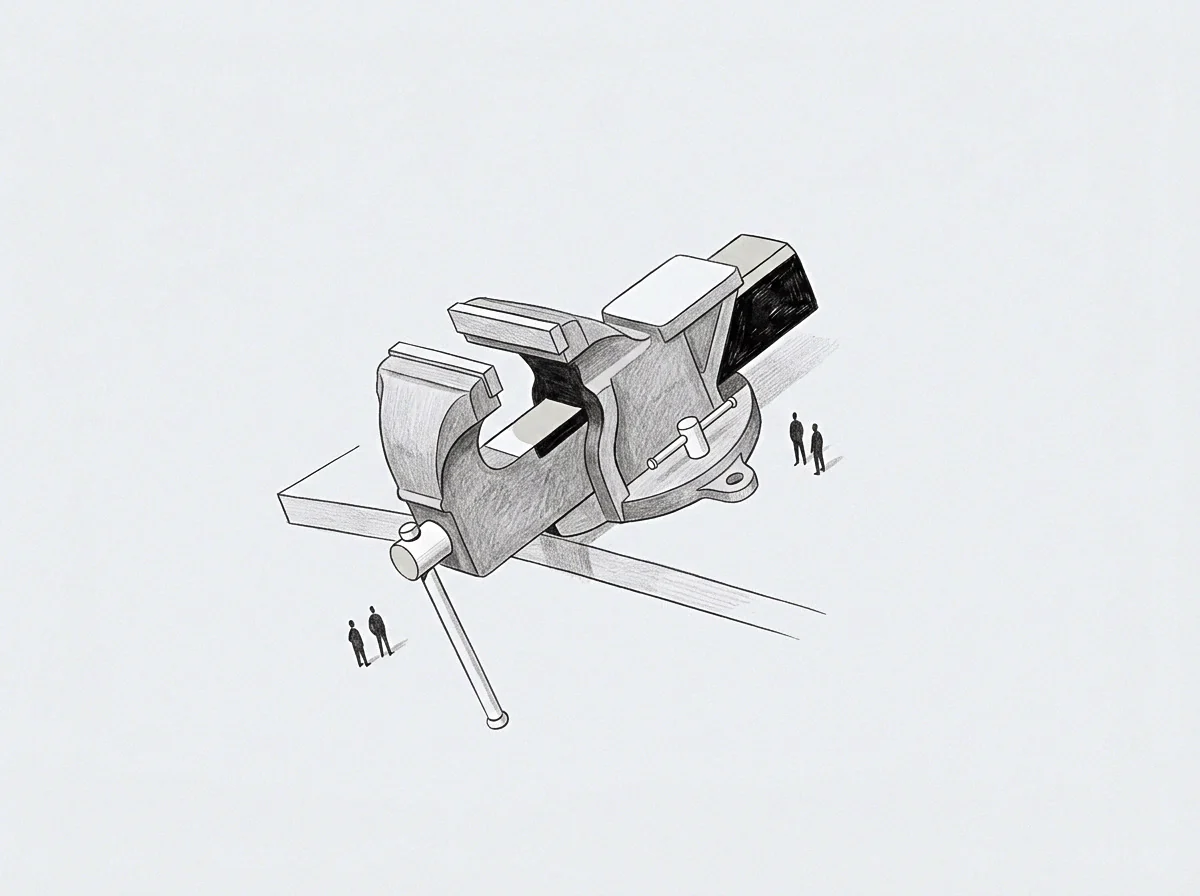
Long Term Equity Governance Controls
Preventing future capital distortion requires implementing strict equity governance rules at formation. Reverse vesting schedules spanning four years with a one-year cliff ensure share ownership tracks operational contribution. If an executive leaves prior to the cliff, the company repurchases unvested stock at the original issuance price.
Clean capitalization tables ensure future economic value flows directly to current operational effort.
Shareholder agreements must include drag-along provisions and mandatory redemption rights tied to performance metrics. These legal guards prevent passive equity blocks from accumulating if leadership transitions occur in future development phases. Operational equity remains attached to active labor, maintaining internal capital balance across all growth stages.
Clear governance parameters protect the entity’s equity currency, allowing active operators to focus resources on market expansion and product development without capital overhang burdening the enterprise balance sheet.