
Designing Long Term Governance Safeguards Against Tacit Knowledge Loss During Executive Transitions
Executive transitions risk losing strategic decision heuristics; long-term governance safeguards continuous codification and staged decision transfer before exit.

Desk
Standard corporate governance treats explicit operational manuals and tacit executive judgment as interchangeable assets. Operational binders capture steps, approvals, software permissions, and administrative sequences. Tacit executive judgment holds unwritten trade-off thresholds, informal counterparty leverage, crisis prioritization, and non-standard risk boundaries.
When an executive leaves a seat, the written record stays behind while the decision heuristics exit with the individual.
The seat holds value. Explicit documentation records past actions while failing to explain why alternative choices were discarded. Incoming leadership receives standard operating files but lacks the cognitive context required to evaluate ambiguous market signals.
Transferring operational authority without transferring implicit mental models creates governance vulnerability during tenure transitions.

Explicit Repositories and Tacit Executive Cognition
Standard documentation systems capture procedural workflows while omitting the mental models that dictate executive decision timing. Tacit knowledge accumulates through years of operational friction, trial, and counterparty observation. Executives make high-stakes choices based on subtle pattern recognition that rarely appears in meeting minutes or governance logs.
A successor reading a strategic plan sees the final allocation of capital but misses the implicit risk thresholds that governed the choice.
Implicit memory guides daily trade-offs. When two corporate objectives collide, an experienced executive applies unwritten priorities refined through past organizational failures. Documenting these priority rules requires active codification protocols during active tenure rather than rushed exit interviews.
Left unmapped, these heuristics vanish during leadership handoffs.
Tacit executive knowledge transfers only when explicit operational observations match active co-decision windows.
Executive performance relies on informal internal networks and trusted counterparty relationships. Standard organizational charts outline reporting lines while hiding real communication channels and personal influence patterns. A departing officer holds deep knowledge regarding which partners deliver under pressure and which internal units require informal persuasion.
Without structured knowledge extraction, the successor spends quarters rebuilding relational intelligence that previously enabled rapid execution.
The Structural Atrophy of Unshared Heuristics
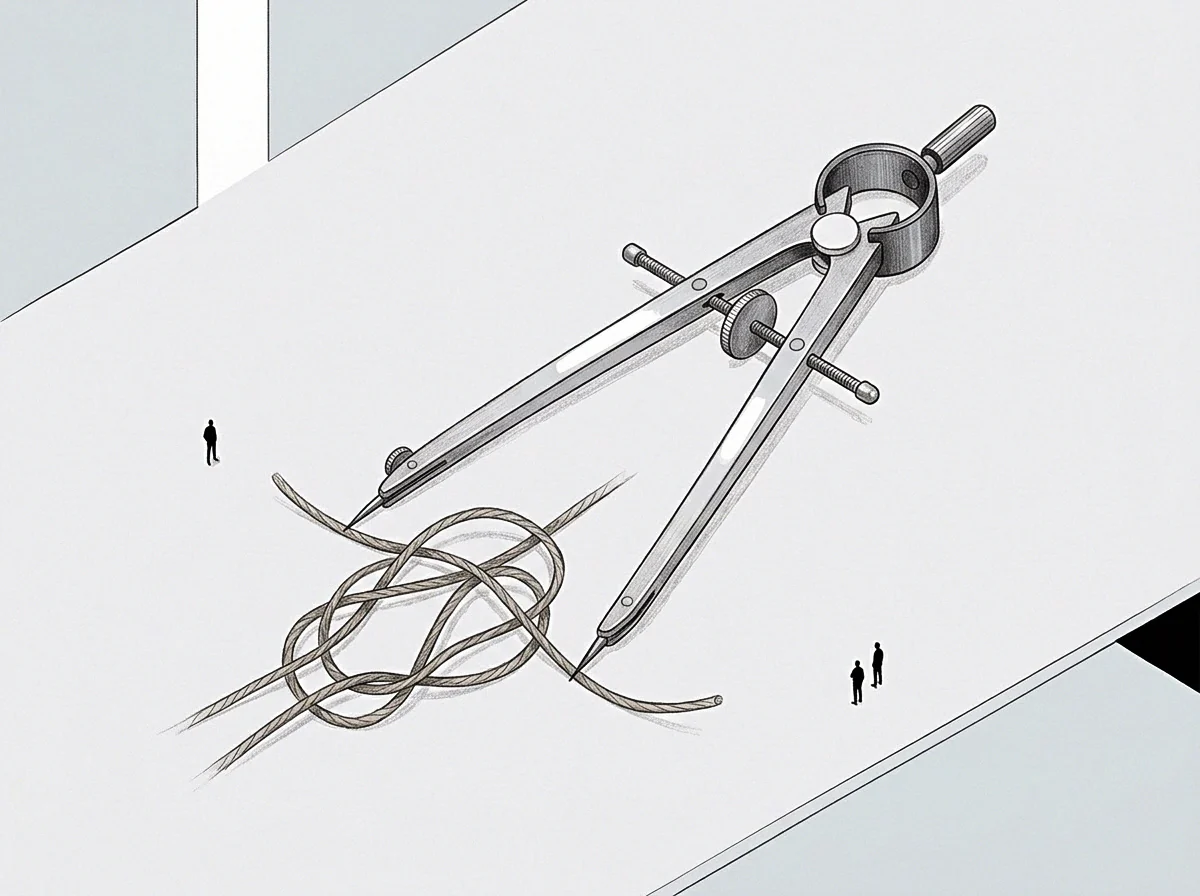
Organizational stability relies on implicit decision patterns remaining active across operational cycles. When executive judgment remains unshared, corporate capacity degrades silently following leadership changes. Subordinates accustomed to an outgoing officer’s decision style experience operational drag while attempting to interpret the new leader’s directives.
Operational momentum slows as mid-level managers pause decisions to check unstated boundaries.
Crisis response capability suffers when tacit knowledge exits the enterprise. Unwritten rules govern informal networks. Emergency responses depend on immediate, intuitive actions developed through historical exposure to operational shocks.
A newly appointed officer lacking this experiential baseline defaults to bureaucratic analysis, increasing reaction latency during unexpected market shifts.
When an organization relies solely on standard documentation during leadership changes, key strategic relationships degrade while crisis response times lengthen across subsequent quarters.

Charter
Long term continuity demands structured protocols embedded directly into active executive tenure rather than improvised during exit notice periods. Relying on departure windows for knowledge extraction yields superficial checklists and incomplete documentation. Governance systems must institutionalize continuous capture procedures that operate seamlessly alongside daily management duties.
Documentation alone cannot replace experience. Establishing continuous codification practices ensures that decision-making logic is captured systematically while officers retain operational responsibility. This ongoing mapping process transforms private executive insight into institutional governance property.

Continuous Scaffolding During Active Tenure
Operational continuity increases when knowledge extraction protocols operate continuously throughout an executive term. Scaffolding mechanisms include structured decision logs, quarterly heuristic reviews, and paired strategic planning exercises. By recording the rationale behind major capital allocations and vendor selections in real time, organizations preserve the contextual memory required by future leaders.
Strategic continuity demands formal scaffolding. Continuous scaffolding removes the reliance on post-resignation handovers. Outgoing executives often experience declining engagement once a departure date is set, limiting the depth of knowledge shared during final weeks.
Active governance policies enforce regular knowledge deposition as a standard metric of executive performance.
A failure to codify executive heuristics before transition notices arrive shifts the burden of organizational learning onto crisis management.
The structured capture of executive judgment requires specific operational categories. Governance protocols extract tacit insight by categorizing operational heuristics across key functional domains:
- Relational Capital mapping personal counterparty dynamics, informal influence leverage, and negotiation tolerances held by outgoing officers.
- Risk Boundaries documenting unwritten financial thresholds, regulatory exposure limits, and implicit trade-off criteria used in capital allocation.
- Crisis Heuristics recording intuitive intervention triggers, emergency communication sequences, and rapid-response delegation rules.
- Vendor Dynamics detailing historical performance nuances, informal contract concessions, and non-standard service level expectations.

Codification Boundaries in Unstructured Environments
Complex managerial decisions resist standard procedural capture because unstated premises govern trade-off selection. Highly volatile business environments force executives to operate on fluid intuition that defies rigid manual entries. Governance committees address this limitation by pairing narrative decision tracking with quantitative risk modeling.
Exit notices arrive too late. Capturing tacit insight in unstructured settings involves recording executive debriefs following major strategic milestones. Analyzing past strategic pivots surfaces implicit assumptions regarding competitor behavior and market responsiveness.
Institutionalizing these reflective debriefs preserves strategic intelligence before executive transitions occur.
An executive record written under the pressure of departure contains instructions for routine tasks but omits the instincts that built the enterprise.

Overlap
Transition schedules built on immediate leadership handoffs force incoming officers to make strategic commitments without context. Sudden shifts in executive authority expose organizations to strategic missteps and operational friction. Implementing structured overlapping tenures bridges the gap between outgoing judgment and incoming leadership execution.
Authority transfers in stages. Overlapping tenure allows the incoming executive to observe live decision-making, counterparty negotiations, and internal crisis resolution. This observational window provides direct exposure to the tacit heuristics that cannot be translated into written documents.
Decision Rights Staging Across Paired Tenure
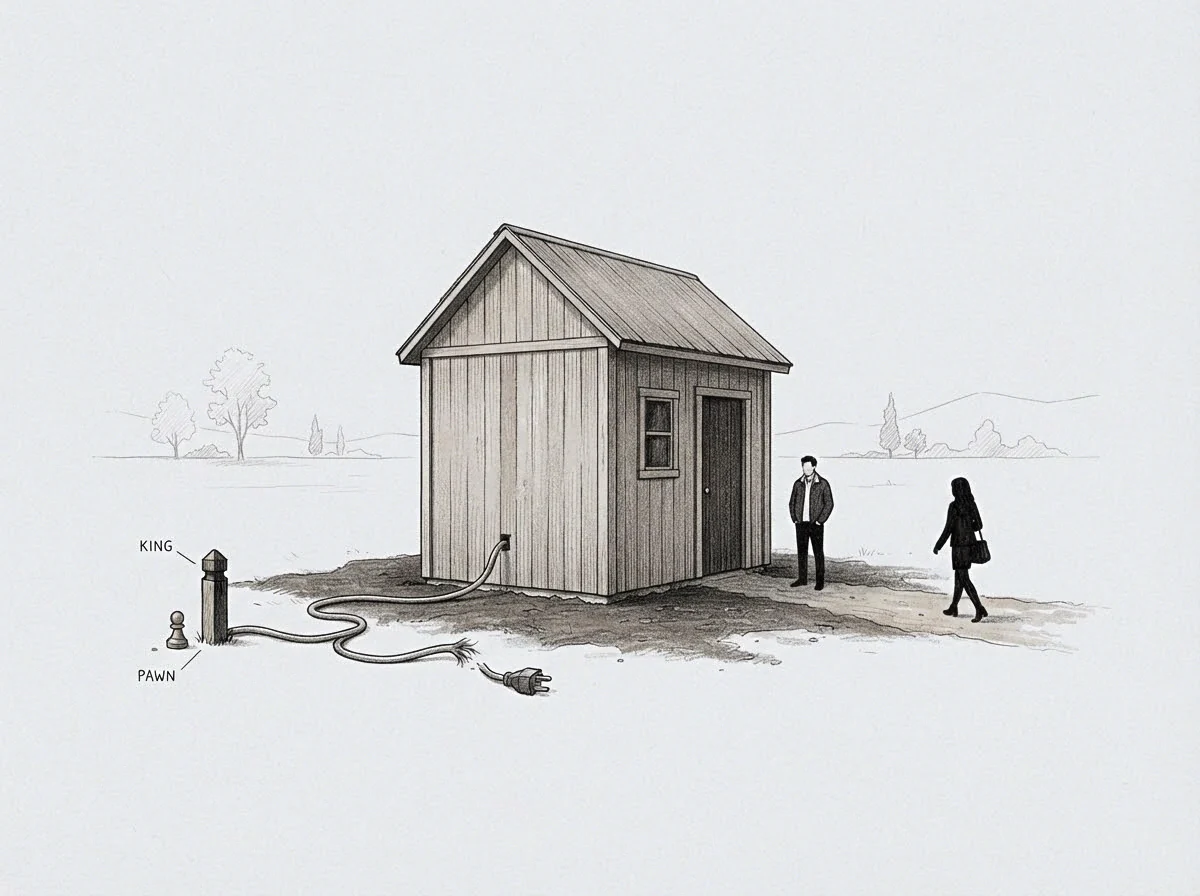
Gradual authority shifts allow incoming leadership to execute complex choices while the outgoing officer remains present to illuminate unstated logic. Decision-rights staging divides the transition window into distinct operational phases. In the initial phase, the incoming executive shadow-manages operations while the incumbent retains final approval rights.
In the secondary phase, authority flips, placing the incoming leader in control while the predecessor assumes an advisory posture.
Paired tenure mitigates risk during high-stakes corporate transformations. Incoming officers test their strategic assumptions against the historical experience of outgoing leaders before committing organizational capital. This real-time validation prevents costly strategic drift and accelerates executive onboarding velocity.

How Can Boards Measure Safeguard Efficacy?
Governance committees evaluate knowledge retention quality by observing whether incoming executives replicate successful risk assessments during unscripted operational friction. Tracking operational error rates, key talent retention, and project delivery timelines during executive onboarding provides quantitative indicators of transfer efficacy. Minimal operational disruption signals successful heuristic transmission.
Knowledge loss degrades operational velocity. Board oversight includes structured transition audits conducted midway through the paired tenure window. These audits assess the successor’s comprehension of informal organizational dynamics and critical counterparty agreements, ensuring knowledge transfer progresses beyond formal administrative handoffs.
| Transition Mode | Tacit Knowledge Yield | Capacity Burden | Governance Risk Profile |
|---|---|---|---|
| Instantaneous Cutover | Low | Minimal Initial Cost | Severe Risk of Heuristic Loss and Strategic Drift |
| Unstructured Shadowing | Moderate | Moderate Executive Hours | Variable Risk Based on Personal Alignment |
| Staged Decision-Rights Transfer | High | Substantial Dual-Tenure Investment | Controlled Risk with Validated Knowledge Capture |
| Staged decision-rights transfer maximizes tacit knowledge retention while minimizing governance risk. | |||
Shared operational authority during executive transition surfaces undocumented assumptions before critical decision rights change hands.
The incoming leader operates with full formal authority, yet every non-standard approval still requires an informal phone call to the former office holder.
Anchor
Governance frameworks extend knowledge capture past the physical exit date through structured post-tenure advisory arrangements. Executive departure should not terminate an organization’s access to strategic context and historical insight. Designing long-term anchor mechanisms maintains continuity while respecting new operational leadership authority.
Retainer contracts bind former leaders. Formalizing advisory structures prevents outgoing executives from withholding contextual knowledge or selling strategic insight to industry competitors. Properly designed advisory retainers align former leaders’ incentives with ongoing institutional performance.

Post Exit Advisory Structures and Board Oversight
Former executives holding structured board retainer roles provide contextual clarity during unexpected market shifts. Board oversight ensures advisory arrangements remain focused on knowledge transfer rather than operational interference. Setting explicit boundaries for post-exit involvement allows the incoming executive to exercise full authority while retaining access to historical intelligence.
Unwritten rules govern informal networks. Advisory contracts specify clear engagement triggers, such as major acquisitions, regulatory inquiries, or strategic pivots. Bounding advisory participation prevents governance confusion while securing expert counsel during critical corporate events.

Institutionalizing Retained Governance Expertise
Retaining access to former leadership prevents strategic drift by preserving original risk management assumptions. Institutionalizing post-exit expertise involves creating advisory panels, structured quarterly consults, and formal governance retains. These channels allow incoming leadership to consult predecessors without creating operational ambiguity.
Long-term safeguards convert individual experience into systemic capability. Post-exit agreements enforce systematic knowledge extraction protocols across structured engagement windows:
- Retainer Mandates establishing formal post-exit consulting obligations bounded by specific hour allocations and clear advisory scopes.
- Board Observer Seats granting non-voting governance access to preserve historical context during strategic board deliberations.
- Schedules of Reserved Matters identifying high-stakes operational choices that require mandatory consultation with post-exit advisors.
- Clawback Governance Provisions linking deferred compensation release to the completion of documented post-transition knowledge transfer milestones.
Post transition advisory mandates convert unwritten organizational history into accessible governance intelligence.
A mandatory consultative clawback clause conditions deferred equity vesting on documented knowledge transfer milestones, changing executive priority during notice periods.

Clause
Legal and incentive structures align executive interests with thorough knowledge documentation long before exit conversations begin. Contracts that fail to address knowledge transfer obligations create moral hazard during tenure conclusions. Incorporating specific knowledge retention clauses into executive employment contracts secures institutional continuity as a baseline governance requirement.
Incentive structures dictate executive focus. Linking long-term equity vesting and bonus calculations to knowledge management deliverables ensures leaders prioritize codification throughout their active tenure. When knowledge sharing directly impacts compensation, executives invest capacity into building robust institutional repositories.
Incentive Alignment for Knowledge Extraction Contracts
Executive employment contracts that tie performance bonuses to standardized codification deliverables prevent end-of-tenure knowledge withholding. Compensation contracts include explicit performance indicators covering succession preparation, team development, and operational mapping. Satisfying these criteria validates executive leadership strength prior to any transition announcement.
Scaffolding protects institutional memory. Compensation committees structure deferred compensation schedules to release funds upon verified completion of transition milestones. This financial structure incentivizes departing officers to participate fully in paired tenure arrangements and post-exit advisory obligations.

Long Term Governance Protection Mechanisms
Institutional protections build systemic resilience by decoupling institutional memory from individual tenure length. Enforcing comprehensive non-disclosure, non-compete, and knowledge-ownership clauses safeguards proprietary heuristics against external exposure. These legal provisions protect relational capital and strategic intelligence from departing alongside executive personnel.
Systems outlast individual officer tenure. Long term institutional stability relies on governance mechanisms that treat tacit cognition as core infrastructure. By embedding codification obligations into employment agreements, pairing transition tenures, and structuring post-exit advisory mandates, organizations preserve strategic capability through leadership changes.
Institutional memory remains intact when governance systems capture executive judgment before the seat becomes empty.