
Restructuring Super Voting Stock Mechanics for Departing Chief Executive Officers
Restructuring super voting stock requires automatic share conversion clauses upon executive departure to align voting control with operational risk.
Chair
A chief executive officer steps down from operational command while holding Class B shares that carry ten votes per share, leaving the corporate governance architecture fractured. The incoming chief executive assumes operational responsibility for revenue, hiring, and execution, yet the departing executive retains voting authority over board composition, charter amendments, and major corporate transactions. This disconnect transforms routine governance into a continuous negotiation between operational reality and legacy voting power.
Dual-class voting structures initially align long-term strategic execution with founder autonomy during early operational phases. When leadership shifts, the mechanical persistence of super-voting rights outside the operational seat creates structural friction. Corporate charters drafted during rapid growth phases frequently lack automatic conversion mechanics tied to employment termination, resulting in a former officer exercising control without daily exposure to operational risks.
The severance of operational authority from voting control destabilizes institutional governance by concentrating veto power in an office no longer exposed to daily execution risks.
Restructuring super-voting mechanics requires adjusting the legal connection between executive service and voting weight. Corporate charters can specify that super-voting privileges exist only while the holder actively serves as an executive officer, automatically converting high-vote equity into single-vote common stock upon departure.
Without an explicit equity conversion clause tied to resignation or termination, the departing executive becomes an external authority over the board of directors. The board finds itself answering to a shareholder whose financial incentives may diverge from active operations, limiting the strategic autonomy of the incoming executive team.
When charter provisions tie super-voting rights to an active corporate officer title rather than an individual identity, an executive resignation triggers immediate conversion to single-vote common stock on the effective date of departure.
Clock
Timing mechanics govern how super-voting stock transitions following executive departure. Sunsets operate through two primary pathways: fixed chronological windows and status-contingent events. A time-based sunset establishes a explicit window, such as six months post-departure, during which high-vote equity gradually converts to common shares.
Event-based sunsets trigger conversion immediately upon specific milestones, including resignation, disability, or death.
| Mechanism Type | Conversion Trigger | Governance Impact | Tax and Valuation Timing |
|---|---|---|---|
| Status Contingent Sunset | Resignation, termination, or retirement effective date | Immediate transfer of control to remaining shareholder base | Capital gain realization deferred until subsequent sale event |
| Chronological Decay Window | Fixed duration post-departure running over twelve to thirty-six months | Temporary shared oversight during transitional leadership phases | Value shifts spread across tax years depending on equity class parameters |
| Transfer Limitation Trigger | Pledge, gift, or estate movement to non-permitted entities | Prevents external legacy holders from acquiring controlling votes | Valuation discount applicable due to transfer restriction enforcement |
| Performance Contingent Sunset | Failure to meet agreed operational milestones during exit phase | Ties voting retention directly to post-exit advisory obligations | Complex tax appraisal required upon conditional share conversion |
Choosing between immediate conversion and delayed transition involves balancing operational stability against leadership authority. Immediate conversion prevents legacy interference, but delayed decay structures allow a founder to oversee a multi-year transition process if agreed by the board of directors.
When Does Automatic Equity Conversion Take Effect?
The enforceability of automatic conversion clauses depends on clear drafting in the certificate of incorporation. If the charter defines a holder as an active employee, the filing of departure paperwork triggers the conversion agent to update the corporate cap table without requiring manual surrender of stock certificates.
Unclear sunset language creates ambiguity regarding when super-voting rights extinguish. In situations where an executive transitions into a non-executive board seat, loosely drafted charters may allow super-voting equity to persist, defeating the objective of separating operational exit from voting dominance.
Decay
Phased degradation offers an alternative to binary equity conversion. Rather than reducing voting density from ten votes per share to one vote instantly, phased degradation lowers the voting ratio over predetermined intervals following executive departure.

Sequence of Voting Ratio Degradation
- Initial Departure Milestone marks the formal resignation date, initiating the legal transition protocol established in the modified shareholder agreement.
- First Ratio Reduction Step lowers Class B voting density from ten votes per share to five votes per share at the six-month post-departure mark.
- Secondary Threshold Adjustment reduces voting weight to two votes per share upon completion of twelve months following operational separation.
- Final Conversion Termination executes full conversion into Class A common shares with one vote per share at twenty-four months, completing the equity realignment sequence.
This phased decay structure mitigates abrupt power shifts while assuring the board and incoming leadership that legacy voting dominance will end. It establishes a visible timeline for institutional investors and internal leadership.
During the decay period, voting power decays while economic ownership remains unchanged. The departing founder retains their exact dividend rights and liquidation preferences, maintaining economic participation while relinquishing governance leverage.
A gradual reduction in voting density provides a structured timeline for leadership transitions without forfeiting underlying economic equity values.
The departing leader who built the firm built its voting structure to protect strategic vision, and views the retention of high-vote equity as a fair safeguard for legacy decisions.

Exchange
When charter amendments face resistance from departing executives, restructuring often occurs through negotiated equity recapitalizations. The corporation exchanges Class B high-vote equity for alternative financial instruments that deliver fair economic value while stripping away governance weight.
These exchanges require careful structuring under securities regulations and corporate tax codes to ensure neutral tax treatment for both the entity and the departing executive officer.
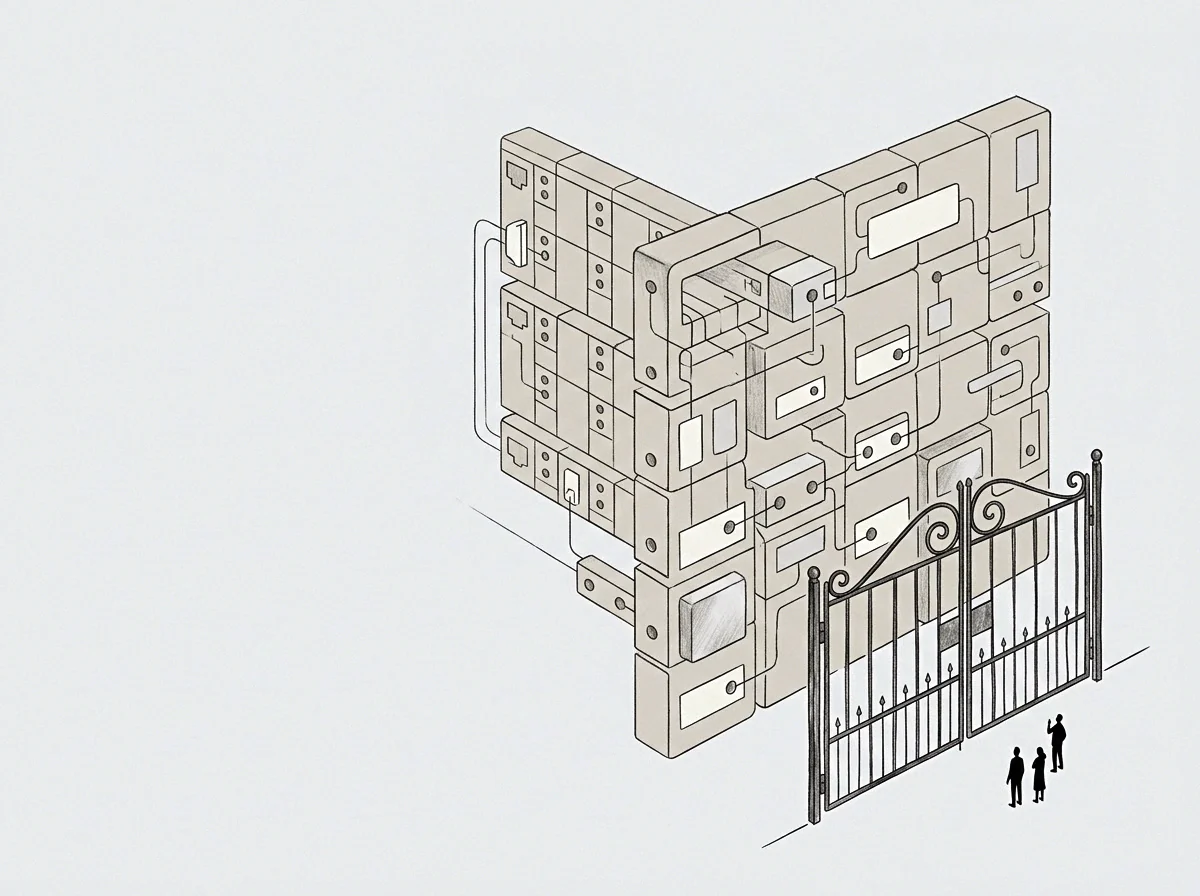
Structural Failure Modes in Recapitalization Agreements
- Uncapped Exchange Premium provisions grant high-vote holders inflated share ratios upon conversion, severely diluting common shareholders.
- Vague Board Seat Entitlement clauses grant post-departure board placement without specifying non-voting observer limitations, recreating governance deadlocks.
- Omitted Transfer Restrictions permit departing officers to sell high-vote shares to outside entities, transferring controlling stakes away from company management.
- Uncoordinated Tax Timing provisions force immediate income recognition on share exchanges prior to liquid market access.
Preferred equity instruments with liquidation preferences or non-voting Class C tracking stock represent common target assets in recapitalization exchanges. These assets secure economic returns for the departing founder while insulating operational decisions from legacy voting leverage.
Tax code section 368 recapitalization rules permit tax-deferred stock-for-stock exchanges if structured correctly. When cash consideration or debt notes enter the transaction, the departing executive faces tax recognition on realized gain, altering the financial math of the exchange negotiation.
Structuring recapitalizations through tax-deferred equity exchanges aligns economic value retention with the absolute removal of governance interference.
Failing to execute formal equity exchanges prior to operational departure exposes the enterprise to governance paralysis, investor skepticism, and costly litigation when strategic priorities diverge.

Shield
Protecting the successor chief executive demands a structural buffer between legacy equity holders and daily corporate governance. Voting trusts, proxy agreements, and board detachment clauses serve as functional barriers that isolate active leadership from former executive influence.
Consider a typical corporate transition involving a software enterprise operating at fifty million dollars in annual recurring revenue. The departing founder holds sixty percent of total voting power through Class B stock carrying twenty votes per share, while holding only fifteen percent of overall economic equity. The incoming chief executive requires autonomy to pivot product strategy, reallocate capital, and restructure executive management.
If the departing founder retains super-voting privileges, every strategic shift requiring shareholder authorization becomes contingent on legacy approval. To resolve this structural exposure, the board arranges a voting trust agreement. The departing executive transfers Class B shares into a controlled voting trust, designating an independent trustee or the sitting board chair as proxy holder for all governance votes.
Under the terms of the trust, the trustee votes the shares in direct proportion to the votes cast by independent Class A common shareholders. This arrangement preserves the economic attributes of the departing founder’s equity while effectively neutralizing legacy control over proxy contests, board elections, and charter modifications.
Board detachment clauses further strengthen this isolation by stipulating that departing super-voting holders automatically vacate their director seats upon executive separation. Detaching equity ownership from board service ensures that legacy authority cannot bypass the executive team to influence department heads or operational directors.
When governance instruments clearly separate operational authority from capital ownership before departure conversations begin, executive transitions proceed with minimal disruption to institutional stability.