
Standard Operating Procedures For Retained Client Transitions
Standard operating procedures for retained client transitions structure tacit context transfer and reassign account authority across defined operational phases.
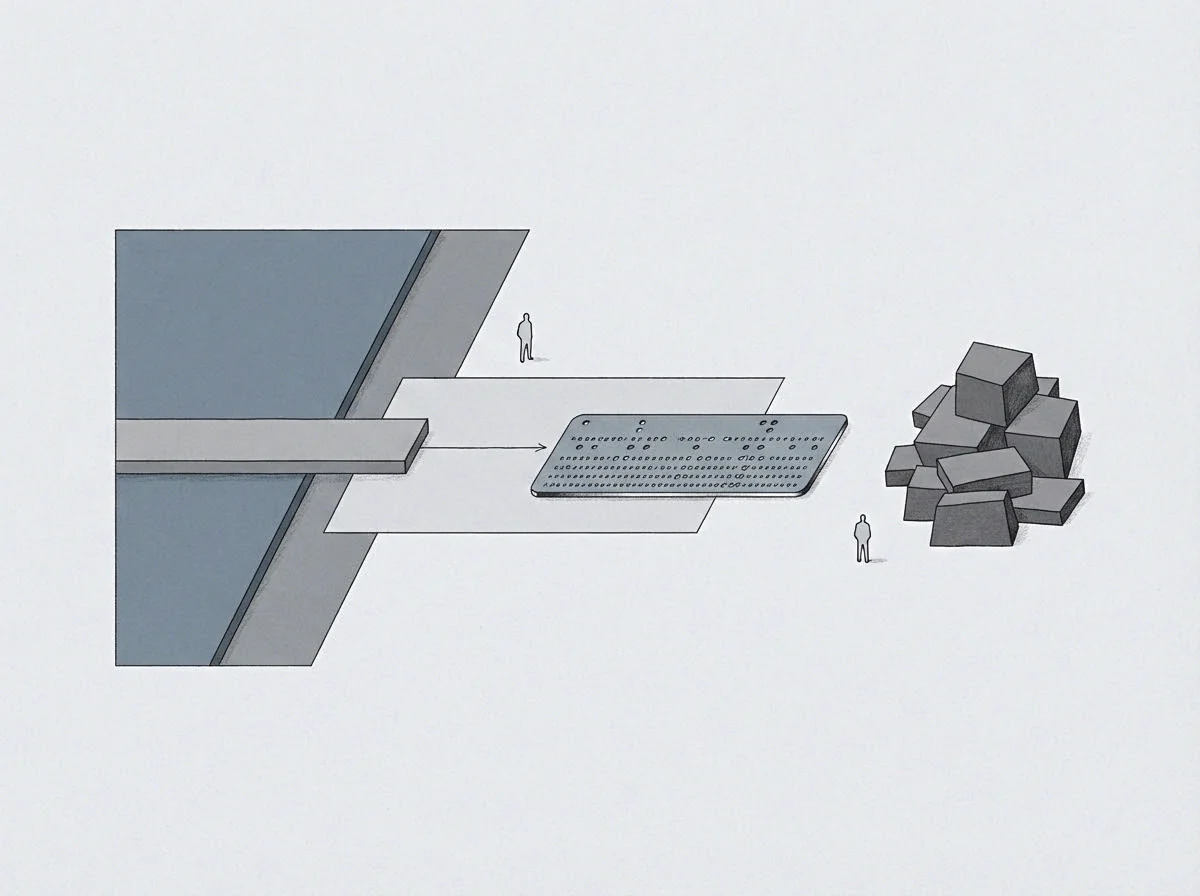
Gate
A senior partner prepares to exit a retainer relationship worth six figures annually, leaving behind a shared drive containing invoices and original proposal decks. Three weeks into the handoff, the client continues calling the personal mobile phone of the departing operator to request strategic direction. The standard account documentation contains deliverables and deadlines, yet omits the unwritten approval habits and relationship dynamics that hold the retainer together.
Accounts decay rapidly.
The standard operating procedure for a retained account transfer begins by defining explicit entry conditions before any internal handover commences. Retained client relationships depend on informal communication channels, uncodified expectations, and tacit trust accumulated over years of service. Transitioning such accounts to a new operator requires converting informal understandings into structured operational rules.
Without this explicit translation, the incoming lead faces immediate resistance, scope creep, and degraded service delivery.
The handover entry phase establishes boundary conditions for both the client and the incoming account team. Operational authority must shift systematically across defined billing cycles rather than through an abrupt cutover. Scope shifts silently.
A client retainer transferred without clear decision rights leads to immediate scope creep within two billing cycles.
The departing operator inventories every active client engagement, mapping formal contract terms against actual operational delivery. Discrepancies between agreed scope and performed work frequently surface during this phase. Original agreements often expand over time through informal client requests, creating unbilled service expectations that burden incoming operators.
Identifying these informal commitments before introducing the successor prevents operational bottlenecks and protects initial profitability.
Contractual boundaries require explicit documentation during this initial stage. The outgoing account lead produces a complete record of active projects, recurring client meetings, key decision-makers, and pending deliverables. This documentation forms the baseline boundary through which all subsequent transition activities pass.
Unstructured client transitions erode retainer profitability by forty percent through unbilled renegotiation and misaligned deliverables.

Cadence
Structured touchpoints regulate the speed at which operational responsibility shifts from outgoing leadership to incoming account leads. Phasing the transfer across distinct billing cycles prevents service disruption while allowing the new operator to establish authority. Immediate cutovers destabilize client trust, whereas prolonged handovers preserve client reliance on legacy leadership.
A structured schedule governs meeting participation, client communication rights, and decision-making escalation paths.

Structured Touchpoints Protect Account Stability
The transition cadence unfolds across three distinct operational phases: joint observation, co-execution, and independent operation with secondary oversight. In the joint observation phase, the incoming lead attends all client meetings as an active participant while the departing lead retains primary control. The co-execution phase shifts primary meeting management and presentation duties to the successor, with the outgoing lead providing passive support.
The final phase places the new lead in complete operational control, reducing legacy involvement to back-channel strategic advisory.
Detail protects margin. Transition schedules align directly with regular retainer billing cycles to provide natural evaluation checkpoints. At the conclusion of each billing period, both internal leads review account performance, client sentiment, and communication hygiene.
Adjustments to the transition schedule occur at these boundaries based on objective readiness metrics rather than arbitrary calendar dates.

Managing the Transition Phasing
Clients notice gaps. The risk profile of the client dictates the velocity of the transition cadence. High-value retained accounts with complex stakeholder environments demand longer co-execution windows, whereas standardized accounts admit faster handovers.
| Transition Model | Tacit Knowledge Transfer | Client Friction Risk | Operational Resource Demand | Scope Expansion Risk |
|---|---|---|---|---|
| Immediate Cutover | Low | High | Low | High |
| Parallel Co-Execution | High | Low | High | Low |
| Advisory Phase-Out | Moderate | Moderate | Moderate | Moderate |
The selected cadence establishes clear communication protocols for external interactions. Clients receive formal notification of the account transition, outlining the new primary point of contact, escalation procedures, and operational objectives. Legacy leaders decline direct client requests, redirecting all inquiries to the incoming lead to enforce the new communication boundary.
The insertion of a sixty-day structural transition clause freezes retainer scope limits while reassigning primary account authority to the incoming operator.

Cabinet
Repositories of explicit documentation bridge the gap between legacy institutional knowledge and practical account management. Written dossiers capture technical specifications, administrative credentials, contract terms, and client preferences that otherwise reside exclusively in the departing operator’s memory. Tacit context evaporates quickly.
Documenting these elements removes operational single points of failure and equips the successor with actionable context.

What Precedes Successful Retainer Account Handovers?
Knowledge codification begins with the assembly of a centralized account dossier. The dossier aggregates historical records, operational workflows, and relationship nuances into an accessible format for incoming team members. Documentation accelerates clarity.
- Account Preference Logs detail communication channels, preferred reporting formats, and key stakeholder approval thresholds.
- Historical Scope Audit establishes previous boundary disputes and resolved deliverables over the preceding twelve months.
- Stakeholder Influence Matrix maps internal decision-makers, passive sign-offs, and informal internal blockers within the client organization.
- Escalation Path Protocols define exact operational thresholds that trigger executive intervention during project delays.

Codifying Unwritten Account Preferences
Explicit project plans account for only a portion of retainer stability. Informal client preferences, such as preferred communication times, personal working styles, and political dynamics within the client organization, determine long-term satisfaction. The departing lead records these subtle attributes through structured exit interviews and relationship mapping exercises.
Written client documentation rarely captures the informal approval patterns established over years of account service.
The outgoing lead records historical context surrounding major account milestones, past friction points, and unwritten client expectations. Understanding why previous initiatives succeeded or failed prevents the incoming lead from repeating past mistakes or violating implicit client boundaries. Knowledge remains localized.
The process of converting tacit knowledge into explicit documentation reveals structural gaps in service delivery. Resolving these gaps prior to final account transfer ensures that the successor inherits a stabilized, predictable engagement rather than an accumulation of unaddressed operational debt.
Account documentation captures explicit deliverables, while observational shadowing reveals tacit client expectations.
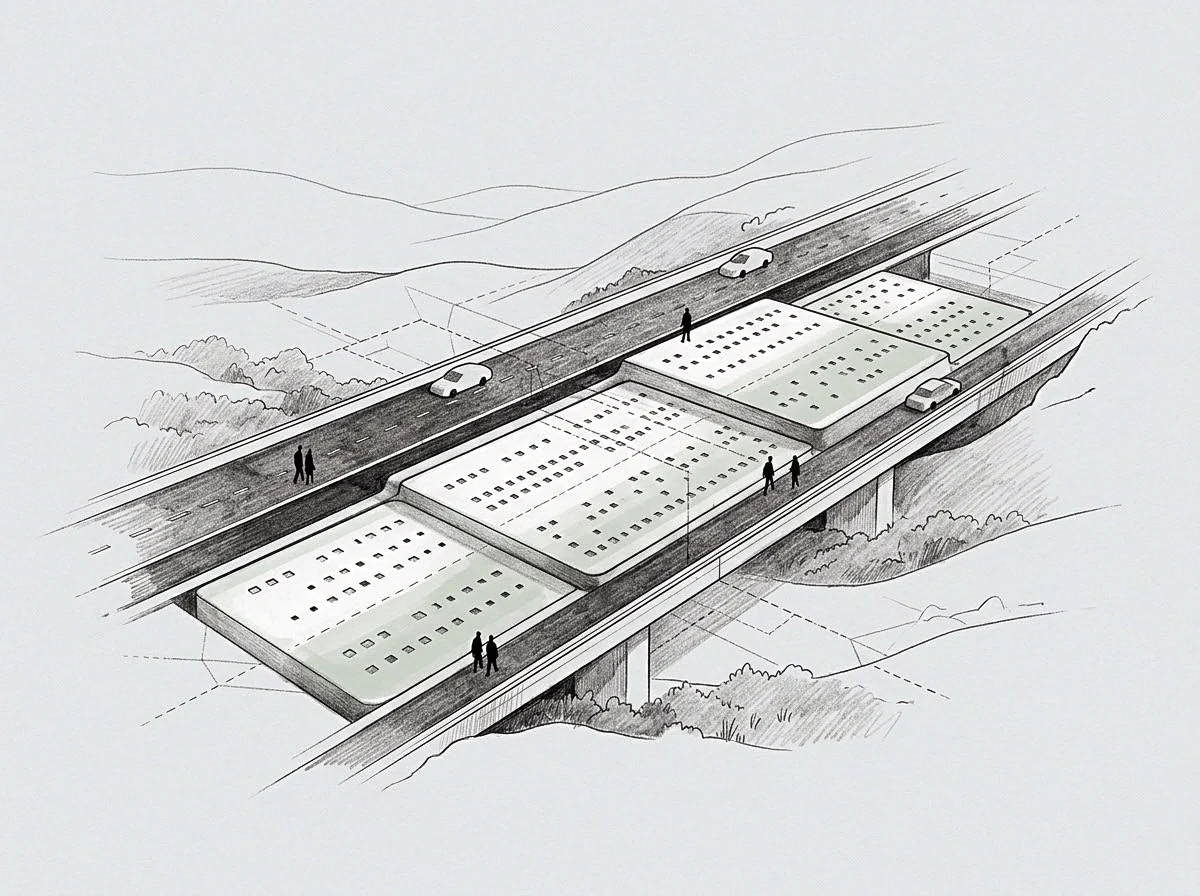
Bench
Operator shadowing transitions theoretical account knowledge into practical execution capability. Dual-seat participation allows the successor to observe client dynamics in real time while gradually assuming active leadership duties. Trust requires observation.
Early shadowing exposes the incoming lead to unwritten approval patterns, negotiation styles, and stakeholder temperaments that standard documentation cannot convey.

Shadowing Protocols and Decision Delegation
Shadowing operates as a structured learning environment where decision-making rights transfer incrementally. Initial client interactions place the incoming lead in a passive observation role, focusing on stakeholder interactions and communication norms. Subsequent sessions assign specific agenda items to the successor, escalating responsibility until the new lead manages entire meetings independently.
Dual-account shadowing retains ninety percent of tacit account context when executed across three consecutive billing cycles.
The grip stage represents the transitional window where the successor holds operational responsibility but lacks full client authority. Managing this stage requires explicit backing from outgoing executive leadership during client-facing interactions. Authority settles slowly.

The Grip Stage Dynamics
During the grip stage, client stakeholders often attempt to bypass the new operator to seek validation from legacy leadership. Outgoing leads neutralize these bypass attempts by consistently redirecting client communications back to the successor. Execution demands precision.
- Premature Scaffolding Removal occurs when the outgoing lead abandons meeting participation before the successor establishes client authority.
- Covert Channel Retention permits the client to bypass new management through legacy communication paths.
- Role Ambiguity In Oversight leaves operational decisions stalled between outgoing and incoming account leads during critical delivery phases.
- Deferred Authority Assignment prevents the successor from approving scope changes directly, forcing ongoing reliance on original leadership.
Clear internal debriefs follow every client interaction during the shadowing phase. The departing operator evaluates the successor’s performance, identifies missed cues, and clarifies unstated client reactions. Early signals matter.
These feedback loops refine the incoming lead’s approach before independent account management begins.
The outgoing lead steps out of active client communications the moment the incoming lead handles primary negotiation.
“The new team lead possesses complete technical execution context, but strategic decisions still require approval from original leadership.”
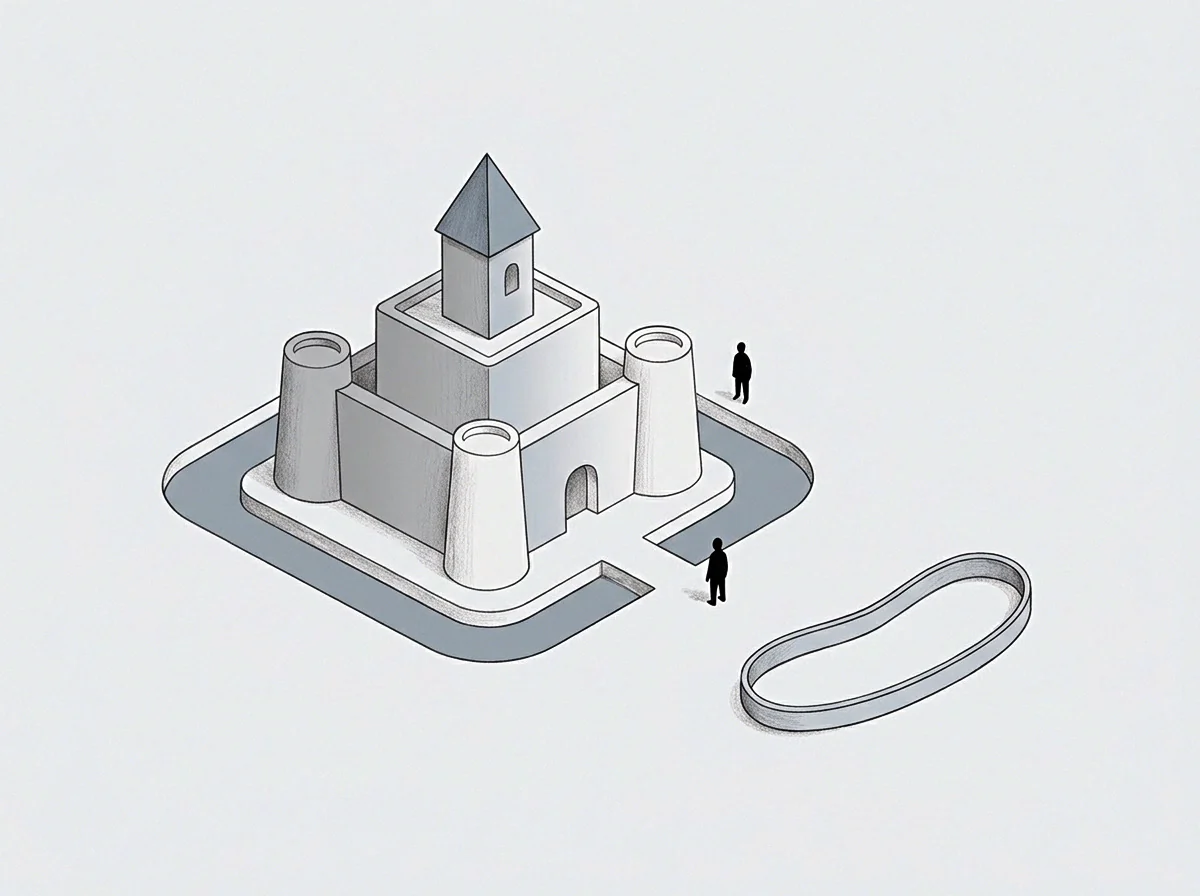
Margin
Retainer profitability depends on maintaining contract boundaries during management transitions. Transitions create vulnerability points where clients may re-open settled pricing, request additional unbilled deliverables, or alter agreed service levels. Margin reflects control.
Establishing clear financial and scope protocols protects the retainer’s economic baseline throughout the handover process.
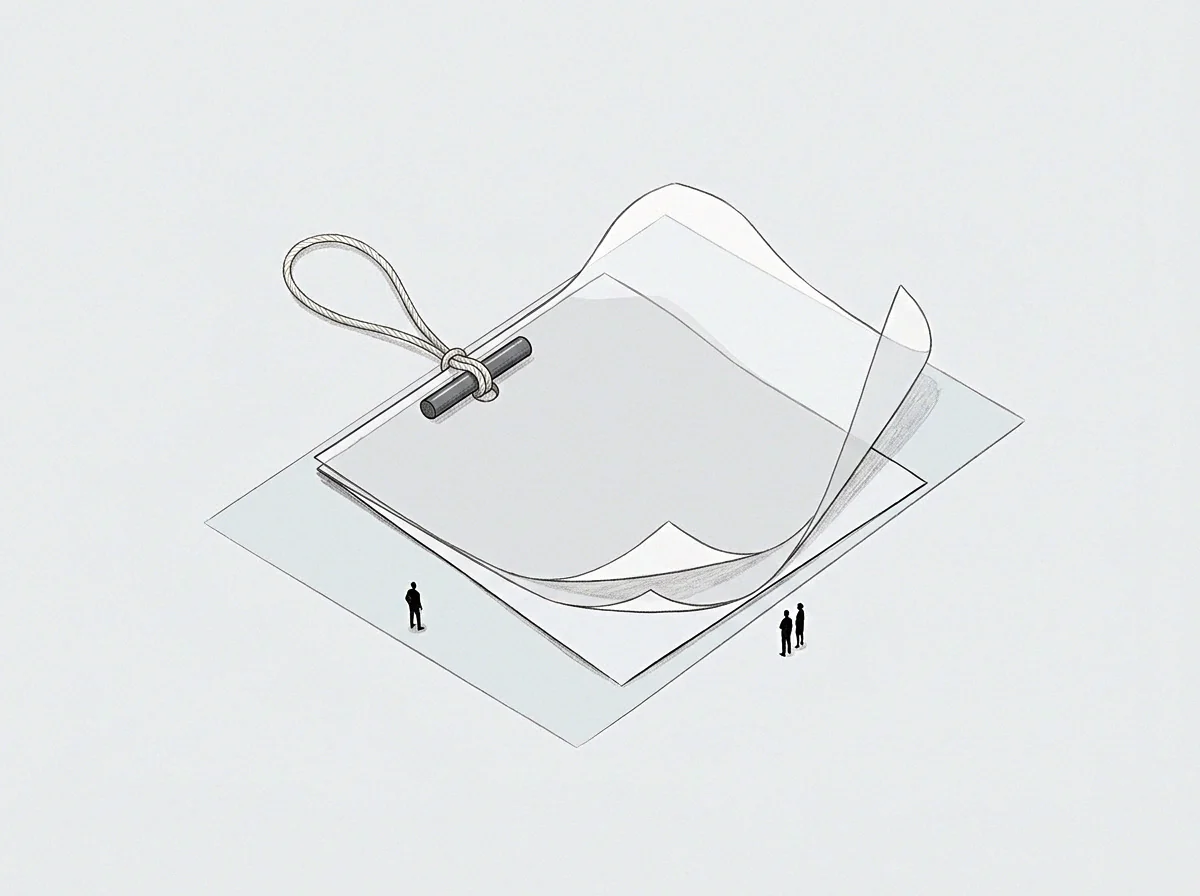
Financial Protection and Retainer Preservation
The transition window provides an opportunity to conduct a comprehensive financial audit of the retained account. The account team reviews historical billing records, resource allocation, and profitability metrics to ensure the engagement remains economically viable under new leadership. Unprofitable service patterns or excessive unbilled scope must be identified and corrected before completing the transfer.
Pricing mirrors authority. If fee adjustments or scope realignments are necessary, original leadership presents these modifications prior to final transfer. Insulation of the incoming lead from pricing disputes preserves their relationship with client stakeholders as an operational partner rather than a commercial negotiator.

Contractual Anchoring of Account Scope
Formal contract renewals or amendments mark the final stage of the account transition. Re-anchoring the contract establishes clear service boundaries, updated deliverables, and revised communication protocols that reflect the new management structure. This contractual clarity prevents scope creep and solidifies the incoming lead’s authority.
Final sign-off occurs when the client formally acknowledges the transition, accepting the new lead as the primary authority for all account operations. Internal reviews verify that all account documentation, credential access, and administrative systems have transferred completely to the successor.
How far can account management standard operating procedures insulate retainer fees when client executive leadership changes during the transition window?