
Operational Account Transition Protocols For Retained Professional Service Clients
Account transitions require phased operational scaffolding, tacit knowledge codification, and multi-threaded governance to protect service margin.
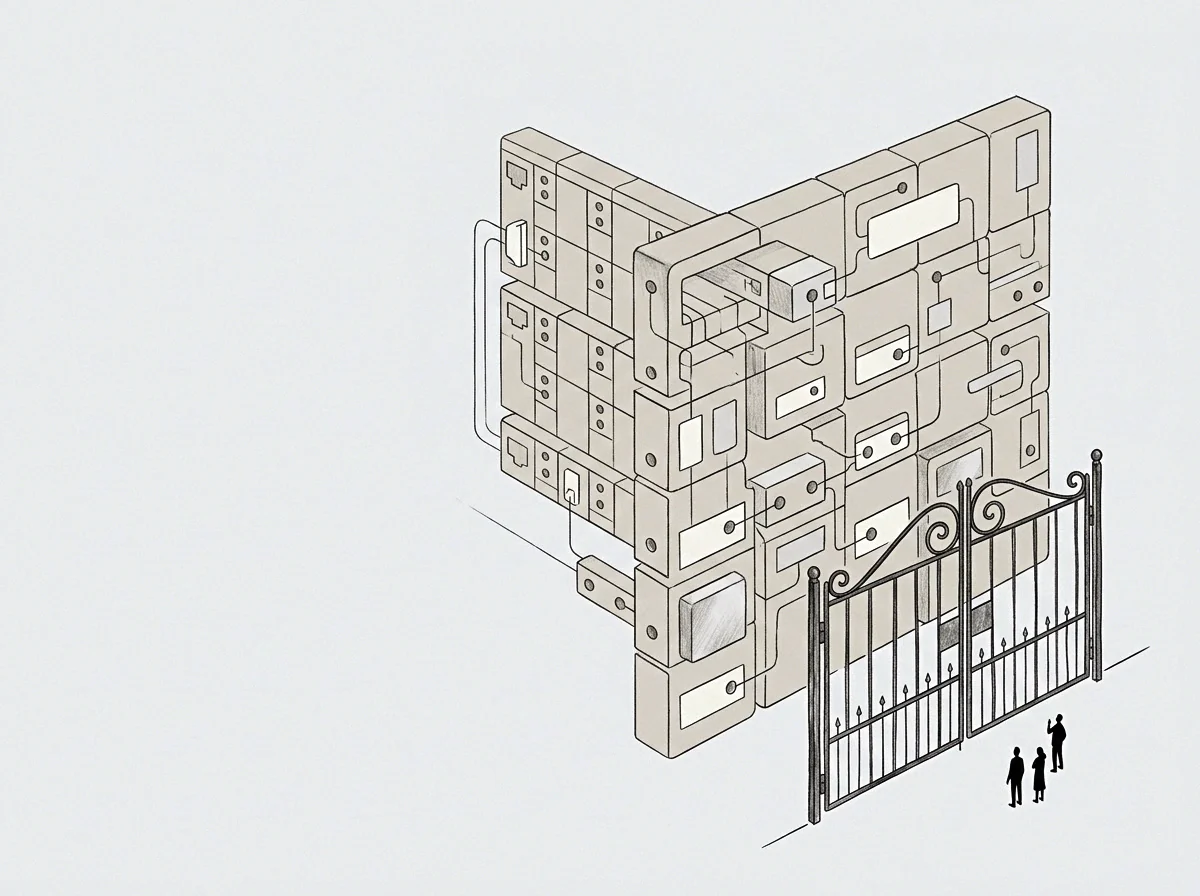
Handoff
An account lead leaves a retained engagement at five on a Friday, and by nine Monday morning the client emails about an unlogged deliverable promise. The founder answers directly. The technical lead takes Tuesday’s call unaware that the client billing contact disputes the previous month’s overage calculation.
The account stays active, but margin erodes as unbilled partner hours absorb the operational drift.
Account transition in professional service retainers moves three distinct assets: technical delivery continuity, administrative authority, and relational leverage. Retainers present an operational hazard because recurring revenue creates an impression of momentum. Deliverables proceed on schedule while the unwritten context that protects margin departs with outgoing personnel.
Firms routinely treat transitions as announcements rather than operational protocols.
The operational protocol follows an explicit sequence across distinct stages. The firm maps communication rhythms, system access, billing terms, and delivery dependencies before introducing successor staff. Introducing a new lead without documented operating margins invites scope creep within ninety days.
Retained arrangements decay when unwritten account parameters fail to codify during personnel departures.
Account migration succeeds when administrative leverage transfers before successor visibility begins.
Service relationships endure through clear operating boundaries rather than personal rapport. When an account changes hands, clients probe those boundaries immediately. An incoming lead who lacks historical context on scope negotiations tends to concede margin as an act of early goodwill.
The protocol establishes operational footing before the client raises contractual adjustments.
The breakdown typically surfaces when a successor discovers missing operational documentation in the middle of a delivery crisis.
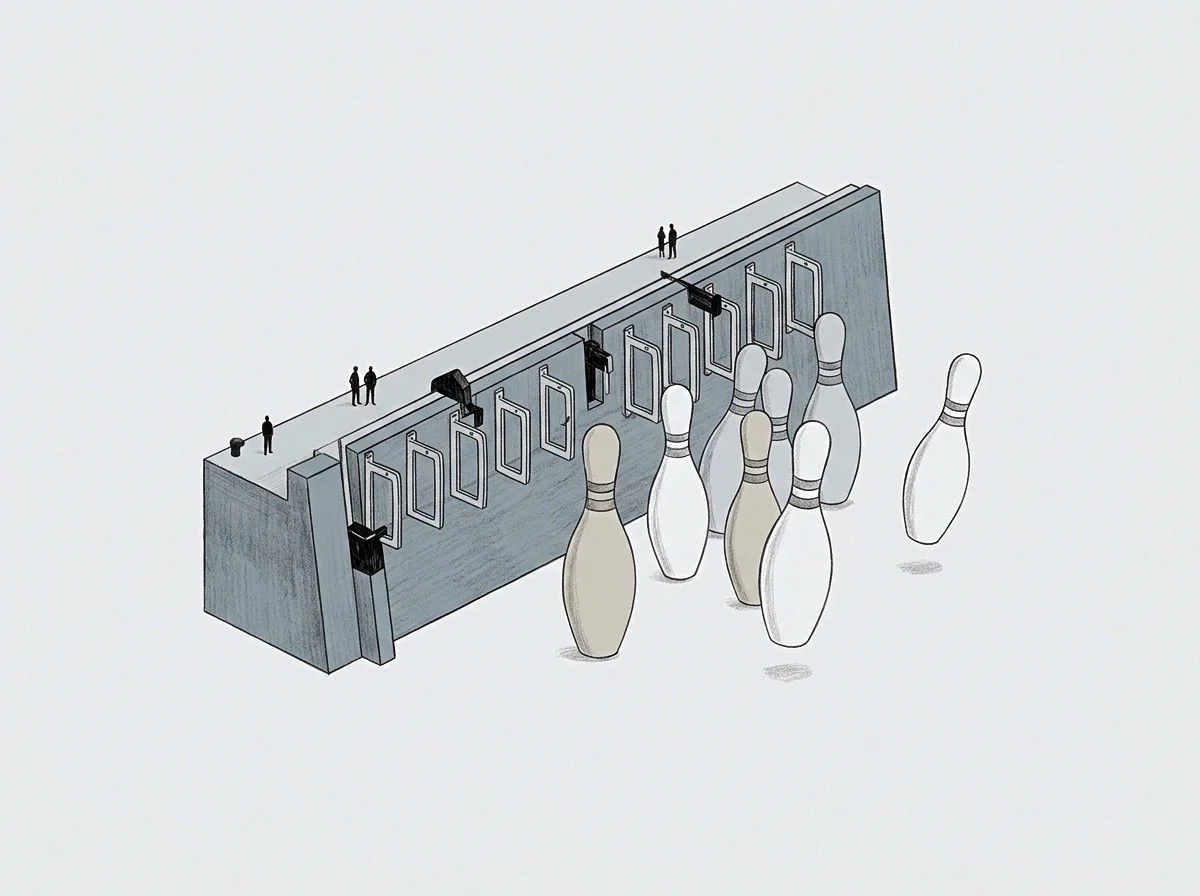
Scaffold
Temporary structural support isolates the client relationship from delivery failure while new operators establish control. This scaffolding combines dual-operator shadowing, mirror ticketing, and documented interaction logs maintained across minimum thirty-day increments.
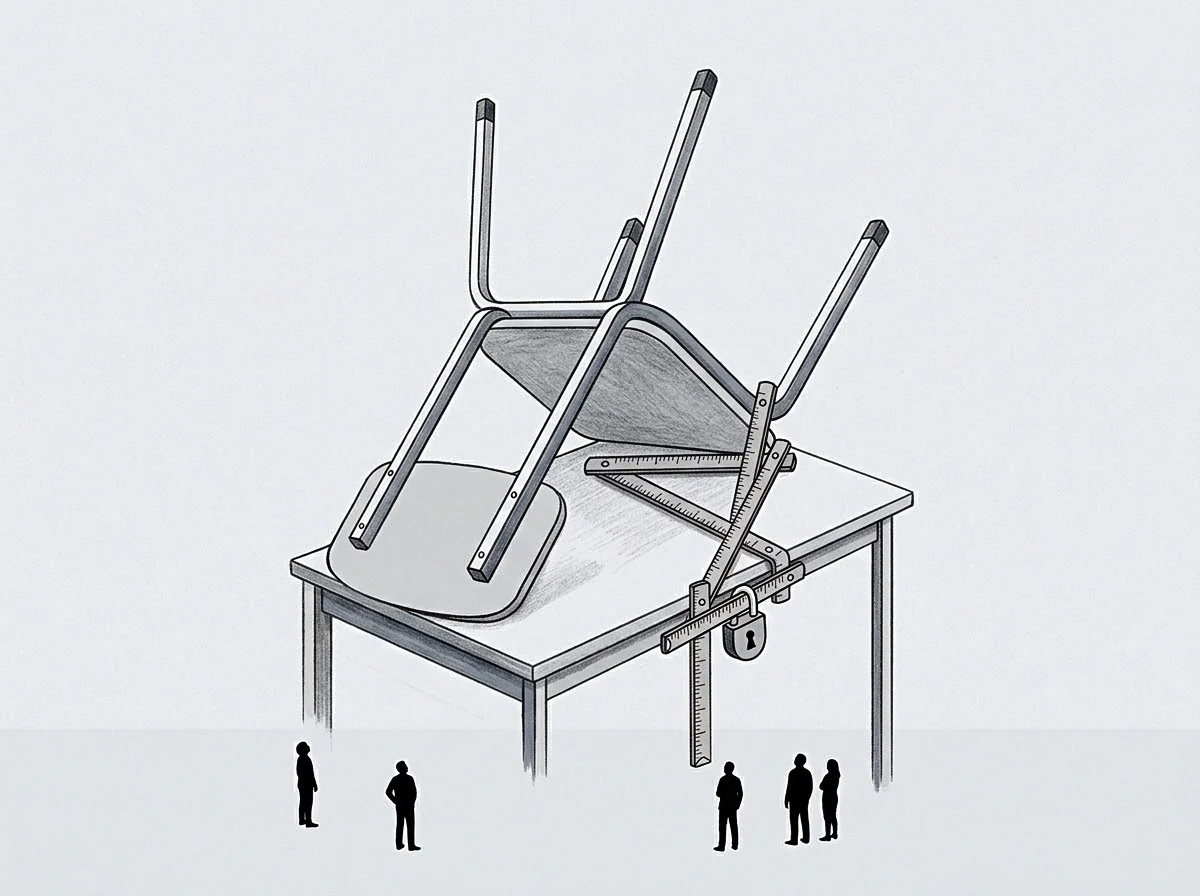
Shadow Operating Architecture
During the transition window, the outgoing operator handles external communication while the successor runs delivery internally. That split shields the client from the friction of onboarding. Meanwhile, the successor reviews every historical statement of work, delivery audit, and client change request logged across the prior four quarters.
The outgoing lead debriefs the successor after every client touchpoint, capturing unwritten preferences, stakeholder tensions, and previously rejected deliverable iterations. Information outside the tracking system transfers through direct operational modeling.

Phased Operational Transfer
The removal of the operational scaffold proceeds through four discrete gates. Each gate requires demonstrated operational competence before client-facing authority migrates.
- Documented Audit captures all active deliverable dependencies, credential inventories, and recurring meeting cadences within a centralized registry. The successor validates every access permission independently before proceeding to client introduction calls.
- Mirror Operations positions the incoming lead as an observer on live account communications while managing all task assignment workflows internally. The incoming operator drafts all responses for outgoing lead approval across two full billing cycles.
- Reverse Shadowing transfers primary communication authority to the successor while the departing lead remains silent on calls to audit delivery precision. The departing lead intervenes solely if contractual scope commitments face direct client challenge.
- Full Operational Release removes the outgoing operator from daily account channels while maintaining asynchronous escalation access for fifteen operational days. The firm archives all historical transition notes in the master account repository.
The scaffold breaks when firms compress these operational gates during sudden personnel departures. Rushing the transfer creates blind spots that clients detect within the first billing reconciliation cycle.
Contractual stability relies on structured operational redundancy through every personnel changeover.
Ledger
Retained client relationships carry administrative and contractual details that exist separately from daily technical execution. A thorough transfer requires documenting commercial arrangements, billing exceptions, and historical margin allocations.
| Account Asset | Low-Touch Retainer | High-Touch Retainer | Enterprise Advisory |
|---|---|---|---|
| Credential Custody | Shared Vault Delegation | Environment-Specific Keys | Client IAM Federation |
| Scope Governance | Fixed Deliverable Matrix | Tiered Resource Allocation | Dynamic Capacity Allocation |
| Billing Reconciliation | Standard Monthly Automated | Milestone Plus Overage Logs | Audited Time Logs Plus Retainer Drawdown |
| Escalation Pathway | Single Point of Contact | Dual Operational Escalation | Executive Steering Committee |
Commercial Protocol Auditing
The incoming account lead audits historical realization rates on the retainer before assuming full management responsibility. Retainers frequently suffer from margin decay caused by informal scope expansions granted by prior managers seeking to maintain relational ease. The incoming operator identifies unbilled service concessions early to avoid perpetuating structural under-recovery.
Contract terms, renewal windows, and notice periods require explicit documentation within the operational handoff record. The incoming manager maps all active project deliverables against contractual master service agreements to identify potential compliance gaps.
A retainer loses profitability when informal historical concessions become contractual expectations for successor teams.
Billing disputes often trace back to unwritten arrangements between previous account handlers and client department heads. Documenting every exception granted during the previous twelve months prevents the incoming team from absorbing baseline commercial liabilities.
Scope boundaries face claims of prior entitlement whenever new limits are enforced.
Friction
Personnel shifts inevitably introduce relational and operational drag into professional service accounts. Managing this drag requires structured protocols that anticipate client hesitation and prevent opportunistic contract renegotiations.
Psychological Reactance in Account Transitions
Client stakeholders experience personnel transitions as an immediate reduction in service value. The working familiarity built with an outgoing lead represents efficiency to the buyer. When that lead departs, the client expects to re-educate the service firm on core business context at their own expense.
The successor mitigates this reaction by demonstrating context during the first client-facing interaction. Arriving with familiarity regarding past strategic decisions prevents the client from assuming an instructional burden. The operational protocol demands that the new lead references historical project decisions accurately before proposing workflow modifications.

Can Successor Teams Avoid Scope Re-Negotiation During Handover?
Clients frequently leverage account transitions to challenge established delivery boundaries or seek pricing concessions. The operational protocol insulates the incoming lead through strict governance separation: the successor manages technical delivery while an independent account director handles commercial terms and contract enforcement.
When a client attempts to alter deliverables during the transition period, the incoming lead directs the request to the commercial governance layer. This operational separation preserves the working delivery relationship while maintaining contractual boundaries.
Uncodified client expectations drive service firm margin erosion during lead transitions.

Codification
Knowledge that resides exclusively in memory leaves the building when personnel depart. Building durable firm equity requires translating tacit operating expertise into codified standard operating procedures across every client account.

Tacit Context Extraction
Tacit knowledge encompasses the working instincts account operators develop regarding stakeholder personalities, internal client politics, and unwritten delivery preferences. Extracting this context requires structured interview protocols conducted by operational peers prior to an operator departure.
The extraction process documents non-obvious operational triggers, such as idiosyncratic client formatting requirements that consistently cause friction or unspoken executive approval hierarchies. Capturing these details prevents successor teams from stumbling over established internal client sensitivities.
Systematized Runbooks and Delivery Engines
Each retained account demands a dedicated account runbook containing technical architectures, cadence templates, and historical deliverable examples. The runbook operates as an active blueprint that enables any qualified firm practitioner to maintain delivery standards without direct onboarding from outgoing staff.
Runbooks standardize operational cadence, technical environments, and client-specific communication structures. Maintaining these documents ensures that delivery quality remains tied to firm operational protocols rather than individual employee talent.
A firm that relies on personal memory over written protocols surrenders operational value to departing personnel.

Retention
Long-term account stability depends on institutionalizing the client relationship within the firm rather than anchoring it to individual consultants. Account transition protocols serve as the operational mechanism for demonstrating institutional continuity to corporate buyers.
Multi-Threaded Account Architecture
Single-threaded client accounts create operational vulnerability for professional service firms. When only one person holds the primary client relationship, an employee departure threatens the entire revenue stream. Multi-threading establishes structured touchpoints across multiple operational and executive levels within both organizations.
Executive sponsors, technical leads, and project managers maintain parallel relationships with their respective client counterparts. This multi-layered engagement ensures that an individual departure affects only one communication strand while the broader account infrastructure remains stable.
The transition protocol mandates immediate re-threading whenever an account role experiences turnover. Successor onboarding includes structured introductory briefings with all client-side stakeholders, reinforcing collective delivery capability.
Firms build operational durability by systematically decoupling service execution from individual practitioner identities.
A transition protocol protects what the firm owns by ensuring account equity remains inside the organization when personnel leave.