
Structural Mechanisms Neutralizing Predecessor Shadow Information Loops To Restore Successor Decision Velocity
Severing technical and operational access protocols eliminates predecessor shadow information loops and restores successor decision velocity.
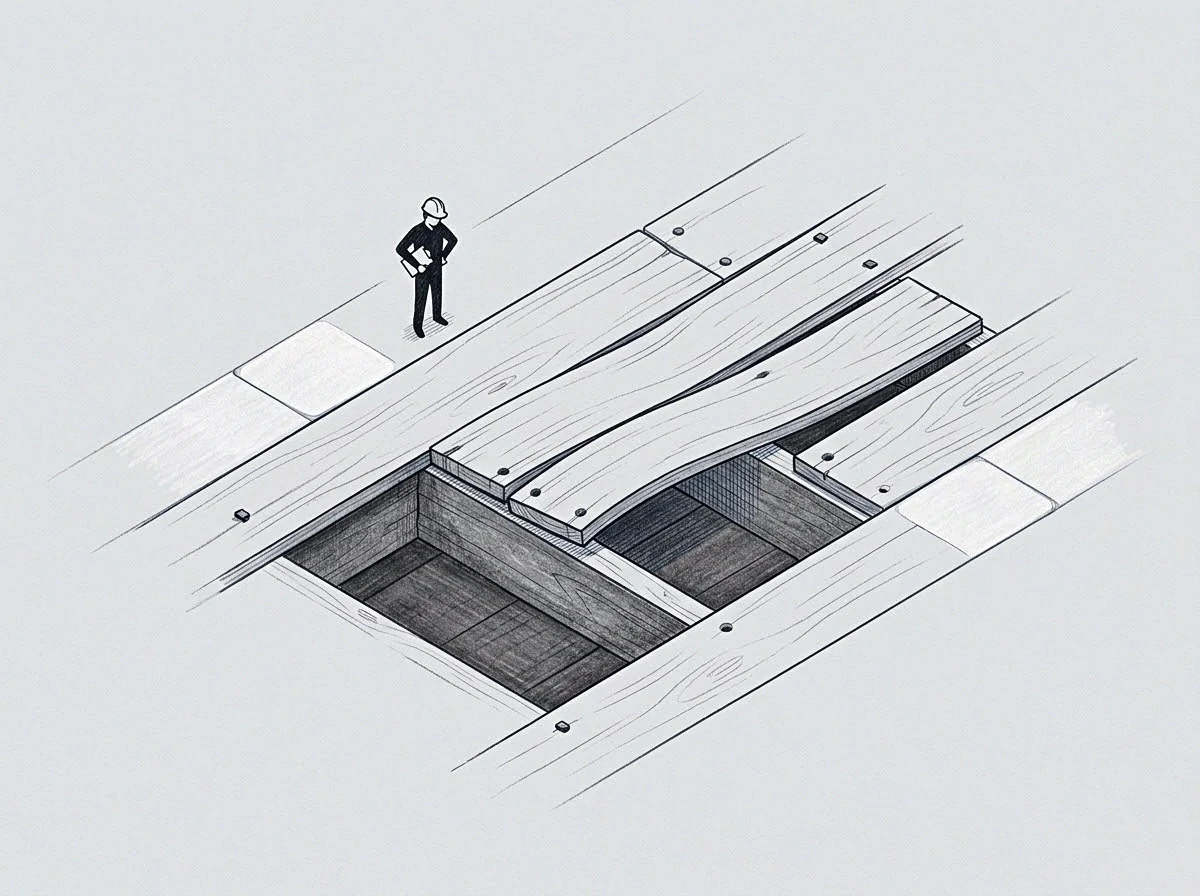
Interference
An executive officer issues a directive regarding inventory management on Monday morning. By Tuesday afternoon, middle managers have quietly paused implementation because a former executive expressed soft skepticism in an unmonitored messaging group. This scenario recurs across organizations following leadership transitions.
Shadow information loops occur when legacy leaders remain informal hubs for operational queries, creating dual centers of gravity that paralyze organizational action.
When operational communication bypasses the active seat, decision latency expands by a factor proportional to the number of non-signatory advisors consulted.
The accumulation of unmonitored communication channels dilutes formal decision rights. Staff members naturally seek validation from familiar authority figures, especially during periods of strategic shift. Predecessors often respond to casual inquiries without recognizing that their casual commentary functions as a countermanding order to team members.
The legacy loop breaks. Authority rests in active seats.

Informal Power Routing in Transitioned Governance
Department leaders frequently maintain private communication threads with former founders after operational handovers complete. These backchannels allow legacy leaders to receive unfiltered operational telemetry while insulating them from the operational consequences of their feedback. Successors remain unaware that their directives are being weighed against legacy preferences in off-the-record consultations.
Execution demands absolute clarity. The presence of secondary confirmation loops introduces severe operational friction. Middle management delays critical resource deployments while waiting for implicit sign-offs from non-operational board members or retired founders.
Predecessor interference undermines execution.
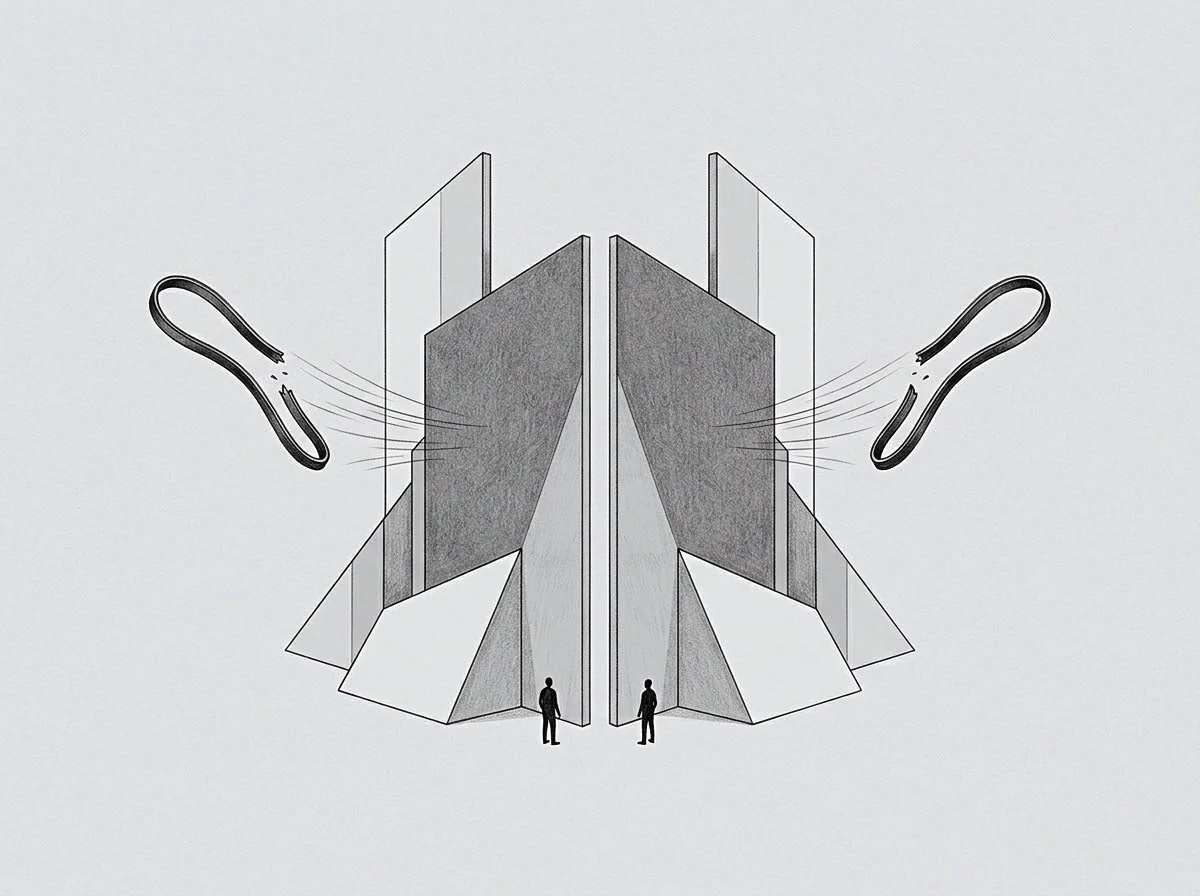
Latency Accumulation Across Parallel Reporting Lines
When dual instruction pathways exist within an enterprise, middle managers delay operational execution to weigh competing preferences. Decision speed drops as teams prioritize consensus across redundant leadership figures over immediate action. Information bottlenecks destroy momentum.
The temporal cost of secondary validation manifests across all functional areas. Product releases slow down, procurement agreements stall, and market adjustments lag behind competitive requirements. Organizations operating under shadow information loops experience a measurable decline in throughput, as every major policy shift requires navigating invisible social arrangements alongside formal governance protocols.
Failing to dismantle these shadow pathways permanently subdivides executive authority, doubling execution costs while reducing overall decision speed across the organization.

Latch
Structural severance requires hard boundaries between governance seats and daily operational tools. Reliance on voluntary restraint or verbal agreements fails to stop informal information requests. Former operators maintain entrenched habits of checking daily metrics, reviewing product builds, and messaging former direct reports.
Physical and digital access controls establish clear operational boundaries that voluntary agreements cannot achieve.
Restricting predecessor access to operational data repositories reduces shadow query volume within thirty days.
Enforcing role boundaries preserves institutional momentum. Access controls enforce role boundaries. Removing former executives from administrative mailing lists, real-time analytics platforms, and internal messaging suites breaks the technical feedback loops that fuel shadow governance.
Without daily operational telemetry, legacy leaders lose the contextual visibility required to offer spontaneous, unmonitored feedback to staff members.

Revocation of Operational System Credentials
Administrative access to messaging platforms, financial dashboards, and code repositories transfers to the new leader on the formal transition date. Terminating access privileges prevents former executives from continuously monitoring day-to-day operations. When legacy leaders lack real-time data access, staff members stop reaching out to them for daily operational guidance.
Clear credentials prevent ambiguous reporting dynamics. System access schedules must match formal governance roles exactly. Retaining read-only access for former leaders creates dynamic informational asymmetries, as legacy executives critique ongoing work using partial data without bearing direct accountability for outcomes.
- Residual Board Backchannels create persistent friction when former operators use direct director seats to query line managers directly without notifying executive leadership.
- Unmonitored Advisory Seats allow retired executives to receive operational notifications while holding no formal management accountability.
- Legacy Shared Repositories grant former executives continuous visibility into draft strategy documents, prompting unrequested informal critiques.

Physical and Digital Perimeter Enforcement
Card access to corporate facilities and administrative privileges in communication suites require formal policy alignment. Physical presence in operational areas by former leaders triggers informal coaching sessions that bypass official reporting chains. Offsite transitions establish the clear space needed for new leadership to establish their own operational norms.
Uncontrolled channels create administrative waste. Successors must establish firm technical barriers that stop operational data from leaking to non-executive board members. Restructuring internal distribution lists prevents former leaders from intervening in routine internal workflows.

Architectural Boundaries for Formal Inquiries
Direct inquiries from staff members to former leaders require explicit redirection mechanisms to preserve line management authority. When legacy leaders receive direct operational questions, company policy should mandate that they route those messages back to the active executive team without taking action. Establishing structured channels ensures information flows through formal leadership nodes.
Governance demands explicit parameters. Establishing single-entry communication channels protects executive team authority. Staff members quickly stop using shadow backchannels when former executives consistently redirect informal inquiries to active line managers.
The inclusion of a non-interference governance clause converts shadow communication attempts into explicit contractual breaches that void transition compensation terms.

Brake
Organizational friction escalates when informal commentary overrides formal executive decisions. Neutralizing shadow loops requires interventions that slow down unapproved communications before they disrupt active project cycles. Implementing structural verification mechanisms ensures that operational directives originate strictly from active executives.
An operational escalation that arrives through an unverified channel requires immediate redirection rather than direct resolution.
Successor velocity recovers rapidly once shadow channels are rendered ineffective. Clear structural mechanisms discourage staff members from seeking secondary approvals. When legacy feedback carries no operational weight, the organizational incentive to maintain shadow loops disappears entirely.

Where Shadow Information Channels Cause Decision Stagnation?
Operational velocity degrades when department heads wait for secondary validation before implementing approved strategic shifts. This hesitation creates artificial bottlenecks that stall company initiatives. Unsanctioned queries delay progress.
When team members balance official directives against informal advice from former leaders, progress stalls. Resolving these conflicting signals requires explicit governance rules that strip informal commentary of operational authority. Re-establishing single-point accountability restores execution speed across departments.

Taxonomy of Interventions Across Operational Domains
Categorizing shadow loops by structural origin allows target neutralization across software, meeting schedules, and governance boards. The table below outlines how specific intervention patterns neutralize shadow information channels across key organizational operational domains.
| Domain | Shadow Loop Channel | Structural Neutralization Mechanism | Successor Velocity Recovery Factor |
|---|---|---|---|
| Software Architecture | Direct messaging backchannels between staff and legacy leaders | Credential sunsetting and automated messaging redirect protocols | Immediate operational velocity rebound within two fiscal weeks |
| Governance Protocols | Informal director queries to lower-level department heads | Single-point board liaison rules and centralized request logging | Restoration of executive team alignment across strategic projects |
| Financial Oversight | Legacy access to real-time analytics and bank dashboards | View-permission revocation tied strictly to active executive seats | Elimination of non-executive budget interventions and delays |
| Strategic Planning | Unscheduled advisory calls reviewing raw draft initiatives | Quarterly formal reporting cadence replacing informal syncs | Reduction in strategic pivot latency across core product teams |
Department leads frequently remark that obtaining approval from both leaders remains safer than trusting the formal transition agreement alone.
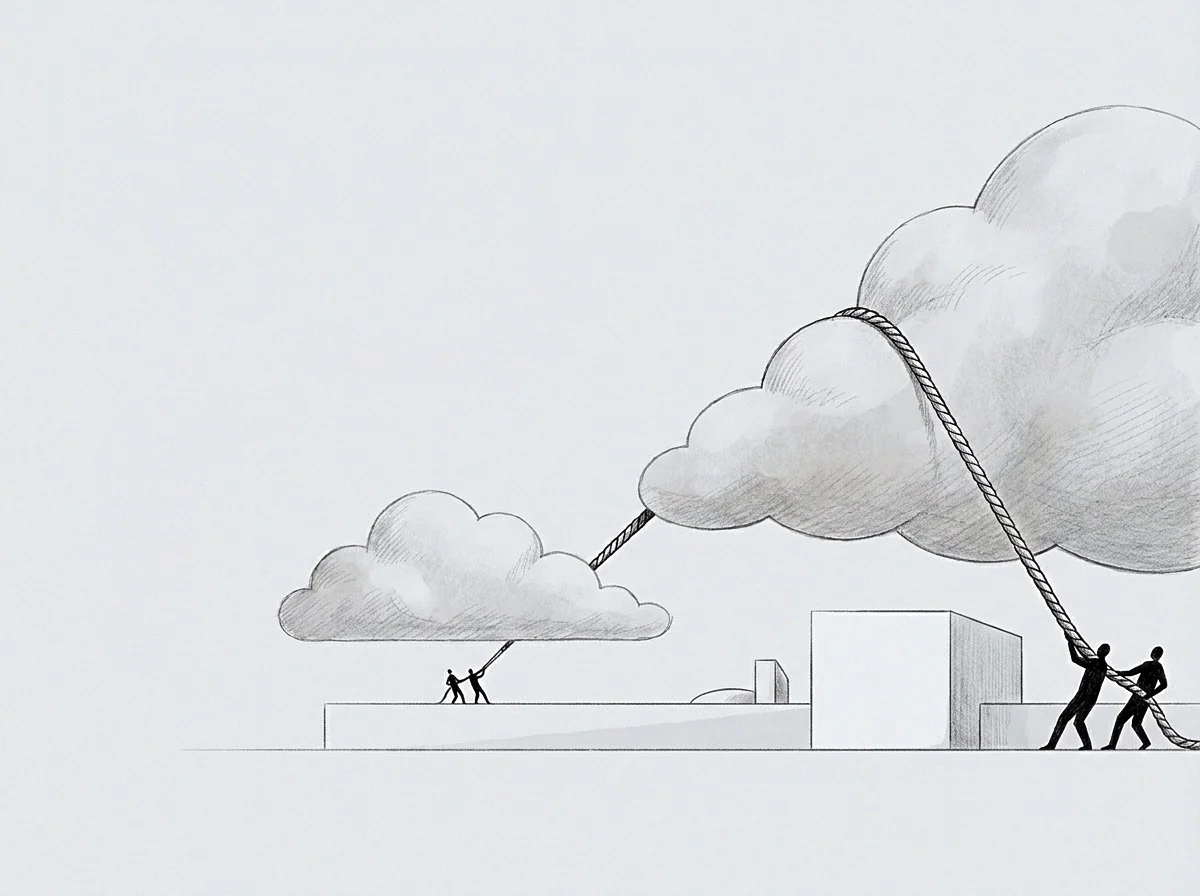
Filter
Information routing mechanics separate valid governance oversight from invasive operational micromanagement. Board members and advisors need aggregate performance updates, but direct access to real-time communication channels often leads to counterproductive interventions. Setting up strict information filters protects operational workflows while keeping governance bodies properly informed.
Successors lose authority when direct reports observe double reporting without formal structural intervention.
Structured communication filters protect operational autonomy. Formal channels preserve decision speed. Routing informational requests through dedicated liaisons prevents informal backchannels from interfering with active projects.
Standardized reporting schedules give legacy stakeholders clear visibility without disrupting daily operations.

Signal Decoupling and Information Routing Architecture
Establishing standardized reporting formats forces all executive communications through designated governance nodes. Filtering raw operational data into clear performance summaries prevents board members from micromanaging line department decisions. This separation insulates team leaders from uncoordinated feedback loops.
Decoupling operational noise from high-level strategic metrics helps maintain organizational focus. When former leaders receive structured, periodic updates rather than real-time data feeds, their ability to launch informal operational interventions decreases significantly. Clean information filters preserve executive decision-making space.

Structural Isolation of Predecessor Governance Roles
Former founders occupying board seats receive operational telemetry strictly through scheduled board materials rather than direct staff queries. Formalizing board communications stops legacy leaders from bypassing executive management. This boundary forces all strategic queries through official governance channels.
- Direct inquiries arriving from former executives receive immediate redirection to current board liaisons without line manager commentary.
- Informal requests for internal status reports route automatically through executive office triage protocols.
- System permission matrices synchronize directly with active role descriptions rather than historical relationships.
Operational autonomy expands in direct proportion to the physical and technical distance maintained between former leaders and daily reporting tools.

Audit
Verifying the elimination of shadow loops demands precise tracking of decision turnaround times. Shadow authority dissipates rapidly when systematic monitoring reveals residual backchannels before they cause operational delays. Regular governance audits verify that line managers take direction exclusively from active executive leaders.
Clear boundaries restore velocity. Tracking execution timelines identifies lingering double-reporting dynamics across departments. Eliminating hidden validation cycles allows successors to implement strategic changes quickly and decisively.

Quantifying Decision Latency Reductions
Measuring elapsed time between proposal submission and execution approval demonstrates the effectiveness of structural boundaries. Decreased decision turnaround times directly correlate with the successful elimination of shadow communication backchannels. Monitoring these performance metrics validates the strength of organizational boundaries.
Tracking approval velocity across key functional areas confirms the removal of informal validation steps. When team leaders act directly on official executive directives without waiting for secondary input, execution throughput speeds up significantly across the organization.
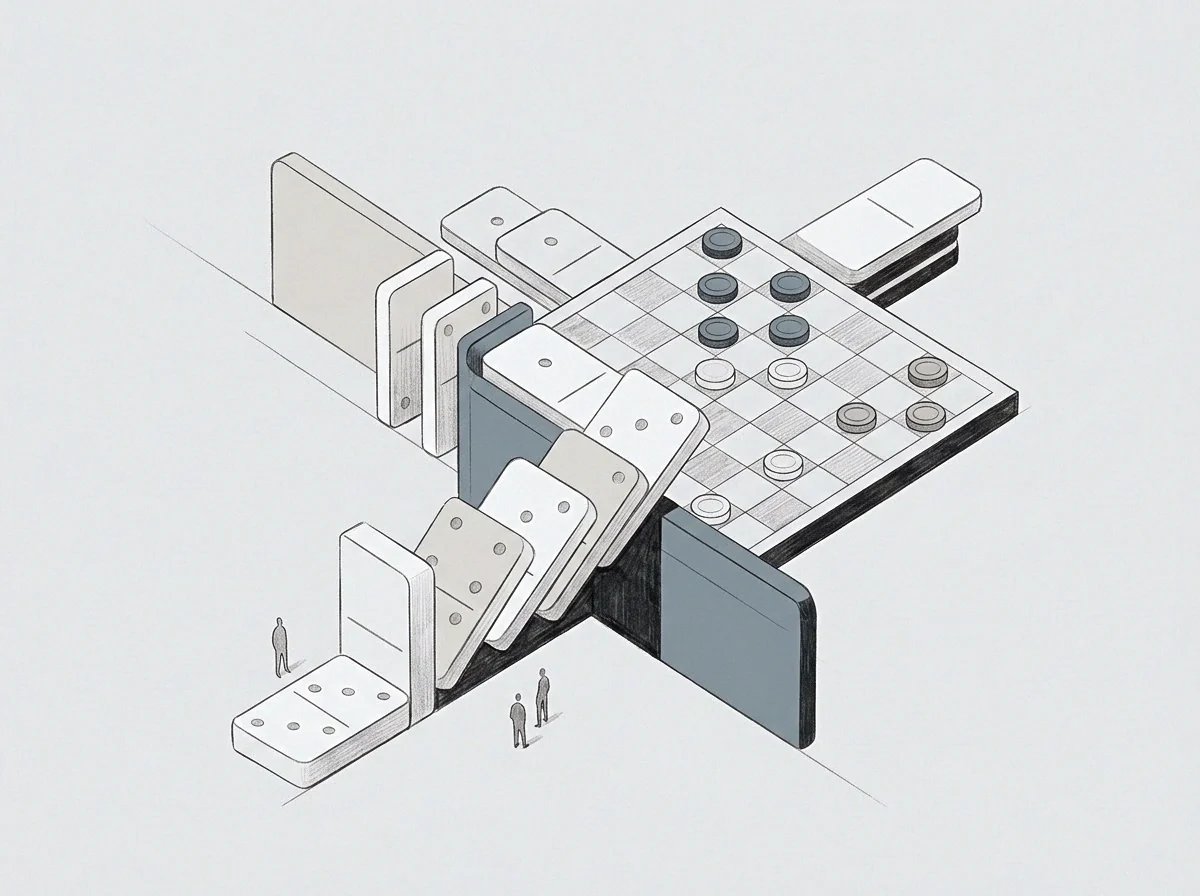
Verification Protocols for Information Loop Severance
Periodic reviews of communication traffic patterns identify residual backchannels before operational authority erodes. Systemic audits confirm that communication permissions match formal governance roles across all corporate software applications. Routine access reviews prevent the gradual re-emergence of unapproved access paths.
Maintaining clear technical and governance boundaries ensures long-term operational velocity. Continuous verification stops shadow loops from quietly re-forming over time. Protecting formal decision rights keeps the active leadership team firmly in control of strategic execution.
The question remains whether legacy informal influence can ever be completely eliminated while the predecessor retains a substantial financial equity position in the enterprise.