
Structural Mechanisms For Decoupling Technical Founders From System Execution Deficits
Decoupling technical founders from system execution requires decomposing seats, instituting automated pipeline guardrails, and delegating operational authority.
Knot
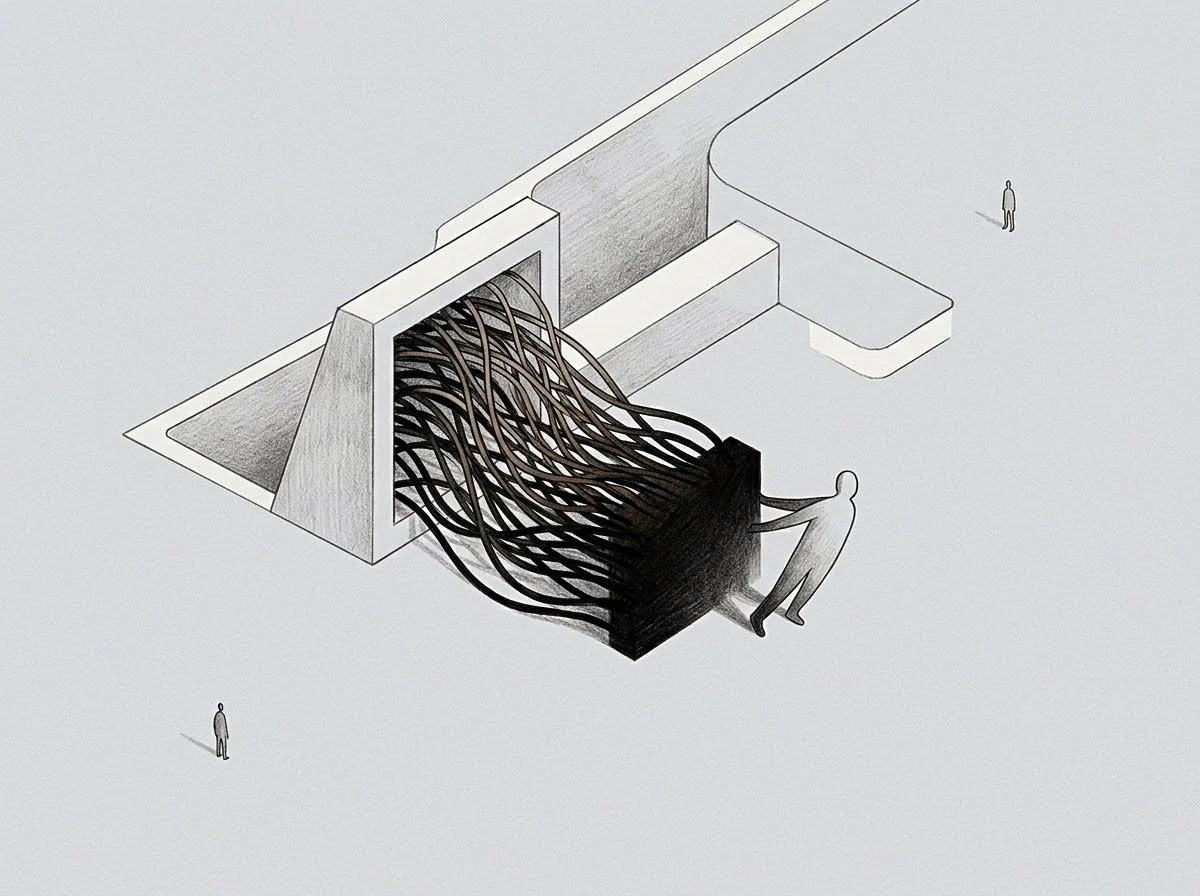
The terminal log scrolls past at two in the morning while production requests stall on a single missing database index. The technical founder spent sixteen hours approving merge requests, patching legacy infrastructure scripts, and running manual deployment procedures written three years earlier. Escalations route directly to one person because system design decisions remain tied to execution duties.
Strategic work halts while system maintenance proceeds.
A technical role splits into distinct operational seats that demand different cognitive orientations. The technician seat writes code, debugs microservices, and manages production infrastructure. The manager seat builds schedules, organizes delivery sprints, and evaluates performance.
The founder seat defines long-term capital allocation, structural governance, and high-level technical direction. Role strain occurs when one person occupies all three seats without formal allocation of hours. Operating across these seats creates switching costs that deplete energy needed for long-term governance.
System capacity stalls when production deployment approvals require the direct physical intervention of a technical founder.
Execution deficits emerge when system complexity expands faster than individual operational bandwidth. Infrastructure design decisions made during early building stages rely on tacit operational knowledge. This knowledge sits inside the technical builder’s head rather than in accessible code baseline documentation.
Team members escalate trivial operational exceptions because explicit boundary guardrails do not exist. Technical debt accumulates alongside organizational friction, forcing the builder back into active fire-fighting mode daily.
Coupling system execution to technical founders creates structural single-point failure risks. Team members default to passive execution when authority stays concentrated at the top. Technical founders who intervene directly in daily system incidents reduce team operational autonomy.
Execution speed decreases as team headcount expands, producing organizational latency across development cycles. Leaving these execution patterns uncorrected causes operational exhaustion across technical leadership.

Split
Decoupling demands formal decomposition of administrative seats and operational responsibilities. Strategic technical direction requires separation from daily service reliability tasks. Operational governance structures isolate executive authority from technical implementation pathways.
Responsibilities split across distinct seats inside growing software architecture teams.
| Seat Designation | Governing Scope | Primary Execution Output | Operational Horizon |
|---|---|---|---|
| System Architect | Technical vision and system guardrails | Architecture decision records | Twelve to thirty-six months |
| Engineering Manager | Resource allocation and sprint execution | Delivery velocity and team throughput | One to two quarters |
| Infrastructure Lead | System availability and pipeline health | Service level indicators and deployment pipelines | Daily operational runtime |
Separating the system architecture seat from direct engineering management requires explicit governance contracts. System architecture seats define interface constraints, data schema standards, and reliability targets without prescribing individual implementation steps. Engineering management seats hold responsibility for sprint execution, developer staffing, and code delivery schedules.
Infrastructure leads maintain deployment pipelines and system uptime metrics independently.
Decoupling technical leadership from daily service delivery succeeds only when operational guardrails replace manual sign-off gates.
Execution boundary definitions clear operational channels across development teams. Clear boundary definitions allow engineering managers to execute delivery schedules without constant technical leadership interventions. Technical founders holding system architecture seats evaluate system performance through operational metrics rather than continuous code reviews.
System governance transitions from manual monitoring to automated threshold testing across integration environments.
Engineering velocity drops when technical decisions require constant consensus building. Establishing clear operational domains eliminates approval loops that stall feature execution. Autonomous execution teams operate safely within pre-approved structural parameters.
Systems stay operational because execution leads possess explicit authority to address production incidents independently. Technical directives shift weekly while production approvals sit stalled inside executive review queues.

Bench
Decoupling operational execution requires inserting dedicated proxy leads into direct execution pipelines. Senior engineering personnel take ownership of system runtime reliability and deployment pipelines. The transition from founder-led execution to delegated operational ownership demands systematic knowledge translation.
Engineering leadership transfers execution authority through targeted operational handovers.

What breaks when tacit operational knowledge remains uncodified?
Uncodified operational knowledge freezes delegation procedures. Production systems fail during incidents because manual recovery steps exist only in memory. Infrastructure configuration parameters remain undocumented, forcing teams to escalate minor service outages directly to technical founders.
Systematic documentation transforms isolated operational knowledge into shared operational runbooks. Engineering leads execute operational recovery steps independently once procedures exist in explicit technical runbooks.
- Auditing production deployment procedures isolates undocumented operational dependencies across active microservice repositories.
- Writing explicit architecture decision records establishes public historical rationale for complex engineering trade-offs.
- Establishing service level agreements shifts system monitoring from subjective leadership reviews to automated runtime metrics.
- Assigning operational incident response ownership transfers primary escalation authority to dedicated infrastructure leads.
- Enforcing interface contract stability allows teams to iterate microservices without requiring executive architectural sign-off.
Operational delegation succeeds when authority matches assigned accountability metrics. Senior engineers receiving operational accountability require full technical authority over infrastructure deployment tools. Restricting production access tools while demanding delivery performance generates role friction.
Establishing clear operational boundaries protects both system stability and engineering team autonomy.
Decoupling execution responsibilities frees technical leadership capacity for strategic infrastructure planning. Engineering proxy leads run daily operations while technical founders evaluate long-term architecture changes. Dedicated operational leads absorb daily engineering friction, shielding technical strategy seats from continuous operational churn.
System execution stability increases as direct execution duties shift away from executive seats. Stating explicit operational transfer conditions in writing transforms implicit delegation into enforceable structural accountability.
Wire
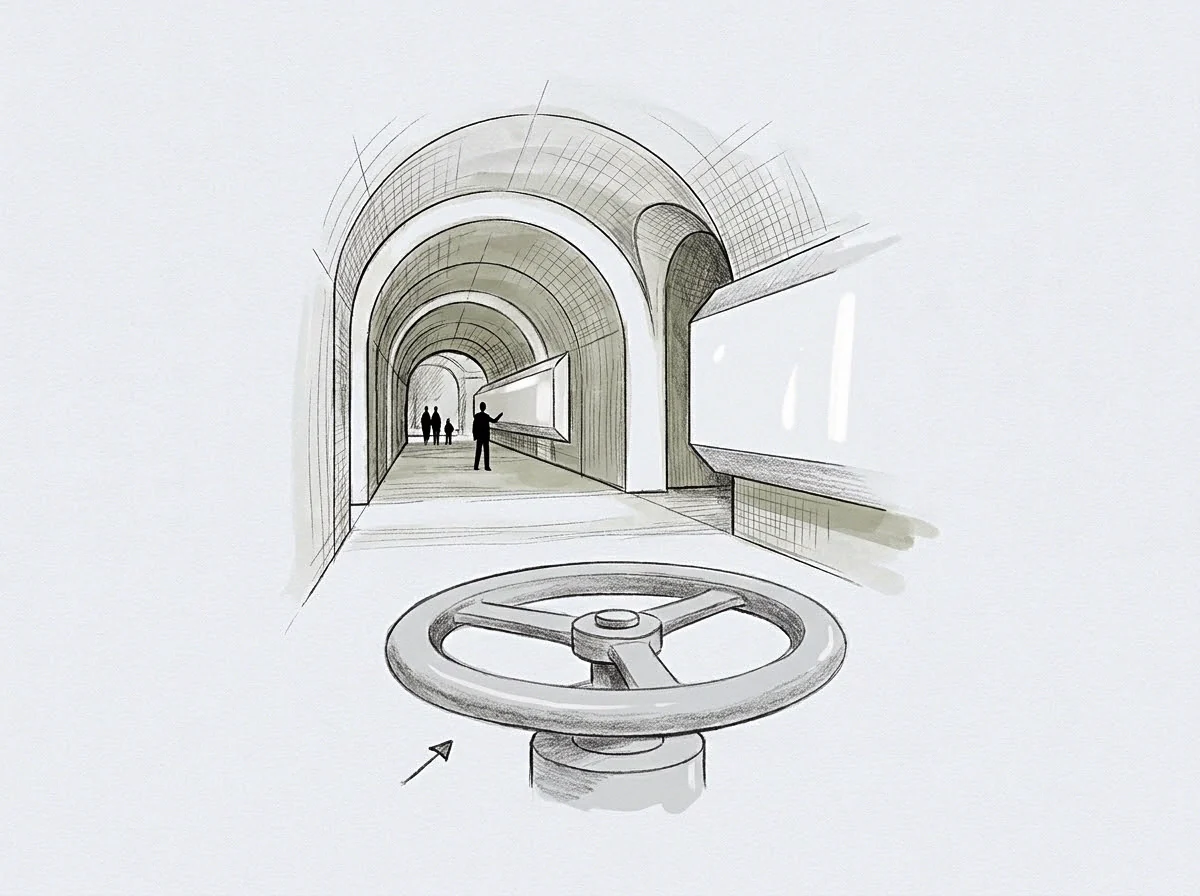
Automated governance metrics replace manual technical reviews across modern software pipelines. Technical leadership installs quantitative operational guardrails to monitor system health without participating in active execution. Automated pipelines enforce code quality standards, security compliance checks, and performance benchmarks during build operations.
Continuous integration systems block deployments that violate pre-established engineering parameters automatically.
System telemetry provides objective visibility into execution operational health. Infrastructure metrics track service availability, request latency, and error budgets across all production environments. Quantitative telemetry eliminates subjective performance evaluations between founders and engineering leads.
Technical leadership reviews high-level performance dashboards to identify architectural bottlenecks before service disruptions occur.
Service reliability metrics act as binding structural contracts between strategic technical leadership and operational delivery teams.
Partial operational decoupling creates persistent failure patterns across growing engineering organizations:
- Shadow review loops occur when technical founders conduct informal code inspections after official approvals, undermining assigned engineering managers.
- Bypassed escalation paths arise when software developers contact technical founders directly during production incidents, ignoring appointed operational leads.
- Vague interface standards emerge when technical leadership fails to document architecture constraints, causing integration failures across engineering teams.
- Unfunded reliability mandates develop when operational teams receive service level targets without direct control over deployment pipeline tools.
Decoupled execution structures require objective feedback loops to maintain architectural integrity over time. Performance metrics reveal operational regressions without forcing founders to inspect individual pull requests manually. Architecture review boards evaluate structural design proposals through formal submission procedures rather than casual verbal exchanges.
Objective metrics keep executive technical seats focused on long-term architecture design parameters. Will engineering teams maintain strict system boundary constraints once technical founders step away from direct deployment oversight?

Cost
Decoupling technical founders from daily execution carries real economic and structural costs. Transitioning operational duties to dedicated proxy leads increases immediate organizational payroll expenses. Hiring senior engineering managers and site reliability leads demands substantial financial commitments.
Training senior staff on proprietary software baseline architectures consumes significant senior engineering bandwidth during onboarding cycles.
Operational transition phases temporarily decrease net feature delivery throughput. Engineering velocity slows while proxy leads absorb legacy system context and build team relationships. Technical founders spend significant time teaching architectural concepts rather than designing future product capabilities.
Accepting short-term velocity drops remains necessary to secure long-term system scalability.
System capacity matches the operational capacity of the seats established to hold execution authority.
Failing to decouple technical founders produces compounding strategic costs over time. Products stall when technical leadership spends entire workweeks triaging microservice incidents. High-value market opportunities vanish while technical founders rewrite infrastructure code manually.
Strategic focus shifts permanently toward active fire-fighting, leaving long-term company direction completely unmanaged. Decoupling execution duties protects technical leadership capacity for work that creates enterprise value.
Long-term organizational stability depends on establishing permanent separation between strategic governance and execution duties. Structural decoupling creates durable engineering organizations capable of scaling beyond individual human capabilities. Technical founders build lasting enterprise value by establishing governance mechanisms that outlast their direct operational presence.
Clear seat definitions, explicit operational guardrails, and automated governance systems form the structural foundation of scalable software enterprise leadership. Delegating execution authority early preserves strategic focus.