
Transferring Operational Authority Within Closely Held Family Enterprises
Operational authority transfers through scheduled migrations of administrative spending limits, binding signatory powers, and codified commercial protocols.

Desk
An incumbent chief executive sits in an office surrounded by physical binders, proprietary supplier contact lists, and unwritten operational protocols accumulated over thirty years of private ownership. A designated successor, often an adult child or long-tenured operational deputy, occupies an adjacent office without spending authority, pricing autonomy, or unilateral hiring permission. Operational authority in closely held family firms rarely transfers through ceremonial title changes or stock gifts.
Daily execution resides in specific administrative permissions, vendor relationships, pricing exceptions, and payroll sign-offs.
Operational transfer succeeds only when administrative spending limits and vendor settlement rights migrate from the incumbent to the successor in dated increments.
Family enterprises compound the difficulty of managerial succession because bloodline seniority frequently conflicts with organizational hierarchy. Incumbent owners conflate equity possession with operational management, retaining signing authority on corporate credit lines, approving unbudgeted capital expenditures exceeding minor thresholds, and resolving routine customer disputes through personal appeals. This concentration leaves the successor managing schedules while the enterprise remains dependent on the incumbent for daily liquidity and operational continuity.
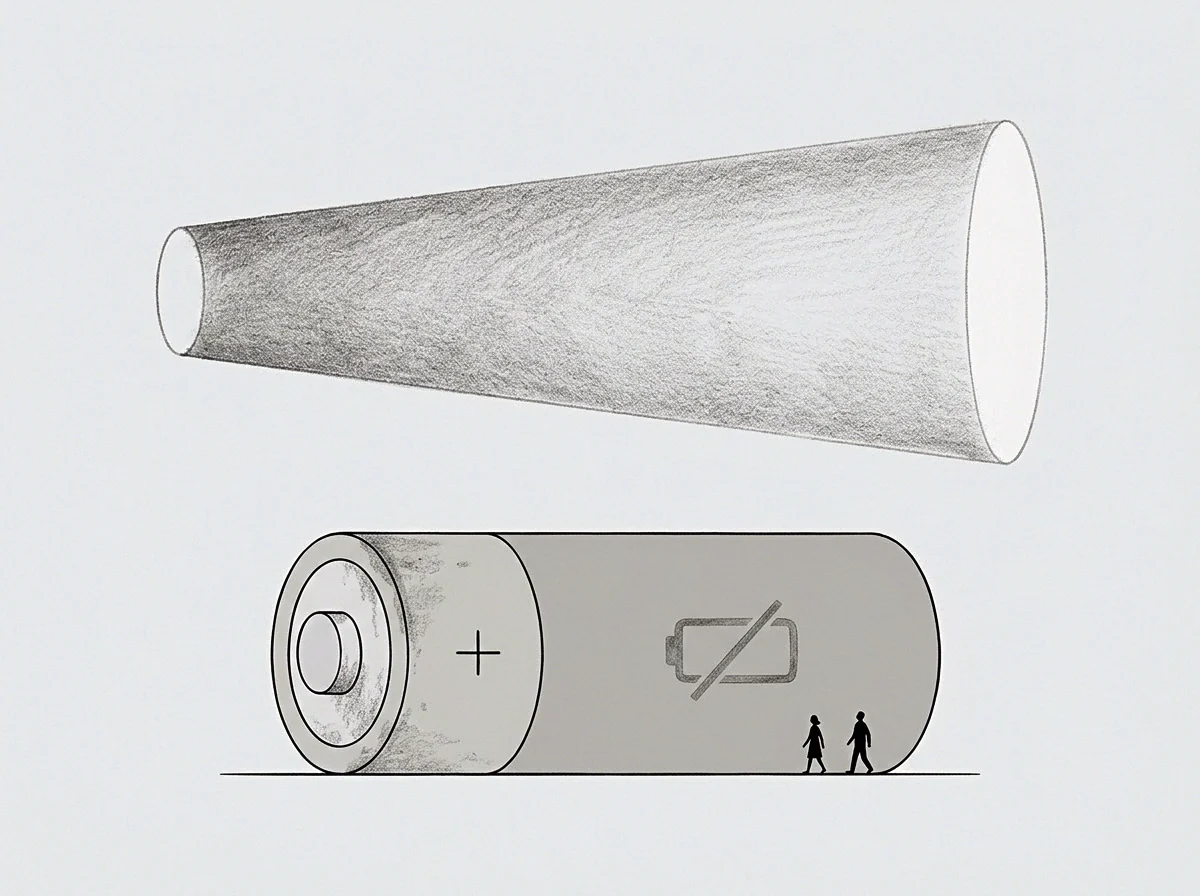
Administrative Separation of Property and Office
The operational office requires structural insulation from ownership voting rights. Family governance documents frequently describe high-level values while omitting the mechanical handover of operational control. A clean transfer isolates three distinct layers of enterprise authority:
- Statutory Corporate Directorship determines fiduciary board oversight, long-term capital allocation, dividend declarations, and structural liquidation rights.
- Executive Operational Command governs supplier contract execution, employee compensation bands, pricing authority within defined gross margin floors, and daily workflow management.
- Beneficial Shareholding distributes annual equity distributions, retains residual enterprise value, and transfers stock through estate instruments without direct operating participation.
When these three layers remain fused inside one individual, operational succession stalls. Middle managers circumvent the incoming operator by taking difficult questions directly to the senior family member at weekend gatherings or informal dinners. The organization observes this bypassed chain of command and directs compliance toward the historical authority.
Subordinates understand that real power stays where the checkbook sits.
Failing to define these operational boundaries early forces the successor into an extended apprenticeship with no measurable authority, driving competent second-generation operators to leave the business entirely.

Mandate
Operational mandates require strict codification into written delegation schedules. In closely held enterprises, informal norms govern operations until a sudden illness or dispute paralyzes the executive office. Tacit knowledge, including historical supplier negotiations, credit terms, and custom manufacturing tolerances, lives exclusively in the senior owner’s memory.
Transferring authority demands converting tacit judgment into formal operating thresholds.

Staged Escalation of Decision Thresholds
Authority migrates through financial and administrative bands rather than total executive displacement. An enterprise establishes a phased schedule where the successor assumes binding authority across distinct functional tiers over twenty-four to thirty-six months. Handover fails when an incumbent attempts an instantaneous transfer or prolongs an indefinite observation phase.
| Authority Domain | Initial Phase Threshold | Intermediate Phase Threshold | Terminal Handover Phase |
|---|---|---|---|
| Unbudgeted Capital Expenditure | Successor approval up to 5,000 dollars; incumbent signature above. | Successor approval up to 50,000 dollars within gross margin targets. | Full executive discretion within approved annual board budget. |
| Commercial Contract Execution | Existing customer renewals under standard credit terms only. | New customer contracts up to 250,000 dollars total value. | Unilateral execution across all commercial agreements. |
| Personnel Compensation Adjustments | Hourly staff hiring and performance evaluations. | Salaried management hiring within predetermined wage bands. | Complete executive compensation and structural reorganization authority. |
| Banking and Line of Credit Access | Secondary signatory on operational disbursement accounts. | Primary signatory on vendor payables up to credit facility caps. | Sole operational borrowing authority under board covenant terms. |
Managerial capability deepens as financial risk exposure expands under structured constraints. An incoming operator manages minor capital outlays before handling primary banking negotiations. As the intermediate phase concludes, the incumbent transitions from direct supervisor to non-executive board chair.
A delegation schedule without binding financial signing thresholds leaves operational control with the historical signatory.
When an incumbent challenges a successor decision made within an authorized threshold, the transfer protocol fractures. Staff members recognize the intervention and revert to historical reporting habits. The enterprise re-establishes its dependency on the founder within weeks of an override.
The incumbent must accept the commercial cost of a successor’s minor operational error within authorized limits to preserve the legitimacy of the new mandate.

Boundary
Non-family executives inside closely held businesses face severe structural tension during generational transitions. Long-serving non-family managers often possess deeper technical and commercial competence than an incoming family successor. Having reported to the founder for decades through informal agreements, discretionary bonuses, and personal loyalty, they find those arrangements disrupted by a new family operator.
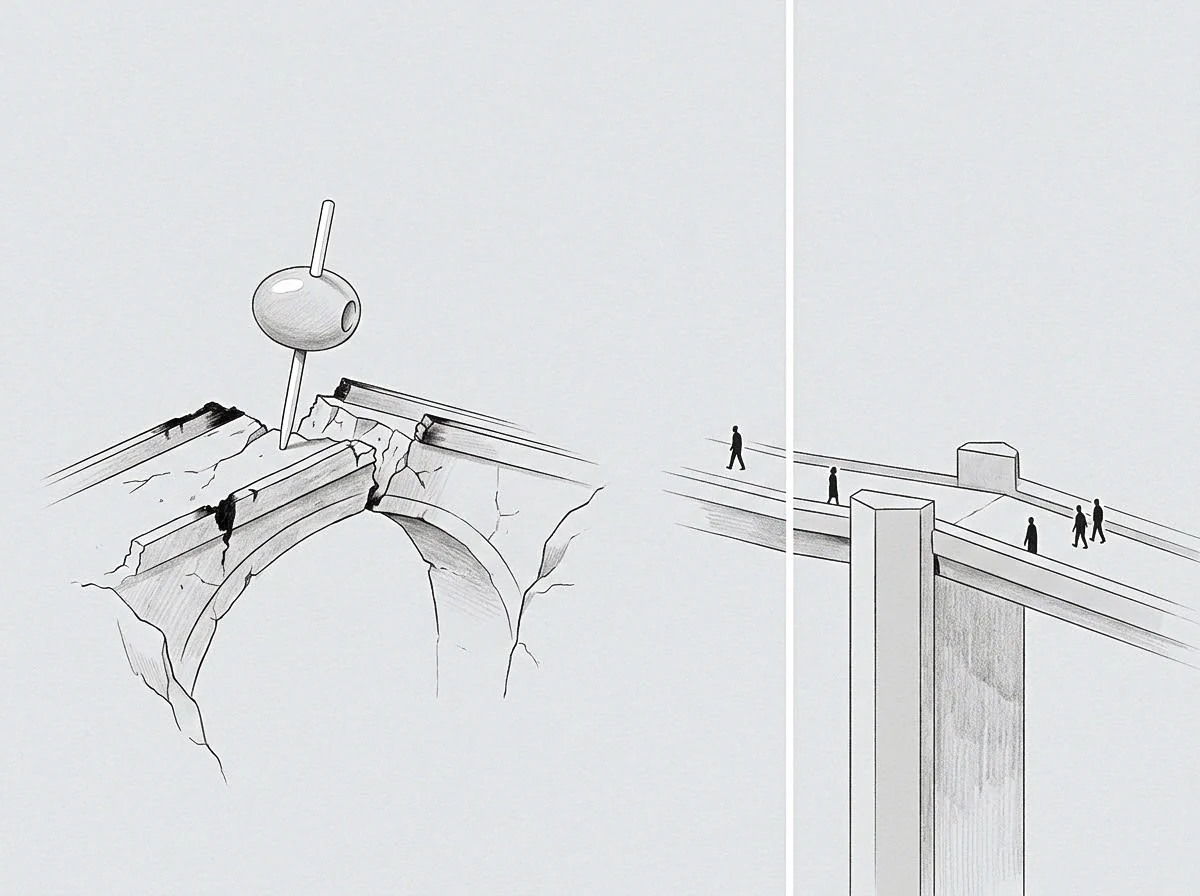
Where Authority Splits Across Operating Lineage?
The incoming operator must establish functional authority without alienating non-family talent running the technical apparatus. Founders frequently promise long-serving managers informal autonomy, creating parallel authority structures that undermine the designated successor. Resolving this friction requires formalizing reporting lines, establishing transparent bonus formulas, and closing informal access channels to the boardroom.
Informal compensation arrangements and back-channel reporting lines destroy managerial coherence during executive transitions.
A structured retention agreement aligns key non-family executives with the operational transition. Phantom equity plans, performance-contingent stay bonuses, and defined enterprise governance seats protect the institutional memory of the firm. Non-family executives need clear certainty regarding career progression and compensation under new leadership.
If the senior generation continues overriding the successor to protect long-standing non-family allies, the business bifurcates into competing operational camps.
A successor may hold nominal authority over manufacturing schedules while the founder continues altering line assignments before the shift starts.

Apparatus
Codifying operational routines protects the enterprise against the abrupt loss of tacit knowledge. Founders routinely handle complex supply chain bottlenecks, specialized product pricing, and critical customer exceptions through intuitive heuristics developed over decades. When these heuristics remain unwritten, a successor cannot replicate the founder’s operational speed or accuracy.
The business requires an institutional apparatus to capture operational mechanics before the incumbent vacates the operating seat. This process involves translating personal relationship networks into formal corporate vendor agreements, establishing standardized pricing calculators, and documenting manufacturing tolerances.

Documentation of Commercial Exceptions
The true operational baseline of a closely held business emerges in its commercial exceptions. Standard operating procedures describe typical transactions, whereas enterprise profitability often rests on specialized terms granted to historic accounts. Documenting these exceptions reveals the margin profile of the firm:
- Customer Rebate Schedules define volume concessions, historical payment grace periods, and non-standard freight allowances granted to top-tier accounts.
- Supplier Settlement Heuristics record informal vendor discounts, seasonal payment deferrals, and raw material quality inspection workarounds.
- Emergency Production Protocols capture machine configuration adjustments, uncatalogued tooling setups, and manual labor overrides necessary during peak production runs.
Codifying these operational routines reduces enterprise vulnerability during executive transitions. The successor operates from institutional records rather than personal intuition, allowing the enterprise to scale beyond the cognitive limits of the original founder.
An irrevocable delegation agreement stripping the senior office of administrative signing rights on a specific calendar date establishes the operational independence of the incoming management team.
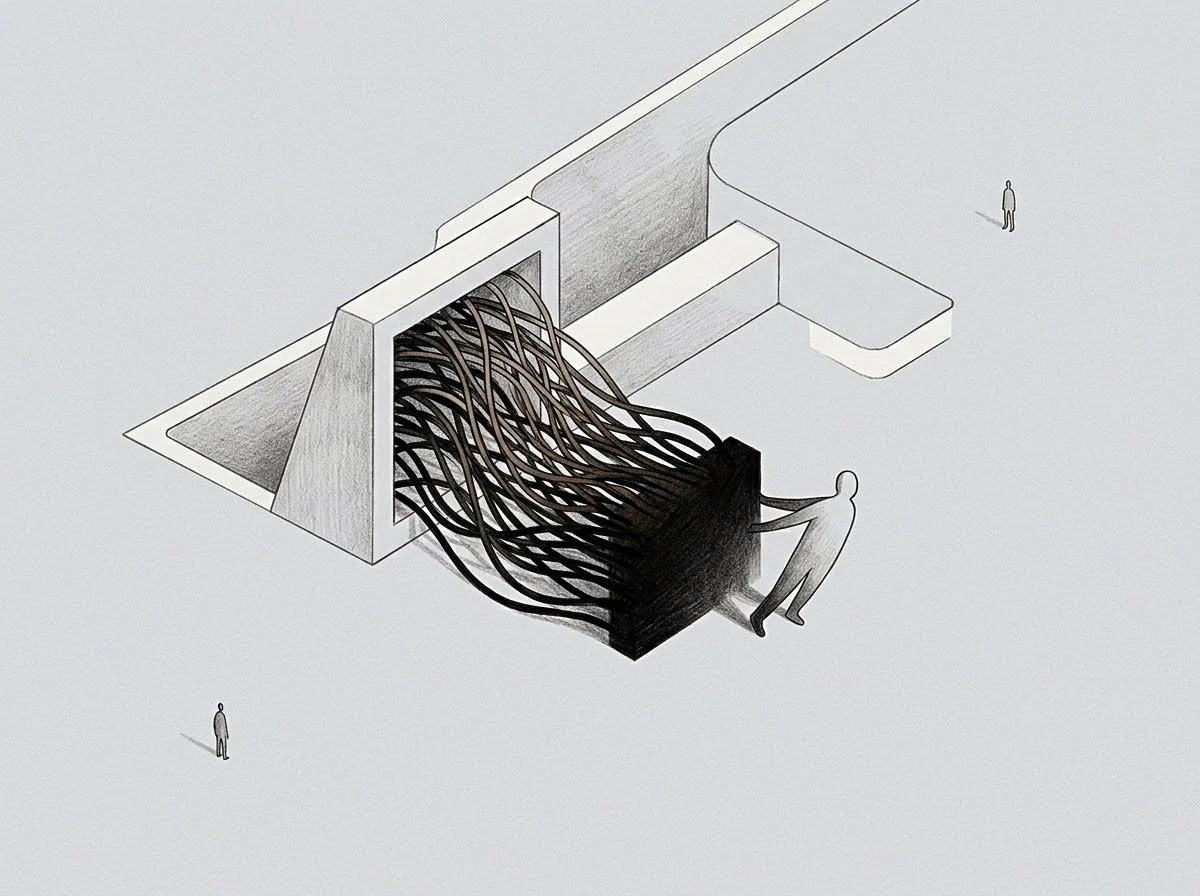
Severance
The final stage of transferring operational authority requires the physical and structural departure of the incumbent from daily operations. A continuing physical presence in the executive suite invites informal consultations, stalls executive decision-making, and signals organizational hesitation to suppliers, lenders, and employees. The incumbent must vacate the physical desk and transition into a structured governance role.
The board of directors serves as the proper container for the senior generation’s ongoing contributions. In this capacity, the former operator evaluates long-term strategy, monitors portfolio risk, and advises on major acquisitions without interfering in daily procurement, personnel management, or operational execution. The executive suite belongs entirely to the successor.

The Governance Boundary
A formal advisory board or fiduciary board of directors enforces the separation between operational management and strategic ownership oversight. The board meets on a predetermined quarterly schedule with structured agendas, audited financial statements, and formal management presentations. Operational discussions remain inside management meetings led by the successor.
Enterprise survival across generations depends on completing this separation before market disruption or generational mortality forces an unplanned transition. The transfer of operational authority is complete when the business operates profitably for four consecutive quarters without the physical presence or administrative intervention of the founder.
How long can a closely held family enterprise sustain double-digit return on invested capital when the founding operational heuristics are entirely replaced by formal administrative protocols?