
Residual Authority Drift in Unbound Executive Departures Across Multi Year Succession Intervals
Residual authority drift occurs when departing executives retain informal decision rights, undermining appointed successors across multi-year intervals.
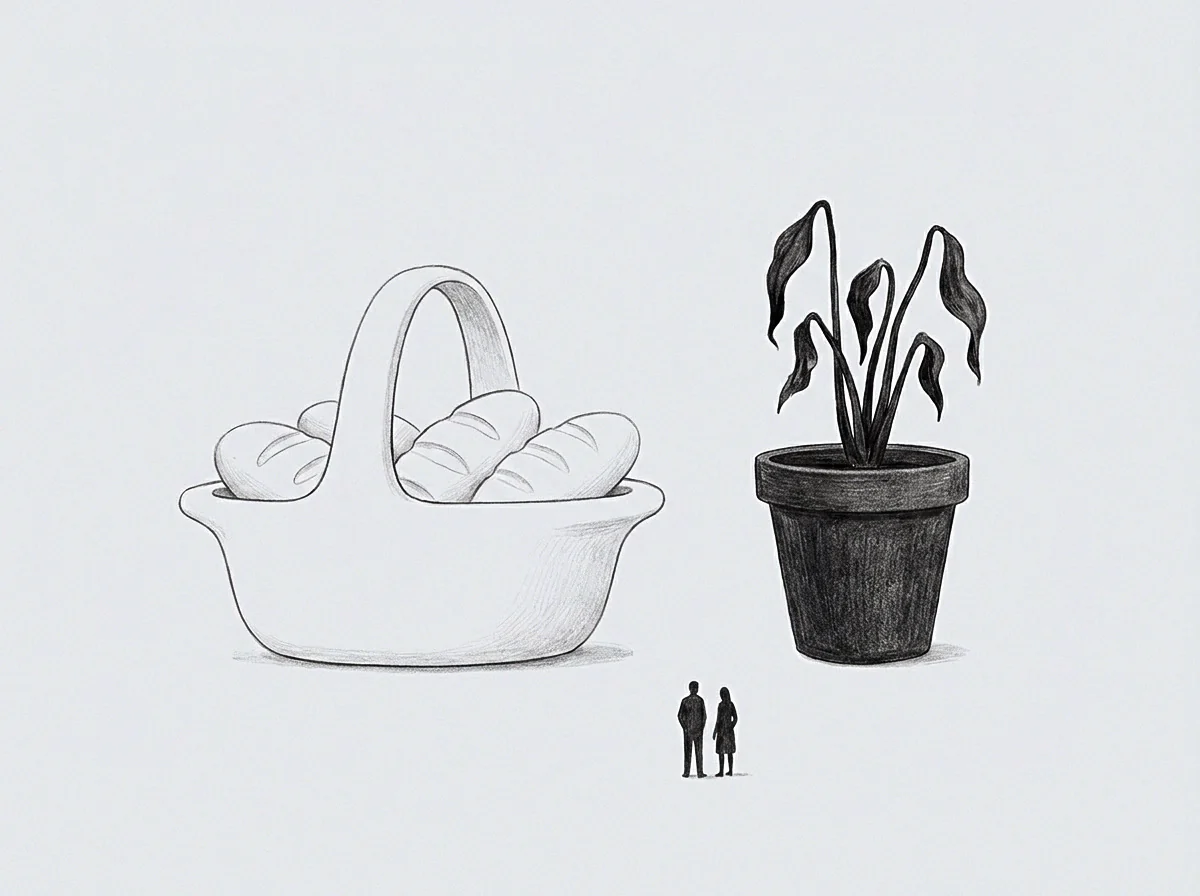
Seat
An executive message sent at dawn to an operations director about warehouse lease renewal bypasses the newly appointed chief executive who signed the employment agreement thirty days earlier. The desk in the corner office holds a replacement laptop, yet vendor invoices over fifty thousand dollars still route through private text messages to the outgoing builder. When an enterprise operates across a multi-year handover, the legal title shifts on day one, while the actual capacity to compel action lingers with the person who spent fifteen years placing every manager into their chair.
Formal appointment rarely severs informal communication lines built over a decade of company survival. Staff faced with ambiguous priorities call the founder whose voice they know, bypassing official channels. The successor manages administrative routines while key decisions stay tied to the former leader.
Maintaining this availability may seem to cushion operational shocks, but it hollows out the successor’s authority before it can take root.
Departed executives retain informal veto leverage whenever long-tenured staff face ambiguous strategic directives.
Even when physical office keys change hands, staff loyalty functions on personal precedent rather than organizational charts. The successor holds the title, but the previous officer commands the operational reflex.
The new executive requires six additional months of protection before carrying full commercial responsibility alone.

Channel
Lines of operational influence persist through informal routes rather than official channels. Long after formal resignation, backchannel advisory calls dilute executive authority across reporting layers. When a former executive remains reachable by mobile phone, department heads check the successor’s directives with their old boss, seeking implicit approval before committing capital.
This verification loop adds delay and signals to middle management that the new officer holds provisional authority.
Observations of founder-led manufacturing firms with fifty to two hundred staff show that secondary authority pathways persist unless physical and digital contact channels are explicitly cut. This dynamic shifts if private equity governance enforces formal voting controls and communication rules, but ordinary commercial transitions lack those restrictions. Consequently, the former chief continues to shape strategic choices through casual dinners and phone calls with senior staff.
- Shadow Governance Pathways develop when operational managers submit project estimates to the departed leader before presenting them to the current executive.
- Informal Compensation Assurances occur when legacy executives promise equity adjustments or retention bonuses without recording those commitments in board minutes.
- Vendor Relationship Dominance lingers when long-standing commercial counterparties refuse to renegotiate service agreements without the original owner sitting at the table.
Informal consultation pathways destroy executive authority across extended leadership successions.
Tacit authority does not translate into policy manuals. Instinctive trust built across payroll crises and expansions cannot be transferred by contract. Without cutting off direct communication lines, the enterprise spends scarce executive attention managing internal friction instead of commercial growth.

Threshold
Clear boundaries for capital expenditures and appointments divide functional leadership from residual interference. When companies fail to establish explicit spending limits for each stage of a transition, authority bleeds across governance tiers. A successor may hold legal authority to sign service contracts, while finance directors quietly delay execution until checking with the former board chair.
In machine tool manufacturing, shop floor operators leave custom shims in lathe beds that subsequent shifts work around rather than recalibrating the chuck. Successions operate the same way when managers keep legacy approval habits instead of adapting to a new leader’s rhythm.
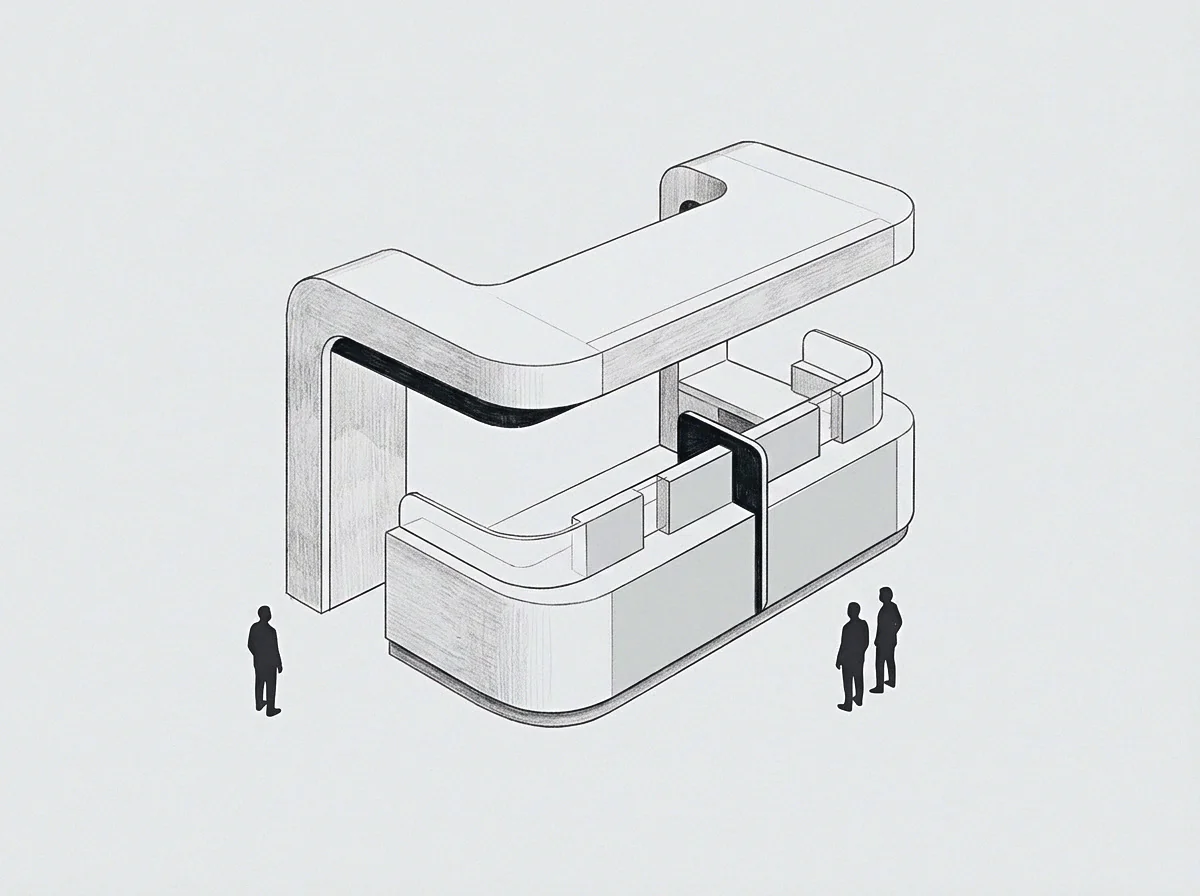
Which Operational Decisions Bypass the Appointed Successor?
Disputes frequently center on capital commitments and senior appointments. Below a clear financial threshold, the incoming executive exercises full discretion. Above it, an open-ended departure creates ongoing disputes where staff delay capital decisions until aligning informally with the former leader.
| Governance Dimension | Bound Phased Handover | Unbound Executive Departure |
|---|---|---|
| Line Authority Over Staff | Transfers fully on fixed calendar date | Splits between official manager and legacy leader |
| Vendor Agreement Signing | Strictly restricted to current title holder | Counterparties seek approval from departed officer |
| Capital Expenditure Ceilings | Explicit schedules tapering former officer limits | Unwritten veto power exercised through private calls |
| Internal Information Access | Enterprise credentials terminate at phase close | Unmonitored visibility into corporate accounts persists |
Without rigid governance thresholds, the successor discovers their decision rights restricted to routine operational troubleshooting while strategic bets remain frozen. Tenured staff bypass the successor during critical negotiations.
Staff bypass the designated officer whenever institutional boundaries remain unwritten.
Commercial lenders and institutional partners observe ambiguous governance thresholds and respond by pricing higher risk into debt facilities. Stating explicit voting exclusions in the operating agreement prevents a former leader from overriding operational contracts during transitional intervals.

Clock
Transitions extending past twenty-four months correlate with increased leadership turnover and resignations. Data on medium-sized enterprises over thirty-six-month tenures shows that successor retention drops sharply when a departing executive retains an active advisory role beyond eighteen months. This applies when the successor arrives without an independent mandate; the outcome changes if an incoming officer secures full hiring and firing authority before signing.
Under typical conditions, a prolonged transition breeds stagnation as department heads delay strategic moves while waiting for the original leader to step back in.
Extended transition horizons produce specific operational dilemmas across recurring commercial milestones:
- Initial Title Transfer Phase marks the statutory handoff where formal corporate filings designate the incoming executive while operational habits remain unchanged.
- Informal Advisory Phase introduces structural tension as the former executive attends strategic meetings without accountable operational deliverables.
- Successor Paralysis Phase emerges when department directors recognize that commercial strategy requires dual authorization from competing leaders.
- Governance Rupture Phase forces ownership to choose between ejecting the frustrated successor or formally evicting the legacy architect from operational influence.
A handover contract specifying open-ended advisory milestones guarantees executive deadlock within eighteen months.
Succession intervals running without definitive expiration dates drain executive energy and erode momentum. Authority settles slowly when endpoints remain undefined.
Leaving the end date open guarantees that the outgoing officer never surrenders control.
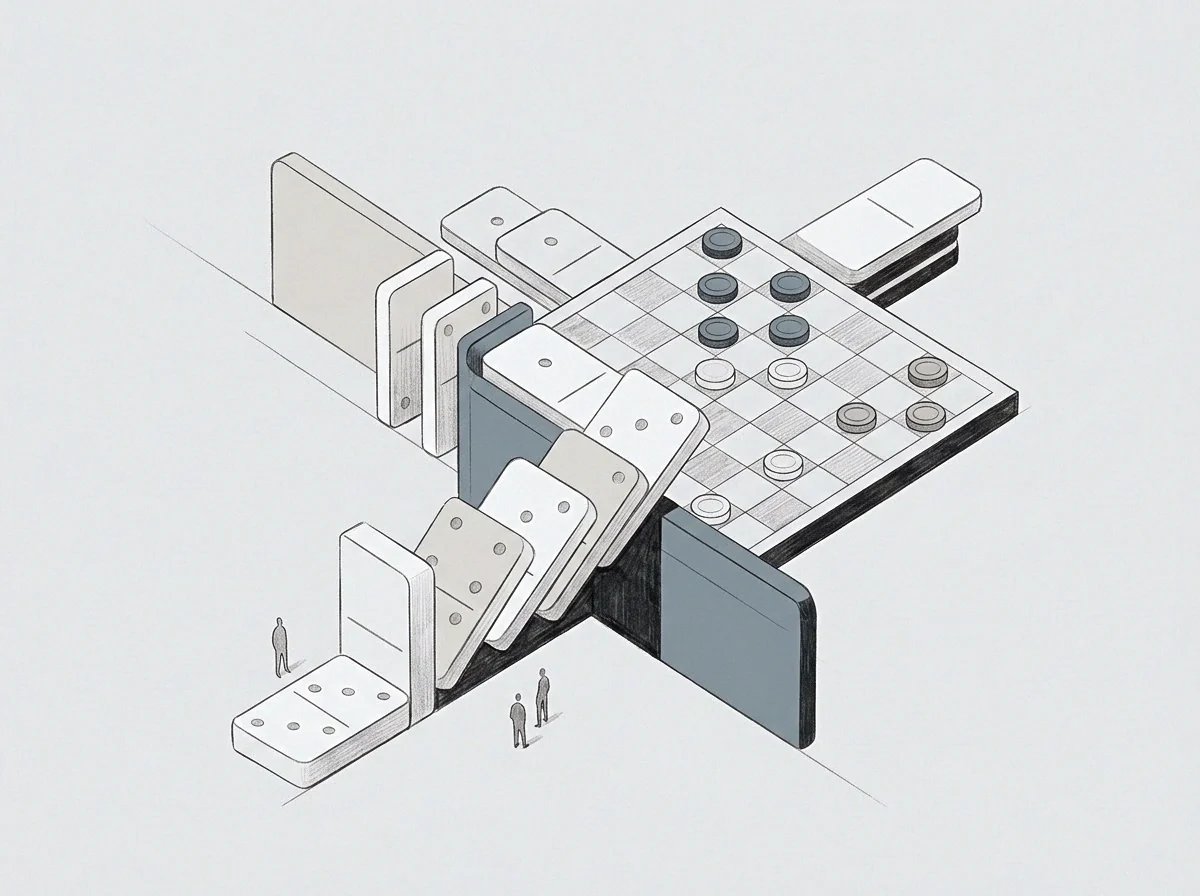
Anchor
Permanent disengagement requires clear legal and administrative termination rather than symbolic agreements. Boards frequently attempt to ease succession strain by appointing a departing officer to an advisory chairmanship. This preserves informal authority channels and prevents the new chief executive from reshaping company culture.
Effective succession requires structural severance: revoking access to communication systems, removing the former officer from approval workflows, and reassigning key commercial accounts.
How quickly a departed leader loses influence among long-tenured department heads cannot be calculated. Given that uncertainty, an incoming executive relies on formal board resolutions and written financial limits rather than verbal assurances. When the outgoing officer stays involved without a clear exit boundary, senior staff treat the transition as temporary.
Strategic projects stall while employees wait for familiar routines to return.
Until the original architect steps away from operational deliberations, capital follows historical loyalty and the incoming leader remains an administrative custodian rather than an enterprise leader. The company bears the payroll burden of two chief executives while gaining the clarity of neither.
How an enterprise severs legacy influence while preserving institutional knowledge remains an unresolved challenge in mid-market corporate governance.