

What A Percentage Of A Venture Actually Buys
A percentage of equity strictly grants proportional rights to economic distributions, voting control, and asset liquidation as specified in legal formation documents.
A percentage of equity strictly grants proportional rights to economic distributions, voting control, and asset liquidation as specified in legal formation documents.

Dynamic reverse vesting and non-voting stock classes separate operational labor from capital investment to maintain builder control and cap table health.

Dual class equity structures isolate builder governance by embedding voting exclusivity in charter documents while allocating non-voting shares for capital claims.

Dynamic equity valuation discrepancies resolve by converting contested sweat contributions into subordinated promissory notes or tiered synthetic royalty contracts.

Corporate turnarounds enforce unvested dynamic equity repurchases by executing stock option agreements at contractual par value during strategic pivots.

Dynamic labor multipliers enforceability ends where board discretion, corporate charter limits, and statutory cash preferences override informal labor ledgers.

Variable equity allocations adjust recapitalized cap tables dynamically based on operational cash flow milestones and senior debt conversion terms.

Unvested equity clawbacks execute through administrative share cancellation, applying fair value discounts to offset cardinal recovery sums against corporate ledgers.

Unconverted sweat equity transforms into junior common stock or gets extinguished during down round recapitalizations.

Statutory capital maintenance rules restrict dynamic liquidation multipliers, while board valuation discretion defines asset values during corporate splits.

Stepped preferred liquidation multipliers adjust preference payouts across valuation notches determined through formal board appraisal during liquidity events.

Single founders protect proprietary assets by pairing reverse equity vesting schedules with conditional, milestone-based intellectual property licensing agreements.

Unfunded capital demands break voting deadlocks when operating agreements convert debt injections into senior voting equity.

Sweat equity vests over time against immediate capital contributions using replacement wage valuation models and contractual share repurchase options upon departure.
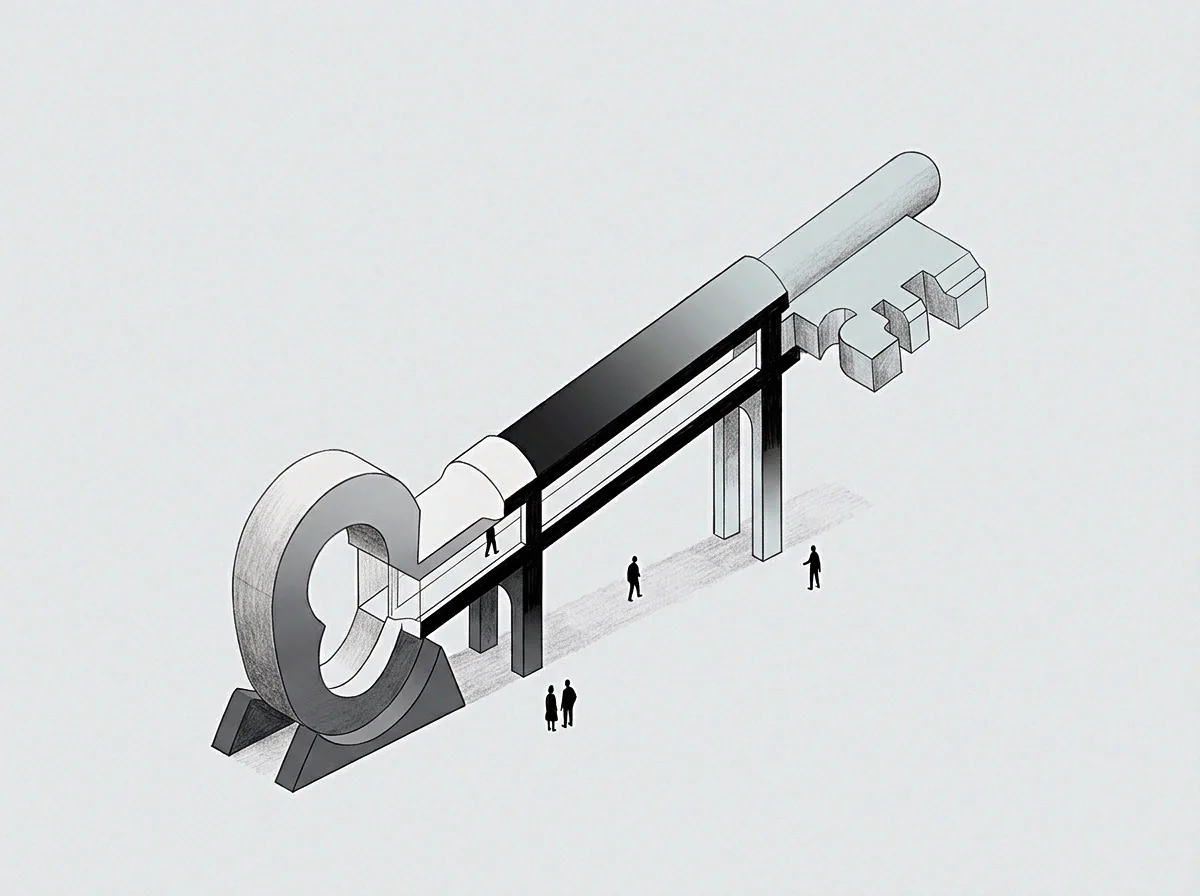
Non-voting stock allocates corporate economic participation to key operators while preserving governance authority and board election control among founding equity holders.

Delaware General Corporation Law permits eliminating separate class voting on share count increases through an express opt-out clause under Section 242(b)(2).

Dual-class founder shares collapse into single-vote common stock when founder equity holdings drop below defined capital commitment thresholds.

Early founder cap table discrepancies are resolved by auditing historical promises, pricing past effort, and executing binding share repurchase or debt conversion releases.

Restricted stock repurchase options specify board rights to buy back equity using fixed valuation triggers during executive transitions and realignments.

Dynamic equity agreements lose statutory enforceability in corporate restructuring when unissued dynamic points collide with senior creditor priority rules.

In distressed restructurings variable equity allocation models adjust ownership percentages based on senior creditor recovery rates and post workout operating targets.

Milestone ratchets grant turnaround operators equity tranches as operational targets, net debt reductions, and cash flow hurdles are achieved.

Consensual equity clawbacks in out of court restructurings operate through credit amendments and escrow releases triggered by financial covenant breaches.

Separation agreements value unvested equity through formulaic discounts, option pricing models, or forfeiture clauses determined by departure status.

Board members isolate fiduciary liability during mandatory executive clawback actions through independent enforcement committees and strict indemnification boundaries.
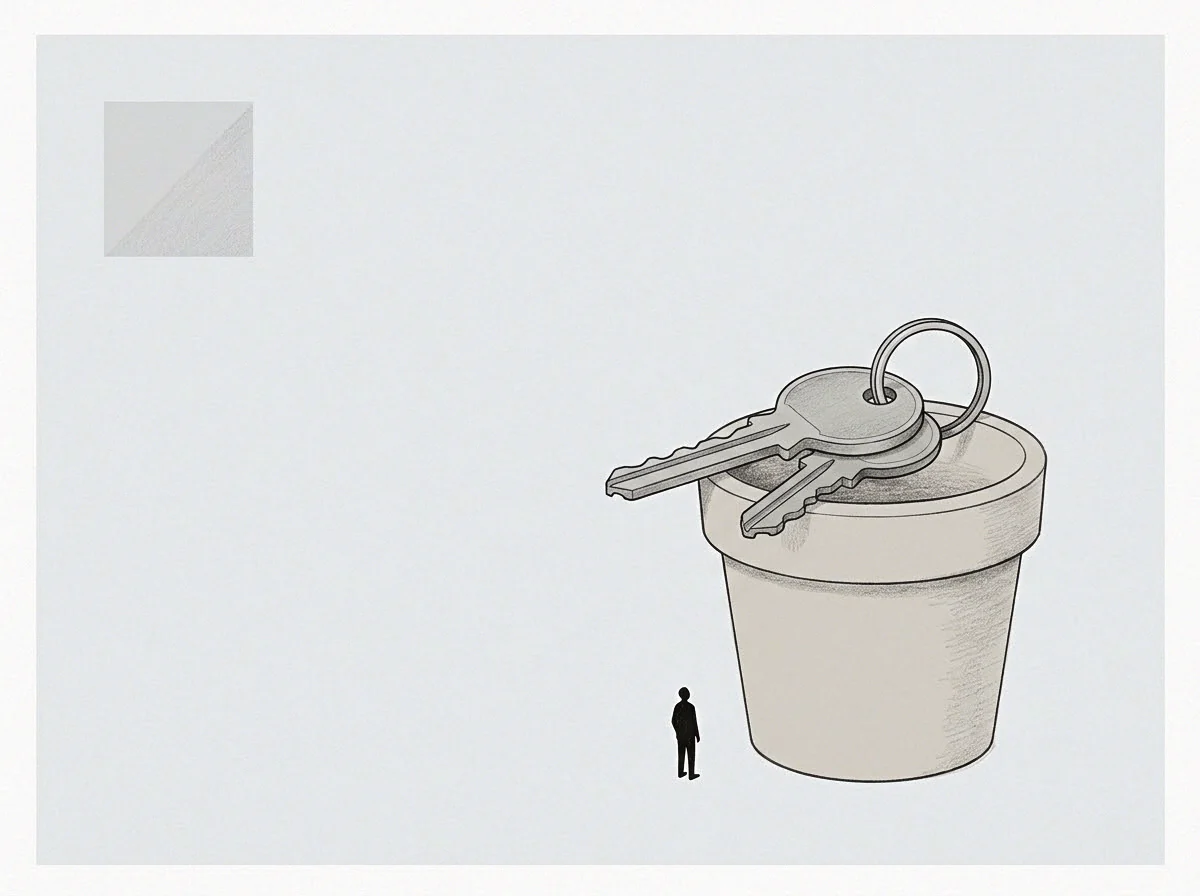
Disputed equity cancellations require concurrent cap table restatements and tax indemnity clauses to offset unrecoverable income inclusions.

Preferred investors demand that existing common equity holders execute reverse vesting agreements with repurchase options before Series A capital closes.
A valuation floor in sweat debt conversion establishes a minimum share price baseline that prevents hyper-dilution of founder equity during recapitalization down rounds.
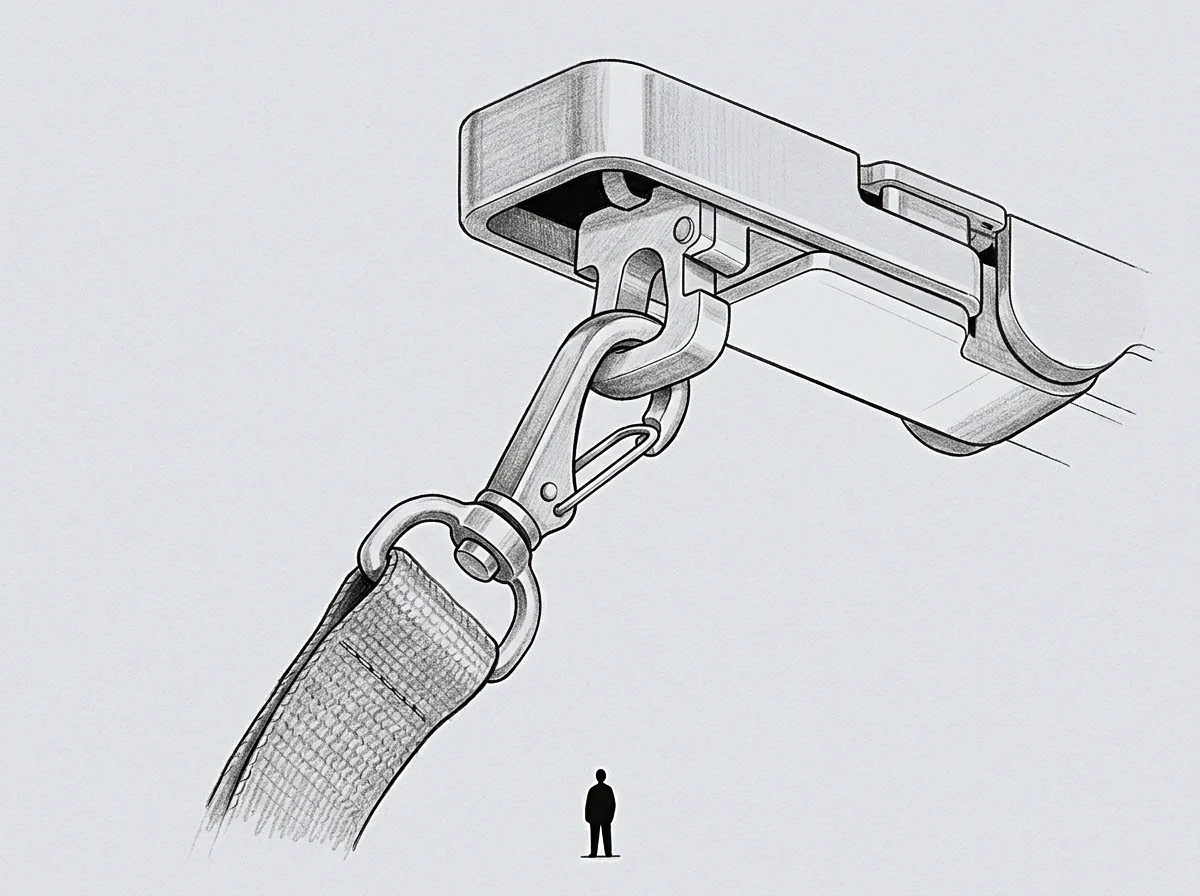
Deferred sweat equity conversions in pay to play rounds trigger immediate ordinary income taxes when accrued labor obligations convert into taxable equity.

Statutory corporate asset splits require full creditor satisfaction and solvency verification before physical or intellectual assets divide among equity holders.
The terms are written where they belong. Each field holds three desks, and every entry a desk writes raises the terms it uses, each term given a meaning, a mechanism and the places it appears. The record on these pages stays first person and hand made; the fields grow the nomenclature.