
Resolving Capital Loss Limitations Against Ordinary Deduction Relief In Structural Equity Settlement Restitutions
Structural equity settlement restitutions depend on origin of claim testing to secure ordinary deduction status over capital loss limitations.

Claim
A wire transfer leaves the business bank account at midnight to satisfy a structural equity settlement, ending two years of dispute between founding partners. The owner seat expects the payment to clear as a ordinary operational cost, reducing taxable revenue dollar for dollar. The revenue authority views the transaction through the origin of the claim doctrine, tracing the payout back to the ownership interest itself.
Money leaves the entity account. When the payout restores or liquidates an equity interest, tax authorities classify the funds as a capital transaction under Internal Revenue Code Section 1221. This classification triggers strict capital loss limitations under Section 1211, capping individual net capital loss deductions against ordinary income at three thousand dollars annually and denying corporate entities any ordinary income offset.
Origin of the Settlement Obligation
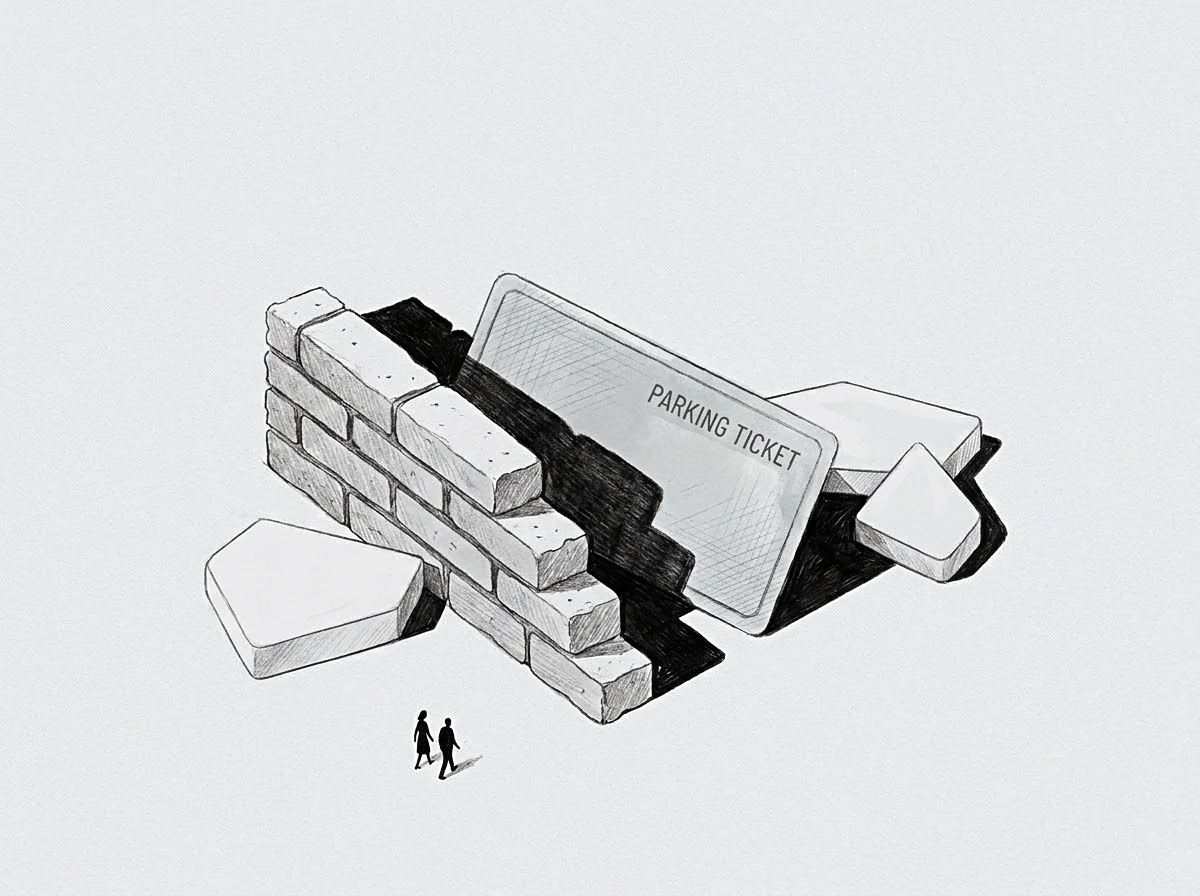
Tax authorities examine the foundational events producing a financial payout rather than the subjective intent of the paying parties. The supreme court established in landmark cases that the character of a settlement payment depends entirely on the legal origin of the underlying demand. If an equity holder files suit alleging illegal share dilution, unfulfilled equity promises, or improper forfeiture of unvested stock, the origin of that action sits inside the equity title itself.
Restitution payments made to resolve equity title disputes become capital expenditures or capital losses. The paper dictates the tax result. The paying entity cannot convert a capital buyout into an ordinary deduction under Section 162 simply by labeling the agreement an operational compromise or a general release of claims.
The financial impact of this distinction falls heavily on operating entities. An ordinary business deduction under Section 162 directly reduces operating profits, yielding immediate cash savings equal to the entity’s marginal tax rate. Conversely, a capital loss generated by an equity settlement provides zero tax benefit unless the entity generates matching capital gains in the current tax year or within specific carryback and carryover periods.
Silence defaults to capital classification. When a partnership or corporation settles an equity dispute without establishing an independent operational basis for the payout, the tax code locks the entity into non-deductible capital treatment.
- Capital Asset Presumption classifies all payments made to reacquire corporate equity as non-deductible capital expenditures under Internal Revenue Code Section 263(a).
- Undocumented Restitution Purpose forfeits ordinary deduction claims when the written settlement agreement fails to allocate funds to specific operational performance claims.
- Unallocated Dual Claims forces revenue authorities to treat the entire payout as a capital transaction if equity buyout elements blend indistinguishably with employment claims.
Misclassifying equity restitution payments as general operational expenses exposes the paying entity to tax deficiency assessments, back interest, and non-deductible capital loss caps.

Sheet
Cap tables record corporate ownership percentages, but financial ledgers register the economic impact of partner exits. The distance between what the equity percentage says and what the operator seat produces becomes undeniable when an unvested partner leaves the entity. When structural equity settlements occur, the financial terms written into settlement sheets dictate whether the business survives the tax hit.

Mechanisms of Structural Equity Distortions
Unvested equity awards created without explicit forfeiture provisions frequently generate financial disputes when an operator departs. Consider a explicit worked situation involving a technology enterprise founded by two operators. Assume the entity issued sixty percent of its common stock to the operating lead and forty percent to the technical lead at formation, with no formal vesting schedule or buy-sell agreement attached.
The two operators built the entity for three years without taking formal market salaries, accumulating substantial sweat equity. At the end of the third year, personal deadlocks forced the technical lead out of daily operations, while that technical lead retained full legal title to the forty percent stock block.
To clear the owner seat and regain equity control, the remaining operating lead agreed to execute a settlement restitution. The entity paid five hundred thousand dollars to the departing technical lead in exchange for the complete surrender of the forty percent equity interest. The operating lead recorded the five hundred thousand dollars as an ordinary deduction for past uncompensated technical services on the corporate tax return under Section 162(a).
The revenue authority audited the filing, disallowed the ordinary deduction, and characterized the five hundred thousand dollars as a capital stock redemption under Section 302.
The tax court looks past labels. Because the initial issuance of stock carried no explicit vesting restrictions under Section 83, the technical lead owned a fully vested capital asset from day one. The five hundred thousand dollar payout originated directly in the reacquisition of that capital asset.
Consequently, the entity suffered a five hundred thousand dollar capital expenditure, creating zero current tax deduction against ordinary operating income. The corporate tax liability increased by one hundred five thousand dollars at a twenty-one percent tax rate, destroying the entity’s working capital reserves. Characterization governs the entire deduction.
A buyout payment executed without documented operational breach characterization remains a capital transaction in the eyes of the tax authority.
Restitution settles the owner dispute. The departed partner collects the cash while the remaining operator pays the corporate income tax without an offsetting deduction. The asset remains with the firm.
The departed equity holder asserts that every dollar received represents back pay for uncompensated operational labor performed during the building phase.

Filter
Internal revenue codes sort financial payouts into discrete tax categories based on historical facts. Resolving capital loss limitations against ordinary deduction relief requires navigating multiple statutory mechanisms. The tax code establishes specific pathways that determine whether a payment absorbs ordinary operational income or gets trapped behind capital loss barriers.

Is Capital Loss Treatment Avoidable Through Structural Settlement Drafting?
Taxpayers seeking ordinary expense deductions present detailed historical proof connecting payout dollars to operational compensation. Section 162(a) permits ordinary deductions for expenses paid or incurred during the taxable year in carrying on any trade or business, including reasonable allowances for salaries or other compensation for personal services actually rendered. Section 165 permits deductions for ordinary losses sustained during the taxable year and not compensated by insurance or otherwise.
The tax code restricts these ordinary deduction rules when the payment involves corporate stock or equity rights.
Section 1244 offers a statutory bridge for qualifying small business stock losses, allowing individual shareholders to treat losses on specific stock sales or worthlessness as ordinary losses rather than capital losses, up to fifty thousand dollars annually, or one hundred thousand dollars on a joint return. Section 1341 provides relief when a taxpayer restores a substantial amount held under an apparent claim of right, adjusting tax liabilities to reflect the original reporting error. Application of these relief sections requires strict compliance with statutory conditions established at the moment the underlying rights arose.
| Settlement Structure | Tax Code Basis | Entity Deduction Impact | Recipient Tax Character | Administrative Burden |
|---|---|---|---|---|
| Direct Stock Redemption | Section 302 / 1221 | Zero Ordinary Deduction (Capitalized) | Capital Gain or Capital Loss | Low Document Requirements |
| Operational Breach Restitution | Section 162(a) | Full Ordinary Deduction | Ordinary Income | High Burden of Proof |
| Small Business Stock Loss | Section 1244 | Ordinary Loss within Statutory Limits | Ordinary Loss Character | Strict Initial Issuer Proof |
| Unearned Compensation Restitution | Section 1341 / 83 | Ordinary Tax Adjustment | Ordinary Income Adjustment | Detailed Payroll Audit Trail |
Economic reality overrides corporate recitals. When equity allocations diverge from operational contributions, the paying entity must establish that the settlement payment satisfied a direct legal liability arising from business operations. A claim arising from a breach of employment contract or trade secret conversion yields ordinary deduction treatment.
A claim arising from shareholder rights or equity dilution yields capital treatment. Capital treatment caps annual offset amounts.
Settlement agreements that segregate operational restitution from equity purchase prices preserve ordinary deduction claims.
Preserving ordinary tax character requires separating payments for past labor from payments for equity redemption inside the settlement agreement.
Clause
Written contracts establish the evidentiary baseline for revenue service audits. The wording written into settlement covenants dictates tax outcomes long after the dispute ends. Tax courts evaluate contractual allocations between equity purchases and operational claims by assessing whether the allocation reflects arms-length economic negotiations.

Drafting Restitution Allocations for Tax Integrity
Constructing enforceable settlement agreements requires precise language linking financial transfers to specific legal rights. When an equity dispute involves both ownership rights and operational compensation, the settlement agreement specifies the exact dollar amounts allocated to each component. Blanket releases that combine equity buyouts and employment claims into a single lump sum lose ordinary deduction rights across the entire payment.
The contract language anchors the claim. An effective structural settlement uses clear clauses to segregate non-deductible stock purchases from deductible operational compensation. The structural framework demands four deliberate drafting steps:
- Define the specific operational breaches and uncompensated labor claims being released within the contract preamble.
- Perform an independent valuation of the physical equity stake separate from the total settlement outlay.
- Formulate express tax reporting covenants that bind both parties to consistent position filings.
- Integrate Section 83(b) election records and historical payroll ledgers into the settlement appendices.
The internal revenue code binds both parties. When the settlement agreement specifies that a portion of the payment represents compensation for past services under Section 162, the recipient receives ordinary income subject to employment tax withholdings. The paying entity records a corresponding deductible wage expense.
This symmetry deters opportunistic tax filings, as the recipient’s tax burden increases when the paying entity claims an ordinary deduction.
An explicit allocation clause dividing settlement cash between equity redemption and employment claims binds both signatories to matching tax filings.
Inserting an explicit tax covenant clause forces both parties to file matching tax returns, preventing asymmetrical reporting that triggers revenue audits.

Parity
Rebalancing corporate ownership after an internal conflict demands structural alignment between tax treatment and economic realities. The operator seat cannot sustain the financial weight of an empty owner seat. When an equity settlement depletes company cash reserves, securing ordinary deduction relief provides essential financial liquidity to rebuild operations.

Equitable Balances in Post Settlement Restructurings
Founders who resolve equity disputes through monetary payouts face long-term capital allocation choices. Reacquiring stock using non-deductible capital dollars reduces corporate net worth without delivering tax relief. Ordinary losses absorb current operational profits.
Structuring payouts around verifiable operational liabilities allows the business to retain tax capital needed to fund ongoing operational seats.
Corporate history shows that equity disputes rarely resolve cleanly without comprehensive tax planning. When unvested equity gets clawed back or reallocated, the entity must document the precise operational non-performance that justified the forfeiture. Contemporaneous records, including board minutes, performance evaluation sheets, and written demand notices, establish the evidentiary foundation required to defend Section 162 or Section 165 deductions during revenue audits.
When structural equity returns to the entity through a settlement wire, ordinary loss treatment depends entirely on the contemporaneous evidentiary record created during the dispute.
Whether future tax courts will expand Section 1341 claim-of-right relief to cover equity forfeitures triggered by operational deadlocks remains an open question for structural arrangement designers.