Meaning
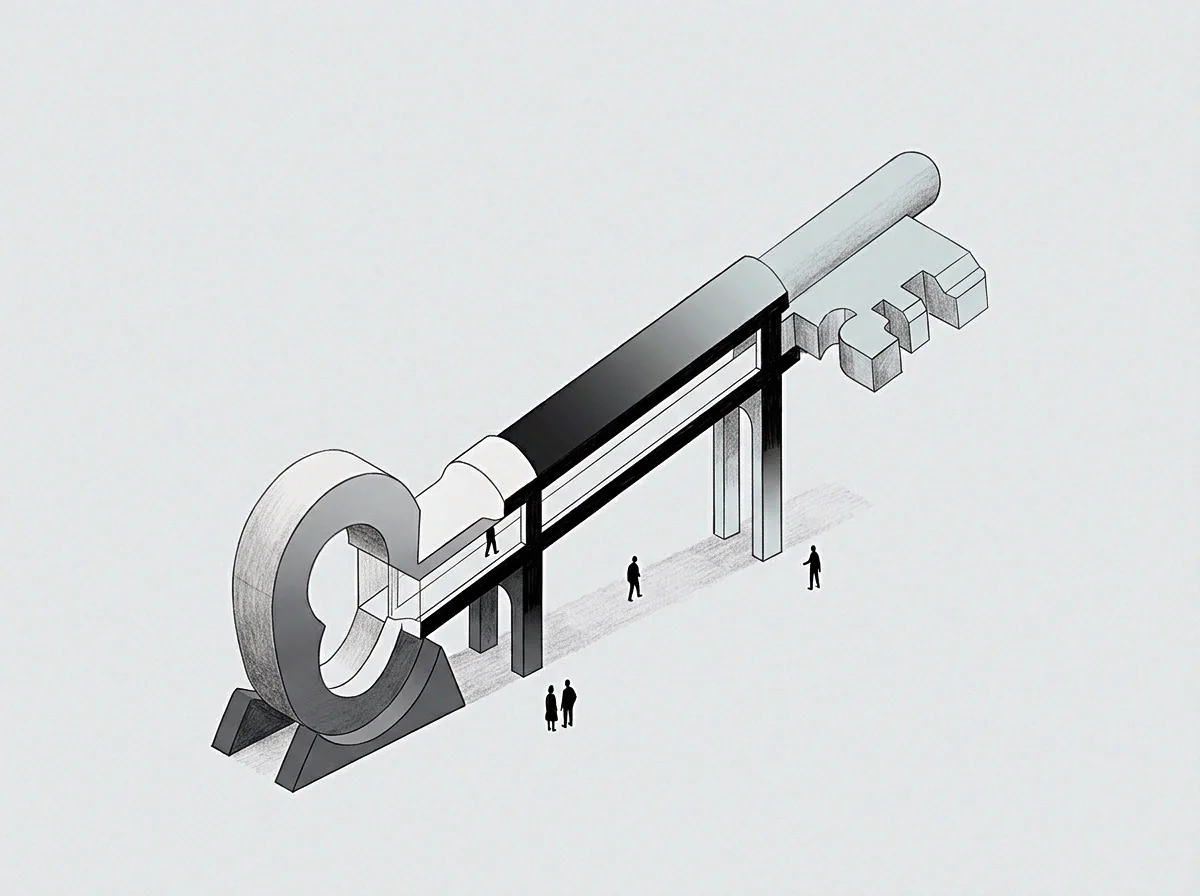
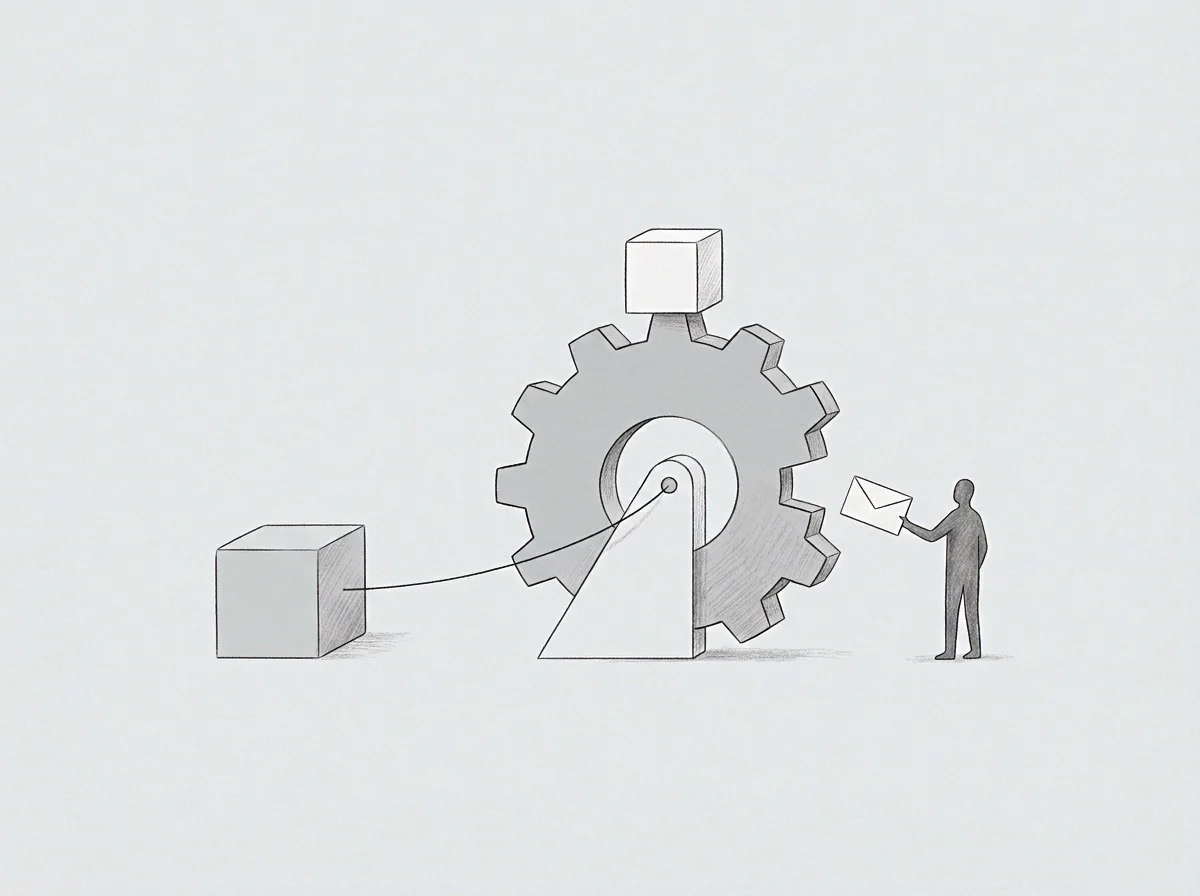
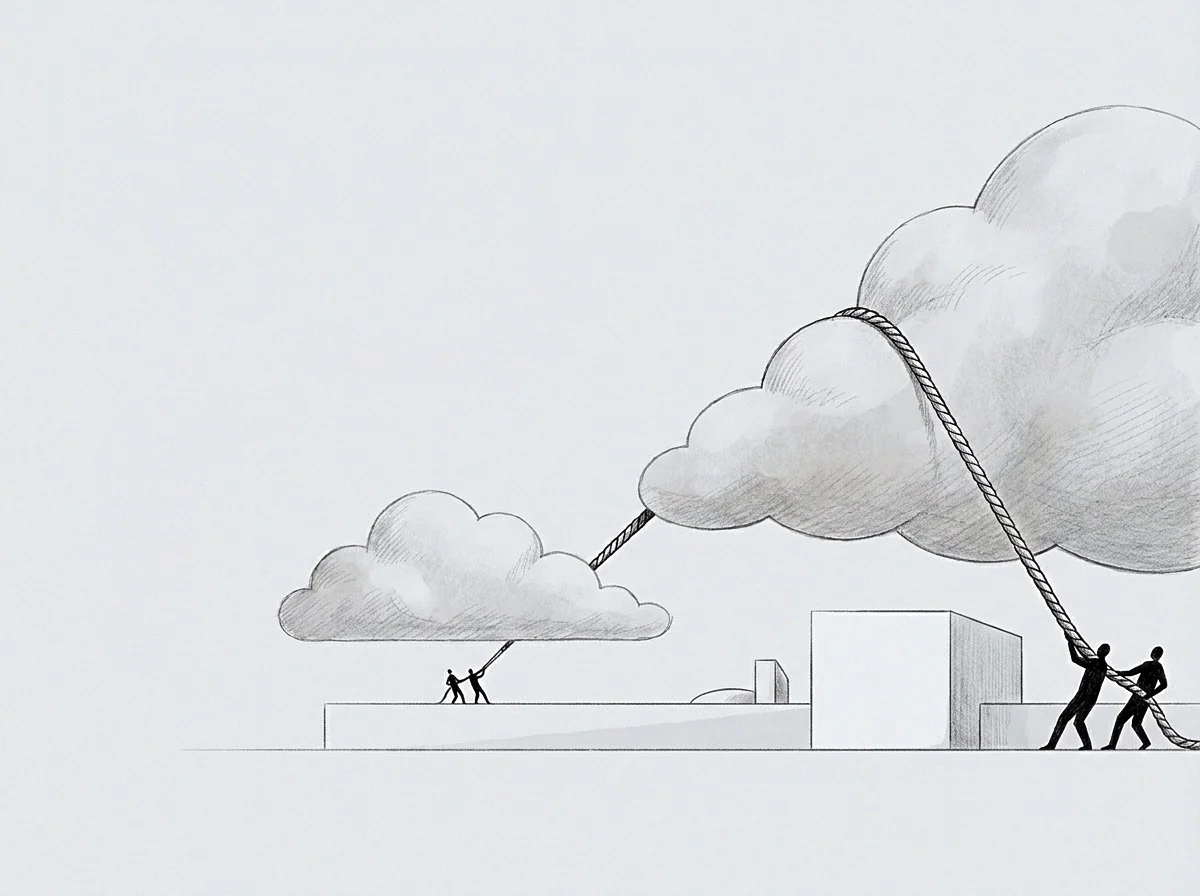
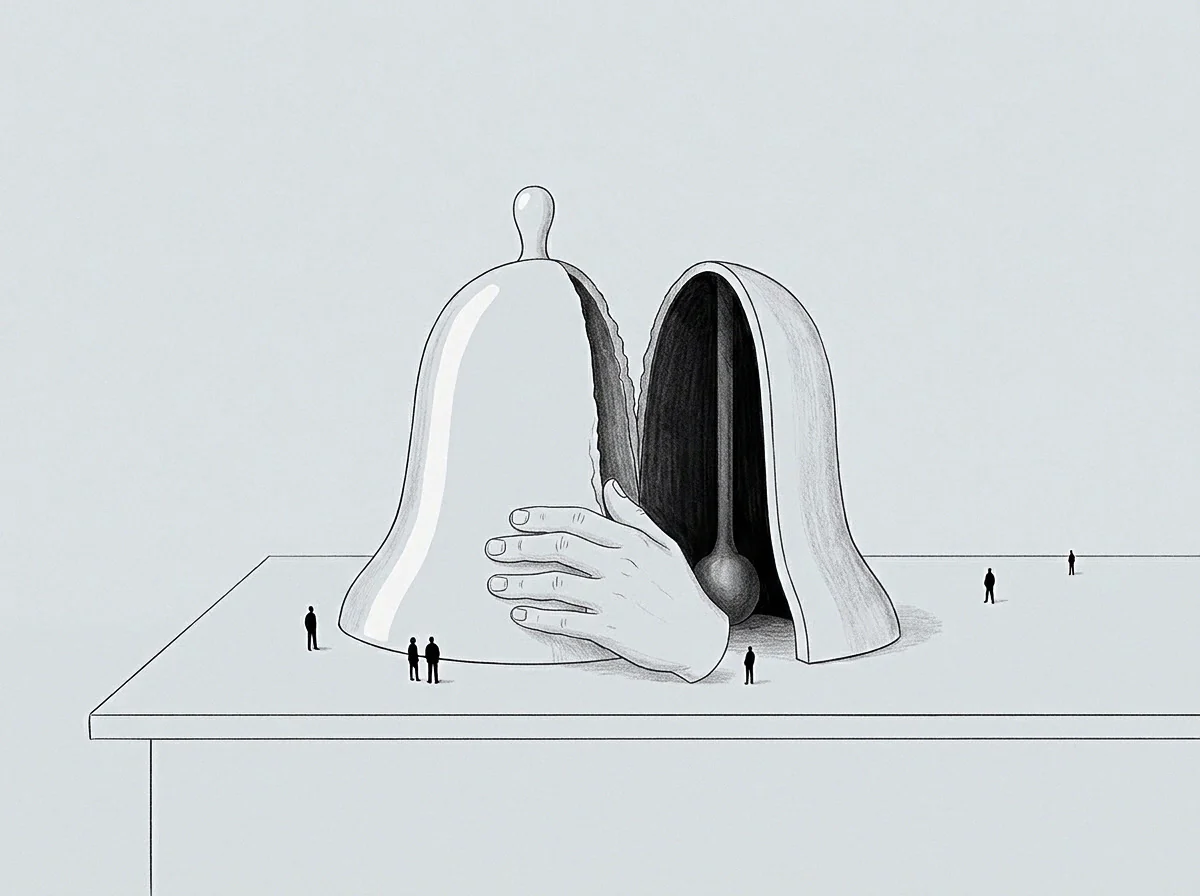
Structural tensions emerge when the expectations of one seat held by an individual are incompatible with the requirements of another seat. A role conflict often happens when a founder tries to be a supportive manager while also making hard decisions as an owner. The pressure persists until one of the seats is delegated or the objectives are aligned.
Structural Tension
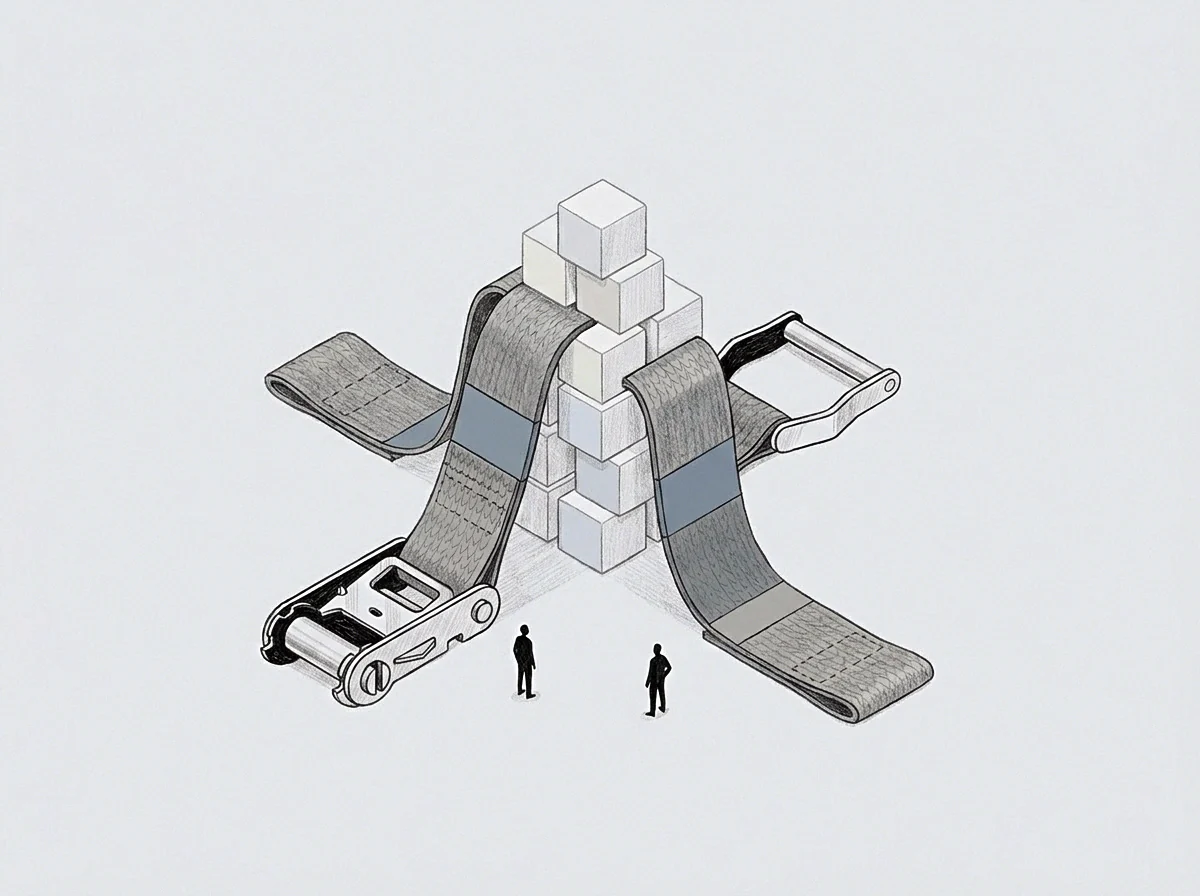
Contradictory demands force a person to choose which seat will take priority at any given moment. This creates a constant state of friction that drains energy and slows down decision-making.
Decision Paralysis
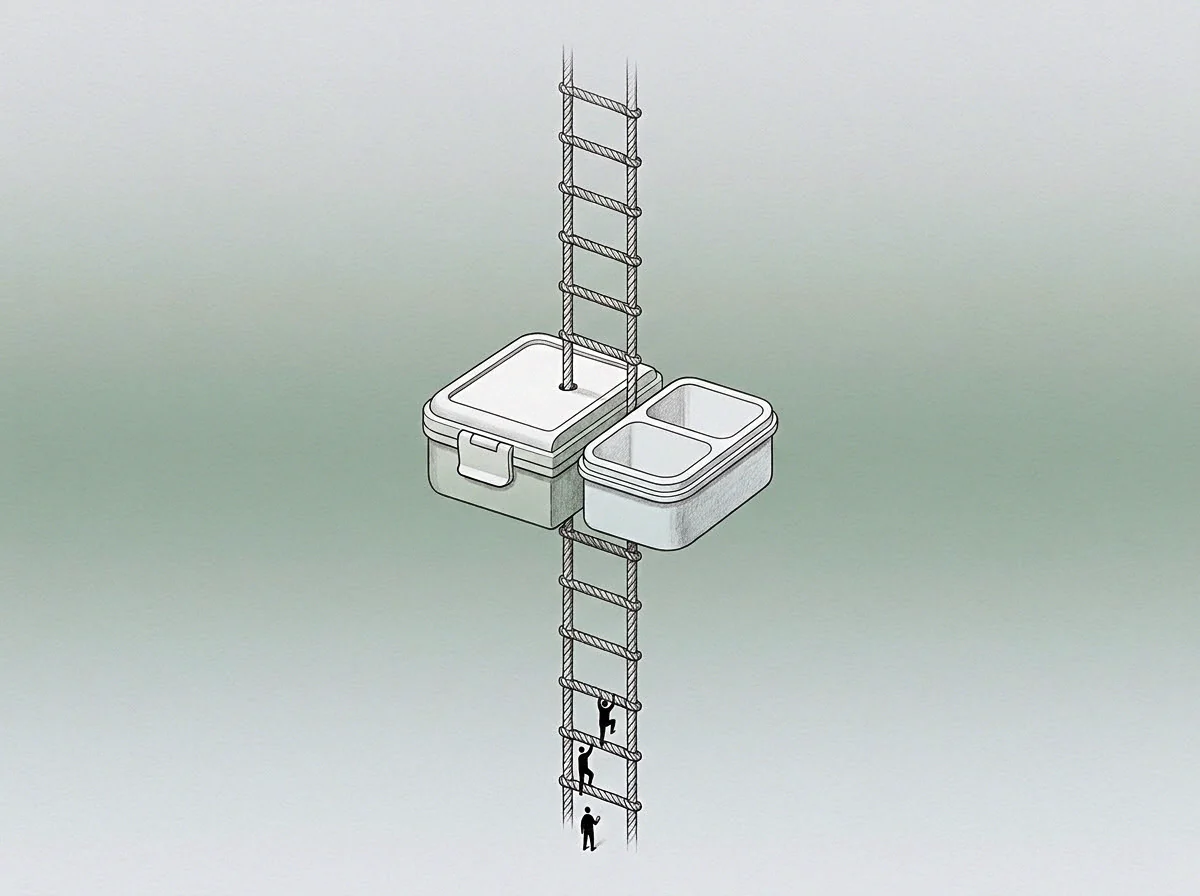
Uncertainty about which goal to pursue can lead to a complete stop in progress. The person might avoid making a choice because they do not want to harm the interests of one of their roles.
Psychological Cost
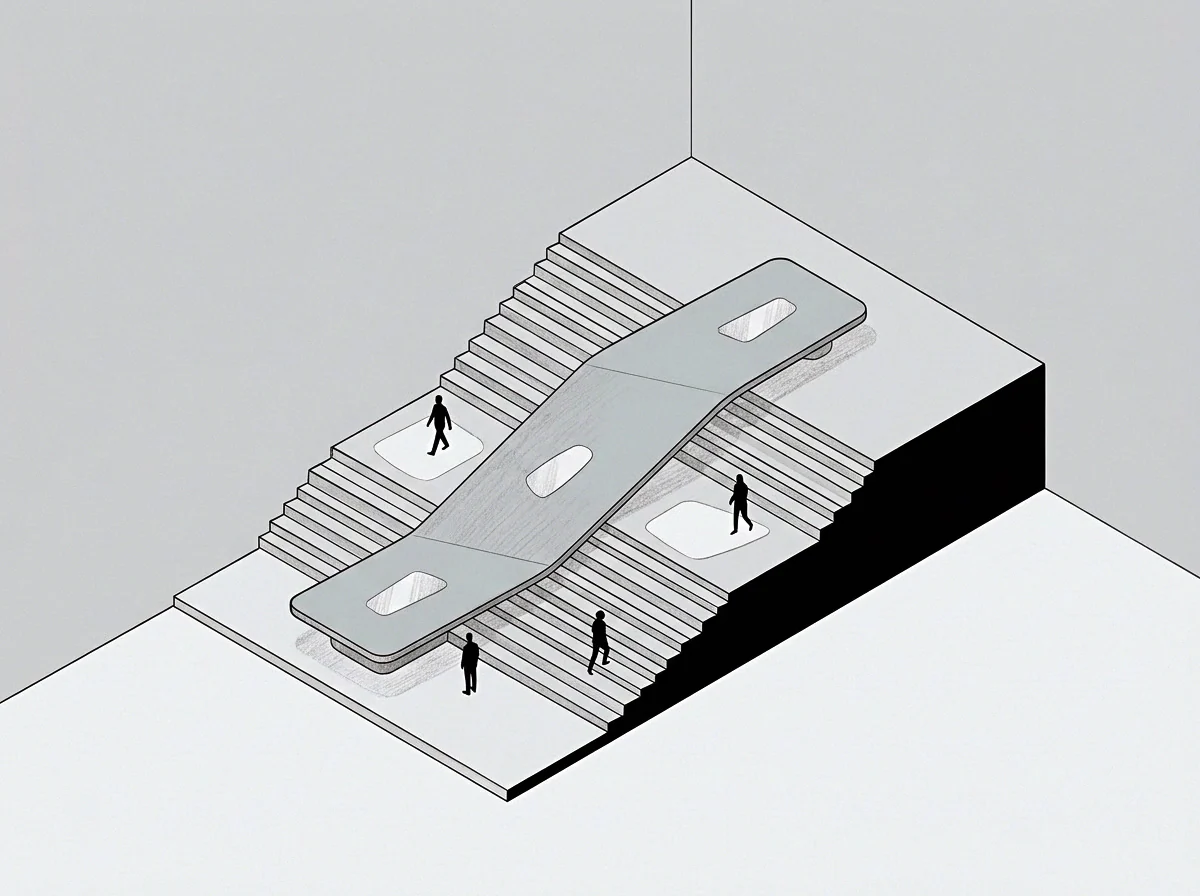
Stress levels increase when a person feels they are failing in multiple areas simultaneously. The cost in mental capacity is high, as the brain must constantly switch between different ways of thinking. Founders who stay too long in the technician seat while trying to lead the company often experience this strain.
Resolving the conflict requires a clear separation of duties and the hiring of specialized staff. Long-term health depends on the ability to step away from conflicting seats.