Meaning
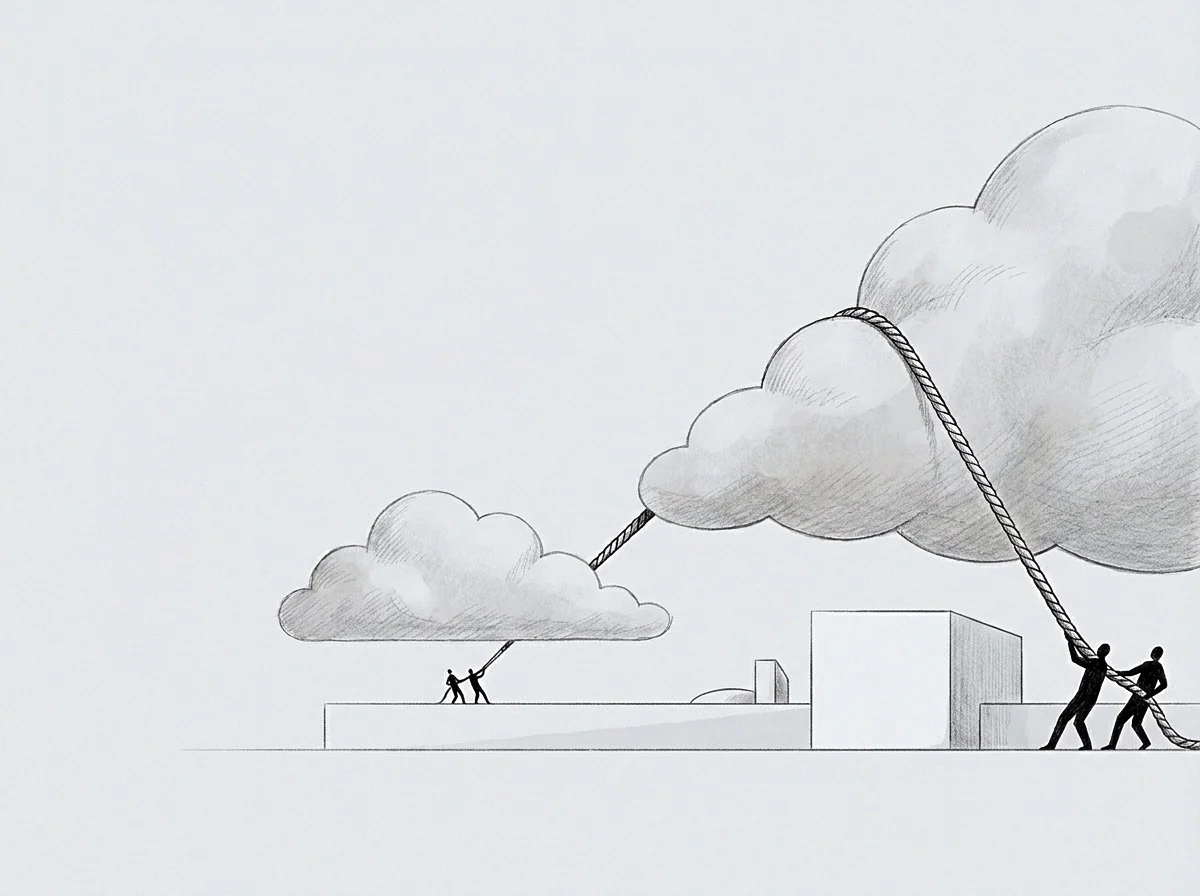
Operational implementation activity translates high-level corporate strategies into daily workflow tasks and functional output. The work of tactical execution dominates a founder’s early tenure but must be transferred to functional specialists during corporate scaling. This operational layer covers direct task management, process optimization, and short-term performance monitoring.
Shift in leadership focus occurs when company growth requires systemic oversight rather than personal intervention.
Operational Focus
Early-stage leadership requires founders to manage direct customer support, product delivery, and vendor management personally. Remaining tied to tactical execution as organizational complexity grows restricts time available for market positioning and capitalization planning. Effective executive transition requires building management layers that handle daily operational decisions independently.
When founders relinquish direct task control, operational velocity increases through distributed authority across specialized department heads. Leadership capacity shifts toward long-term resource allocation.
Delegation Dynamics
Establishing procedural guidelines enables professional managers to run daily business units without founder intervention. Disconnecting from tactical execution requires documented workflows and clear performance metrics. Operating through delegated managers reduces cognitive load on senior leadership.
Transition Cost
Relinquishing operational control creates temporary administrative friction as new managers assume authority. Relieving founders from tactical execution frees capacity for governance duties. Corporate performance stabilizes once operational routines fully transfer out of founder hands.