
Gating Post-Sale Escalations to Preserve Founder Capacity in Enterprise Accounts
Gating post-sale escalations routes technical emergencies through tiered support engineers, preserving executive attention for company governance and roadmap delivery.
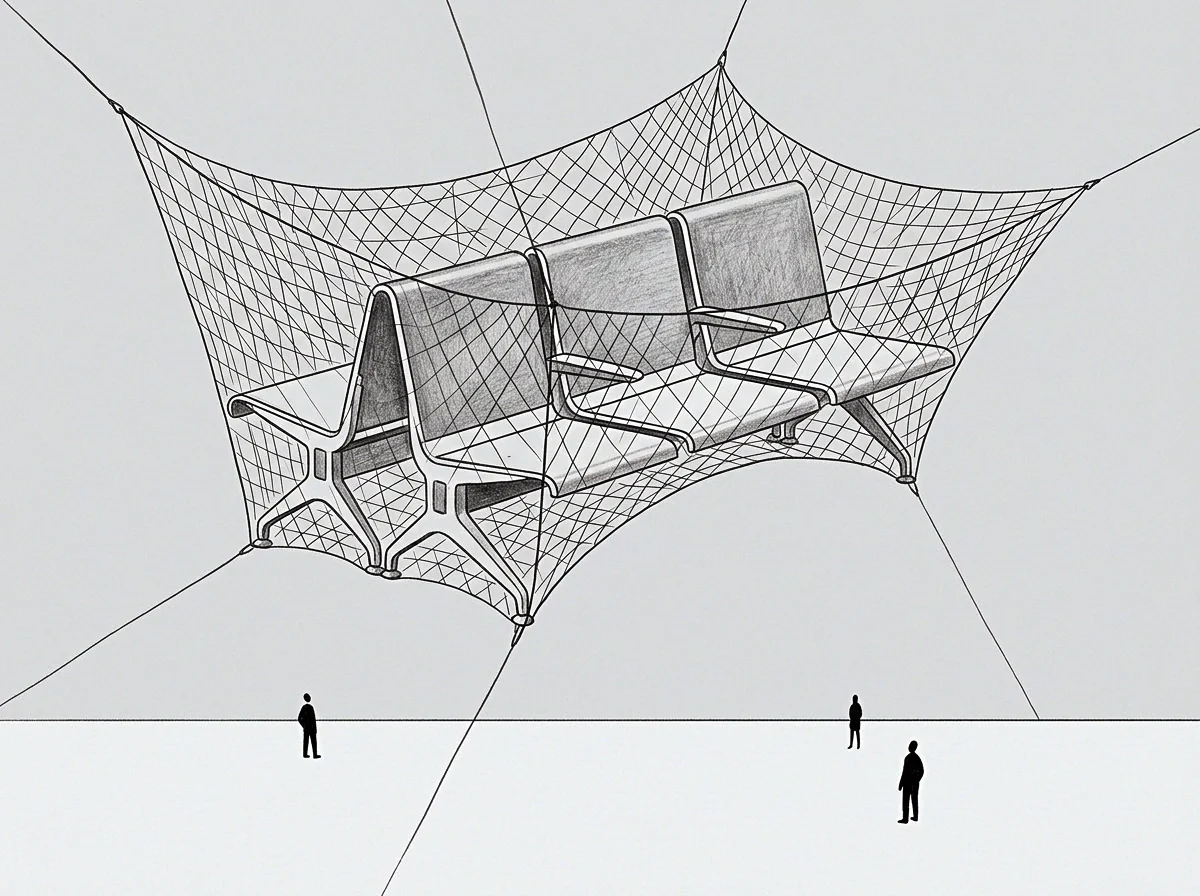
Wall
Enterprise buyers look for certainty during pre-sale negotiations by anchoring their trust to the technical authority in the room. Once contracts are signed, commercial sponsors regularly bypass standard support channels, sending urgent requests straight to executive phone numbers and direct email accounts. This extracts unpriced labor from leadership.
Company heads end up handling frontline troubleshooting, putting strategic work aside to patch database queries or reassure anxious vendor managers late on a Friday evening.
Role strain occurs whenever the same person handles engineering tasks while trying to run the business without clear boundaries between the two functions. The technical work demands immediate problem-solving driven by deep domain knowledge; executive work requires allocating capital, assessing organizational risk, and shaping product architecture. Combining both burns cognitive capacity.
An executive pulled into urgent software patches loses the time needed to manage quarterly budgets or recruit senior talent.
Post-sale technical queries routed to company heads consume hours allocated for product direction and corporate governance.
Enterprise accounts use direct executive access because corporate hierarchies prioritize speed over process. Clients know that emailing leadership triggers faster internal escalation than filing a ticket with tier-one support. This creates an informal support tier that customer success teams cannot track, measure, or staff, forcing leadership to absorb operational volatility while support teams remain blind to recurring technical issues.
Left unchecked, support engineers never build fluency in complex enterprise workflows. The organization becomes structurally dependent on executive intervention, and customer success teams lose authority during contract renewals.

Channel
Separating commercial account management from technical triage requires distinct operational channels. Enterprise clients have different expectations for commercial terms, software reliability, and routine maintenance. Routing every interaction through one executive creates ambiguity that hurts long-term account retention.
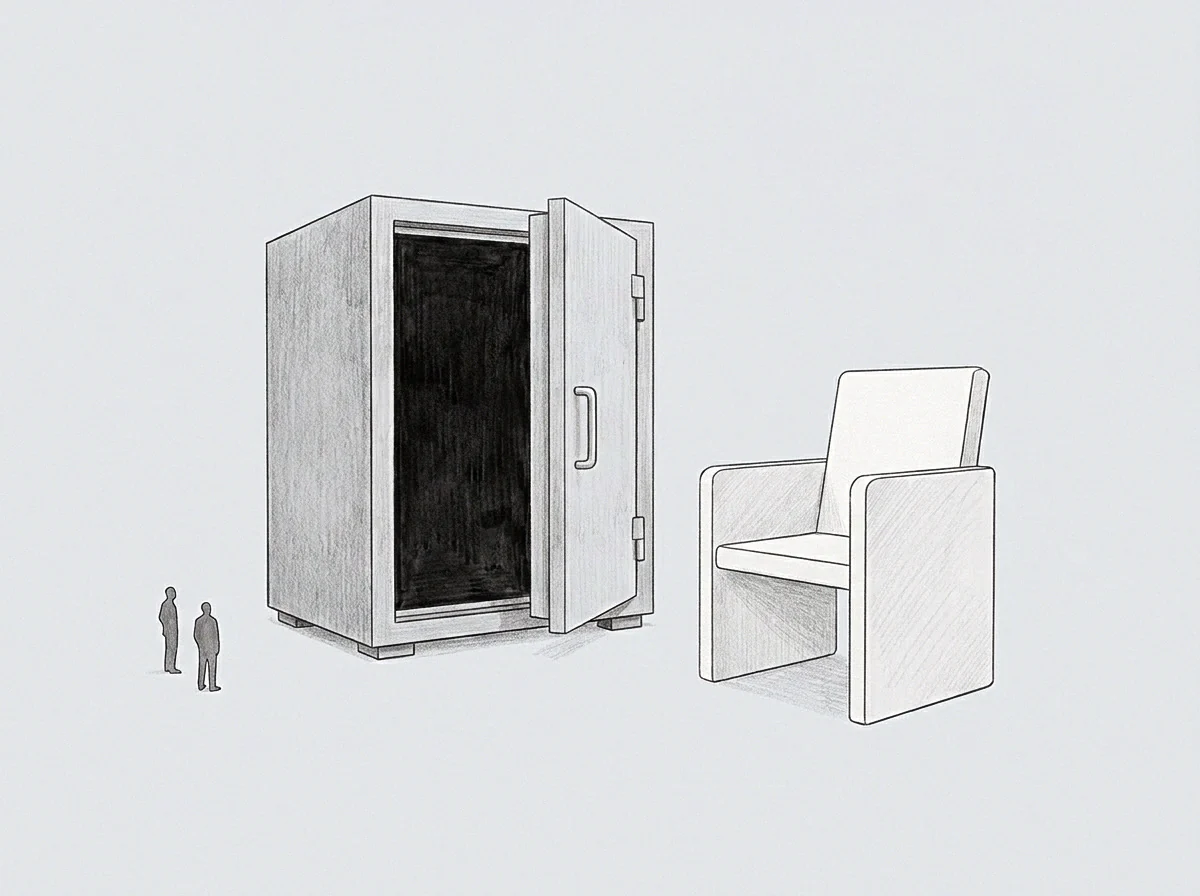
Structural Ingress Paths
A healthy operating structure routes incoming requests through specialized channels based on severity and contractual terms. Technical incidents belong in auditable ticketing systems handled by qualified application engineers. Commercial discussions around license expansions belong in quarterly business reviews led by enterprise account managers.
Executive involvement should be reserved for strategic architectural decisions, governed by set agendas and advance notice.
| Escalation Architecture | Mean Incident Triage Time | Executive Capacity Depletion | Support Team Competency Gain |
|---|---|---|---|
| Direct Executive Access | Rapid initial acknowledgment with erratic technical resolution | Severe loss of strategic and operational hours | Negligible growth in frontline resolution ability |
| Account Manager Intermediation | Moderate triage speed with commercial friction | Intermittent disruption during executive escalations | Limited progress due to manual account manager filtering |
| Tiered Technical Gateway | Predictable triage governed by documented response intervals | Negligible intrusion isolated to systemic incidents | High progression through systematic knowledge capture |
Bypassing formal support channels harms team morale by implying that frontline engineers cannot handle enterprise issues. When leadership steps in to appease demanding accounts, staff get the impression that standard protocols apply only to smaller customers.
A contract that permits unrestricted executive contact converts the company builder into an unpaid technical support engineer.
Contracts should establish a clear contact matrix specifying designated leads for technical, operational, and commercial issues. Defining these contacts during onboarding stops informal executive intervention before incidents occur, giving clients predictable response times while leaving leadership free to focus on company strategy.
Direct access to executive leadership is sometimes included as part of an enterprise subscription package.

Queue
Enterprise tickets require systematic technical triage before escalating to engineering leadership. Without initial screening, routine inquiries get treated as emergency outages. Frontline technical staff need to categorize incoming requests by operational impact, software component, and contractual response windows.
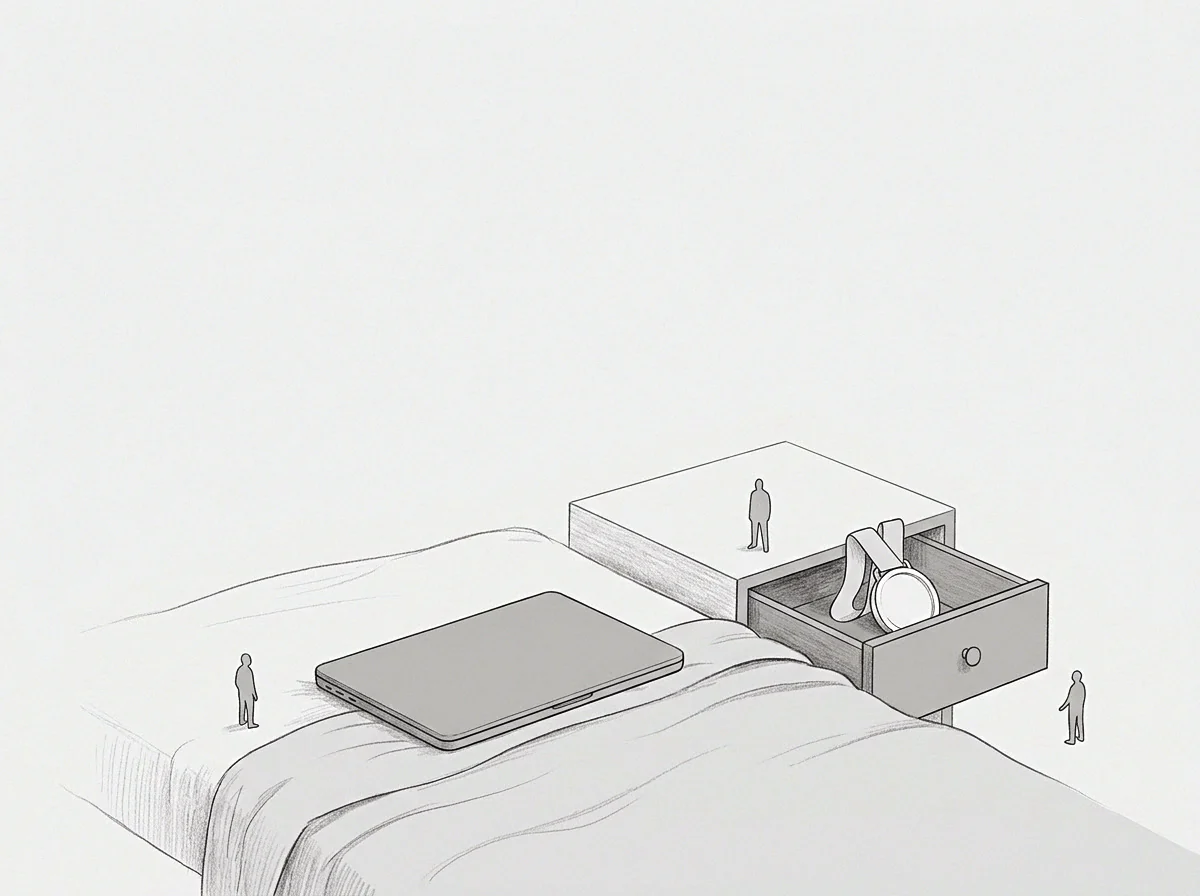
How Technical Accounts Exploit Executive Availability?
Enterprise clients often leverage executive seniority to bypass routine troubleshooting. A client director might message leadership directly to request immediate fixes for minor UI bugs, citing general urgency. This skips standard intake protocols and forces technical leaders into routine investigations that support staff could resolve using existing documentation.
A systematic triage architecture protects technical capacity through defined stages of operational qualification:
- Incident classification separates core infrastructure outages from localized configuration issues before alerting secondary engineering teams.
- Impact verification determines whether an issue affects entire production environments or individual administrative user accounts.
- Diagnostic collection collects application logs and reproduction steps from customer technical leads before engineering begins code inspection.
- Executive notification threshold alerts leadership only when data corruption or extended system downtime threatens commercial agreements.
Every unrecorded fix guarantees duplicate effort. When engineering leadership resolves customer issues in private chat threads, the solutions stay hidden. The support team gains no knowledge from the resolution, making it likely that the same issue will require executive intervention when it happens again.
Technical incidents resolve permanently only when documentation moves through public internal knowledge repositories instead of private chats.
Treating routine client inquiries as executive emergencies ensures that genuine operational crises get divided attention.

Protocol
Operational boundaries fail unless escalation paths are formally documented during contract execution. Enterprise clients respect boundaries when they are explicitly linked to service level agreements and governance standards.

Assumptions Under Systematic Escalation Rules
Consider an enterprise software provider managing forty enterprise accounts, each generating two hundred thousand dollars in annual contract value. If five account directors maintain the phone number of an early technical builder, those five accounts might average eight direct contacts per month. If each incident requires four hours of troubleshooting and coordination, the technical lead wastes thirty-two hours a month on routine support.
A functional escalation agreement outlines precise triggers that permit executive notification:
- Severity definition limits executive notifications to complete production outages lasting more than ninety consecutive minutes during core business hours.
- Diagnostic prerequisite requires an initial investigation by a tier-two support engineer before escalating to engineering leadership.
- Communication containment routes leadership updates strictly through designated customer success managers instead of direct messaging.
- Remediation retrospectives requires root-cause documentation within forty-eight hours, presenting findings directly to customer steering committees.
Eliminating unplanned technical interruptions enables product teams to meet deployment schedules while preserving platform stability.
Executive intervention during an active incident functions as an advisory resource rather than a frontline diagnostic service.
The Master Services Agreement specifies that direct executive consultations occur exclusively during scheduled quarterly business reviews, while unscheduled incident management proceeds strictly through the designated tier-three technical support desk.
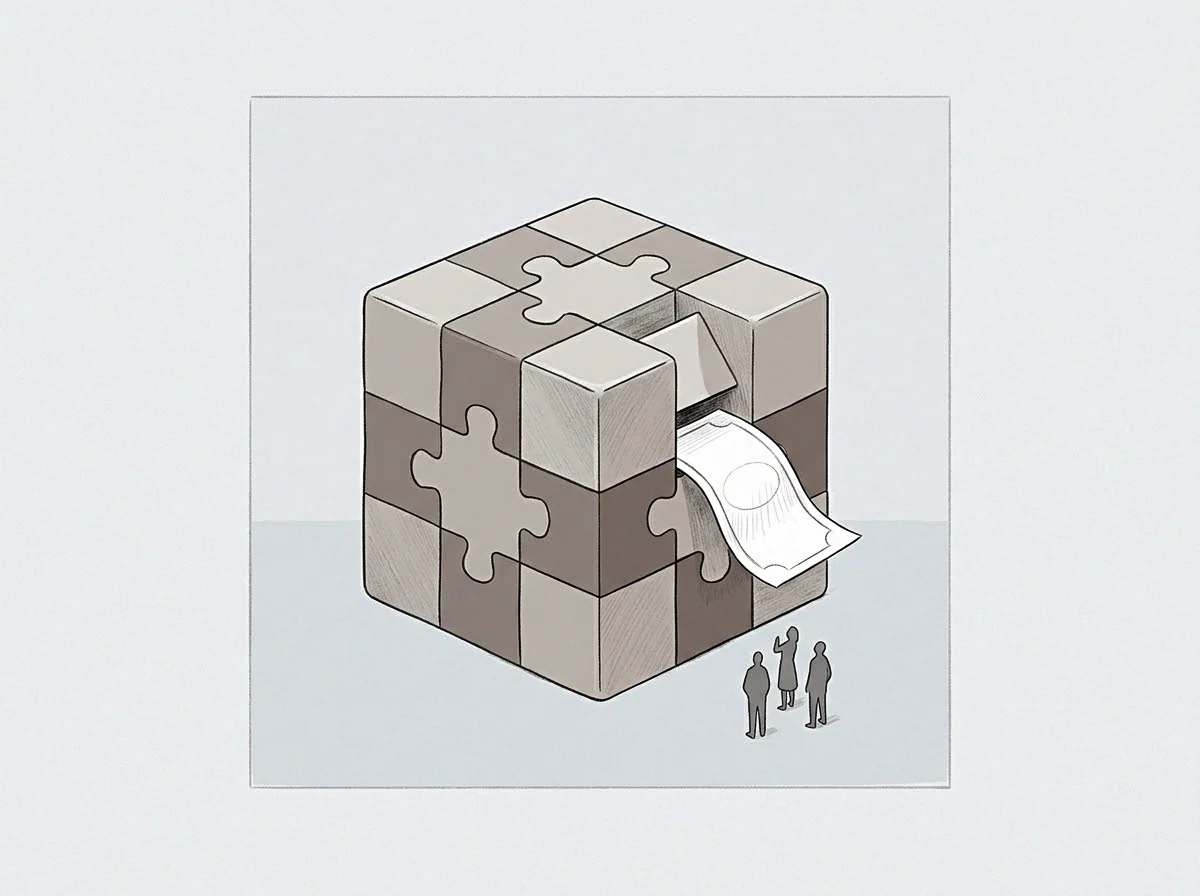
Toll
Reclaiming executive bandwidth requires intentionally pulling back from day-to-day customer support operations. Founding technical leads often hesitate during this shift, mistaking operational distance for neglect of early client champions. Enterprise buyers see formal escalation structures as an indicator of organizational maturity.
Direct executive intervention hides underlying product defects by substituting leadership effort for platform reliability. When executives step in to fix fragile integrations or manually rerun failed batch jobs, underlying technical debt stays hidden from product planning. The application seems reliable to the customer, but internal stability steadily degrades.
Client organizations naturally take advantage of direct vendor contacts to get dedicated support without paying for custom service level agreements. Enforcing strict escalation channels obliges enterprise accounts to work through structured, funded support operations.
Protecting executive capacity ensures that long-term product development takes priority over satisfying individual client requests. Leadership must focus on overall company strategy, leaving incident response to specialized support teams with clear mandates and tracked metrics.