Meaning
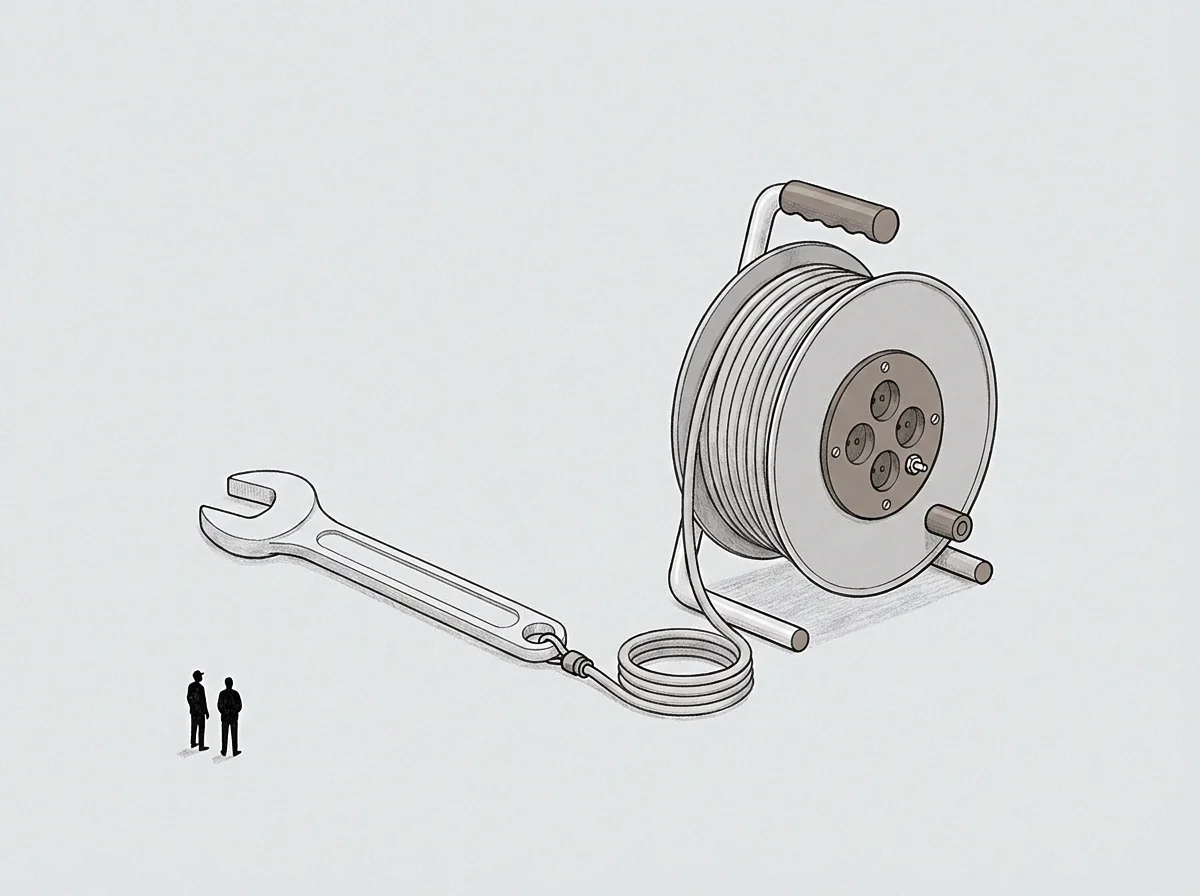
Functional responsibility describes the specific slice of operational delivery a founder retains when moving from general administration to a specialized craft role. The technician seat acts as the transition point where executive authority narrows to individual output. This arrangement requires the occupant to maintain a professional distance from the broader corporate strategy to focus exclusively on technical problem solving.
Operational Constraints
Technical production necessitates a rigid block of uninterrupted hours. The founder occupying this position experiences a loss of scheduling flexibility as the output demands dictate the daily calendar. Constant task switching between high level oversight and manual production exhausts personal capacity.
Output quality remains the primary metric for the individual in this arrangement.
Resource Allocation
Professional focus shifts toward the direct manipulation of project components rather than the management of internal relationships. The technician seat consumes the majority of the founder’s daily energy and mental bandwidth. Limited time for strategic reflection becomes a standard trade off for the precision of the technical work.
Efficiency increases within the narrow task while total organizational oversight diminishes as a direct consequence.
Role Boundaries
Formal delegation of managerial authority represents the only method to prevent the collapse of this seat into total operational entanglement. Founders who ignore this boundary often find their professional identity tethered to the assembly of individual units instead of the health of the organization. True separation occurs when the occupant establishes clear handovers for the work that sits outside the defined scope of the station.
Separation of duties keeps the enterprise from becoming hostage to the personal limitations of the technician.