
Governing Engineering Capacity And Risk Thresholds At Executive Level
Executive capacity governance requires quantitative risk thresholds that automatically freeze feature deployment when operational telemetry breaches agreed stability limits.

Gauge
An executive team tracks headcount growth, sprint velocity, and feature delivery targets, while system complexity quietly absorbs available engineering hours. Dashboards report nominal staffing, but that figure rarely reflects true throughput. As software platforms accumulate architectural dependencies, coordination, system stabilization, and incident response consume an increasing share of working hours.
A twenty percent increase in headcount does not produce a corresponding increase in delivered functionality when system complexity remains unmanaged.
Leadership usually encounters engineering capacity as a hard limit only after delivery dates slip or critical infrastructure breaks down. By that stage, friction has been accumulating for quarters. Engineering organizations operate under physical constraints set by codebase coupling, test execution times, and operational debt.
When governance treats capacity as headcount multiplied by time, strategic planning works from inflated assumptions.

The Operational Metric Paradox
Standard reporting compresses engineering work into ticket counts, deployment frequency, or story points, masking where effort actually goes across the system. A team delivering fifty story points per cycle might allocate forty of those points to working around regressions caused by recent architectural choices. Velocity looks stable on paper, yet actual feature delivery stalls.
Capacity expands only when structural debt falls below the threshold required for autonomous subsystem deployment.
This gap between reported metrics and usable capacity splits product roadmaps away from operational reality. Senior engineers exhaust their attention managing unspoken system fragility even while status reports show green. The miscalculation surfaces when an urgent initiative stalls because the underlying foundation cannot support another change without an immediate outage.
Structural Decay in High-Throughput Teams
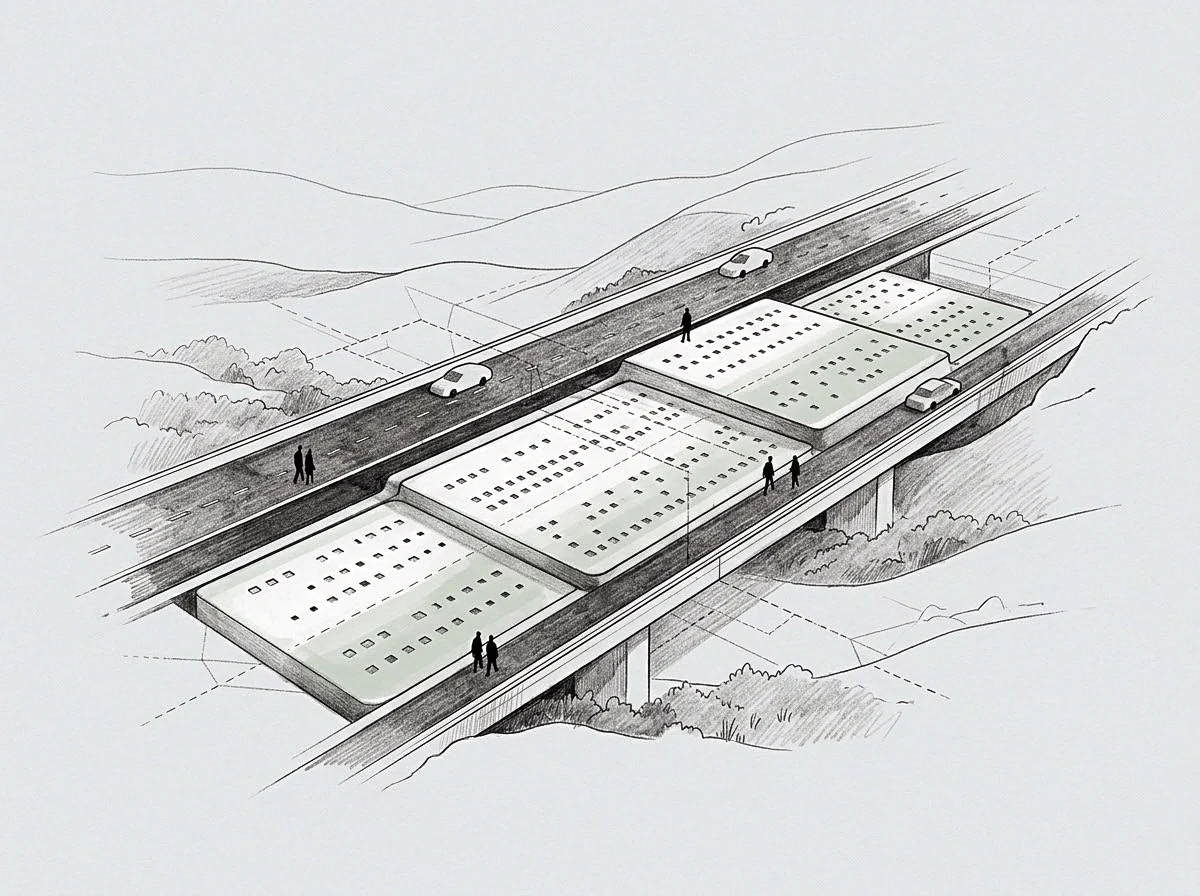
Sustained delivery pressure without explicit capacity reserves pushes engineering teams toward high-risk operational patterns. Services run past their design limits without reinforcement, driving up failure rates across dependent systems. Managers often quiet these risks with unrecorded hours, absorbing the operational burden to protect the schedule.
That personal absorption conceals systemic risk from leadership. Throughput ends up resting on a few individuals who hold critical context in their heads, rather than on documented, repeatable processes. When those engineers depart or exhaust their capacity, the true operational ceiling becomes obvious very quickly.
Overestimating available capacity eventually forces an organization into emergency stabilization, which routinely demands triple the effort of continuous architectural upkeep.
Fuse
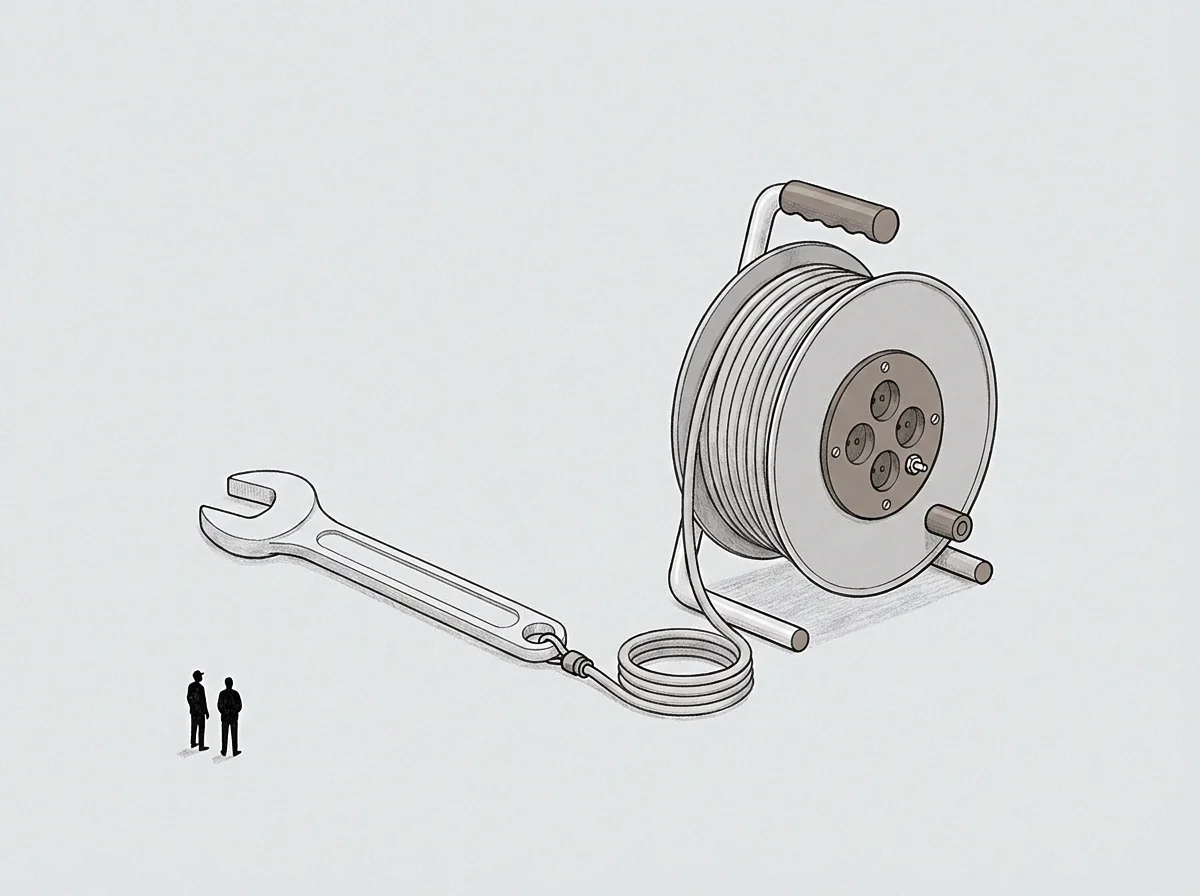
Defining engineering risk thresholds requires concrete operational boundaries instead of general statements about quality. That risk appears directly in production: unstable systems, elevated defect escape rates, open security vulnerabilities, and prolonged recovery times. Without explicit limits, immediate commercial priorities override technical safety margins until an outage forces a stop.
An executive risk threshold operates as an automated control. When operational metrics cross agreed boundaries, system remediation takes immediate priority over feature expansion. That shift moves authority from commercial planning directly to system stabilization without waiting for real-time executive debate.

Quantifying Executive Tolerances for Technical Failure
Effective governance requires executive teams to define acceptable boundaries across key technical vectors. Latency thresholds, incident frequency by severity, test coverage minimums, and service-level agreements define the boundary conditions for production releases.
- Production Error Budgets calculate the percentage of unstable operations permitted before automated freezes halt feature deployment.
- Security Remediation Windows set strict deadlines for patching specific vulnerability tiers before production release access locks down.
- Architectural Coupling Limits map dependencies across microservices to prevent localized failures from cascading across the entire platform.
- Key Person Exposure Ratios track service ownership distribution to ensure no single engineer holds critical operational capability alone.
Establishing these parameters forces product and engineering leadership to agree on operational trade-offs before an incident occurs. Setting limits in advance removes ambiguity during critical operational moments.

When does technical debt cross executive risk thresholds?
Technical debt crosses into executive risk the moment ongoing maintenance costs exceed the marginal revenue generated by new feature development. When engineering teams spend more than thirty percent of total sprint capacity addressing recurring production defects, systemic risk ceases to be an operational concern and becomes an executive liability.
A risk threshold established without an automatic deployment freeze functions merely as a suggestion.
Uncontrolled risk exposure accumulates steadily in production environments. System failures turn into multi-day events that impair revenue, draw regulatory scrutiny, and erode customer trust. Executives who neglect explicit limits permit quiet architectural decay until a catastrophic service disruption enforces an unplanned halt on commercial progress.
A mandatory remediation clause alters product prioritization automatically whenever production error budgets fall below twenty percent across two consecutive quarters.

Board
Governance models determine how executive leadership balances growth imperatives against engineering risk. Organizations typically select among three operational allocation strategies: feature-driven allocation, fixed-ratio maintenance splits, or risk-bounded capacity reservation. Each model distributes operational decisions differently between product managers, engineering leaders, and executive officers.
| Governance Model | Primary Metric | Risk Enforcement Mechanism | Primary Systemic Hazard |
|---|---|---|---|
| Feature-Driven Allocation | Roadmap Feature Velocity | Manual Executive Intervention | Silent Accumulation of Critical Structural Debt |
| Fixed-Ratio Maintenance Split | Percentage Hours Allocated | Arbitrary Sprint Allocation Rules | Inefficient Resource Utilization During Low-Risk Periods |
| Risk-Bounded Reservation | Production Error Budget and Defect Density | Automated Release Freezes and Remediation Rules | Short-Term Roadmap Flexibility Compression |
Selecting a governance model sets the internal working dynamic between product expansion and technical stability. The feature-driven model prioritizes immediate market opportunities but relies on engineer exhaustion to absorb operational volatility. The fixed-ratio model offers predictable scheduling, yet struggles to adapt to sudden surges in technical debt or major architectural shifts.
Product leadership prioritizes market delivery goals while engineering leadership manages system constraints.
The risk-bounded capacity reservation model aligns executive decision-making directly with operational telemetry. Under this regime, engineering teams maintain autonomy over technical capacity as long as system health indicators remain within agreed parameters. Breaches automatically reallocate capacity toward infrastructure repair.
Product leaders in feature-driven organizations frequently report that engineering teams request additional headcount without delivering clear improvements in operational reliability.

Margin
To examine operational dynamics under growth stress, assume a software organization expands its engineering headcount from fifteen to sixty developers across eighteen months. The initial architecture, built for rapid validation, features shared databases, limited automated testing, and monolithic deployments. Assume transaction volume scales by ten times over the same period, causing incident frequency to rise from one minor event per month to three major outages per week.
The executive team responds to declining roadmap progress by recruiting additional developers, assuming team size correlates directly with delivery output. However, onboarding overhead reduces senior engineering capacity by thirty percent. Incident triage consumes an additional forty percent of total engineering hours, leaving minimal capacity for foundational architectural remediation.
Erosion Dynamics in Rapid Escalation
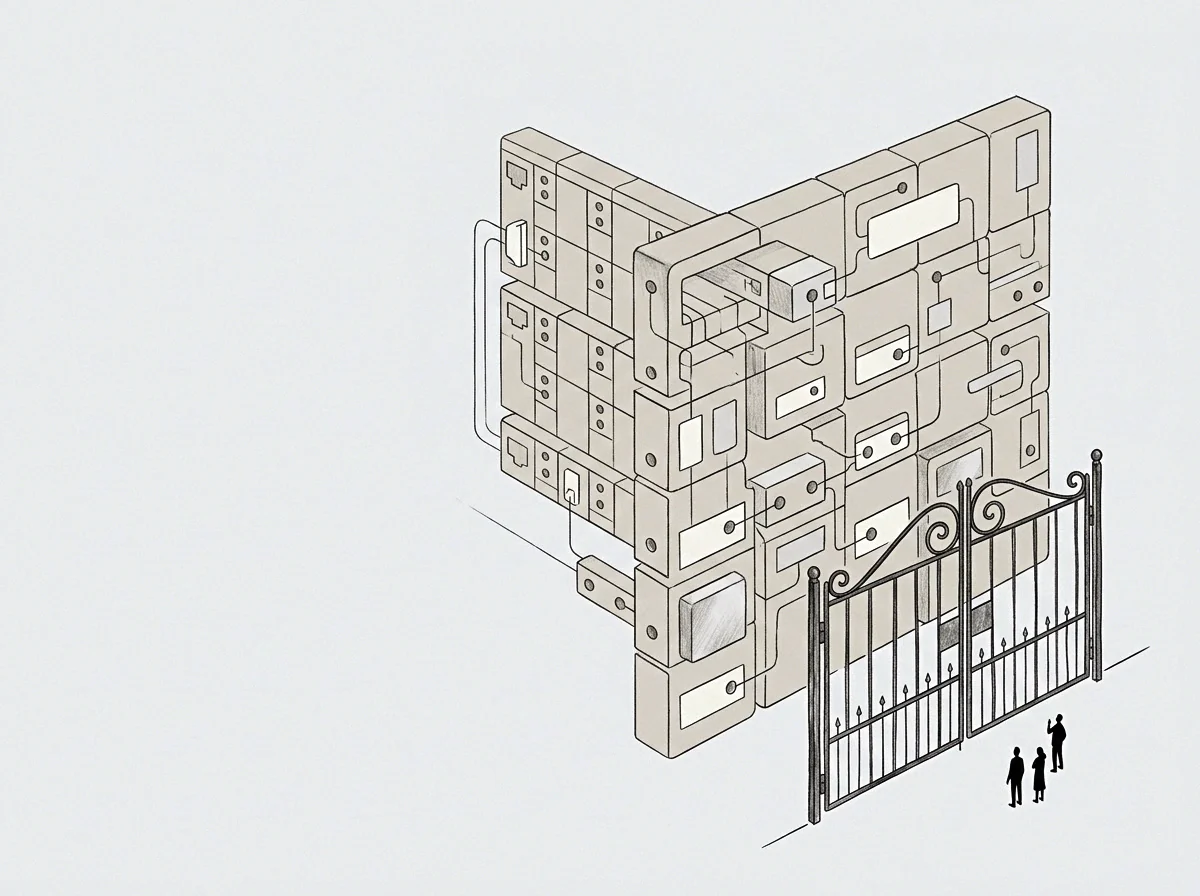
Under these conditions, the gap between expected delivery and actual system stability widens rapidly. Senior architects work late hours manually hotfixing production environment failures. Communication overhead scales quadratically with headcount additions, creating coordination friction across dispersed feature teams.
- Initial capacity miscalculation leads executive leadership to increase sprint feature commitments.
- Engineering teams truncate automated testing cycles to meet compressed delivery deadlines.
- Defect escape rates double, forcing senior engineers into continuous live-environment troubleshooting.
- Onboarding capacity degrades as experienced personnel remain tied to operational incident war rooms.
- System instability triggers executive intervention, forcing an emergency suspension of all feature developments.

Sequence of Structural Remediation
Restoring stability demands an immediate reduction in feature throughput to clear operational backlog space. Executive leadership must protect engineering teams from external roadmap pressures during this stabilization phase. Without explicit executive aircover, local commercial demands continuously disrupt critical engineering tasks.
Systemic remediation requires uninterrupted capacity reservation rather than sporadic maintenance sprints.
Rebuilding capacity takes months of sustained focus on foundational infrastructure. Code refactoring, test automation investment, and deployment pipeline optimization yield no visible commercial features initially, making executive resolve essential. The challenge is how long executive leadership can sustain strategic feature freezes while engineering teams resolve accumulated architectural debt.

Check
Implementing effective capacity governance requires establishing non-negotiable executive covenants between product officers, engineering leaders, and executive management. These covenants transform implicit expectations into concrete operational rules, defining exact allocation parameters and automatic remediation triggers.
Operational terms must explicitly govern capacity division, defining precise percentage allocations for platform maintenance, security compliance, architecture evolution, and feature development. Changes to these allocation ratios require formal approval from both product and engineering executive leads.

Executive Covenants for Engineering Governance
A functional executive covenant specifies explicit metrics for risk escalation. When automated health telemetry registers a breach of established operational parameters, capacity allocation shifts automatically toward technical remediation until metrics return to healthy ranges.
These agreements insulate engineering teams from continuous negotiation over system maintenance needs. By agreeing on decision rules prior to high-pressure releases, executive teams prevent technical debt from accumulating unchecked during aggressive commercial pushes.

Enforcement Mechanics at Executive Cadence
Governance rules require regular review within monthly executive operating cycles. Engineering leadership presents verified telemetry covering error budget consumption, operational debt backlogs, and capacity allocation compliance alongside standard commercial performance metrics.
Clear governance terms ensure strategic alignment across executive domains, treating engineering capacity and technical risk as fundamental variables of enterprise stability. Technical health metrics carry equal weight alongside financial and commercial key performance indicators during board-level operational reviews.
Capacity limits defined as explicit quantitative boundaries protect operational throughput far more effectively than continuous manual executive oversight.