Meaning
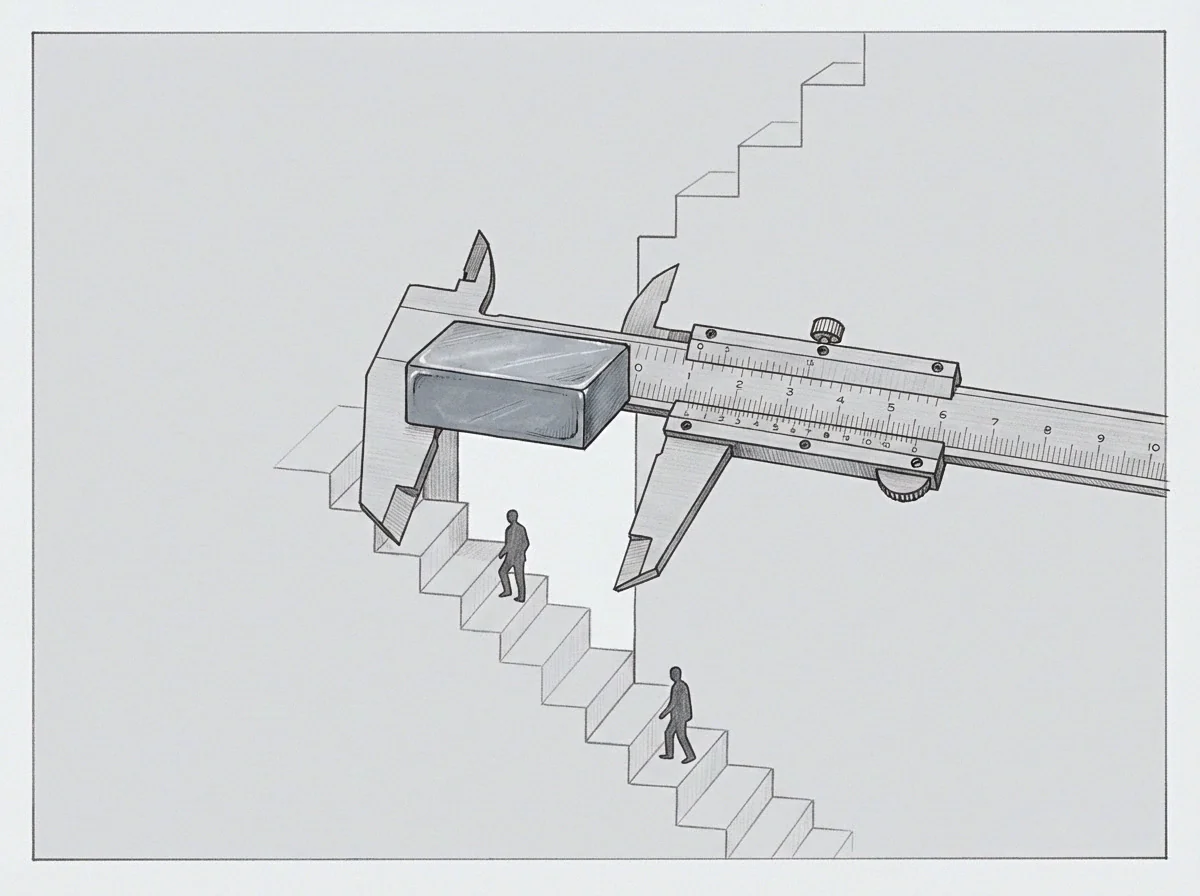
Accumulated architectural shortcuts and unoptimized software components represent deferred engineering work that demands future maintenance capacity. Engineering directors track technical debt to measure how past rapid-development decisions consume present development hours and restrict scaling. The boundary of this concept covers software engineering interest costs, excluding commercial liability and general business operating costs.
Compounding Interest
Short-term technical compromises made during initial product building accumulate substantial maintenance overhead as user bases expand. Unaddressed technical debt forces former technical founders to step back into software execution to patch breaking systems or stabilize legacy architecture. High interest manifests as frequent outages, slow feature releases and bloated maintenance requirements.
Rewriting legacy software components consumes substantial engineering capacity, delaying strategic product developments.
Capacity Drain
Software maintenance burdens reduce the engineering hours available for original feature development and product innovation. Managing heavy technical debt requires constant attention from senior engineering leaders, pulling them away from architectural planning and team mentorship. When code bases degrade, onboarding new engineers takes longer, compounding development friction.
Refactoring core systems reduces maintenance drag, recovering engineering bandwidth for new growth initiatives.
Remediation Drag
Resolving structural software issues requires dedicated refactoring budgets and deliberate engineering focus. Neglecting technical debt creates fragile systems that collapse under high transaction volumes, forcing emergency founder interventions. Continuous refactoring preserves system stability and protects strategic development capacity.