
Identifying Unrecorded Technical Labor In Software Engineering
Unrecorded technical labor occurs when software maintenance is absorbed through discretionary personal hours, disguising platform debt and distorting capacity metrics.

Load
An engineer closes a terminal window at two in the morning after patching a silent failure in a staging database pipeline. The task appeared on no product roadmaps, earned no story points in the biweekly sprint, and generated no record inside the ticket management software. Ten hours of structural maintenance vanish into the background operation of the company.
The software system remains online, performance metrics reflect stable deployment cycles, and executive leadership records high engineering throughput based on completed user stories.
Software development generates continuous, invisible maintenance work that falls outside formal project accounting. This missing ledger consists of infrastructure patching, build script repair, third-party dependency updates, schema alignment, and production telemetry calibration. When organization structures recognize only feature delivery as productive output, system maintenance transforms into shadow labor performed during off-hours or disguised within routine development tickets.
Software platforms survive on hours that never appear in sprint retrospectives.
The gap between documented technical work and total system labor widens as applications grow complex. Engineering teams often absorb infrastructure fragility by expanding personal hours rather than logging structural debt. This mechanism masks system decay while exhausting the capacity of senior technical operators.
When unrecorded technical labor sustains baseline stability, product schedules reflect false productivity figures and organizational planning fails to allocate resources for necessary technical preservation.
Shift
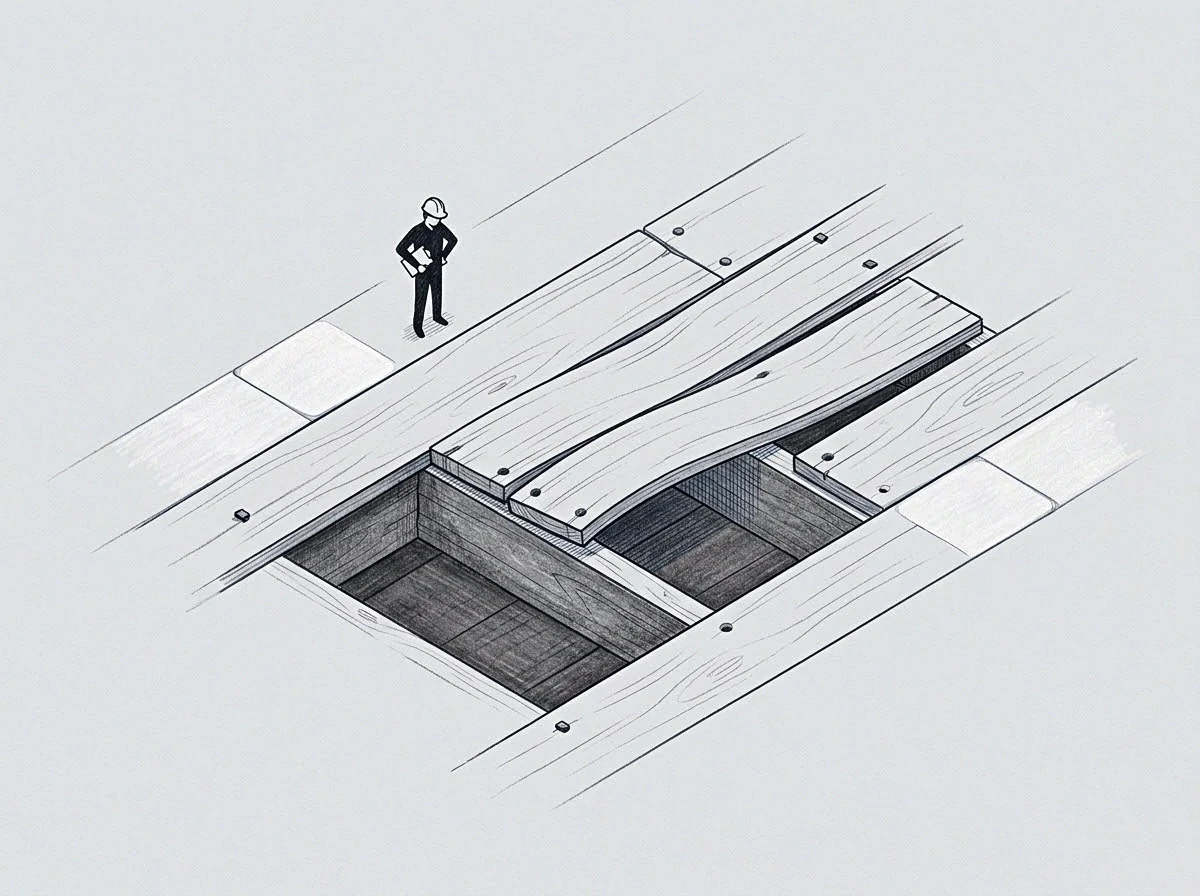
The shift from documented feature construction to tacit system maintenance happens gradually as codebases mature. Early software engineering projects operate with explicit alignments: every pull request maps directly to a user requirement. As distributed dependencies, third-party integration pipelines, and compliance mandates expand, the background labor necessary to keep code functional expands alongside them.
This shift alters the distribution of time across technical roles without changing formal job descriptions.
Role strain emerges when a single technical operator occupies three distinct functional seats simultaneously:
- System build stabilization involves adjusting broken continuous integration configurations, resolving broken container images, and updating build dependencies outside sprint planning boundaries.
- Incident triage and root cause analysis requires intercepting off-hours monitor alerts, tracing inter-service communication timeouts, and stabilizing failing production instances before customers notice service degradation.
- Dependency vulnerability remediations consists of testing upstream library patches, fixing security advisories, and refactoring deprecated application programming interface calls to prevent security breaches.
- Database query index maintenance demands inspecting slow query logs, restructuring indexes, and executing background data migrations during low-traffic windows.
A technical manager balancing team coordination, sprint commitments, and architectural oversight often absorbs these operational duties directly. The work occurs quietly because logging it as formal backlog items would reduce visible feature velocity metrics. The technical operator accepts this trade off to prevent project delivery delays, creating a false baseline of team productivity.
The product velocity remains on track because technical debt was handled over the weekend without logging tickets.
Clock
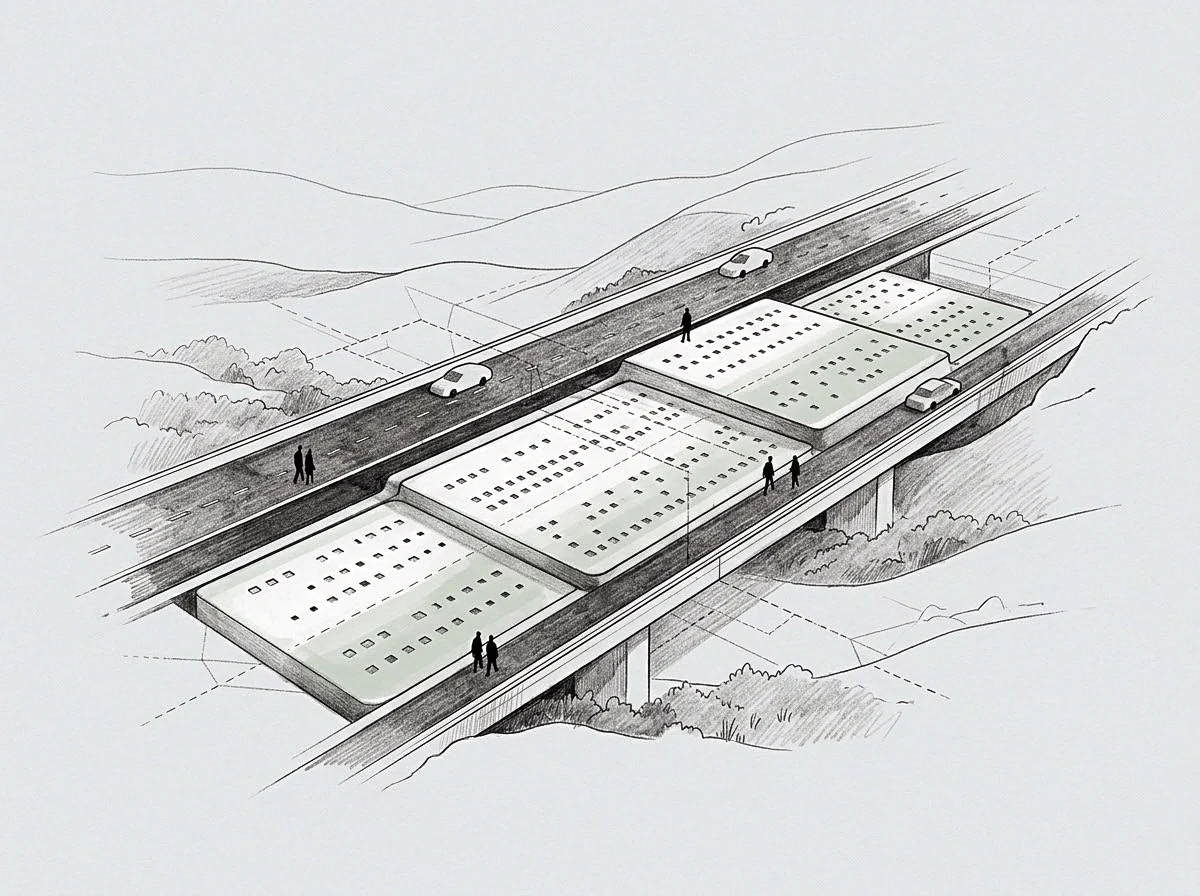
Quantifying invisible engineering labor requires tracking time against platform stability rather than completed backlog tickets. Formal tracking tools focus heavily on functional feature delivery, leaving maintenance activities unmeasured and unpriced.
Which technical tasks escape sprint tracking?
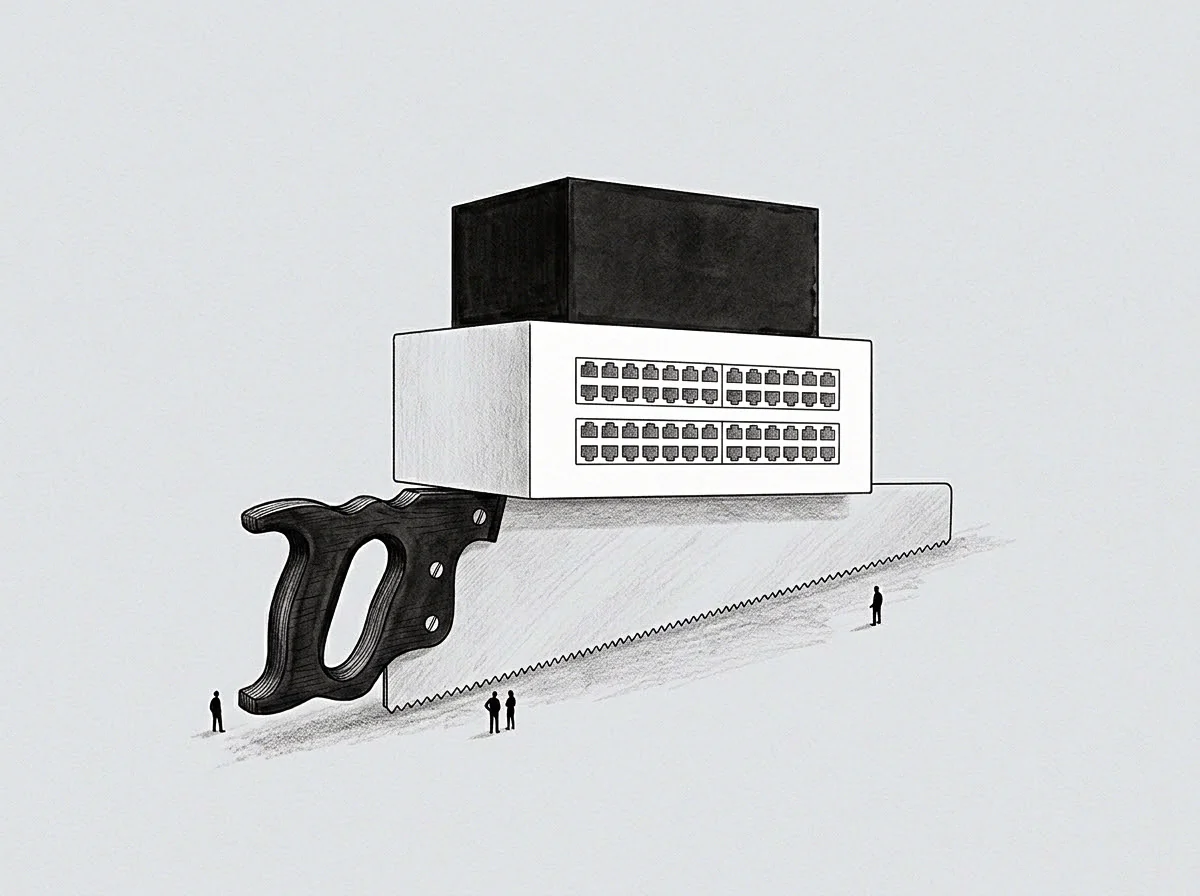
Technical labor escapes formal tracking when organizational structures treat operational baseline work as an ambient background condition rather than explicit resource consumption. Build stabilization, environment provisioning, and security dependency updates frequently operate in this blind spot.
| Evaluation Metric | Visible Backlog Engineering | Unrecorded Platform Labor |
|---|---|---|
| Task Origination | Product manager backlog ticket creation | Spontaneous production system failures |
| Accounting Mechanism | Allocated sprint story point weights | Discretionary off-hours manual override |
| Visibility to Leadership | High metric presence on progress dashboards | Completely absent from formal reporting |
| Capacity Impact | Predictable work hours during scheduled shifts | Continuous fragmentation of deep engineering focus |
Unrecorded technical labor imposes structural drag on software development organisations. When senior engineers spend twenty hours weekly maintaining build pipelines, their formal feature throughput drops by half. Management teams, observing only reduced feature delivery, frequently misdiagnose the slowdown as declining engineering efficiency rather than uncounted platform upkeep.
System architecture deteriorates when maintenance hours are drawn exclusively from discretionary personal time.
Standard time tracking systems ignore the operational tax paid to keep software functional. Measuring this gap demands explicit tracking of all platform stabilization interventions, build repairs, and environment configurations alongside standard feature tickets.
A contractual agreement specifying explicit operational hours transforms background maintenance into formal, budgeted capacity, preventing developer exhaustion.
Split
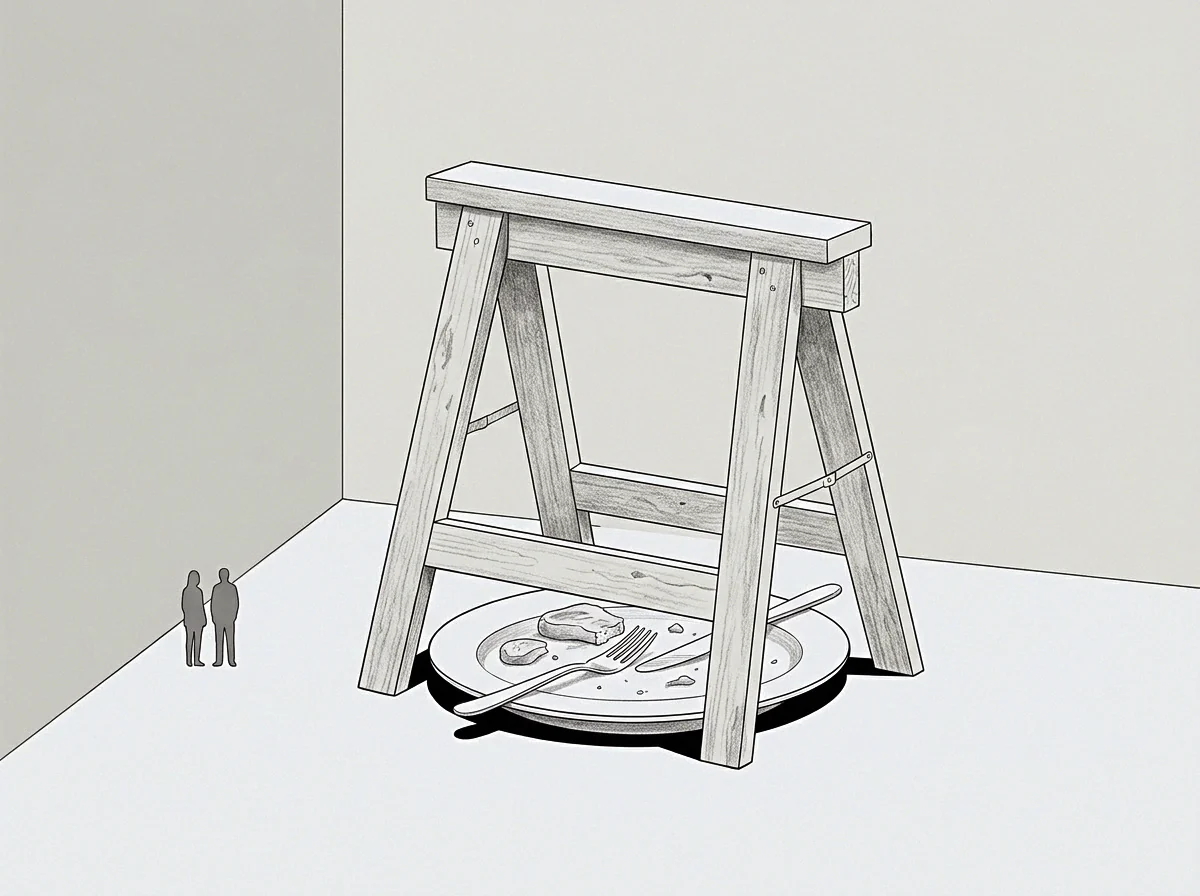
Unrecorded technical labor distorts equity calculations, performance evaluations, and role boundaries inside software engineering organizations. When two technical contributors hold equal equity or equivalent senior titles, unmeasured maintenance work creates hidden operational imbalances that damage long-term organizational stability.
Take two software engineers joining an early-stage company on equal equity splits. Assume one engineer works exclusively on user-facing product features logged on the sprint board. Assume the second engineer spends twenty-five hours weekly on unrecorded continuous delivery pipelines, security compliance patches, and database indexing while spending fifteen hours on sprint tickets.
On paper, the first engineer appears twice as productive, completing double the visible user stories. In reality, the second engineer protects system viability while receiving lower performance reviews and equal equity compensation.
Unstated operational burdens convert technical equity into an unpriced performance discount.
Resolving this structural imbalance demands converting implicit, unrecorded platform labor into explicit organizational commitments. Software engineering organizations transition from fragile, personal maintenance models to sustainable technical governance through a deliberate progression:
- Quantify the maintenance baseline by tracking every unscripted intervention, build fix, and production response over a four-week audit period.
- Establish explicit operational hours allocated strictly for infrastructure upkeep, security remediation, and build pipeline preservation within standard sprint limits.
- Reallocate system ownership across the engineering organization, ensuring platform stability responsibility spreads across teams rather than relying on individual off-hours interventions.
When unrecorded platform work remains unaddressed, how long can an engineering organization maintain feature velocity before key technical operators leave due to role strain?
Claim
Converting unrecorded technical labor into explicit organizational capacity requires restructuring how engineering teams define, allocate, and review technical work. Software platforms cannot rely on tacit, unpriced personal sacrifices to preserve baseline operational stability. Long-term platform endurance demands turning hidden maintenance into documented, accountable engineering responsibilities.
The first step requires establishing explicit operational maintenance capacity inside every sprint schedule. Engineering leaders reserve a dedicated percentage of total team bandwidth exclusively for platform preservation, security dependency upgrades, and build pipeline maintenance. This allocation exists as an untouchable reservation, preventing product management from converting maintenance hours into feature expansion tickets.
Engineering capacity remains visible only when structural upkeep holds an explicit seat at the planning table.
The second intervention addresses role definitions and performance evaluation metrics. Performance reviews for technical operators must incorporate platform stability, build health, and infrastructure debt reduction alongside feature delivery metrics. Evaluating technical contributors purely on visible product code creates perverted incentives, encouraging developers to abandon background system upkeep in favor of high-visibility feature tickets.
The third shift involves formalizing architectural and operational balance sheets. Software engineering organizations maintain accurate financial accounting for physical equipment and real estate assets. Software systems demand similar rigor for internal infrastructure debt.
Documenting platform technical debt, security patch schedules, and operational maintenance requirements on a formal technical balance sheet exposes hidden system fragility to executive leadership and investors.
Technical operators occupying multiple seats simultaneously must state the limits of their personal operational bandwidth. Carrying unrecorded technical labor silently masks organizational defects while draining personal technical capacity. When senior engineers demand explicit ticket accounting for platform preservation, the organization acquires clear visibility into true software delivery costs.
Systems remain stable when maintenance work is recognized as necessary engineering, documented on sprint planning boards, and priced into operational overhead. Replacing unrecorded personal labor with formal platform allocations ensures predictable product delivery, protects developer retention, and preserves long-term codebase structural integrity.