Meaning
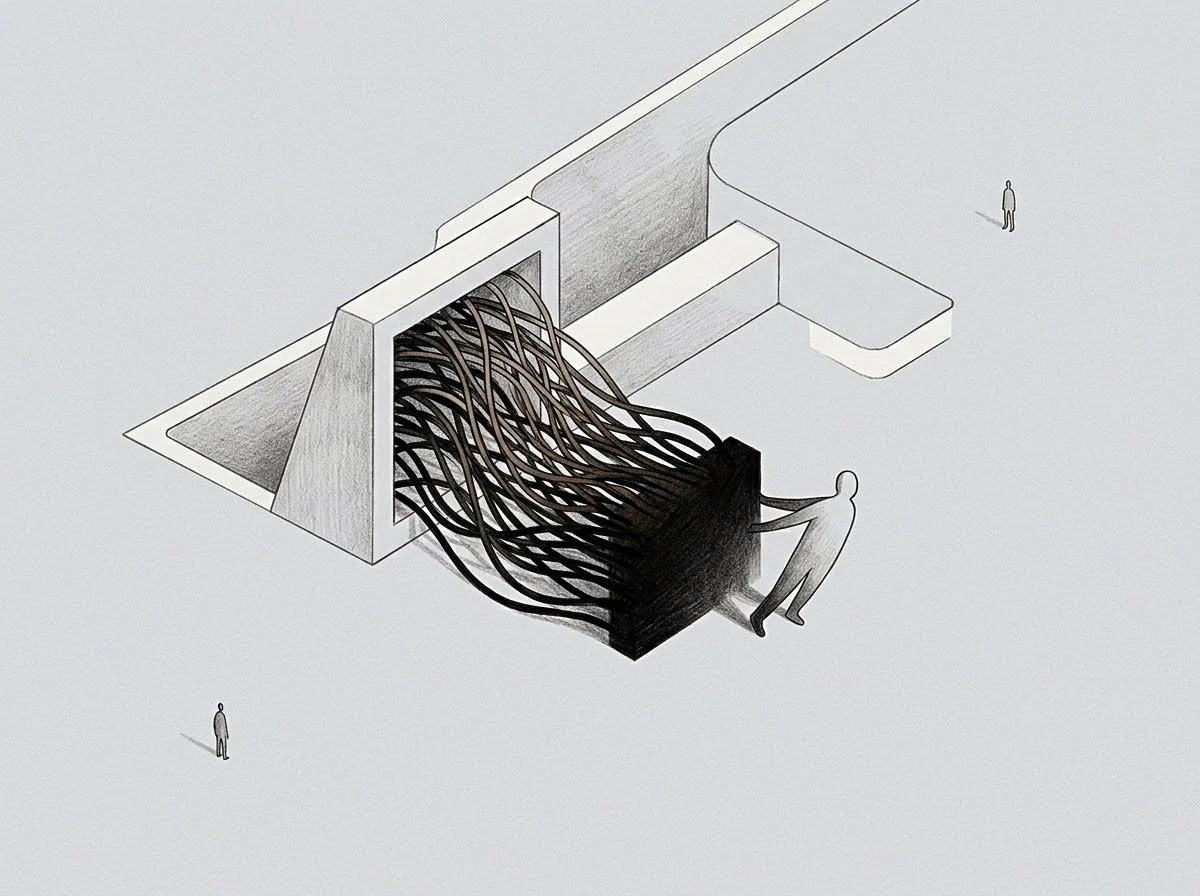
A governance mechanism provides formal procedures for breaking irreconcilable voting impasses between equally weighted owners or board directors. Implementing deadlock resolution terms ensures that an enterprise can reach binding decisions when equal voting blocks produce an absolute stalemate. The mechanism applies to major corporate actions, including annual budget approvals, executive appointments, capital calls and sale transactions.
The boundary of the concept stops at ordinary commercial disagreements that fall within the day-to-day authority of operating management.
Structural Trigger
Governance structures with fifty-fifty ownership stakes or evenly split board seats inevitably generate operational paralysis when strategic visions diverge. Without predetermined contractual remedies, a persistent division between equal shareholders halts banking relationships, stalls vendor commitments and prevents strategic investments. Contractual remedies typically specify mandatory cooling-off periods, independent mediation steps or designated third-party tie-breaking directors before escalating to corporate separation.
The procedural progression forces the parties to attempt structured negotiation before triggering disruptive separation rights.
Separation Remedy
Escalated stalemates frequently require financial separation mechanisms such as buy-sell notices, shotgun clauses or sealed-bid auctions to sever the joint ownership structure. Under a standard shotgun arrangement, one shareholder issues an offer to buy the other equity holder out at a specific valuation, giving the recipient the reciprocal right to buy out the initiating owner at that identical price. This mechanism forces fair pricing because the proposing founder cannot predict whether they will become the sole buyer or the exiting seller.
The resulting transaction demands substantial liquidity, forcing the departing party to relinquish operational authority and board control in exchange for capital payout.
Capacity Drain
Protracted governance disputes consume significant executive attention, legal fees and operational focus away from commercial operations. When partners reach an institutional stalemate, the cost to each participant appears as lost strategic momentum and severe personal distraction. Resolving the division re-establishes unilateral executive authority and liberates organizational capacity.