
Resolving Unfunded Equity Redemptions When Successor Operational Cash Flow Fails Debt Covenants
Subordinating deferred share buyouts beneath senior bank covenants protects liquidity by halting redemption disbursements before debt service coverage triggers default.
Floor
The bank statement arrives at midnight showing three hundred thousand dollars in operating reserves, while forty-eight hours remain before the quarterly amortization payment of seventy thousand dollars falls due against the commercial credit line. On the same desk sits a promissory note signed two years prior during ownership succession, specifying an unfunded quarterly equity redemption distribution of forty-five thousand dollars to the retired predecessor. Operational cash flow generated across the preceding ninety days stands at sixty-two thousand dollars after payroll, supplier accounts, and maintenance expenditures.
Paying the retired equity holder leaves the operating balance below the liquidity threshold required by the bank loan agreement. Paying the bank depletes the treasury beneath the sum owed to the former partner, who holds a personal confession of judgment.
Cash reserves vanish first. The successor operator occupies the operational desk twelve hours each day managing job estimates, shop floor scheduling, and customer deliveries. In the founder seat, that same individual inherits a capital structure conceived when trading margins were twenty percent higher and interest rates were low.
A redemption agreement executed during prosperous trading periods creates an absolute corporate debt obligation that treats historical goodwill as an immediate liability. When successor operating earnings decline, the enterprise encounters a structural conflict between legal covenants owed to financial institutions and contractual promises made to exiting equity holders.
A cash distribution executed while fixed charge coverage sits below contractual limits constitutes an immediate event of default under senior lending agreements.
Commercial lenders establish protective debt covenants to insulate their capital against insolvency and equity depletion. The debt service coverage ratio, defined as net operating income divided by total principal and interest obligations, establishes the minimum acceptable cash surplus an enterprise generates above its financial debt. Subordinated redemption notes issued to departed equity holders frequently escape the bank loan agreement during initial closing discussions when legal counsel treats them as internal shareholder matters.
Once trading cash yields fail to clear covenant thresholds, the enterprise discovers that state corporate distribution statutes prohibit share redemptions when a business faces insolvency. Transferring corporate capital to an equity holder while bank obligations go unmet invites commercial receivership and piercing of the corporate veil.

Drift
Corporate financial capacity deteriorates through sequential stages as operating realities diverge from original succession models. The initial transaction design usually presumes that trading margins remain static, customer concentration risks resolve themselves, and successor personnel replicate the sales efficiency of the outgoing owner. When gross margins compress by even four percentage points, the operational surplus evaporates.
The technician keeps building. Yet the capital structure absorbs all liquid earnings simply to maintain equipment leases and senior debt service.
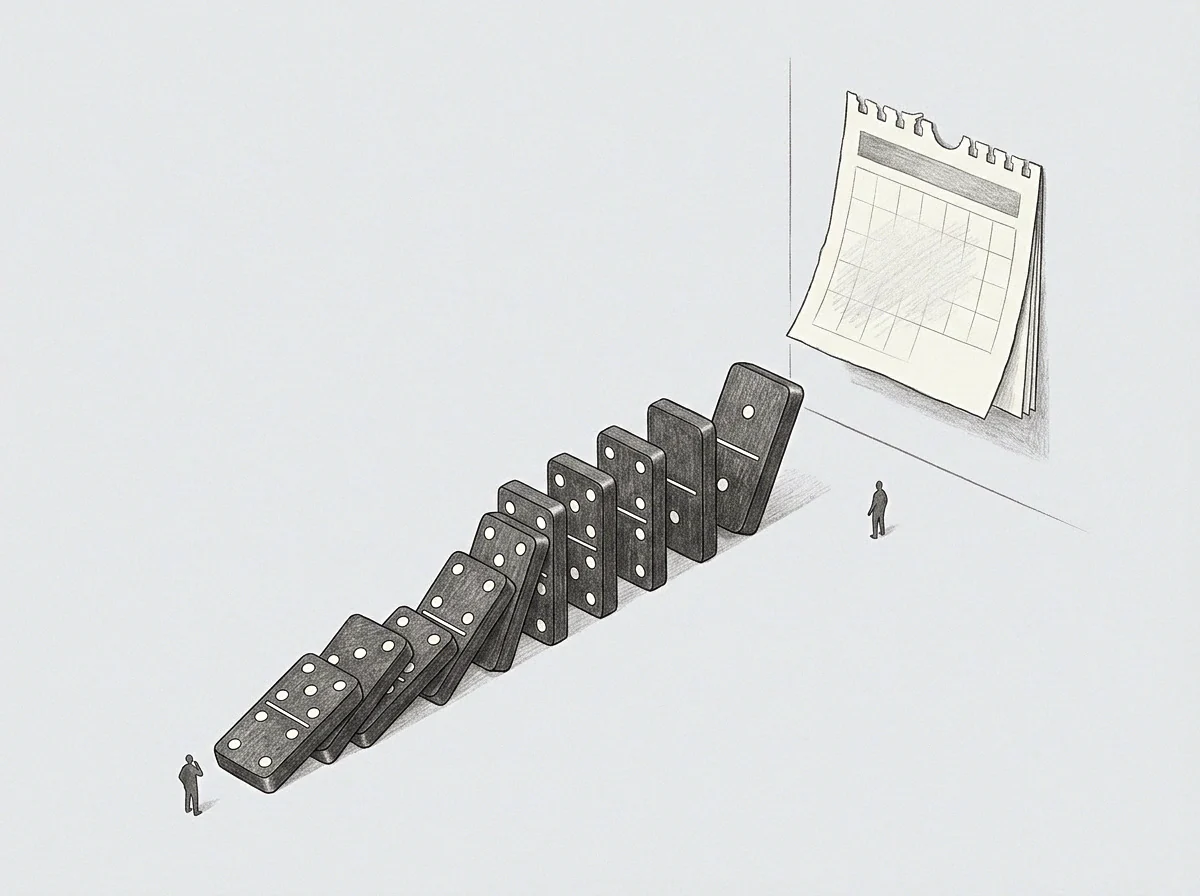
A separation occurs between the person working inside the technician seat and the person carrying legal responsibility in the owner seat. Operating personnel focus on dispatching shipments, invoicing customers, and managing vendor credit lines. The contractual schedule of an unfunded equity buyback operates on an independent calendar, indifferent to supply chain disruptions or extended payment cycles from major clients.
Three structural conditions accelerate this divergence across the operational lifecycle:
- Amortization Compression accelerates cash consumption when senior debt facilities require accelerated principal amortization simultaneously with quarterly seller note payments.
- Restricted Payment Baskets freeze junior corporate distributions the moment debt service coverage ratios fall beneath institutional thresholds.
- Priority Subordination Omissions leave the enterprise exposed to immediate legal action from the departed partner when note defaults occur outside intercreditor frameworks.
Bank examiners check covenants quarterly. When trailing twelve-month earnings before interest, taxes, depreciation, and amortization slip beneath covenant ratios, the commercial lender issues a reservation of rights letter. That communication immediately suspends discretionary capital outlays and triggers penalty interest rates across credit lines.
At that precise juncture, the retired shareholder demands scheduled payment on the equity redemption note, threatening acceleration of the entire unpaid principal balance. The successor operator sits between two conflicting claims: the institutional lender holding a blanket lien across all enterprise assets, and a former mentor holding an unsecured redemption claim backed by historic corporate stock certificates.
When net operating earnings fail senior leverage tests, any capital disbursed toward unranked shareholder redemptions triggers legal liability for fraudulent conveyance.
Successor operators who built alongside the departing founder often interpret these payment schedules through personal obligation rather than corporate solvency limits. That psychological stance obscures statutory reality. An owner cannot legally withdraw capital from an insolvent corporation, nor can an enterprise distribute cash to subordinate share notes when institutional credit covenants freeze cash transfers.
Enterprise survival overrides past promises. Attempting to honor redemption promises by delaying vendor payables or drawing down emergency credit lines consumes trade liquidity and compromises day-to-day operations.
The contract promised six hundred thousand dollars across five annual payments, and operating performance cannot generate excuses when real estate mortgages sit on personal credit.
Press
Institutional debt facilities govern modern enterprise operations through detailed negative covenants, intercreditor mandates, and restricted payment definitions. Senior credit facilities maintain absolute priority over corporate assets through recorded security interests, deposit account control agreements, and pledge agreements. When enterprise performance weakens, the debt service coverage ratio and fixed charge coverage ratio serve as automated tripwires that strip management of cash disbursement autonomy.
Junior instruments, including promissory notes issued for founder equity redemptions, possess no legal capacity to override these institutional encumbrances unless explicit subordination terms govern their lifecycle.
Should Senior Debt Subordination Extinguish Junior Repurchase Defaults?
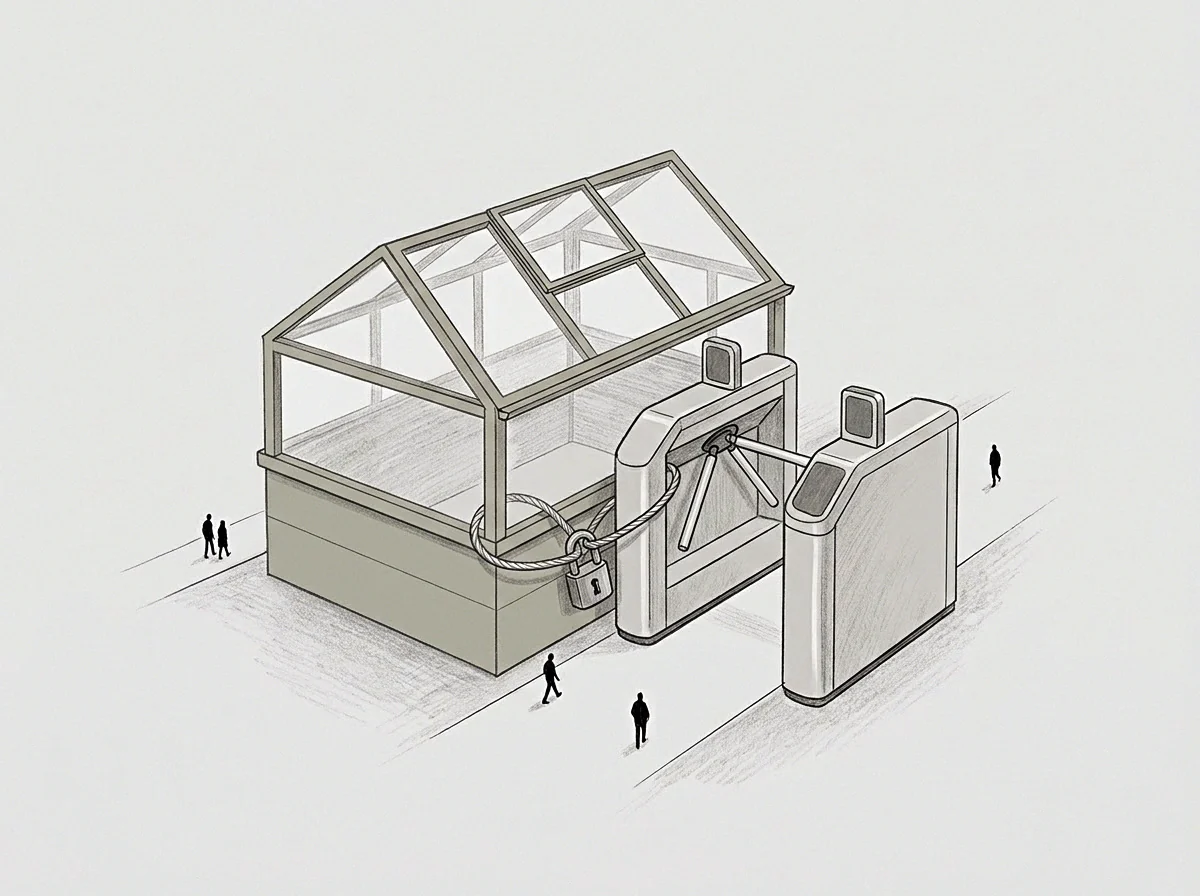
The legal enforceability of an equity redemption promissory note depends directly upon its contractual subordination to institutional credit lines. When commercial loans originate, banks demand a formal subordination agreement signed by both the enterprise and the exiting equity seller. This agreement bars all principal and interest payments on the seller note during any period wherein a covenant default exists on senior debt.
If the transaction documentation omitted this tripartite agreement, the company faces an irreconcilable legal bind: paying the seller breaches the bank covenant, while refusing to pay breaches the share redemption contract.
| Obligation Tier | Collateral Claim | Covenant Tripwire | Cash Flow Priority | Default Remedies |
|---|---|---|---|---|
| Senior Bank Credit Facility | First blanket security interest on accounts, inventory, and equipment | Fixed charge coverage ratio slipping beneath 1.25x | Absolute senior right to sweep deposit accounts | Immediate loan acceleration, foreclosure, and receivership |
| Unfunded Equity Redemption Note | Unsecured general corporate claim or junior equity pledge | Non-payment of scheduled quarterly redemption tranche | Subordinated behind operating expenses and bank amortization | Money judgment, note acceleration, and company liquidation petitions |
| Restructured Subordinated Mezzanine Claim | Subordinated secondary lien or convertible preferred interest | Breach of restructured operational cash flow covenants | Paid strictly from available excess cash flow after bank debt | Conversion into non-voting equity or deferred payment accrual |
| Conditions: Analysis assumes standard commercial lending terms with perfected security interests and a standard intercreditor priority framework. | ||||
The technical mechanism governing this conflict resides in the restricted payments clause of the loan agreement. Under these clauses, distributions to purchase, redeem, or retire shares of corporate stock require explicit conditions: zero existing events of default, a verified debt service coverage ratio above the contracted threshold, and minimum post-payment excess liquidity. Senior lenders dictate terms.
When cash generation stumbles, these conditions fail instantly. The successor operator who wires twenty thousand dollars to an ex-partner during a covenant breach commits an intentional default under senior loan documents, justifying asset seizure by the lender.
A subordination agreement halts note payouts during covenant failure without extinguishing the underlying debt principal.
Unfunded claims accumulate penalty interest. Meanwhile, the legal standing of the redemption note itself alters based on corporate jurisdiction. In common law jurisdictions, state statutes prohibit an entity from redeeming its own shares when capital is impaired or when the payment would render the business unable to meet its liabilities as they mature in the regular course of business.
Paying an equity redemption note during operational distress exposes the directors who authorized the transfer to personal liability for improper capital depletion. Senior debt subordination clauses align with corporate distribution statutes to ensure that productive enterprise functions retain cash before past owners extract accumulated value.
The execution of an intercreditor standstill provision formally delays enforcement actions by the noteholder for ninety to one hundred eighty days following non-payment, preventing immediate corporate collapse while refinancing proceeds.

Desk
Resolving an unfunded redemption crisis requires moving the discussion out of informal telephone arguments and into structured balance sheet restructuring. Legal threats arrive by courier. The successor operator faces two counterparties who each believe they hold moral and commercial entitlement to available cash flow.
The institutional bank special assets officer views the enterprise as an impaired risk requiring immediate deleveraging or additional collateral. The retired equity holder views the deferred payment as deferred wages and earned consideration for building the firm across thirty years.
Subordination language governs priority. The operator must assemble historical operating financials, a thirteen-week cash flow forecast, and an objective sensitivity analysis demonstrating the exact cash deficit created by debt service covenants. When the numbers prove that cash flow cannot satisfy both master obligations, negotiations shift toward structural recapitalization.
Five practical moves resolve this deadlock when operational cash generation falters:
- Delivery of certified financial statements to the noteholder proving covenant failure and statutory distribution prohibitions.
- Formal activation of intercreditor standstill periods to halt collection lawsuits from the junior creditor.
- Conversion of fixed cash redemption notes into paid-in-kind instruments that accrue interest without consuming operating cash.
- Establishment of an excess cash flow sweep mechanism that pays junior notes solely when debt service coverage exceeds bank minimums.
- Issuance of junior warrants or non-voting preferred shares to compensate the seller for restructuring risk and extended redemption timelines.
Solvency limits statutory equity distributions. A retired shareholder who insists on immediate cash extraction from an insolvent enterprise accelerates senior foreclosure, an outcome that extinguishes junior claims entirely. When a senior lender liquidates accounts receivable and physical machinery at auction, junior unsecured redemption notes consistently receive zero distributions.
Liquidity sets the schedule. Demonstrating this liquidation math to the departed partner shifts the strategic perspective from entitlement to enterprise preservation.
Preserving operating asset continuity protects junior note recovery far more effectively than accelerating an uncollectible unsecured claim against an empty shell.
The successor signs alone. During these workout discussions, emotional strain frequently overwhelms managerial capacity. The individual occupying the manager seat must maintain supplier trade terms and employee payroll while conducting tense negotiations with institutional lenders and former partners.
A structured equity restructuring replaces brittle personal commitments with measurable financial realities. If the business requires three years to restore healthy debt service coverage, the junior redemption timeline adjusts to that operational speed.
Cash allocations prioritize the productive assets that produce next week’s inventory before any historical claimant takes a dollar.

Cure
Operational stability returns only when the enterprise reorganizes deferred shareholder buyouts into sustainable capital structures aligned with senior debt reality. Silence accelerates commercial litigation. The successor operator who hides early covenant breaches from the senior lender while secretly continuing seller redemption checks destroys credit credibility with both parties.
The workable path requires total transparency concerning cash generation limits, supported by legal opinions regarding statutory solvency constraints and contractual payment restrictions.
Restructuring an unfunded redemption transforms an adversarial collections battle into an orderly recapitalization. The company replaces the standard promissory note with a subordinated debt instrument governed by operational performance milestones. Under this structure, principal payments occur exclusively through an annual excess cash flow formula evaluated after all senior bank debt service, essential capital expenditures, and working capital reserves are met.
If operational cash flow drops, junior debt payments pause automatically without triggering an event of default or debt acceleration. The bank holds control.
This restructuring preserves operational liquidity while keeping the departed founder invested in the ongoing economic survival of the business. The junior noteholder accepts lower near-term cash velocity in exchange for payment priority ahead of future equity returns, enhanced contractual disclosure rights, and potentially higher PIK coupon rates during deferral periods. When enterprise trading cash margins expand, the excess cash sweep directs capital toward accelerating the deferred balance, rewarding the seller for patience during lean operational cycles.
Whether institutional lenders will routinely permit subordinated noteholders to retain contingent warrants or profit participation interests during covenant restructuring workouts remains an unsettled question for small enterprise finance.