Meaning
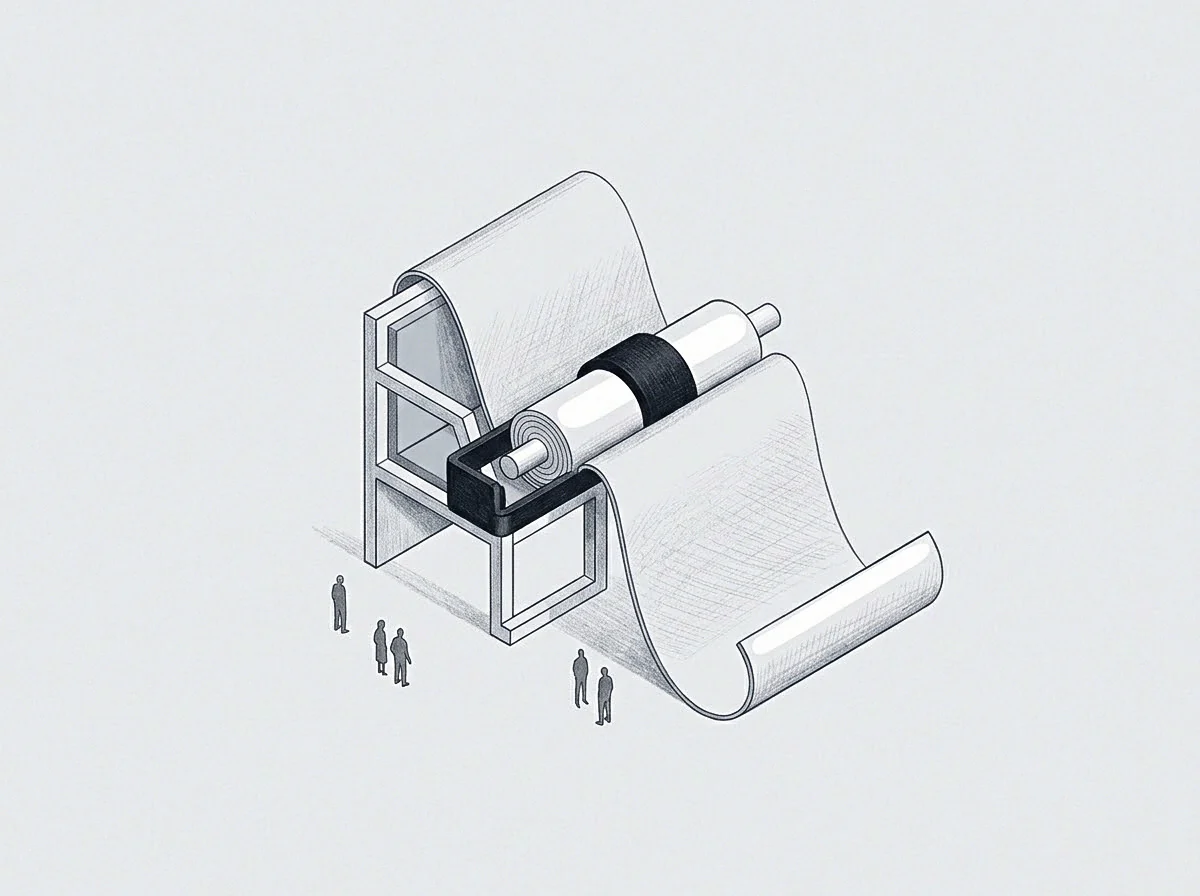
Administrative roles defined by the coordination of resources and the supervision of personnel to meet specific organizational targets constitute a specific layer of a hierarchy. A manager operates between the strategic intent of ownership and the technical execution of the workforce. The role ceases to apply in decentralized autonomous structures where decision power is fully distributed or where individuals have no subordinates or delegated resource control.
Functional Duty
Coordination of daily tasks ensures that the output of a group aligns with the broader goals of the firm. A manager spends the majority of their time on resource allocation and the resolution of operational conflicts. This work involves the translation of high level objectives into actionable steps for the team.
Decision Domain
Authority within a defined scope allows for the rapid response to local problems without seeking executive approval. Because a manager holds responsibility for specific outcomes, they must possess the power to direct the effort of others. This seat carries the burden of accountability for results that the individual does not produce directly.
Success in this position depends on the ability to delegate tasks effectively while maintaining a clear view of the overall progress. It requires a shift from doing the work to ensuring the work is done by others, which is a structural change in how time is spent.
Attention Cost
Overseeing the productivity of others requires a constant expenditure of mental energy and capacity.