
Separating Technical Production Work From Daily Team Oversight
Separating technical production from supervisory oversight requires temporal firewalls and distinct accountability boundaries that protect deep cognitive focus.
Desk
Two monitors display distinct operational realities on a single November morning. The left screen shows four thousand lines of compiler logs waiting on memory optimization. The right screen holds twelve unread operational requests, three schedule conflicts for the upcoming sprint, and a direct inquiry regarding equipment stipends.
An engineer reaches across the keyboard to silence the operational notifications, intends to spend four unbroken hours on the cache architecture, and surrenders the plan eleven minutes later when a junior contributor stops at the office perimeter with an urgent procedural question. The day disappears into micro-interventions. The cache code remains uncommitted.
Technical builders who take on supervisory duties discover that continuous production and team oversight destroy each other when forced into the same calendar hours. Deep engineering, complex drafting, and mathematical verification demand long, undisturbed intervals of cognitive load. Supervisory operations, by contrast, demand high availability, low latency, and continuous emotional containment for staff.
Forcing both responsibilities onto one desk creates operational whiplash. The practitioner attempts to produce foundational work while functioning as the human router for daily team maintenance.
A pull request left unreviewed halts an external contributor while an operational check-in halts the technical builder for half a day.
The operational penalty of this collision appears in the calendar arithmetic. Laboratory studies on cognitive switching latency demonstrate that returning to complex code or design tasks after an interruption requires upwards of twenty-three minutes of reorientation. When five minor team escalations arrive across an eight-hour window, the net usable engineering time drops toward zero.
The builder feels exhausted despite finishing no significant technical artifact. The supervisory duties also suffer because fragmented attention leaves personnel feeling rushed and secondary.
Supervisors who retain deep production tickets create an acute organizational bottleneck. Contributors cannot proceed without technical decisions from the very individual who lacks the schedule availability to deliver them. The organization slows down while its most skilled producer works late into the evening to clear basic production debt.
The output stops moving through the pipeline.
Seat
A role analysis decomposes daily operations into functional positions rather than personal competencies. The technical producer seat governs technical debt, system architecture, direct authoring, and execution quality. The team supervisor seat governs personnel throughput, procedural alignment, resource distribution, and operational unblocking.
Combining these two seats within one person without explicit boundaries causes functional role collapse. The person ceases to execute either seat with systematic discipline, substituting reactive urgency for structural priority.
Role confusion generates systemic operational failures across the operating floor:
- Interrupted Technical Flow destroys analytical concentration because contributors treat the co-located producer as a perpetual help desk.
- Supervisory Absence develops whenever the producer retreats behind headphones or closed calendars to hit critical build deadlines, stranding junior peers who need administrative direction.
- Technical Micromanagement occurs when the supervisor evaluates colleague output through personal production habits rather than objective deliverable specifications.
- Unresolved Workload Drift forces the individual to absorb auxiliary organizational obligations until technical execution shifts entirely into nocturnal hours.
Attending to individual operational requests while writing system architectures divides continuous working memory into fragmented transactional intervals.
When an operating group expands beyond five contributors, supervisory obligations expand linearly with headcount. Every additional team member adds coordination pathways, interpersonal friction, and administrative triage. A senior contributor can absorb supervisory duties alongside production work when the group stands at three people.
At seven people, administrative coordination consumes thirty hours weekly. The builder attempts to conceal this shift by working longer weeks. Physical exhaustion sets in quickly.
Structural Incompatibilities In Daily Coordination
The temporal cadence of production operates on asynchronous, deep-cycle loops. Architecture, debugging, and verification yield results only after hours of sustained concentration. Conversely, team oversight operates on synchronous, event-driven pulses.
Personnel issues, external dependencies, and schedule conflicts require immediate, short-cycle intervention. Blending these tempos within a single working day creates irreconcilable friction between the need to be unreachable and the obligation to be accessible.
Evaluations of team performance suffer under dual-seat arrangements. When an individual produces deliverables alongside teammates while also conducting performance evaluations, structural bias contaminates the review. The producer evaluates peers against personal speed and technical idioms rather than standard role rubrics.
Teammates perceive competition rather than mentorship from their administrative lead. Communication channels close as engineers avoid sharing early drafts or procedural hesitations with someone who exercises administrative authority over their compensation.
The manager wanted the ticket closed, the technician wanted the implementation rewritten, and neither was willing to explain the delay.
Clock
Time partitioning serves as the first mechanical intervention to separate production execution from team administration. Establishing temporal firewalls prevents ad-hoc operational requests from bleeding into foundational design hours. An effective temporal model reserves consolidated morning blocks strictly for technical execution, moving all bilateral syncs, administrative triage, and status reviews to afternoon windows.
This arrangement protects cognitive reserves during peak focus periods while providing predictable accessibility for the team.
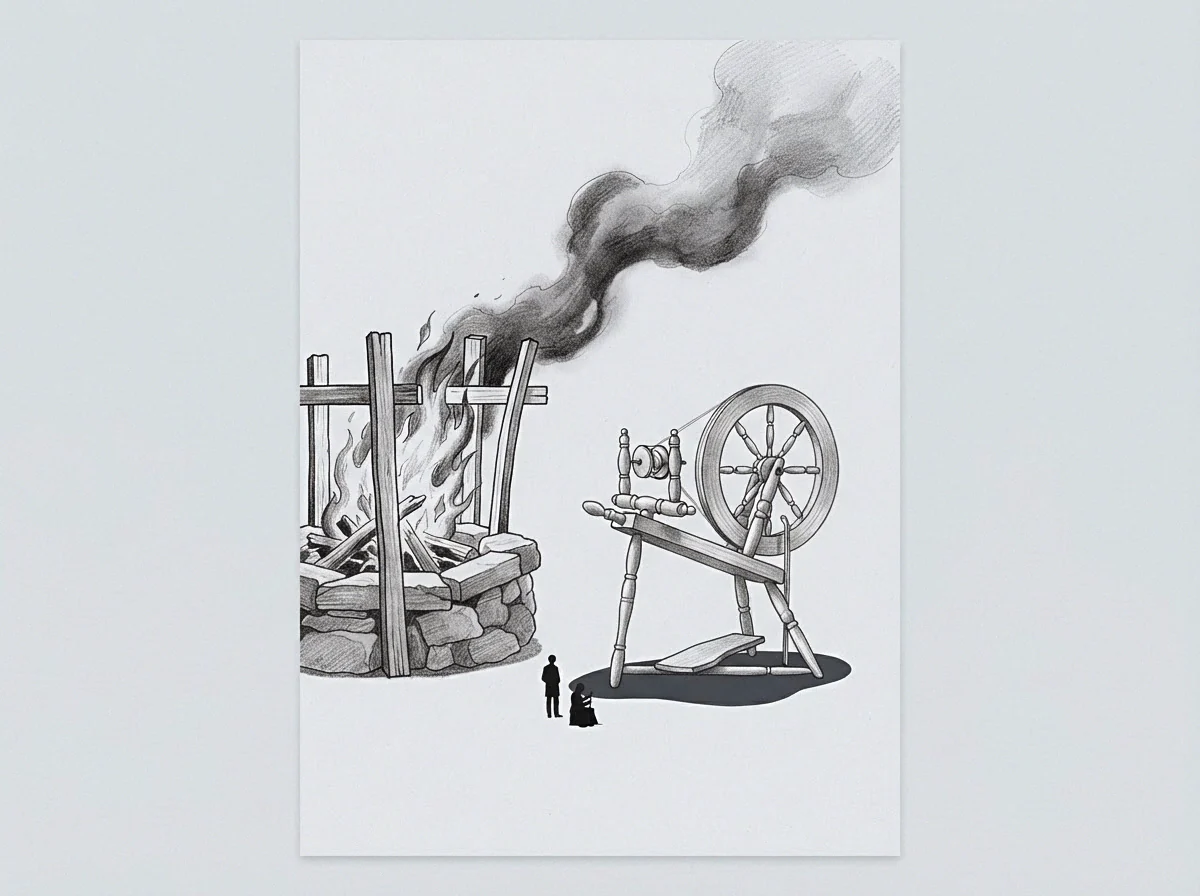
Should Supervisory Cadence Yield To Production Cycles?
Aligning managerial rhythms with technical milestones stabilizes operating teams. When administrative demands dictate every hour of the working week, production stalls. Supervisors who impose unpredictable standups, ad-hoc status checks, and shifting alignment meetings destroy technical momentum.
Supervisory cadence must establish stable, recurring boundaries that bend around the delivery requirements of complex technical assets. Team coordination functions as a service to productive output, not an autonomous requirement that displaces the work itself.
Establishing clean divisions between production and oversight follows a systematic sequence across four distinct operating phases:
- Calendar Partitioning defines concrete, unalterable blocks where notification clients remain closed and direct authoring occurs without exception.
- Office Hours Consolidation gathers ad-hoc questions, architectural reviews, and administrative approvals into fixed daily sixty-minute windows.
- Asynchronous Escalation Routing establishes written logs for technical blockers, removing the expectation of real-time verbal interruption for routine operational issues.
- Delegated Triage Authority designates a secondary operational lead to field incoming stakeholder inquiries during deep production sprints.
Asynchronous communication protocols protect this temporal division. When teams rely on verbal coordination, every participant must maintain continuous availability. Establishing structured ticketing systems, detailed design documents, and clear acceptance criteria shifts coordination from real-time interruptions to scheduled asynchronous reviews.
A contributor logs a blocker in a repository ticket rather than tapping the producer on the shoulder. The builder reviews tickets during designated administrative intervals, preserving uninterrupted blocks for technical problem-solving.
Partitioning requires public boundaries that peers respect. If leadership honors calendar holds for direct execution while colleagues violate them with direct messages, the system degrades back to constant interruption. Preserving these schedules demands strict adherence to documented guidelines, where team members learn that non-critical inquiries receive attention during designated afternoon windows.
Clear schedules establish peace of mind for the entire organization.
Production velocity scales with the length of unbroken working hours rather than the total count of minutes worked.
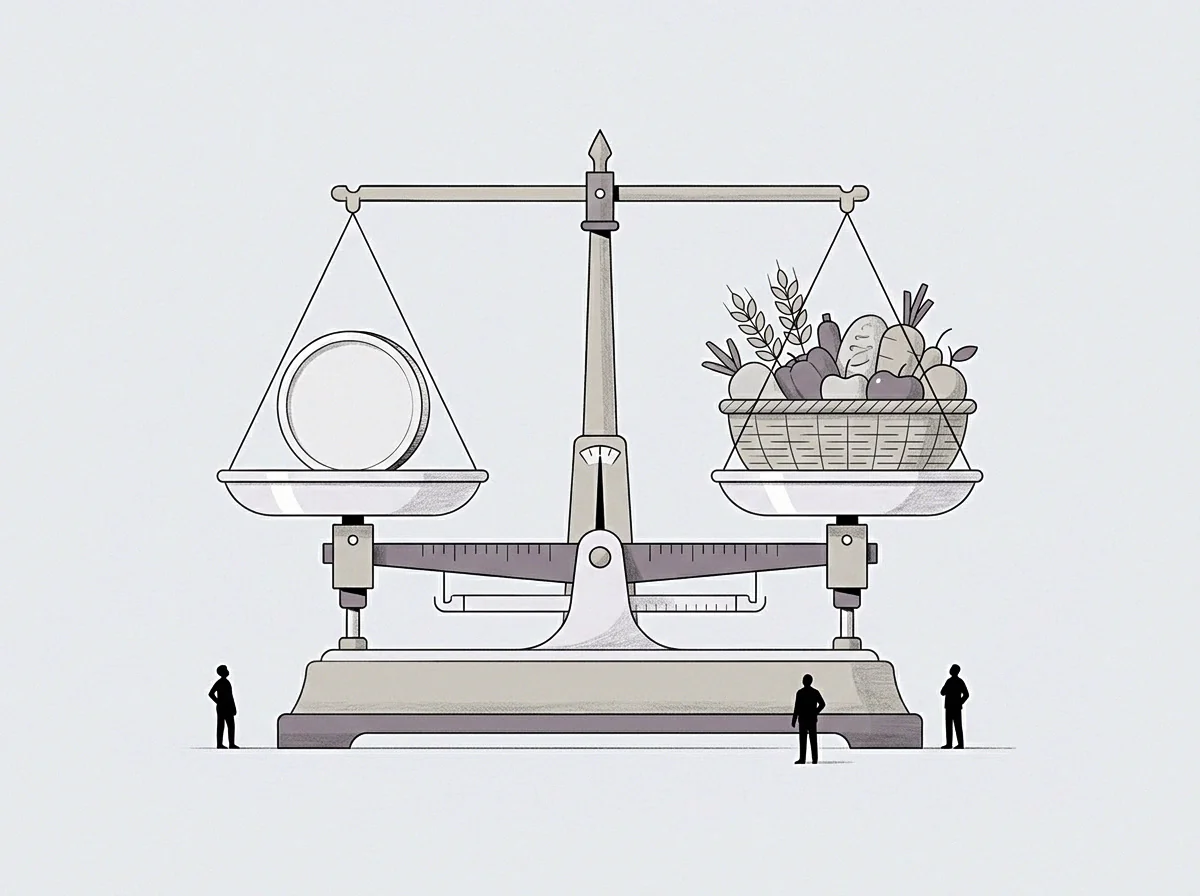
Grid
Decoupling technical production from personnel oversight requires explicit structural separation of accountability, measurement, and operational scope. The operational attributes of direct execution differ fundamentally from administrative supervision. Placing both functions on an operational grid clarifies the distinct demands of each seat, showing why attempting to blend them within an unstructured week inevitably fails.
| Operational Dimension | Technical Production Seat | Team Oversight Seat |
|---|---|---|
| Primary Deliverable | Functional code, system designs, technical assets | Unblocked contributors, predictable delivery, team cohesion |
| Operating Cadence | Multi-hour uninterrupted cognitive blocks | Fragmented, low-latency communicative intervals |
| Primary Failure Mode | System regressions, technical debt, uncommitted assets | Personnel attrition, delivery bottlenecks, misaligned priorities |
| Evaluation Standard | Execution quality, system resilience, throughput | Team velocity, clarity of direction, operational stability |
| Availability Posture | Deliberately inaccessible, asynchronous, isolated | Highly accessible, responsive, communicative |
Structural separation often leads to role bifurcation. When a technical team expands beyond critical mass, organizations establish two distinct tracks: the individual contributor track and the administrative management track. Staff engineers and technical architects concentrate entirely on complex production, high-risk migrations, and system resilience.
Engineering managers take on direct personnel reports, performance assessments, schedule coordination, and hiring pipelines. This separation frees the technical expert from administrative overhead while giving team members dedicated managerial support.
A team lead operating without explicit role boundaries absorbs administrative overhead until direct production stops entirely.
Split-role arrangements, where one individual retains half-time production and half-time oversight, remain notoriously unstable. Empirical assessments of organizational structures indicate that administrative duties expand to consume available calendar space. In a forty-hour week, twenty hours of scheduled management inevitably produces administrative spillover that destroys the focus required for the remaining twenty hours of technical execution.
The individual feels chronic fatigue from context switching. Long-term technical quality suffers as production becomes rushed.
When an operating team requires a single person to cover both functions temporarily, an explicit service level agreement must define the boundary, stating that operational coordination occupies twelve hours weekly while the remaining twenty-eight hours belong entirely to direct execution free from administrative interference.
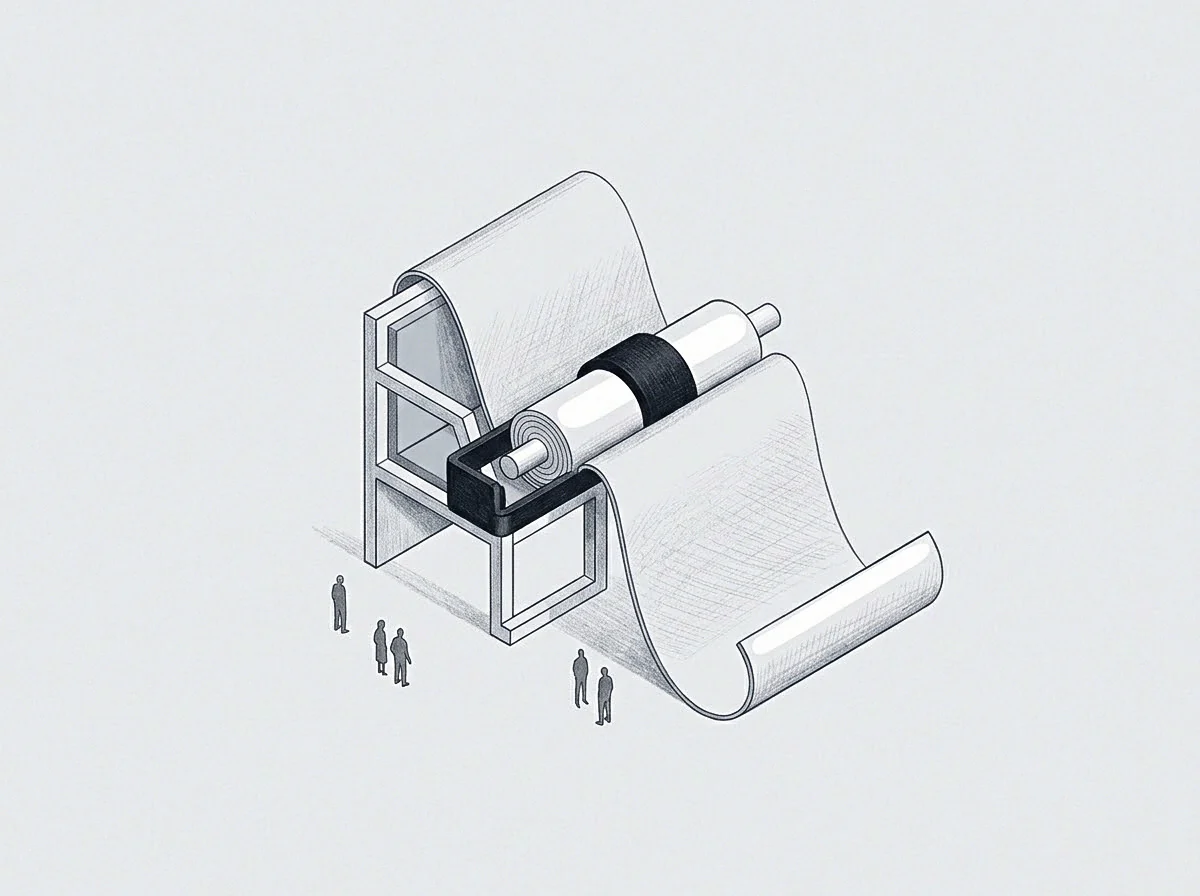
Friction
Relinquishing the supervisory seat feels unnatural for builders who built the initial foundations of an organization. Technical producers often derive personal authority from deep familiarity with codebase nuances and system quirks. Handing administrative oversight to a dedicated manager feels like introducing unnecessary hierarchy.
Yet retaining supervisory authority while disengaging from daily team rituals creates administrative gridlock. Colleagues hesitate to make choices without the technical authority present, while that authority remains preoccupied with deep execution tickets.
A founder who attempts to direct architectural implementation while supervising thirty contributors burns out rapidly. The psychological burden of dual accountability produces acute decision fatigue. Every hour spent arbitrating peer disputes reduces the cognitive capacity required to verify critical safety margins in production systems.
The individual alternates between impatience during supervisory meetings and anxiety during technical synthesis. Operational paralysis spreads across the organization as decisions stall on the founder desk.
Relinquishing direct production work without formal administrative authority leaves an operator responsible for outcomes they can no longer execute directly.
Successful handovers require explicit transfer of governance rights. When transitioning oversight to a dedicated supervisor, the technical specialist must yield administrative control, including schedule approvals, task allocations, and direct personnel coaching. Conversely, the incoming supervisor must grant the technical specialist autonomy over system design choices, code quality standards, and architectural reviews.
Attempting to maintain overlapping veto power across both domains generates continuous friction between technical leadership and administrative management.
The transition demands emotional discipline. Technical producers must tolerate implementations that diverge from their idiosyncratic habits, provided the work satisfies established architectural criteria. Supervisors must avoid treating deep technical experts as passive execution engines, ensuring that architecture informs delivery timelines.
When organizations formalize this mutual respect, technical production accelerates and personnel receive continuous, attentive oversight. Without this formal clarity, the two functions grind against each other indefinitely.
Can an organization maintain technical excellence over years if its primary architectural minds permanently surrender direct administrative authority over the engineers who build their designs?