
Resolving The Tacit Knowledge Transfer Deficit When Founders Relinquish Technical Execution Seats Permanently
Tacit knowledge deficits during founder transitions are resolved by converting mental context into explicit decision logs and revoking execution access.

Desk
An engineer opens a core microservice repository at midnight to resolve a memory leak in production. The repository contains four thousand lines of undocumented concurrency logic written by the founding technical officer two years prior. No recorded architecture records exist to explain why the implementation bypasses standard connection pooling.
An emergency message to the founder yields a forty-minute verbal explanation detailing an obscure race condition caused by an early cloud infrastructure provider’s network driver. The fix resolved the driver bug in 2022, but the provider patched the underlying infrastructure six months later. The workaround remains hardcoded in the codebase because the reasoning lived exclusively in the founder’s mind.
Execution seats dictate weekly capacity. When a technical founder sits in an active execution role, system knowledge accumulates through direct interaction with production failures, architectural compromises, and urgent performance patches. Tacit knowledge resists static documentation.
The founder understands the boundary conditions of the system through the physical history of building it. When the founder vacates the execution position permanently to take up governance or corporate management, that contextual awareness does not automatically transfer to incoming engineering leadership.
System documentation captures static outcomes while the reasoning behind edge case trade-offs remains tied to the execution history of the builder.
Engineering organisations frequently mistake written code and deployment scripts for complete technical transfer. Code shows what exists, but not what was attempted and abandoned, nor the external commercial pressures that forced a specific performance compromise. When a founder leaves the execution station without extracting this context, incoming engineers either re-implement failed patterns or preserve obsolete workarounds out of caution.
Leaving a technical seat empty of historical context forces the succeeding team to operate with artificial system constraints. The organization pays for the missing knowledge through delayed incident response times, bloated maintenance cycles, and repeated technical discovery phases that consume engineering capacity without advancing software capability.

Debt
The accumulation of uncodified system context functions as structural technical debt. Unlike traditional code debt, which registers as low test coverage or deprecated dependencies, tacit knowledge debt manifests as operational friction during role transitions. Systems degrade under undocumented assumptions.
A technical founder holds a mental map of system fragilities that governs how they deploy code, run database migrations, and handle traffic spikes. This intuition creates a false impression of stability within the engineering team.
Decomposing the founder seat into explicit operational domains exposes where tacit knowledge accumulates during early development phases. A clean transition isolates these domains before the founder steps out of daily repository commits.
- Systemic Compromise History Context explaining why specific sub-optimal implementations were chosen over clean theoretical patterns during early growth constraints.
- Unwritten Stress Thresholds Intuitive knowledge regarding how underlying services behave when operating near resource saturation points.
- Implicit Dependency Maps Mental models detailing non-obvious coupling between legacy subsystems that lack automated contract testing.
- Historical Vendor Workarounds Code paths constructed to mitigate third-party API quirks that remain undocumented in external technical specifications.
A technical founder stepping out of execution often assumes that hiring an experienced principal engineer solves the context gap. The senior hire brings domain expertise and industry standards, yet lacks the specific historical narrative that explains system anomalies. Without a structured mechanism to extract historical trade-offs, the incoming engineer encounters unexpected failure modes when refactoring legacy modules.
Relinquishing an execution position without converting historical context into explicit operational guardrails converts founder capacity into continuous external support.
Assume an engineering department of twelve developers operating a platform that processes millions of daily transactions. The founder spent three years making real-time adjustments to database indexes during peak traffic hours without logging the queries. The new engineering director attempts to standardise deployment windows to business hours, triggering database lockups during the subsequent morning load spike.
The team turns to the founder to resolve the outage, pulling them back into execution seats they formally vacated three months prior.
The team cannot proceed with infrastructure refactoring because every architectural modification requires explicit confirmation that an unknown historical edge case will not detonate in production.

Shift
Transferring implicit knowledge requires changing how information moves through an engineering organisation during a transition. Relying on casual conversations or post-incident debriefs leaves critical system architecture undocumented. The transition demands a procedural protocol that extracts technical intuition before the founder relinquishes access to execution infrastructure.
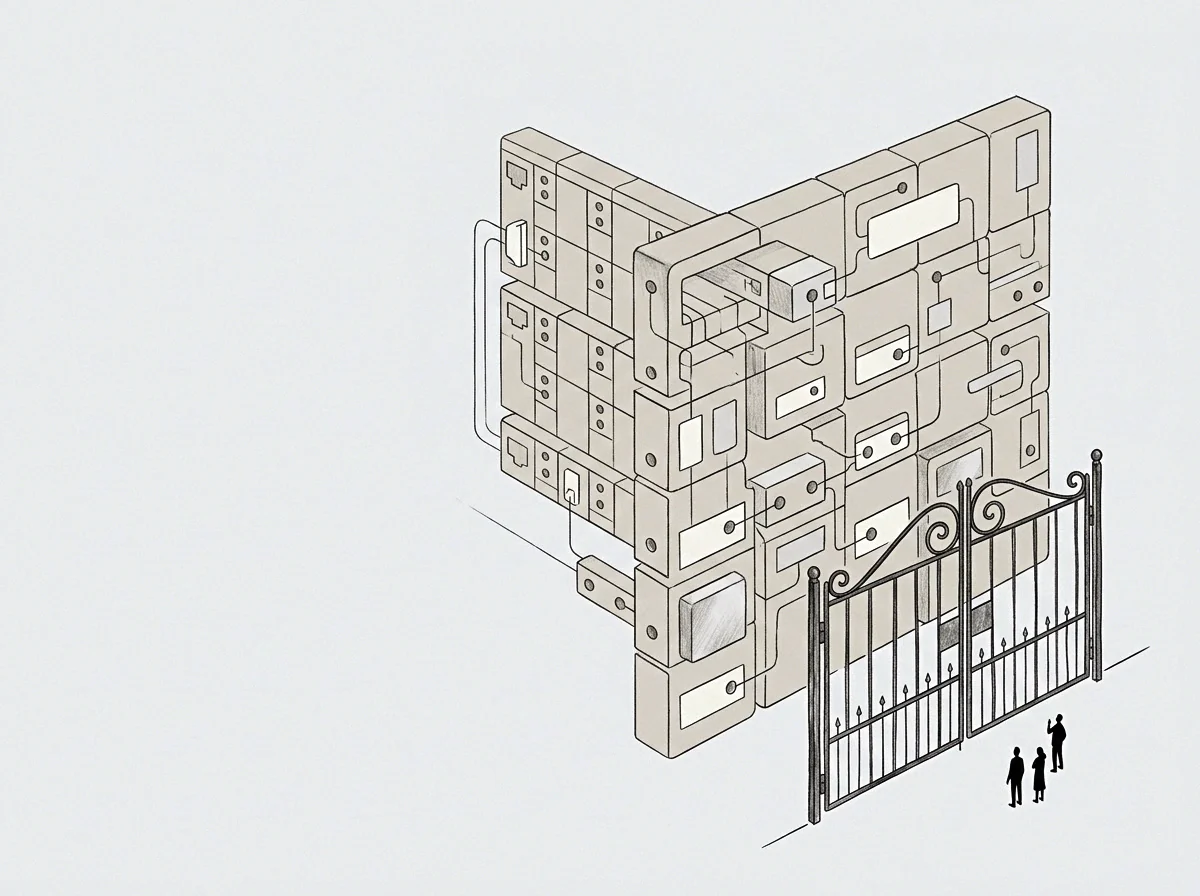
Which Procedural Friction Forces Implicit Context To Surface?
Architecture decisions reflect constraints. Forcing incoming engineers to draft decision records while the founder acts as an auditor creates operational friction that exposes implicit knowledge. When the founder writes code, decisions occur instantly inside a single mind.
When an incoming engineer drafts an architectural change proposal, the founder must review the text and identify missing historical context. The founder does not write the specification; the founder identifies the gaps in the proposal created by the successor.
The extraction process operates through a reverse-shadowing sequence designed to shift system governance without creating operational downtime.
- The incoming technical lead assumes primary on-call rotation while the founder observes incident resolution without intervening directly.
- Architectural review gates shift from founder approval to mandatory written decision logs generated by the engineering staff.
- The founder enters a passive observation phase limited to ten hours per week, reserved exclusively for structural edge-case analysis.
- Production access for execution credentials expires permanently, forcing all emergency interventions through standard engineering pipelines.
Paired diagnostic sessions accelerate context retrieval during active system failures. During a live incident, the founder refrains from touching the console, verbalising system behavior patterns while the replacement engineer executes commands. This restriction transforms fast, intuitive actions into explicit diagnostic steps.
The incoming engineer develops the diagnostic mental model required to run the environment independently.
The transition contract specifies that execution access rights terminate on a fixed date, after which system interventions by the founder require formal written approval from the new engineering director.
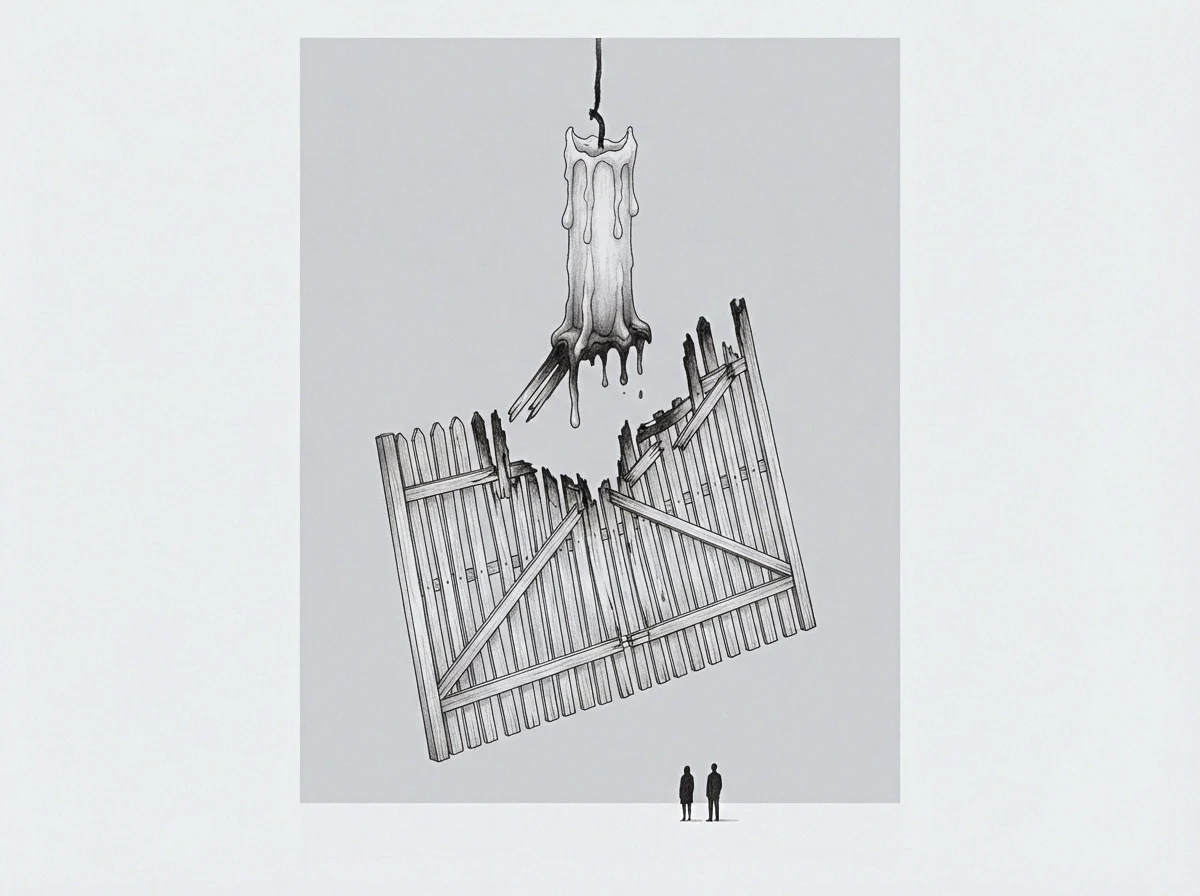
Load
Different knowledge extraction mechanisms place varying demands on founder time and organizational resources. Selecting an appropriate transfer method requires balancing the latency of context retrieval against the cognitive burden placed on the outgoing technical lead.
Evaluating knowledge transfer mechanisms on explicit operational criteria ensures the organization selects an approach matched to its technical risk profile.
| Transfer Mechanism | Diagnostic Latency | Founder Cognitive Load | Knowledge Retention Fidelity | Operational Risk |
|---|---|---|---|---|
| Structured Architecture Logs | Low | Medium | High | Low |
| Paired Shadowing Cycles | Medium | High | High | Medium |
| Controlled Incident Simulations | High | Medium | Medium | High |
| Post-Facto Code Commenting | Low | Low | Low | High |
Structured architecture decision records yield high retention fidelity over long operational horizons. While paired shadowing extracts real-time intuition efficiently, it demands significant founder attention during the active phase of the transition. Post-facto code commenting appears efficient but consistently fails to surface historical vendor constraints or discarded architectural alternatives.
System context transfers effectively when knowledge extraction occurs during active system modifications rather than through abstract documentation drives.

Hold
Establishing permanent separation between the founder and the technical execution seat requires defending operational boundaries after the formal transition completes. When software outages occur, engineering teams default to seeking founder assistance rather than navigating existing documentation or diagnosing root causes independently. The founder’s willingness to answer off-hours technical questions destroys the incentive for the team to build operational autonomy.
Direct communication channels between the founder and software deployment pipelines must close permanently. If the founder retains access to repository administration, deployment keys, or database clusters, the organisation continues to rely on founder intervention during critical failures. Removing technical authorization forces the engineering department to trust its internal escalation paths and documented procedures.
An empty execution seat fills with operational noise whenever direct communication bypasses designated management channels.
Role strain emerges when a founder attempts to evaluate technical strategy while continuing to perform emergency bug fixes. The founder seat governs corporate governance, capital allocation, and organizational scaling. The technical execution seat governs code syntax, infrastructure efficiency, and deployment cadence.
Mixing the responsibilities of these positions compromises performance across both domains.
Whether an engineering team can maintain system reliability without relying on the founder’s implicit historical context remains clear only after the founder refuses to answer the first critical production outage message.