
Transitioning Tactical Engineering Capacity Into Structured Strategic Governance Time Blocks
Transitioning engineering capacity into governance time blocks requires temporal firewalls that separate tactical execution from long-term steering.
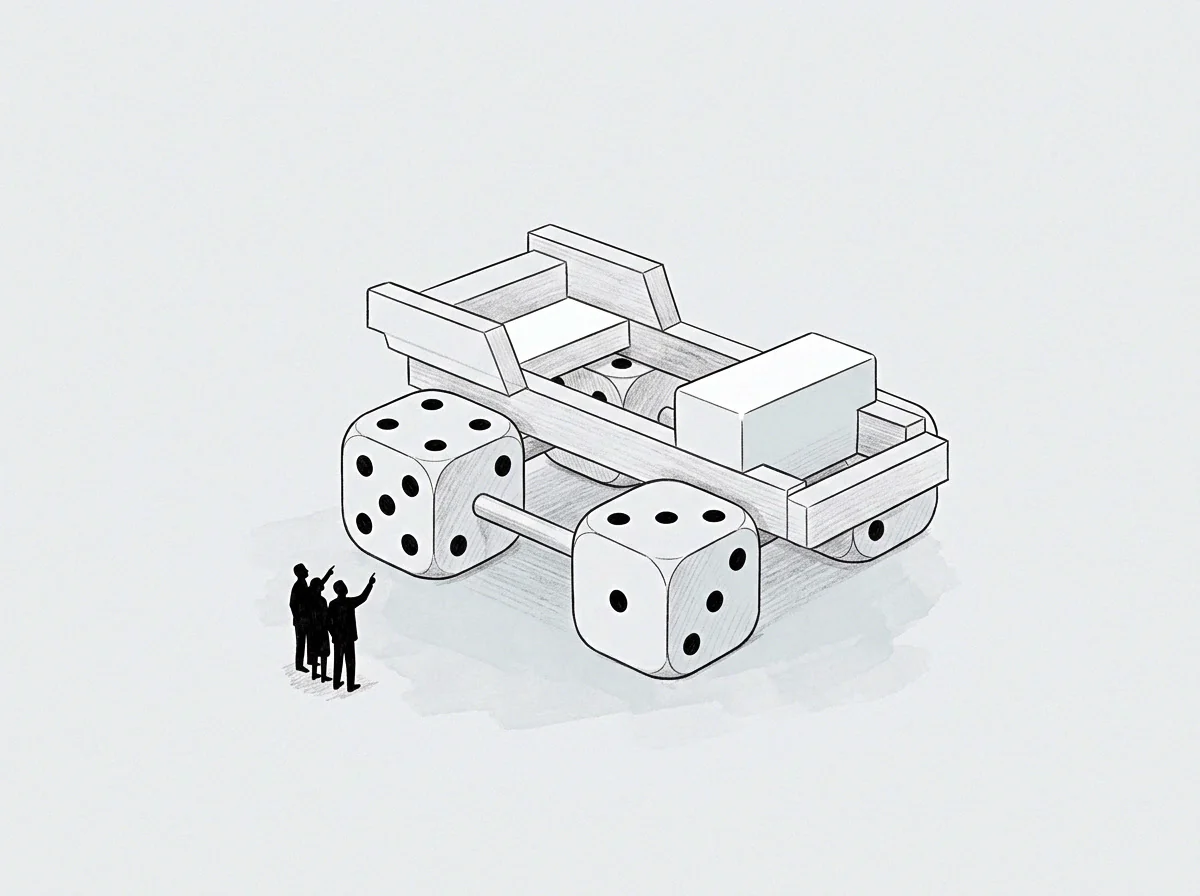
Bench
Terminal windows remain docked beside quarterly capital projections at midnight. An executive responsible for company survival spends four hours debugging a broken build pipeline while the compensation review for senior staff remains untouched in an adjacent tab. Direct technical labor offers immediate dopamine, deterministic feedback, and unambiguous completion markers.
Strategic oversight yields delayed signals, political ambiguity, and indirect attribution. Under operational pressure, the person occupying both technical contributor and executive seats retreats to the code repository because the editor screen behaves predictably.
The pull toward implementation work functions as an avoidance response disguised as duty. When architectural disputes, hiring pipelines, and capital allocation stall, writing unit tests creates the temporary sensation of momentum. That momentum is private.
The organization starves for capital orchestration, structural accountability, and interface standards between teams while its highest-paid officer verifies database indices.
Technical capacity reverts to direct contribution whenever governance responsibilities lack explicit deliverables and immediate evaluative feedback.
Every hour spent diagnosing an application exception inside production infrastructure reduces executive peripheral vision. The technician seat operates inside a closed loop where code compiles or throws errors. The governance seat operates across open loops involving sovereign counterparties, equity partners, and resource competitions.
The cognitive switching toll between these surfaces degrades performance in both domains. Attention remains fractured across incompatible operational horizons.

The Operational Reflex
Technical leaders frequently conflate architecture with implementation. An architecture document defines system boundaries, contractual interfaces, and data ownership between business units. Implementation writes the class definitions and resolves syntax failures.
A leader who cannot separate these duties produces technical bottlenecks by retaining merge rights on critical repositories.
Engineers wait days for pull request approvals from a founder who sits in commercial partner meetings. Development velocity decelerates because the person setting strategy insists on approving variable naming conventions. Work ground to a halt across two sprint cycles in an observed fifty-person infrastructure firm because the technical executive retained sole administrative credentials for production database migrations.
The team could not ship without their signature.
Engineering teams learn helplessness when executive capacity routinely overrides local technical decisions. Junior staff stop debugging difficult failures because they know the founder will rewrite the service during the weekend. The executive seat pays for this dynamic through compounding exhaustion and chronic calendar fragmentation.
Tactical engineering crowds out governance until a cash crisis, a departed key lead, or an unaddressed legal dispute forces an emergency intervention.

Partition
Separating executive steering from tactical execution demands rigid temporal firewalls rather than willpower. Calendar blocking fails when the blocks represent vague aspirations like strategy or deep work. Governance time blocks operate effectively only when treated as binding board meetings with strict agendas, inputs, and concrete artifacts.
An unstructured four-hour block labeled strategic thinking invariably dissolves into checking chat channels, reviewing code merges, and answering operational tickets.
Systematic segregation of executive responsibilities requires distinct operating windows across the working week. The schedule must partition days into dedicated functional allocations rather than interleaving advisory discussions between coding sprints. Human cognitive architecture cannot reconcile compiler diagnostics with organizational design inside thirty-minute increments.
A governance window forfeits its structural integrity the moment ad hoc operational escalations gain admission.
Clear physical separations reinforce temporal boundaries. Operating from a different room, closing development environments, and disabling communication platforms dedicated to technical troubleshooting protects the governance focus. The person in the steering seat leaves the compiler behind to examine balance sheets, review headcounts, and inspect vendor contracts.

Calendar Allocations Across Working Horizons
Executive governance divides into three operational cadences: capital stewardship, organizational architecture, and strategic partner negotiations. Tactical engineering belongs to scheduled maintenance windows or vanishes entirely.
- Capital steering blocks isolate four uninterrupted morning hours weekly for cash burn modeling, equity cap table maintenance, and investor reporting materials.
- Organizational design sessions assemble bi-weekly to audit team spans of control, unblock hiring pipelines, and establish formal promotion criteria across engineering tiers.
- Interface specification reviews dedicate three hours monthly to arbitrate architectural disputes between independent technical squads without touching application logic.
Adherence to these time allocations measures an executive’s structural discipline. A calendar littered with fragmented thirty-minute open slots between developer check-ins guarantees that governance decisions happen hastily in late-night sessions. Fatigue replaces deliberation.
The organization drifts because nobody steering the vehicle looks beyond the immediate asphalt.
Protecting the partition produces initial operational friction. Teams accustomed to on-demand technical escalations experience delays while learning to resolve system outages independently. The executive experiences withdrawal from the tangible satisfaction of closed pull requests.
Progress during governance windows arrives as marked-up vendor terms, adjusted equity pools, and resolved managerial bottlenecks rather than deployed software modules.
Governance blocks defend against calendar encroachment through a simple operational baseline: treat every strategic session as an external regulatory audit where failure to produce documentation carries substantial financial penalties.
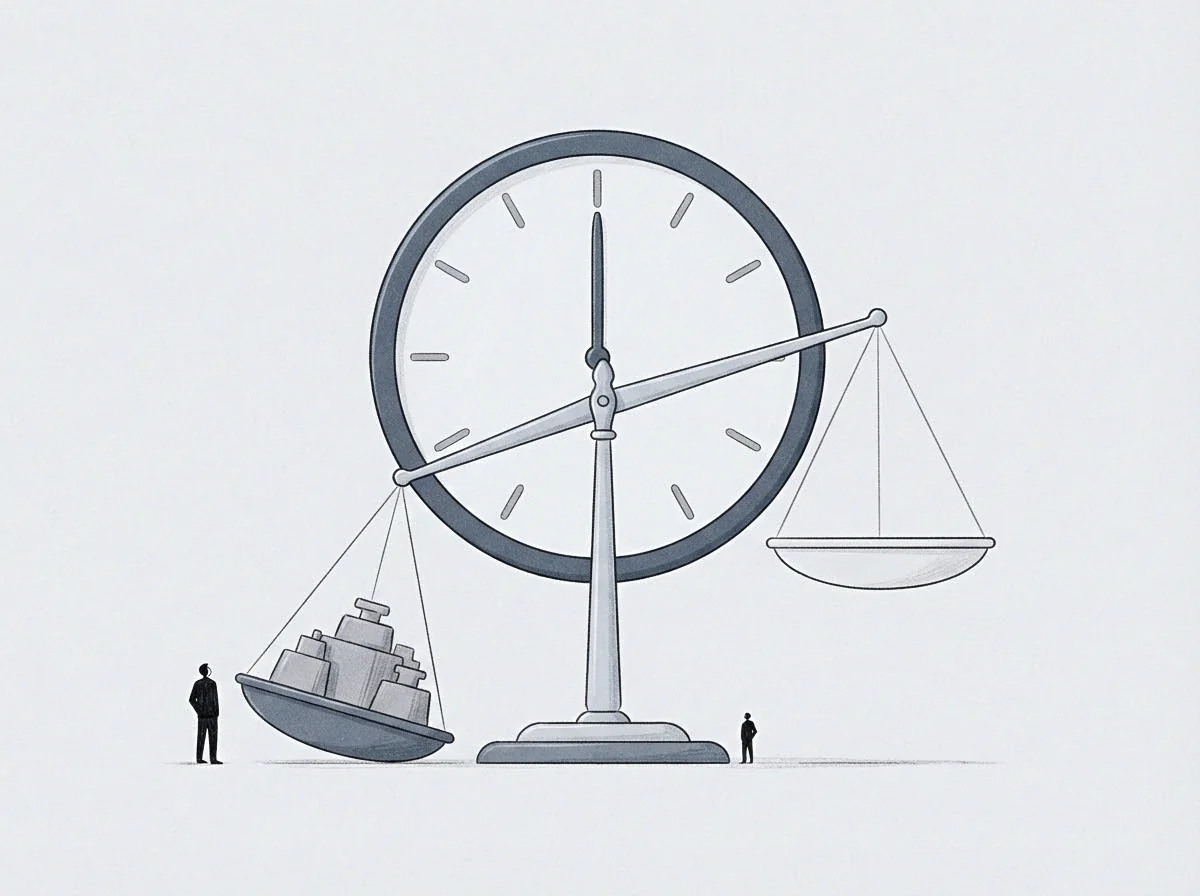
Registry
Distinguishing tactical execution from strategic governance necessitates an objective taxonomy of duties. Ambiguity regarding what constitutes steering enables technical contributors to self-justify spending half their working hours on routine feature delivery. The executive convinces themselves that rewriting a client microservice represents high-level systems design.
It represents tactical escape.
Evaluating duties against structural criteria clarifies role boundaries. Strategic governance deals with irreversibility, capital commitments, and interface definitions between humans and systems. Tactical engineering deals with immediate implementation choices, code syntax, and localized operational throughput.
| Evaluation Dimension | Tactical Engineering Capacity | Strategic Governance Time Block |
|---|---|---|
| Temporal Horizon | Current sprint or daily deployment cycle | Two to eight fiscal quarters ahead |
| Primary Artifact | Compiled source code, pull requests, bug fixes | Capital allocations, policy charters, executive scorecards |
| Feedback Latency | Seconds to hours through automated test suites | Months to quarters through market and organizational metrics |
| Reversibility | High; changes revert via version control systems | Low; equity grants and vendor contracts bind balance sheets |
| Delegation Viability | Fully delegable to staff engineers and tech leads | Non-delegable; rests exclusively with executive officers |
| Operational Focus | How the technical mechanism functions directly | Who owns the subsystem and what metrics define its boundaries |
The comparative taxonomy demonstrates the divergent risk profiles of each operational mode. Tactical mistakes damage immediate service availability, which teams can remedy with patches and rolling restarts. Strategic governance failures bankrupt corporate treasuries, trap businesses in predatory vendor agreements, or lock equity structures into unworkable distributions.
The severity difference explains why governance commands dedicated, unfragmented temporal reservations.

Structural Triage Criteria
Deciding whether an engineering issue warrants executive intervention involves explicit diagnostic thresholds. Unfiltered technical escalation destroys calendar governance by dragging strategic officers back into the debugging weeds.
- The technical lead verifies that system degradation threatens core contractual performance guarantees with tier-one clients.
- Financial exposure from the architectural failure exceeds twenty-five percent of quarterly operating cash flow.
- Cross-departmental teams reach an irreconcilable deadlock regarding domain boundaries that impedes overall product roadmap delivery.
Direct intervention remains restricted to systemic failures meeting these explicit parameters. When an issue falls beneath these boundaries, the executive directs the engineering management layer to resolve the situation internally. Depriving mid-level engineers of diagnostic ownership stunts operational resilience.
Organizational role theory demonstrates that role ambiguity compounds when individuals occupy multiple functional positions without clear operational boundaries. Role conflict emerges when expectations for the technician role contradict the requirements of the executive governance role. This operational tension was measured in classic mid-century manufacturing studies, which identified severe productivity degradation when supervisors split attention between machinery maintenance and strategic resource scheduling.
The structural friction remains identical in software firms. The medium shifts from physical assembly lines to digital repositories, but human cognitive limits remain immutable.
An executive who signs a contract retaining personal architectural veto power over every system pull request permanently converts high-level governance into a operational bottleneck.
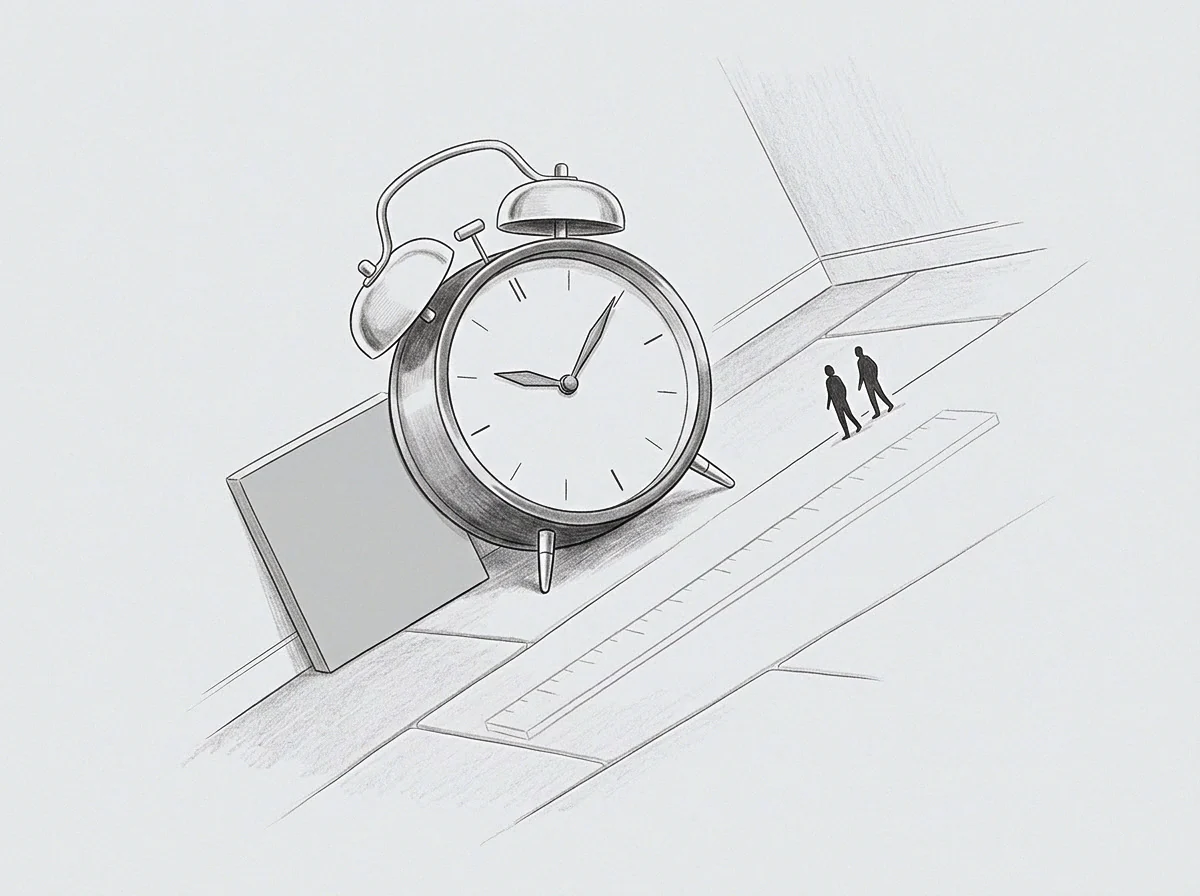
Lever
Transitioning out of routine implementation requires establishing systemic steering levers. These levers replace direct technical labor with structural governance mechanisms. Instead of writing code, the executive designs the incentive models, verification gates, and reporting cadences that steer development teams toward company objectives.
Governance operates through clear operational baselines and architectural constraints rather than personal supervision. The executive sets parameters for reliability, latency, security compliance, and infrastructure costs. Engineering teams retain total tactical autonomy over how to meet those specifications.
This separation decouples business oversight from personal technical output.
Executive leverage increases in direct proportion to the distance placed between the steering officer and daily commit logs.
Direct oversight collapses when organizations exceed a single development team. An executive attempting to maintain visibility across fifty engineers by auditing pull requests experiences severe cognitive overload. Systemic levers scale linearly with corporate headcount because they evaluate aggregated operational indicators rather than individual line changes.

Is Technical Steering Divisible From Implementation?
Practitioners frequently argue that an engineering leader loses authority and technical acumen once they abandon routine coding. This critique carries weight in specialized deep-technology sectors where architectural nuances dictate commercial viability. The claim rests on the premise that architectural judgment decays without constant direct interaction with modern software libraries and toolchains.
Executive technical steering focuses on boundary conditions, interface protocols, and system reliability rather than syntax proficiency. Civil engineers managing metropolitan infrastructure do not personally pour concrete on bridge footings. They evaluate load calculations, material certifications, and structural failure tolerances.
High-level technical steering evaluates system throughput, failure cascades, and maintenance expenditures over five-year lifecycles. These dimensions remain completely divisible from daily pull requests.
A leader who stops daily implementation faces initial cognitive disorientation. They must learn to extract organizational health from deployment frequencies, error budgets, customer defect reports, and team attrition figures. These aggregate signals reveal systemic dysfunctions that remain invisible to a technician buried inside a specific code file.
A brief excursion into heavy maritime shipping illustrates this division of command. The captain of an ocean vessel does not adjust fuel injectors in the engine room while navigating shallow commercial shipping lanes. The engine room operates under its own mechanical leadership with dedicated performance gauges.
The bridge monitors course headings, nautical charts, environmental hazards, and cargo weight distributions. Abandoning the bridge to troubleshoot a diesel generator guarantees that the vessel runs aground during tide shifts.
The team can handle this deployment without executive oversight if the interface contracts are clear.
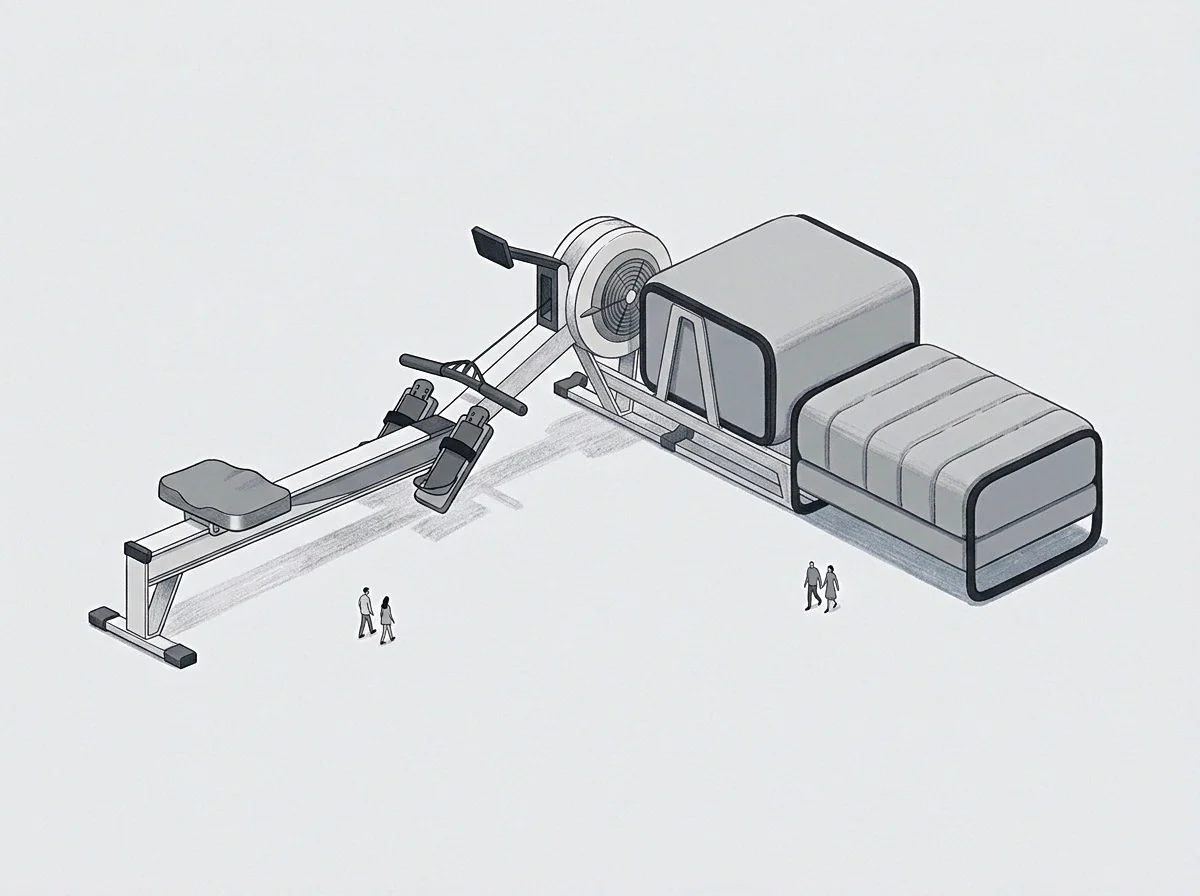
Toll
Relinquishing tactical engineering capacity exacts a tangible personal and organizational price. The leader surrendered their identity as the ultimate technical problem solver inside the building. Praise from peers shifts from admiring elegant code solutions to evaluating bureaucratic governance documents, balance sheet resilience, and managerial retention.
The immediate gratification of the terminal screen vanishes.
The organization pays an upfront toll during this role migration. Velocity metrics often dip across the initial two quarters as the engineering team adjusts to the removal of their executive safety net. Bugs that the founder previously patched in middle-of-the-night sessions remain open until local teams diagnose and resolve them during regular sprints.
This friction is necessary for institutional maturity.
A founder who attempts to insulate their engineering organization from operational struggle prevents the emergence of secondary leadership. When technical crises occur, step back. Allow the team to manage the production incident, author the post-mortem analysis, and implement preventative measures.
Intervening out of personal anxiety resets the organizational learning curve to zero.

The Latent Operational Vacuum
A subtle hazard accompanying this transition is the creation of an operational vacuum. When an executive steps out of the tactical engineering seat without establishing formalized governance structures, they inhabit a structural void. They no longer write code, but they also fail to execute systematic capital planning, risk audits, or talent orchestration.
They wander between ad hoc meetings, offering unsolicited operational advice that irritates staff engineers.
The time recaptured from tactical implementation must immediately funnel into rigorous governance blocks. If an executive liberates twenty hours weekly by shedding technical duties, those twenty hours require predetermined governance assignments before the transition occurs. Unallocated calendar space will automatically regress toward tactical meddling.
Empirical evidence concerning leadership transitions in high-growth technology enterprises remains divided on the exact threshold where technical executives must abandon code commits entirely. Observational studies tracking software startups suggest operational degradation occurs rapidly when technical founders commit code past the thirty-person organizational headcount. However, these datasets rely heavily on venture-backed software models in high-growth North American markets.
Firms building deep industrial hardware or low-level cryptographic protocols may require executive technical intervention at higher organizational scales. When operating under this empirical uncertainty, leaders must continuously audit whether their direct implementation activity accelerates delivery or creates a critical path bottleneck.
The fundamental structural question remains whether an executive who permanently retires from technical contribution can maintain sufficient diagnostic perception to govern long-term technology roadmaps effectively, or whether prolonged strategic abstraction eventually blinds them to emerging architectural disruptions.