
Transitioning Unwritten Operational Workflows During Business Acquisition Handover
Unwritten operational workflows transfer successfully during business acquisition when buyers convert tacit operator routines into explicit role descriptions.

Vault
An outgoing business owner sits at an office desk at midnight answering vendor emails manually because specific discount rules reside exclusively in personal memory. Standard purchase orders move through financial accounting systems cleanly, yet every non-standard order demands personal intervention from the individual who built the company. Operating capacity drops quickly.
Acquisition transactions often collapse operational velocity when buyers discover that core operational knowledge was never transcribed into written instructions.
During equity transitions, incoming operators assume that documented standard operating procedures reflect daily operational realities. Tacit routines hold value. In mid-market acquisitions, up to eighty percent of operational problem-solving exists as unwritten mental models shared among long-tenured employees.
These unspoken habits govern vendor negotiation leverage, internal task prioritizing, credit allowance thresholds, and client escalation pathways. When key personnel depart following acquisition closing, those unwritten execution patterns vanish instantly.

Shadow Routines in Owner Operated Assets
Small enterprise transactions frequently reveal that critical daily operations depend on unwritten habits held by key founders. Informal agreements carry risk. A departing founder manages inventory replenishment through visual inspection rather than software reorder triggers, adjusting lead times based on personal familiarity with supplier plant operations.
Incoming management teams observe smooth inventory turns during financial due diligence without recognizing the invisible manual oversight driving those metrics.
When operational routines remain unwritten during business acquisition handover, key customer retention drops as soon as tacit exception handling stops.
The structural vulnerability surfaces during the initial ninety days post closing when new operators attempt to run business processes using existing training manuals. Discrepancies between written policy and actual execution create operational bottlenecks, customer friction, and margin erosion. The acquisition contract covers the intellectual property, yet daily execution depends on personal relationships that were never recorded in writing.

Extraction
Surfacing unspoken operational knowledge demands structured observational protocols rather than passive post-closing interviews. Departing owners rarely intentionally conceal operational secrets; rather, long-standing expertise makes daily execution feel automatic to the practitioner. Workflows collapse without structure.
Capturing tacit knowledge demands active shadowing while the business operates under normal commercial volume.
Buyers who rely solely on seller-provided questionnaires miss critical operational dependencies. Shadow operations inflate cost. Effective knowledge capturing occurs when external analysts record real-time task completion, documenting non-standard inputs, software workarounds, and personal communication networks.
This mapping process transforms unwritten operational routines into explicit procedural data.
Mapping Shadow Workflows Before Legal Transfer
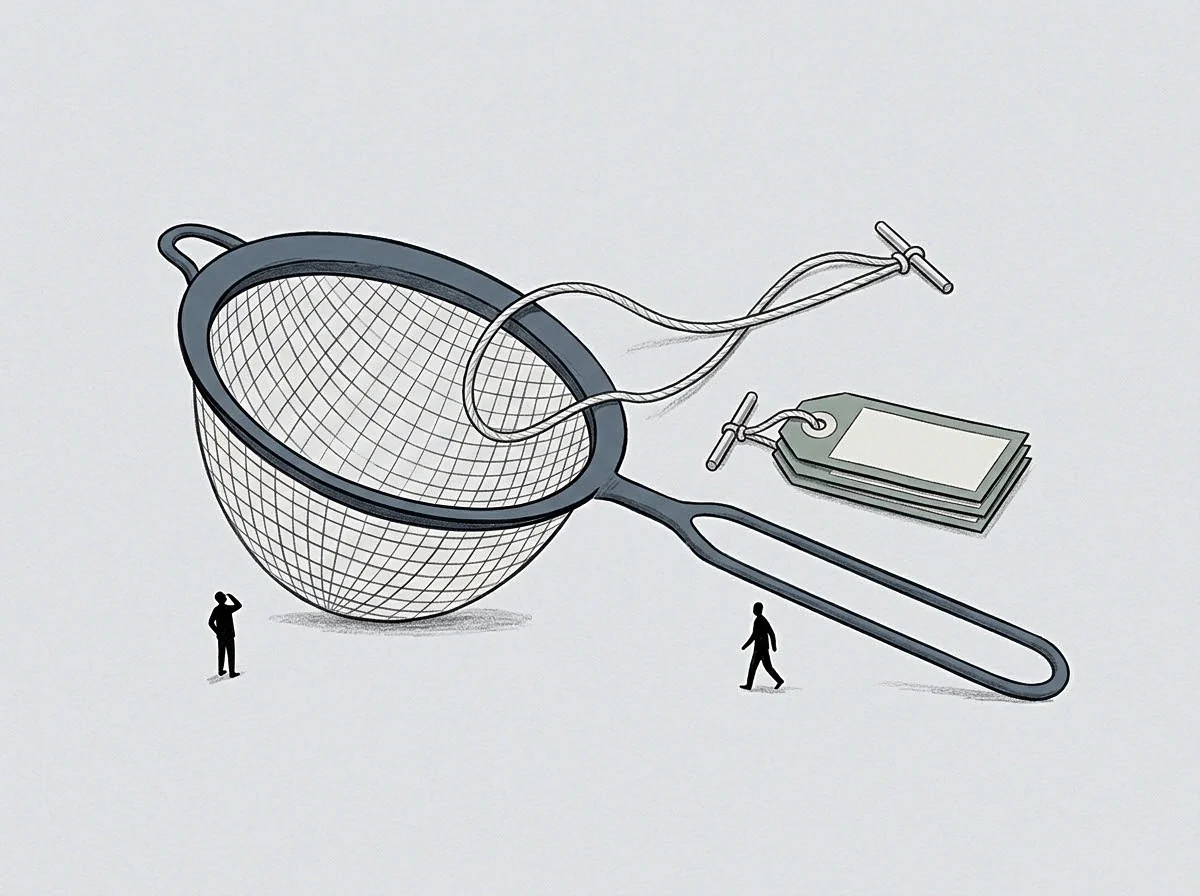
Operational audits during transaction due diligence move past high-level organizational charts into direct task recording. Analysts observe individual workstation execution, noting where system prompts get overridden by personal judgment. Hidden routines drain capacity.
Identifying informal routines before contract signing allows acquirers to negotiate transitional service agreements grounded in actual operational workload.
- Informal Vendor Adjustments represent supplier pricing concessions negotiated verbally without updating master enterprise resource planning database entries.
- Manual Reconciliation Workarounds offset software billing errors through periodic unrecorded spreadsheet overrides executed by senior bookkeeping staff.
- Undocumented Exception Handling resolves client delivery delays through direct personal outreach to regional logistics dispatchers outside formal reporting channels.
- Direct Key Account Escalations bypass customer support ticketing queues entirely by routing high-value client issues directly to founder personal phones.
Identifying Unstated Dependencies Across Key Roles
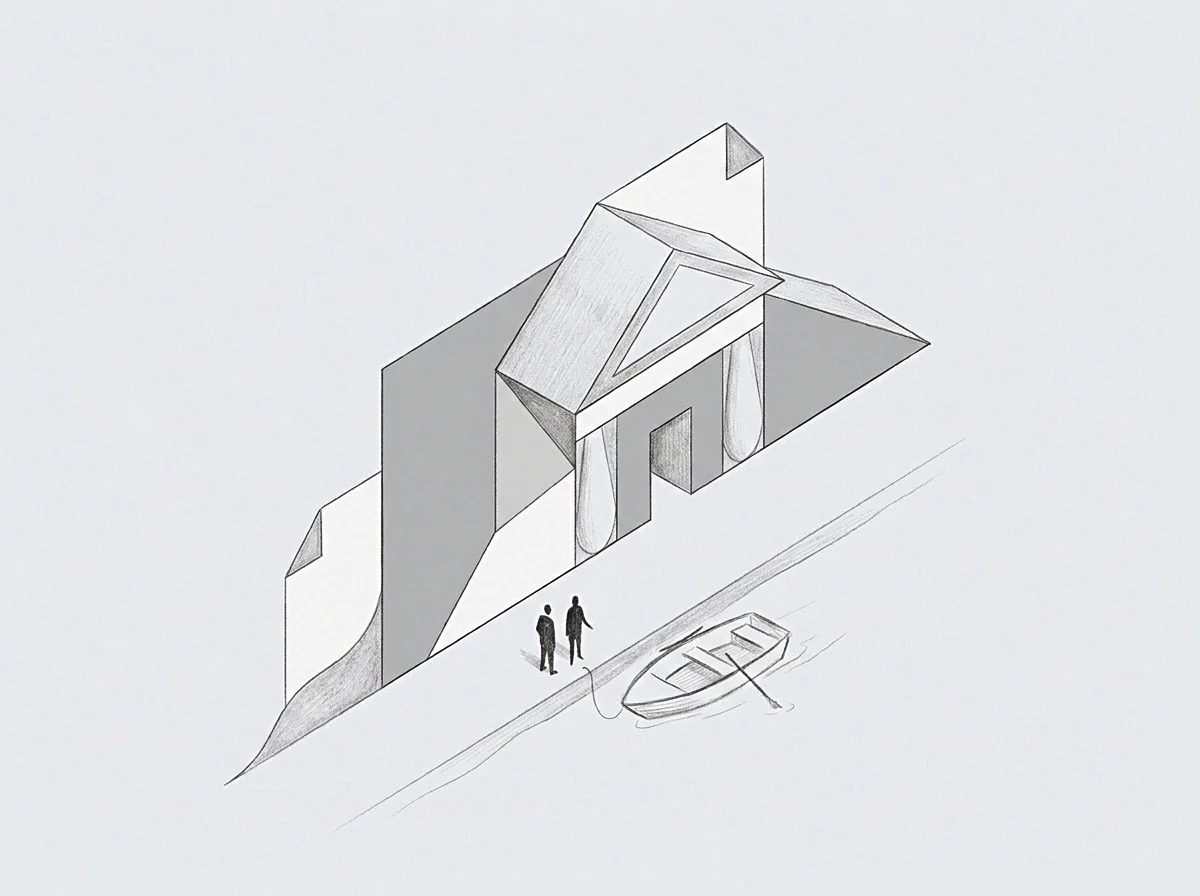
Position titles inside growing companies routinely obscure the individual responsibilities held by veteran technicians. A general manager often performs localized software script modifications, raw material purchasing calculations, and key client retention calls simultaneously. Disentangling those responsibilities ensures that incoming managers understand which skills require immediate replacement hiring.
An unstated operational boundary shifts hidden work to incoming managers while inflating short-term payroll costs.
Evaluating operational dependencies includes analyzing communication frequency across internal channels and external partners. When business continuity hinges on undocumented interpersonal agreements, buyer equity value remains fragile until formal agreements replace informal goodwill. Operational routines documentation accurately maps baseline execution when recorded during active workflow execution rather than post hoc memory.

Conversion
Transforming unwritten execution patterns into formal standard operating procedures demands systematic codification across operational seats. When acquired companies shift ownership, tacit operational knowledge gets translated into explicit instructions that replacement personnel execute without founder consultation. Unwritten processes risk continuity.
The transition phase shifts personal expertise into repeatable corporate assets.
The conversion process begins by separating routine daily tasks from periodic exception management. Routine operations yield easily to written checklists and video walkthroughs, whereas exception management defines decision boundaries, threshold approvals, and escalation logic. Documenting these parameters protects operating margins during management handoffs.

Which Operational Signals Surface Hidden Workflows First?
Spikes in customer support escalation indicators point directly toward undocumented process failures. When incoming staff cannot locate explicit instructions for processing custom returns or applying bulk discounts, ticket backlogs grow rapidly. Key vendors expect stability.
Monitoring operational cycle times during the initial month of transition reveals where unwritten habits previously streamlined bottlenecked operations.
Financial ledger variances also signal unstated execution patterns. Unexplained inventory adjustments, recurring manual journal entries, and frequent vendor invoice revisions indicate underlying shadow workflows. System exceptions demand documentation.
Auditing these accounting anomalies exposes tacit routines that demand immediate formalization.
- Observe daily operational execution without operator intervention for ten consecutive business days.
- Record every external communication trigger requiring personal judgment or direct authorization.
- Map individual recurring tasks to formal role descriptions before drafting operating manuals.
- Simulate isolated system outages to identify undocumented manual workarounds.

Formalizing Procedural Knowledge Into Stated Scope
Codification initiatives succeed when operational tasks get translated into standardized training assets with clear performance boundaries. Writing static policy manuals often produces unread documentation that fails to support daily execution. Operating seats need definition.
Knowledge capture utilizes screen recordings, structured decision trees, and interactive checklists embedded directly within enterprise software interfaces.
Operational documentation captures static procedures while shadow execution preserves adaptive capacity during transition.
Role scope definitions state exact authority boundaries for incoming team members. Explicit scope statements specify monetary authorization limits, client concession caps, and vendor contracting parameters. Establishing these clear operational boundaries prevents post-acquisition role confusion and ensures predictable business performance.
A transition covenant specifying milestone-based workflow documentation converts unwritten operational habits into transferable institutional procedures.

Comparison
Acquirers deploy distinct operational transition strategies depending on transaction scale, organizational complexity, and founder availability. Retaining a departing founder under a temporary consulting contract provides immediate operational stability but carries the risk of delaying complete knowledge transfer. Formal terms stabilize handover.
Evaluating transition models demands analyzing how quickly unwritten workflows get absorbed by permanent operating personnel.
Alternative handover structures emphasize rapid upfront documentation before closing versus gradual shadowing post-closing. Operational clarity protects equity. Each approach trades off initial transaction velocity against long-term operational resilience.
The optimal transition structure aligns incentive arrangements with complete workflow documentation milestones.

Evaluating Handover Models Against Operational Continuity
Selecting an appropriate handover structure involves balancing seller transition costs against operational risk exposure. A rapid thirty-day exit sprint reduces advisory fees and seller compensation costs, yet increases the probability of operational disruption when undocumented exception handling breaks. Conversely, an extended six-month overlap ensures comprehensive knowledge capture while running higher administrative costs and potential role conflict between outgoing and incoming leadership.
| Transition Mode | Workflow Retention | Error Frequency | Handover Duration |
|---|---|---|---|
| Shadow Operator Retention | High retention of tacit context | Low initial operating errors | Extended six to twelve months |
| Rapid Codification Sprint | Moderate loss of edge cases | Spike during initial month | Compressed thirty days |
| Parallel Seat Shadowing | Complete operational capture | Minimal operating disruption | Structured ninety days |
Retaining departing founders as ongoing shadow operators delays knowledge transfer by encouraging staff to rely on legacy authority.
Parallel seat shadowing provides optimal workflow preservation by placing incoming operators alongside legacy staff during active business cycles. This model allows new personnel to experience non-standard operational events directly, documenting solutions in real time under seller supervision. Failing to convert unwritten workflows before key departure shifts operating risk onto incoming equity holders while eroding asset earnings.

Verification
Validating operational independence demands rigorous stress testing of newly codified procedures without legacy founder intervention. Silent knowledge leaves quickly. True operational transfer occurs only when replacement staff handle full daily transaction volumes, supplier negotiations, and system exceptions using written guidelines alone.
Acquirers implement operational blackout periods during the final weeks of seller transition contracts. Stated scope bounds liability. During these simulation windows, departing owners remain on standby offsite while incoming managers execute all business functions independently.
Any operational breakdown occurring during the blackout period pinpoints specific unwritten workflows that require further documentation before final equity release payments get disbursed.

Testing Operational Autonomy Post Handover
Evaluating transaction success involves monitoring error frequencies and execution cycles after the seller completely vacates the physical premises. Post-acquisition audits track operational variance against pre-acquisition baseline metrics. Stable customer retention rates, consistent gross profit margins, and predictable order fulfillment lead times confirm that unwritten workflows were successfully converted into explicit institutional capacity.
Long-term asset stability depends on building a culture of ongoing process documentation. As market conditions evolve, newly established standard operating procedures demand periodic updates to prevent informal shadow routines from re-emerging. Whether acquired firms can maintain operational velocity after total founder exit remains dependent on how completely tacit judgment transforms into explicit organizational policy.