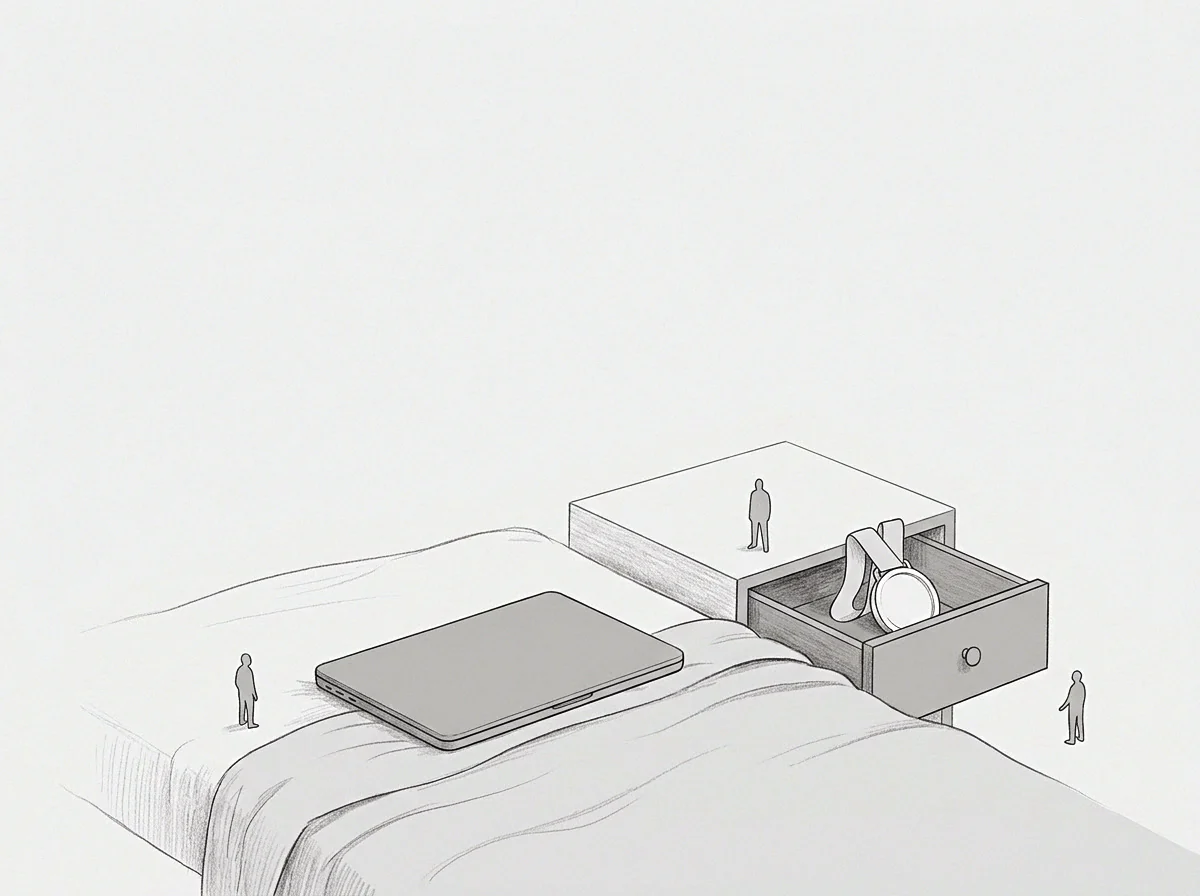
Meaning
Recurring managerial cycles, workflow habits, review meetings and decision-making cadences govern daily execution within an operating business. Founders establish distinct operational routines during early enterprise formation, embedding personal preferences into sprint planning, executive reviews, performance assessments and client check-ins. These processes persist through organizational muscle memory long after initial architects step away from active roles.
The mechanism shifts from an asset to a constraint when routines depend entirely on founder presence rather than documented protocols.
Habitual Entanglement
Early-stage habits create behavioral drag when a founder attempts to exit active operations. The founder continues attending recurring design reviews, approving pull requests and arbitrating routine vendor disputes out of long-standing momentum. Team members maintain these interactions because company workflows lack documented decision logic.
Breaking this cycle requires the deliberate redesign of team meetings and approval hierarchies.
Process Transfer
Institutionalizing workflows demands converting informal founder heuristics into repeatable standard operating procedures. New management must establish independent cadences for budget monitoring, strategic planning and customer escalation. Success in handover depends on team members executing operational routines without founder validation.
The departing leader recovers hours of weekly capacity once standing review meetings are transferred to active department heads.
Systemic Renewal
Maturing enterprises periodically retire obsolete operational habits to accommodate larger team structures and institutional governance. Fresh routines emphasize distributed metrics, formalized reporting lines and auditable tracking systems over informal founder alignment. Removing the founder from daily operating workflows tests the true durability of the management framework.
Autonomous operational cadences allow the company to expand smoothly across successive leadership generations.